
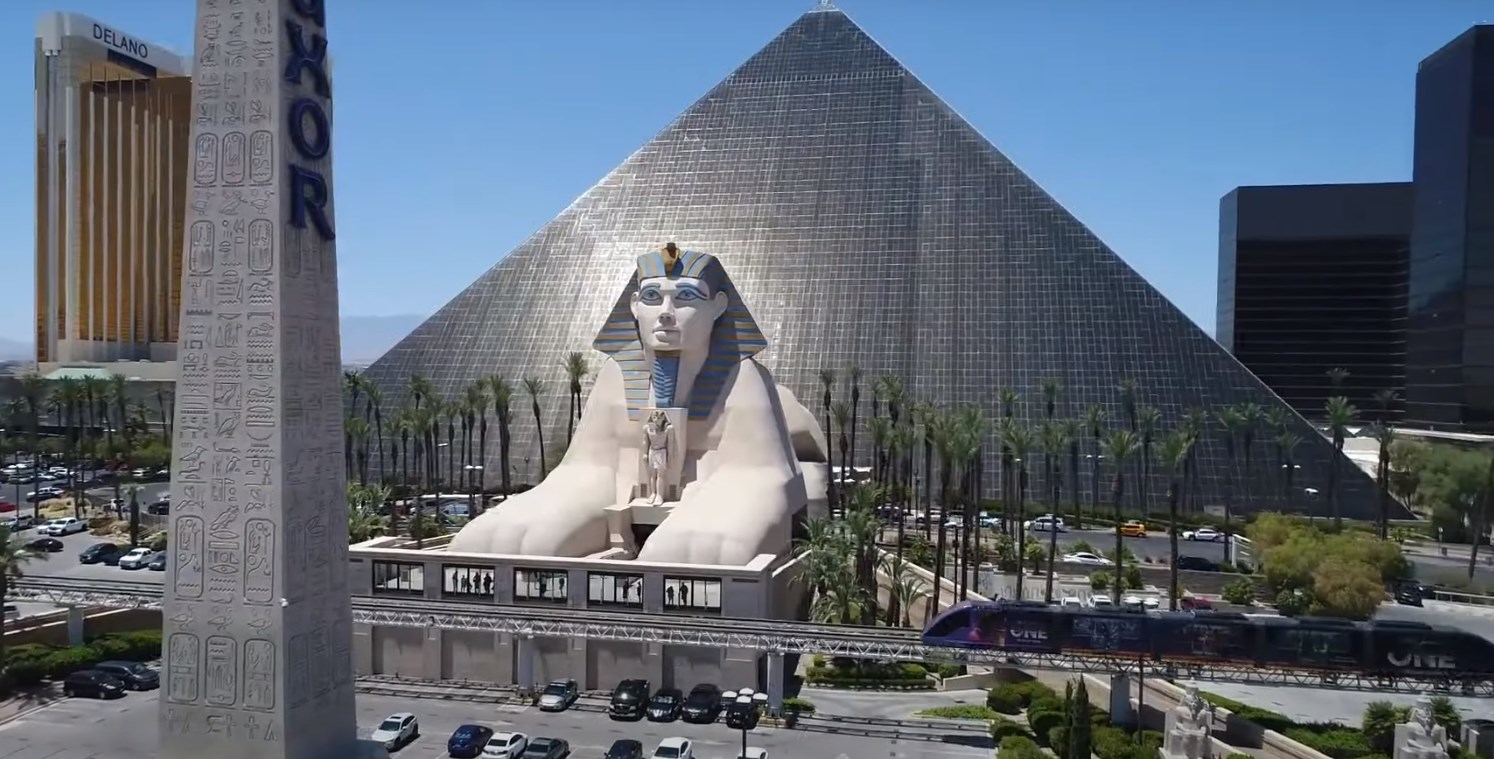
The iconic pyramid-shaped hotel, the Luxor Las Vegas, stands as a testament to the bold architectural visions that define the Las Vegas Strip. Its unique Egyptian-themed design, complete with a colossal sphinx and an obelisk, immediately sets it apart from its neighbors. For many visitors to the dazzling city, a stay at the Luxor Las Vegas is a quintessential Las Vegas experience, evoking the grandeur of ancient civilizations and the thrill of modern entertainment. But for those captivated by its distinctive allure, a fundamental question arises: When was Luxor Las Vegas built? Understanding the construction timeline of this distinctive resort offers a glimpse into the ambitious development of Las Vegas as a premier global destination.
The Dawn of a Pyramid: Unveiling the Luxor Las Vegas Construction
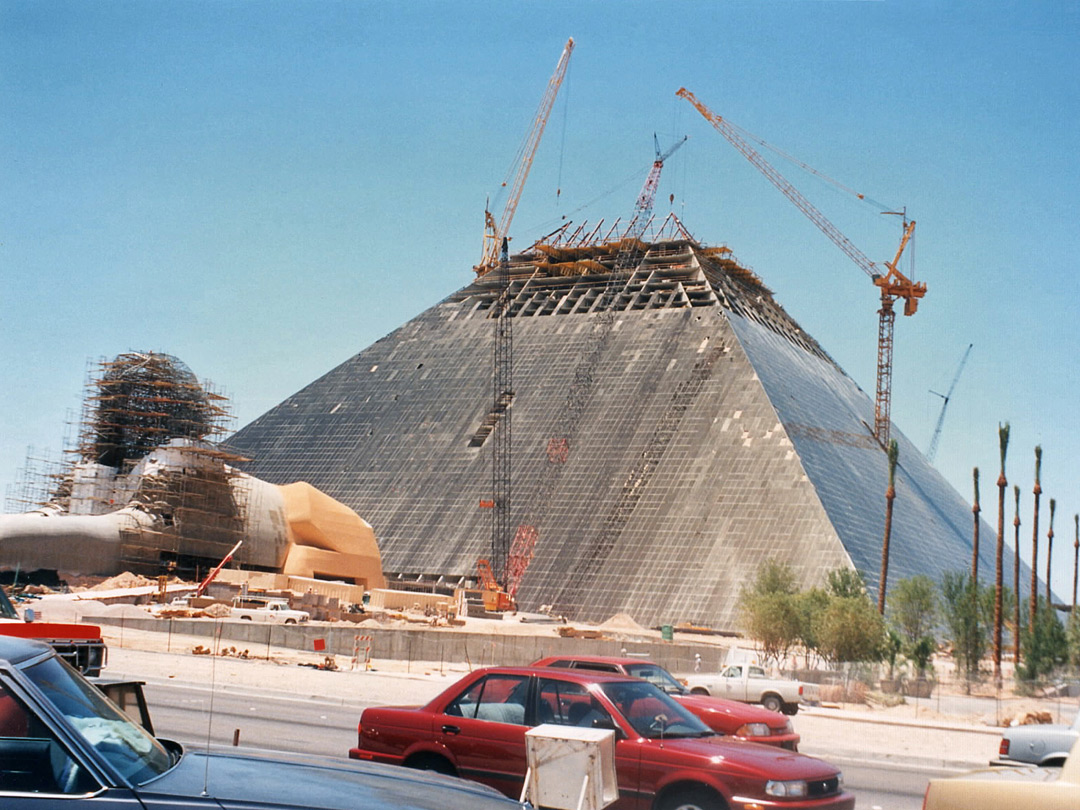
The construction of the Luxor Las Vegas was a monumental undertaking, marking a significant chapter in the evolution of themed resorts. Spearheaded by Circus Circus Enterprises (which later became MGM Resorts International), the project aimed to create an immersive and unforgettable experience for its guests. The groundbreaking ceremony, a pivotal moment in the resort’s genesis, took place in 1991. This marked the official commencement of the ambitious construction phase, which would see the rise of a 30-story pyramid and its accompanying structures.
From Blueprint to Reality: The Construction Journey
The vision for the Luxor Las Vegas was ambitious from the outset. Architects and engineers were tasked with translating a fantastical concept into a tangible reality. The design, heavily inspired by ancient Egyptian landmarks such as the pyramids of Giza and the Great Sphinx, required innovative construction techniques. The most striking feature, the pyramid itself, was a complex engineering marvel for its time. Its glass exterior, composed of 29,000 panes, was designed to reflect the desert sun, creating a shimmering mirage that has become synonymous with the resort.
The construction process was meticulous, involving thousands of workers and a substantial investment. The project officially broke ground on April 10, 1991. This date signifies the beginning of a transformative period for the south end of the Las Vegas Strip. The sheer scale of the pyramid, which houses hotel rooms, a casino, and various entertainment venues, presented unique challenges. From the excavation of the foundation to the intricate placement of the glass facade, every step was crucial in bringing the Egyptian dream to life.
Opening Day: A New Era on the Strip
After a period of intensive construction, the Luxor Las Vegas officially opened its doors to the public on October 15, 1993. This date marked not only the debut of a new resort but also the introduction of a unique architectural style that would influence future developments on the Las Vegas Strip. The opening was met with considerable fanfare, drawing tourists and locals alike to witness the unveiling of this magnificent Egyptian-themed hotel. The initial phase of the resort included 2,526 hotel rooms, a 120,000-square-foot casino, and a 2,900-seat showroom. The iconic “Nile River” attraction, a water taxi system that transported guests between hotel wings, further enhanced the immersive experience.
The choice of October 15, 1993 as the grand opening date was carefully planned to coincide with the peak tourist season and generate maximum excitement. The resort’s distinctive architecture, coupled with its extensive amenities and entertainment offerings, quickly made it a popular destination, solidifying its place as a significant landmark on the Las Vegas landscape.
The Legacy of the Luxor: Architectural Innovation and Themed Resorts
The construction and opening of the Luxor Las Vegas in the early 1990s were not just about building a new hotel; it was about pushing the boundaries of themed resort development. The success of the Luxor Las Vegas demonstrated the immense potential of creating immersive environments that transport guests to different worlds. This concept had been explored before on the Strip, but the Luxor Las Vegas took it to a new level with its ambitious Egyptian theme, intricate details, and the sheer scale of its pyramid structure.
An Architectural Marvel of the 1990s
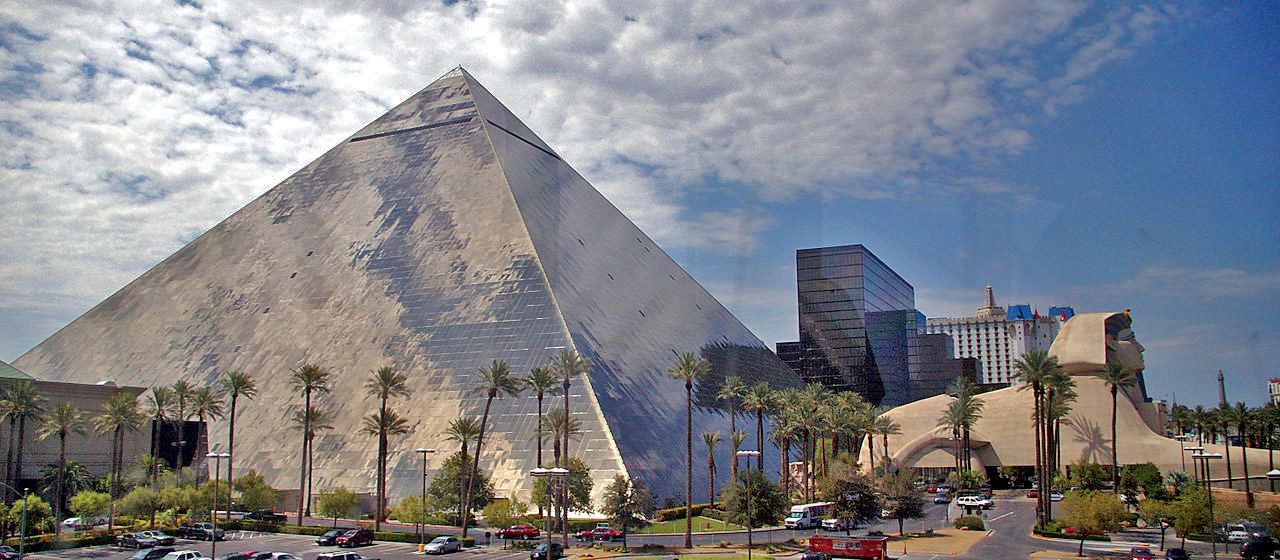
In the context of the Las Vegas Strip, the early 1990s was a period of significant expansion and evolving architectural trends. While earlier resorts had embraced themes, the Luxor Las Vegas stood out for its bold, singular focus. The construction of a 30-story pyramid, topped with a 63-foot sphinx at its base, was an unprecedented feat. The resort’s design team meticulously incorporated elements of ancient Egyptian architecture, from the hieroglyphic-inspired artwork to the colossal statues. The choice of materials, particularly the extensive use of glass, was also innovative for its time, allowing the structure to interact dynamically with the natural light of the desert.
The pyramid’s design offered unique advantages and challenges. The sloping walls created interesting room configurations, and the central atrium, illuminated by the skylight, provided a dramatic focal point. The resort’s original commitment to the Egyptian theme extended to its amenities, including attractions that evoked the mystique of the Nile. The successful realization of such a complex and visually striking structure in the relatively short construction period from 1991 to 1993 highlights the dedication and expertise involved.
The Rise of Themed Destinations
The opening of the Luxor Las Vegas in 1993 played a crucial role in the continued proliferation of large-scale, themed resorts. Its success validated the concept that guests were eager to be transported to different worlds and immerse themselves in unique experiences. This led to a wave of similar developments in Las Vegas and other tourist destinations. Resorts that followed, such as Excalibur Hotel & Casino (also owned by Circus Circus Enterprises), embraced distinct themes, contributing to the increasingly fantastical landscape of the Strip.
The Luxor Las Vegas wasn’t just a hotel; it was a destination within a destination. Its appeal lay in its ability to offer a complete escape from the ordinary. The architectural ambition and thematic dedication established a benchmark for what a modern resort could be. This emphasis on creating an all-encompassing environment for guests has remained a cornerstone of the hospitality industry, particularly in entertainment-focused cities like Las Vegas. The resort’s construction and opening in the early 1990s solidified its place as a landmark in both architectural history and the broader development of the global tourism industry.
Experiencing the Luxor: A Glimpse into Its Past and Present
The Luxor Las Vegas has evolved since its construction, but its core identity as an iconic Egyptian-themed resort remains. Understanding when it was built provides context for its initial vision and how it has adapted to the ever-changing landscape of Las Vegas. The resort’s timeline, from its groundbreaking in 1991 to its opening in 1993 and its subsequent decades of operation, is a narrative of ambition, innovation, and enduring appeal.
From Construction to Continual Evolution
The Luxor Las Vegas was built with a specific vision in mind: to be a unique and immersive Egyptian-themed destination. Groundbreaking occurred in 1991, and the resort officially opened its doors on October 15, 1993. This period of construction, spanning approximately two and a half years, was a significant undertaking, involving the creation of its distinctive pyramid structure and the intricate Egyptian motifs that define it. Since its grand opening, the Luxor Las Vegas has undergone various renovations and updates to maintain its relevance and appeal to modern travelers. While the fundamental architecture remains, elements have been modernized to enhance guest experiences, including the addition of new dining options, entertainment venues, and updated room designs.
Landmarks and Attractions: A Timeless Appeal
The Luxor Las Vegas is more than just a place to stay; it’s a landmark that draws visitors with its unique architecture. The iconic pyramid, visible from miles away, is a symbol of the resort’s ambition. Upon entering, guests are greeted by the grandeur of the atrium and the unmistakable Egyptian theme. The resort has housed various attractions over the years, from the fascinating “Bodies… The Exhibition” and “Titanic: The Artifact Exhibition” to its own entertainment shows. While some attractions have come and gone, the core experience of staying within a giant pyramid, complete with a working sphinx at its base, continues to captivate. The resort’s location at the southern end of the Las Vegas Strip also makes it a convenient base for exploring other nearby attractions, including Mandalay Bay Resort and Casino and the MGM Grand Las Vegas. The Luxor Las Vegas continues to be a popular choice for travelers seeking a unique and memorable stay, offering a blend of its historical architectural charm and contemporary resort amenities.
LifeOutOfTheBox is a participant in the Amazon Services LLC Associates Program, an affiliate advertising program designed to provide a means for sites to earn advertising fees by advertising and linking to Amazon.com. Amazon, the Amazon logo, AmazonSupply, and the AmazonSupply logo are trademarks of Amazon.com, Inc. or its affiliates. As an Amazon Associate we earn affiliate commissions from qualifying purchases.