
The iconic Las Vegas Strip is more than just a street; it’s a globally recognized symbol of entertainment, nightlife, and the glittering allure of gambling. For many, it conjures images of dazzling lights, world-class shows, and extravagant resorts. But pinpointing its exact geographical location can sometimes be a bit more nuanced than simply looking at a map. While commonly referred to as a single entity, the Las Vegas Strip is actually a stretch of South Las Vegas Boulevard that winds its way through unincorporated towns just south of the actual city limits of Las Vegas. Understanding its location is key to planning your ultimate trip to this desert oasis of excitement.
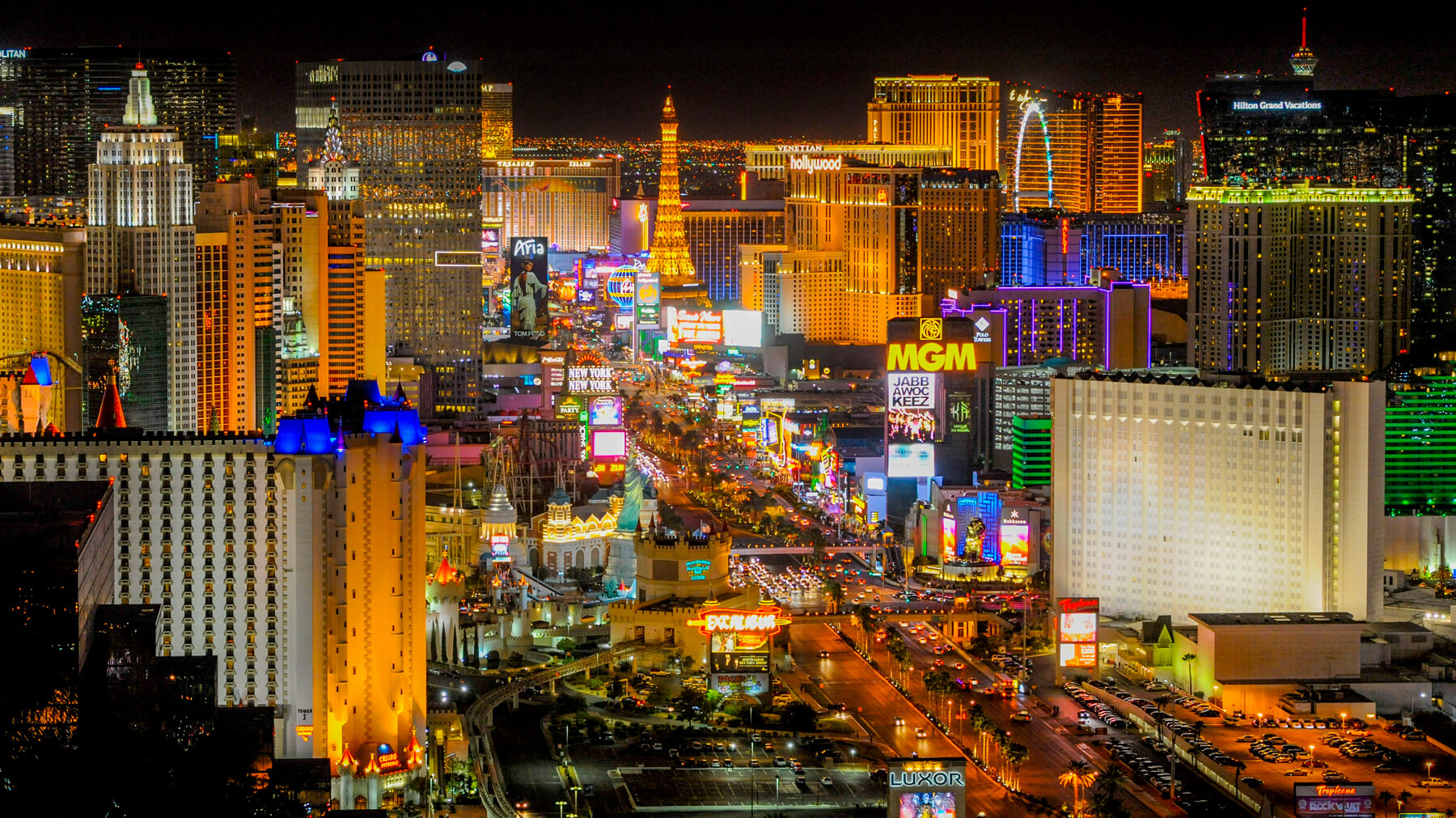
Navigating The Heart of Nevada’s Entertainment Hub
The Las Vegas Strip is approximately 4.1 miles (6.6 kilometers) long and is situated in the Mojave Desert, in the state of Nevada. The primary thoroughfare that defines the Strip is South Las Vegas Boulevard. However, this is where the initial confusion can arise: the majority of the famous resorts and casinos that people associate with the Strip are not technically located within the city limits of Las Vegas. Instead, they are primarily situated in two unincorporated communities: Paradise and Winchester.
A Tale of Two Unincorporated Towns
The vibrant heart of the Strip beats within the boundaries of these two census-designated places. Paradise, a sprawling community, is home to many of the most famous mega-resorts, including the MGM Grand, the Bellagio, and the Wynn Las Vegas. This area also encompasses the Harry Reid International Airport, making it the first point of contact for many visitors arriving in Nevada.
Adjacent to Paradise is Winchester, another unincorporated township that hosts its own collection of legendary establishments. Notable resorts within Winchester include the Resorts World Las Vegas and the Sahara Las Vegas. While these towns have their own administrative structures, for all intents and purposes of tourism and general understanding, they are collectively known as “The Las Vegas Strip.”
Understanding the Official City Limits
It’s important to note that a smaller, northern section of South Las Vegas Boulevard does fall within the official city limits of Las Vegas. This section is often referred to as Downtown Las Vegas and is characterized by its own unique atmosphere, historic casinos like the Golden Nugget, and the Fremont Street Experience. While it offers a different but equally captivating Las Vegas experience, when people speak of “The Strip,” they are almost invariably referring to the southern section in Paradise and Winchester.
The official boundary between the city of Las Vegas and the unincorporated townships is typically marked by Sahara Avenue. North of Sahara Avenue, you are in the city proper, and south of it, you enter the heart of the world-famous Strip. This distinction, while geographically accurate, often fades into the background for the millions of tourists who flock to the area each year, drawn by the promise of unparalleled entertainment and unforgettable experiences.
Planning Your Visit to The Strip
Knowing the precise location of the Las Vegas Strip is crucial for effective travel planning. Whether you’re looking to book accommodation, navigate transportation, or simply understand the layout of this vast entertainment complex, clarity on its geography is beneficial.
Accommodation and Accessibility
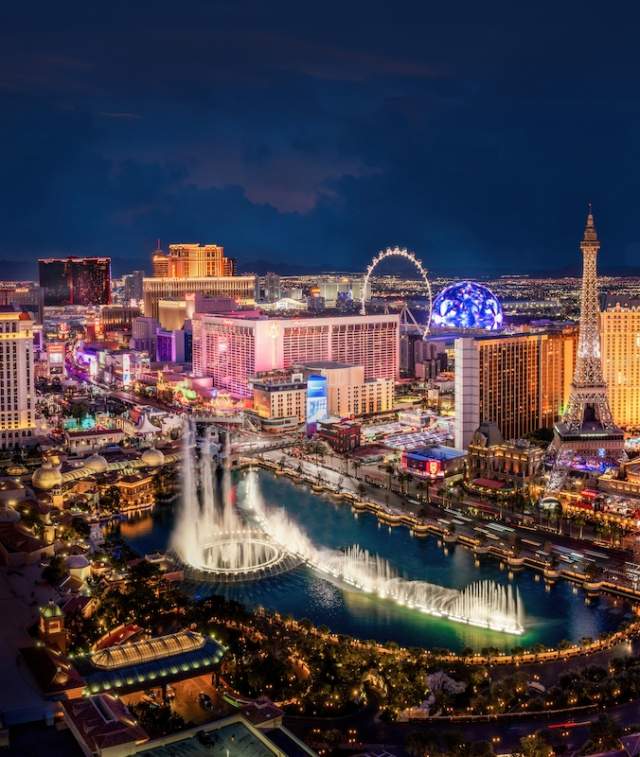
The vast majority of world-renowned hotels and resorts that define the Strip are situated along South Las Vegas Boulevard within the townships of Paradise and Winchester. When searching for hotels, you’ll find listings for properties like the Aria Resort & Casino, the Caesars Palace, the Mandalay Bay Resort and Casino, and the Venetian Resort, all proudly advertising their Strip location. These resorts offer a dizzying array of amenities, from luxurious suites and fine dining to sprawling casino floors and elaborate pools.
The proximity of these hotels to Harry Reid International Airport is a significant advantage for travelers. A short taxi, rideshare, or shuttle ride will transport you directly to your chosen hotel, allowing you to start your vacation without delay. The airport itself is located just east of the southern end of the Strip, making it incredibly convenient for arrivals and departures.
Transportation and Exploration
Navigating the Las Vegas Strip is part of the adventure. The 4.1-mile stretch is easily accessible by various means. Walking is a popular option for exploring the resorts and attractions in close proximity, especially with the numerous pedestrian bridges and walkways that connect properties. For longer distances or when the desert heat becomes intense, the Monorail offers a convenient way to travel along the eastern side of the Strip, stopping at major hotels like the MGM Grand, Caesars Palace, and the SAHARA Las Vegas. Taxis and rideshare services are readily available throughout the area, providing door-to-door service.
For those looking to experience the sheer scale and spectacle of the Strip, driving your own vehicle or renting one is an option, though parking can be expensive and traffic can be congested, particularly during peak hours. Many visitors opt to utilize the extensive public transportation and ride-sharing options to avoid the hassle of parking and traffic.
Beyond The Glitter: Understanding The Strip’s Identity
The Las Vegas Strip is a manufactured wonder, a testament to human ingenuity and the pursuit of entertainment. While its geographical boundaries might blur between official city limits and unincorporated townships, its cultural and experiential significance is undeniable. It’s a destination that draws millions from across the globe, seeking thrills, relaxation, and a taste of the extraordinary.
Landmarks and Attractions
The Strip is not just about hotels and casinos; it’s a living museum of iconic landmarks and attractions. From the dancing fountains of the Bellagio and the Venetian-themed canals of The Venetian Resort to the towering observation wheel of the High Roller and the exhilarating roller coasters at the New York-New York Hotel & Casino, there’s a visual spectacle around every corner. The architecture itself is a major draw, with each resort striving to create a unique and immersive theme, transporting visitors to different worlds and eras. This commitment to extravagant design and world-class attractions solidifies the Strip’s reputation as a premier entertainment destination.
The area is also a hub for live performances, from Cirque du Soleil shows and resident musical artists to championship boxing matches and major sporting events held in venues like the Allegiant Stadium. The sheer density of entertainment options means that no two visits to the Strip are ever quite the same.

Culinary and Lifestyle Experiences
Beyond the gambling and shows, the Las Vegas Strip offers a diverse range of culinary experiences, catering to every palate and budget. Celebrity chefs have established some of their most acclaimed restaurants here, offering everything from Michelin-starred fine dining to casual yet gourmet eateries. Food tours are popular for those who want to sample a variety of offerings.
The Strip also caters to a wide spectrum of lifestyles. It’s a playground for luxury travel, with opulent suites and high-end shopping. Yet, it also offers options for budget-conscious travelers, with more affordable hotel rates and dining choices. It’s a destination for romantic getaways, family vacations, and even business stays, proving its versatility. The vibrant nightlife, from exclusive clubs to relaxed lounges, ensures that the energy of the Strip continues long after the sun sets.
In essence, the question “Where is the Las Vegas Strip?” leads us to a fascinating understanding of its geography and its identity. It’s a place that exists both on a map and in the collective imagination, a strip of road that has become synonymous with excitement, indulgence, and the enduring magic of Nevada.
LifeOutOfTheBox is a participant in the Amazon Services LLC Associates Program, an affiliate advertising program designed to provide a means for sites to earn advertising fees by advertising and linking to Amazon.com. Amazon, the Amazon logo, AmazonSupply, and the AmazonSupply logo are trademarks of Amazon.com, Inc. or its affiliates. As an Amazon Associate we earn affiliate commissions from qualifying purchases.