
The name Las Vegas conjures images of glittering neon, boundless entertainment, and architectural marvels rising from the desert floor. It is a city that defies its stark natural surroundings, a testament to human ambition, ingenuity, and sometimes, infamy. Yet, the question of “who made Las Vegas?” is not attributable to a single individual or entity. Instead, it is a complex tapestry woven from diverse threads: indigenous cultures, railroad tycoons, government projects, audacious entrepreneurs, organized crime figures, and ultimately, corporate giants. Understanding the making of Las Vegas requires a journey through its unique history, tracing its evolution from a remote watering hole to the global icon it is today, a narrative firmly rooted in the transformation of landmarks and the forging of a distinct cultural identity.

The Arid Origins: From Desert Oasis to Railroad Stop
Long before it became the “Entertainment Capital of the World,” the valley where Las Vegas now stands was a vital stopover for travelers, its existence predicated on a natural abundance of artesian springs. These life-giving waters in the otherwise parched Mojave Desert were the true genesis of the city.
Early Inhabitants and Water Rights
For thousands of years, indigenous groups, most notably the Paiute people, thrived in the Las Vegas Valley, utilizing the springs for sustenance and agriculture. The term “Las Vegas” itself, meaning “the meadows” in Spanish, was coined in the 1820s by Rafael Rivera, a Mexican scout for explorer Antonio Armijo, who noted the lush, spring-fed grasses. This vital water source made the area a crucial point on the Old Spanish Trail, connecting Santa Fe to Los Angeles, and later, a military outpost during the Mexican-American War. These early explorers and inhabitants, recognizing the strategic importance of water, laid the initial groundwork for any future settlement, underscoring that the land itself, with its rare resources, first “made” the possibility of a city.
The Arrival of the Railroad and Townsite Auction
The true birth of modern Las Vegas as a town began with the arrival of the Union Pacific Railroad. Seeking a midway point between Los Angeles and Salt Lake City for refueling and maintenance, the railroad purchased land in 1902. On May 15, 1905, the Union Pacific Railroad held a public auction, selling 1,200 lots in what is now Downtown Las Vegas. This event, attracting settlers, merchants, and opportunists, officially established Las Vegas as a town, complete with a grid system, a central train depot, and a nascent commercial district along Fremont Street. The railroad, by bringing infrastructure and facilitating access, undeniably played a foundational role in shaping the physical and economic landscape of early Las Vegas.
The Roaring Twenties and Hoover Dam’s Influence
The early decades of the 20th century were pivotal, marked by both a nationwide social experiment and a colossal federal project that dramatically altered Las Vegas’s trajectory, pulling it out of relative obscurity and into the national spotlight.
Gambling’s Early Roots and Prohibition
Even in its infancy, Las Vegas harbored an unconventional spirit. While gambling was outlawed in Nevada in 1910, it never truly disappeared. Speakeasies and illegal gaming operations continued to flourish, catering to railroad workers and locals. The federal prohibition of alcohol in 1920 inadvertently fueled this underground economy, creating an environment where illicit entertainment thrived. This era subtly ingrained a culture of permissiveness and entertainment seeking that would prove crucial to the city’s future identity. The decision by the state of Nevada to re-legalize gambling in 1931, alongside lenient marriage and divorce laws, was a bold move that set it apart and provided a legal framework for the industry that would define Las Vegas.
Hoover Dam and the Influx of Workers
The single most significant catalyst for Las Vegas’s growth during this period was the construction of the Hoover Dam (originally Boulder Dam) on the Colorado River, which began in 1931. This massive public works project, aimed at controlling floods, generating hydroelectric power, and providing irrigation, attracted thousands of workers and their families to the nearby Las Vegas Valley. The influx of a transient, well-paid, and predominantly male workforce created an enormous demand for housing, services, and most importantly for Las Vegas’s nascent identity, entertainment. Local businesses, bars, and gambling establishments boomed, providing diversions for the dam workers during their off-hours. The sheer scale of the project brought national attention and significant economic activity, effectively “making” Las Vegas a boomtown and proving the viability of large-scale development in the desert.
The Visionaries and the Rise of the Strip
With the economic foundation laid by the Hoover Dam and legal gambling firmly in place, Las Vegas was ripe for expansion. It was in the post-war era that charismatic and often controversial figures began to envision something far grander than a dusty railroad town, giving birth to the iconic “Strip.”
Bugsy Siegel and the Flamingo Hotel
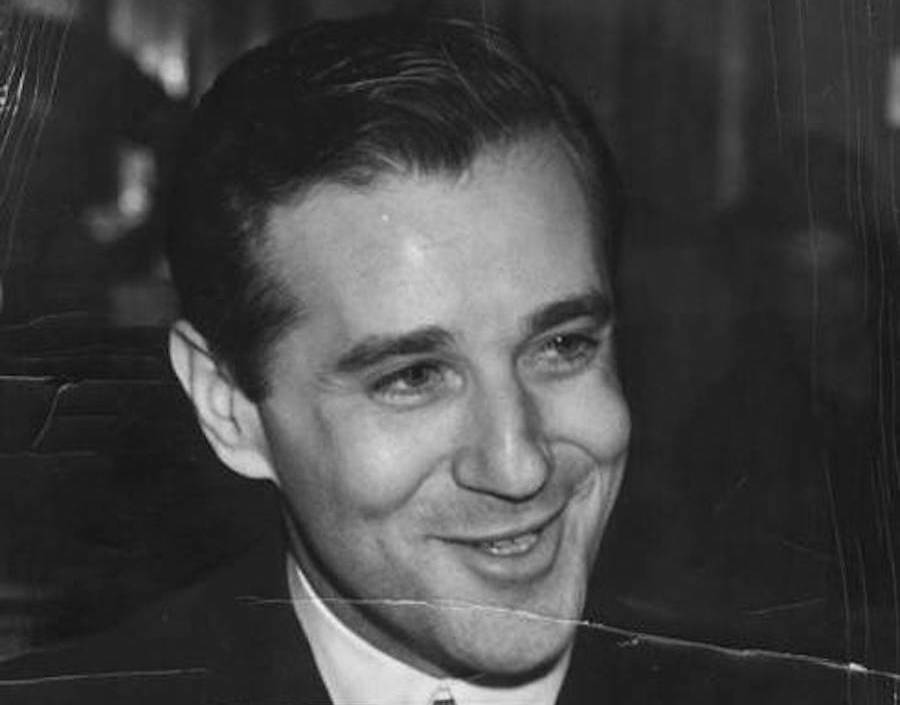
Perhaps no single individual is more famously associated with “making” modern Las Vegas than Benjamin “Bugsy” Siegel. A notorious mobster from New York and Los Angeles, Siegel arrived in Las Vegas in the 1940s, seeing its potential as a legitimate front for organized crime’s vast resources and a haven away from intense East Coast scrutiny. His vision was to build a luxurious, world-class resort that would attract not just gamblers but also Hollywood celebrities and high rollers. The Flamingo Hotel, which opened in December 1946 (though its grand opening was delayed), was his audacious dream. Despite its troubled construction, cost overruns, and Siegel’s violent demise shortly after, the Flamingo proved his concept: a lavish resort combining opulent amenities, top-tier entertainment, and, of course, gambling. It set the precedent for what would become The Strip, transforming Las Vegas from a mere gambling outpost into a glamorous destination.
Post-War Boom and Corporate Investment
Siegel’s gamble, though it cost him his life, paid off for the city. Other entrepreneurs, many with ties to organized crime seeking to launder money, quickly followed suit. Hotels like the Desert Inn (1950), Sands (1952), Sahara (1952), and Riviera (1955) rapidly appeared along Highway 91 (which would become The Strip). These early resorts established the core elements of the Las Vegas experience: large casinos, luxury accommodations, gourmet dining, and headliner entertainment. The 1950s and 60s saw the city’s golden age, fueled by a booming national economy, the allure of atomic tourism (watching nuclear tests in the nearby desert), and the undeniable charisma of performers like Frank Sinatra and the Rat Pack. Visionaries like Moe Dalitz, Kirk Kerkorian, and later, Howard Hughes, who began buying up properties in the late 1960s, played crucial roles in professionalizing the industry and moving Las Vegas towards a more legitimate corporate structure, gradually reducing the overt influence of organized crime.
The Corporate Era and Modern Transformation
The late 20th century heralded a dramatic shift in ownership and strategy for Las Vegas. The colorful, often shadowy figures of the past gave way to publicly traded corporations and visionary developers who reimagined the city on an unprecedented scale.
From Mob Influence to Wall Street Control
By the 1980s, federal crackdowns and changes in gaming laws across other states began to diminish the direct power of organized crime in Las Vegas. State regulatory bodies asserted stricter control, making it increasingly difficult for individuals with questionable backgrounds to operate casinos. This paved the way for legitimate corporations to enter the market. The availability of corporate financing allowed for massive, multi-billion-dollar projects that far surpassed the capabilities of individual owners, no matter how well-connected. Companies like MGM Resorts International, Caesars Entertainment, and Sheldon Adelson’s Las Vegas Sands Corporation became the new architects of Las Vegas, injecting vast capital and a new level of professionalism. This transition was critical in solidifying Las Vegas’s reputation as a global business and tourism hub, moving beyond its previous image.
Diversification and Family-Friendly Appeal
The 1990s marked another significant transformation, driven by a desire to diversify Las Vegas’s appeal beyond just gambling. Developers like Steve Wynn, with properties like The Mirage (1989) and Bellagio (1998), pioneered the concept of the mega-resort: elaborate, themed complexes offering a wide array of amenities including high-end dining, world-class shopping, spas, convention facilities, and family-friendly attractions alongside the casinos. The rise of these integrated resorts made Las Vegas a destination for conventions, families, and luxury travelers, not just gamblers. Resorts like Treasure Island, Excalibur, Luxor, Paris Las Vegas, and New York-New York were designed as immersive experiences, each with its distinct architectural identity and thematic attractions. This strategic shift, driven by market demand and corporate vision, fundamentally reshaped the city’s landscape and its target demographic, proving that Las Vegas could continuously reinvent itself.
The Enduring Legacy of the Entertainment Capital
Today, Las Vegas stands as a monument to human ambition, a city forged from desert and dreams, continually evolving while retaining its core identity as the world’s premier entertainment destination. Its creators are not merely historical figures, but also the ongoing forces of innovation and economic dynamism.
Architectural Marvels and Thematic Resorts
The most visible legacy of those who made Las Vegas are the breathtaking architectural landmarks that line The Strip. Each resort is a meticulously crafted world unto itself, often replicating famous global destinations or historical periods with astonishing detail. From the dancing fountains of the Bellagio to the canals of The Venetian and the Eiffel Tower replica at Paris Las Vegas, these structures are more than just buildings; they are immersive experiences that draw millions of visitors annually. These resorts serve as a testament to the city’s audacious spirit, demonstrating how imagination, coupled with immense financial investment, can transform a barren landscape into a vibrant, fantastical cityscape. These are the modern “landmarks” that continuously redefine the perception of Las Vegas.

The Ever-Evolving Skyline
The making of Las Vegas is an ongoing process. The city’s skyline is in a constant state of flux, with older resorts being renovated or replaced by newer, even more extravagant complexes. This relentless pursuit of the “next big thing” ensures that Las Vegas remains at the forefront of the global entertainment industry. It’s a city that embodies reinvention, where history is built upon, literally and figuratively, with each new tower and attraction. The “who” behind Las Vegas is, therefore, a collective and continually expanding group: the early indigenous peoples who found life-giving water, the railroad barons who founded the town, the government that built the Hoover Dam, the audacious entrepreneurs who dreamed big, the corporate titans who capitalized on those dreams, and the millions of visitors and workers who have contributed to its unparalleled energy. Las Vegas truly is a city made by many hands, reflecting diverse ambitions, all converging to create one of the world’s most recognizable and enduring landmarks.
LifeOutOfTheBox is a participant in the Amazon Services LLC Associates Program, an affiliate advertising program designed to provide a means for sites to earn advertising fees by advertising and linking to Amazon.com. Amazon, the Amazon logo, AmazonSupply, and the AmazonSupply logo are trademarks of Amazon.com, Inc. or its affiliates. As an Amazon Associate we earn affiliate commissions from qualifying purchases.