
The vibrant and ever-evolving landscape of Las Vegas is characterized by its iconic resorts, each telling a unique story of entertainment, luxury, and audacious vision. Among these, Circus Circus Las Vegas stands out with its distinct family-friendly appeal, a stark contrast to the adult-centric themes of many of its neighbors on the famed Strip. For decades, questions about the ownership and strategic direction of such a prominent establishment have fascinated both industry insiders and visitors alike. Understanding who owns Circus Circus today means delving into a rich history of acquisitions, corporate restructuring, and the singular ambition of a seasoned casino mogul.
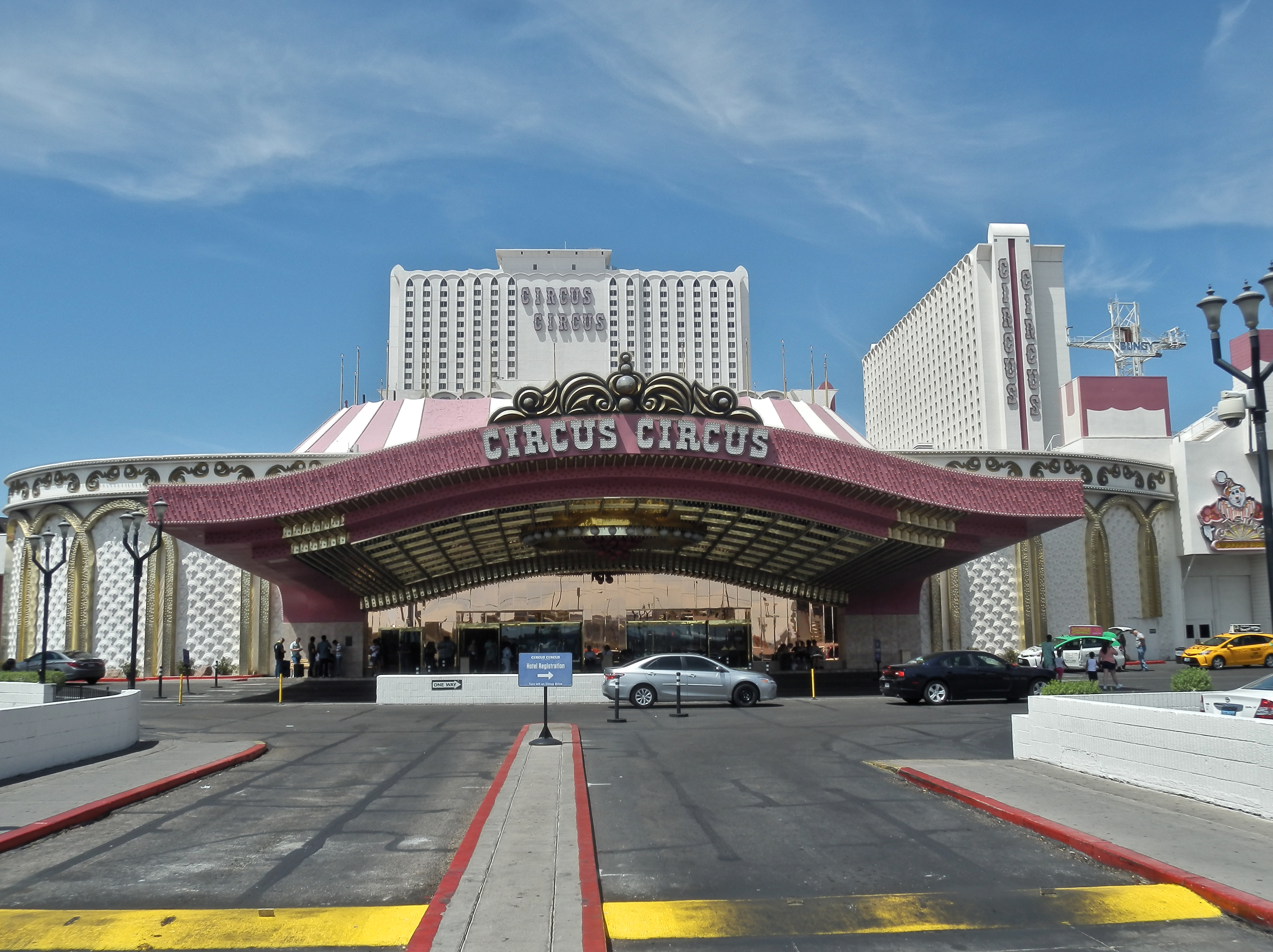
A Legacy Forged in Family Fun: The Genesis of Circus Circus
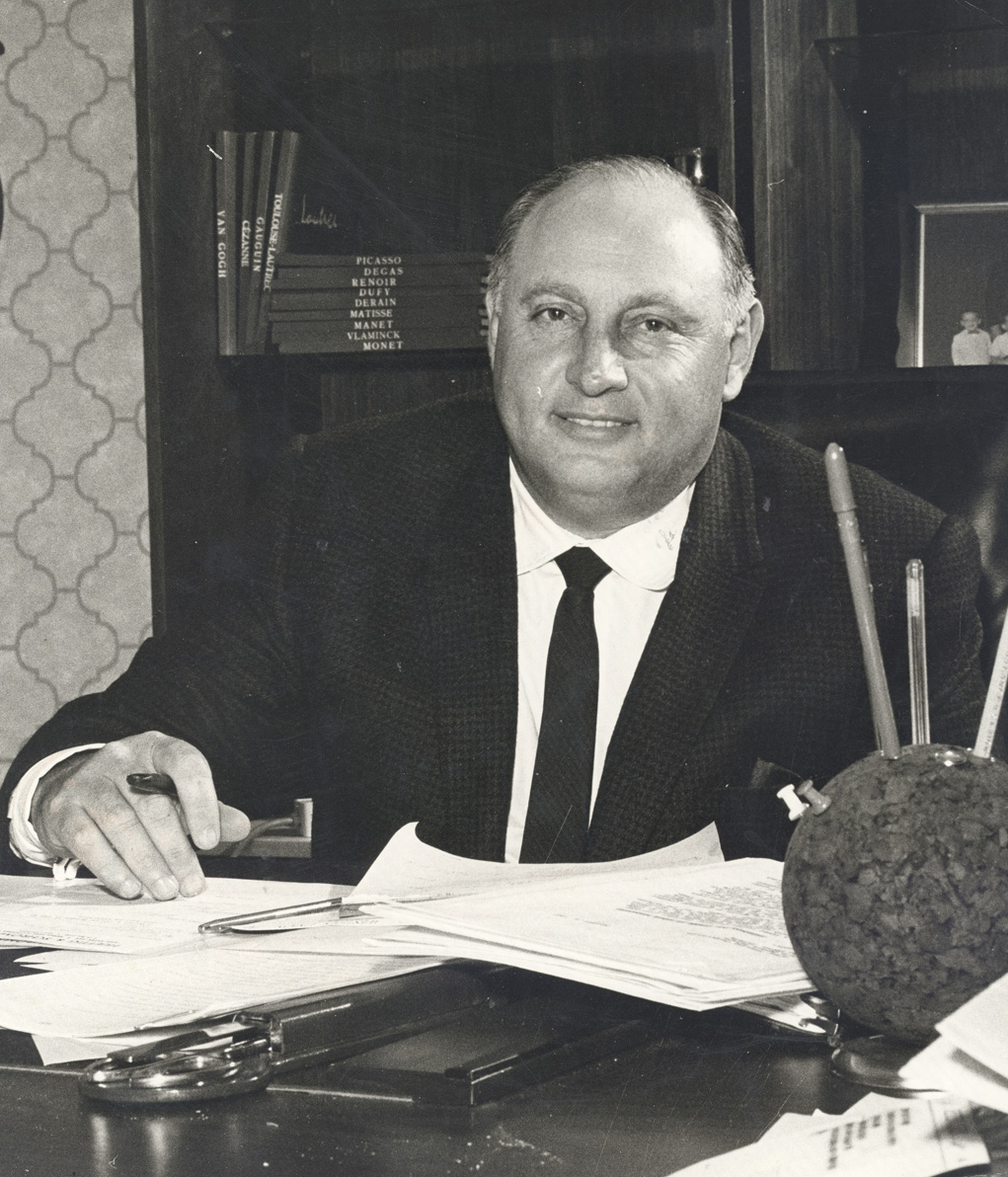
The story of Circus Circus begins not with a corporate giant, but with a revolutionary idea to create a family-friendly casino environment in a city primarily known for adult gambling and entertainment. Opened in 1968, Circus Circus was the brainchild of Jay Sarno, an innovative developer who also conceived Caesars Palace. Unlike its contemporaries, Circus Circus was designed to captivate a broader audience, featuring live circus acts, a Midway carnival, and attractions geared towards children, all under the distinctive pink-and-white big top.
Initially, the property struggled, largely due to its lack of a hotel tower, which forced families to stay elsewhere. This changed dramatically when a hotel was added, solidifying its unique position in the Las Vegas market. The resort quickly became a beloved destination for families seeking affordable lodging and entertainment, carving out a niche that many competitors overlooked. Over its early decades, Circus Circus expanded, adding attractions like the Adventuredome theme park and the Splash Zone, continuously reinforcing its commitment to its core demographic.
From Independence to Corporate Conglomerate
The journey of Circus Circus through various ownership structures reflects the broader consolidation trend within the Las Vegas resort industry. For much of its early life, it operated under Circus Circus Enterprises, a company that grew to become one of the most significant players in the casino market. This entity was responsible for developing and acquiring several other prominent properties, including Excalibur Hotel & Casino and Luxor Hotel and Casino, further diversifying its portfolio with themed resorts.
In 1999, Circus Circus Enterprises rebranded as Mandalay Resort Group, a move that signaled a shift towards a more sophisticated corporate identity. Under this new banner, the company continued to thrive, managing a vast collection of resorts across Las Vegas and other gaming jurisdictions. However, the early 2000s ushered in an era of unprecedented mergers and acquisitions in the gaming world, setting the stage for Circus Circus’s next significant change in proprietorship.
The MGM Resorts Era: A Giant’s Portfolio
The most impactful chapter in Circus Circus’s ownership history prior to its current status began in 2005. That year, MGM Mirage (later MGM Resorts International) completed a colossal acquisition of Mandalay Resort Group for approximately $7.9 billion. This deal was a seismic event, transforming MGM Resorts International into the largest casino operator on the Las Vegas Strip and one of the biggest in the world. With this acquisition, properties like Mandalay Bay Resort and Casino, Luxor, Excalibur, and, crucially, Circus Circus all fell under the MGM Resorts International umbrella.
For over a decade, Circus Circus operated as a part of the vast MGM Resorts International portfolio, which also included high-end luxury resorts such as Bellagio, Aria, and MGM Grand. While Circus Circus continued to serve its distinct family-oriented market segment, its role within the larger corporate strategy of MGM Resorts International gradually began to shift.
Strategic Divestment and Portfolio Refinement
As MGM Resorts International evolved, its focus increasingly gravitated towards optimizing its portfolio and investing heavily in the luxury and convention segments of the market. Resorts like Circus Circus, while profitable, represented a different brand identity and operational model than the high-end experiences MGM Resorts International was increasingly cultivating. This strategic realignment, coupled with a desire to reduce debt and free up capital for other ventures (such as the development of Park MGM and New York-New York Hotel & Casino), eventually led to the decision to divest certain assets.
The decision to sell Circus Circus was part of a broader strategy by MGM Resorts International to streamline its operations and concentrate on its core luxury and upscale offerings. This move paved the way for a new owner, one with a proven track record of revitalizing properties and understanding the unique dynamics of the Las Vegas market.
Phil Ruffin Takes the Helm: A New Chapter for Circus Circus
In October 2019, a significant announcement marked a new era for Circus Circus Las Vegas. MGM Resorts International confirmed the sale of the iconic resort to billionaire businessman Phil Ruffin for an estimated $825 million. This transaction was a pivotal moment, returning Circus Circus to private ownership under a seasoned operator known for his astute business acumen and hands-on approach to resort management.
Phil Ruffin is no stranger to the Las Vegas hospitality scene. His portfolio includes the highly successful Treasure Island Hotel and Casino, which he acquired from MGM Resorts International in 2009. He also famously owned the Frontier Hotel and Casino and was involved in the development of the Trump International Hotel Las Vegas. Ruffin’s history demonstrates a keen eye for undervalued properties and a talent for enhancing their appeal and profitability. His acquisition of Circus Circus signaled a clear intention to continue operating the property with its unique value proposition intact, while also exploring opportunities for revitalization and improvement.
Ruffin’s Vision for the Iconic Resort
Under Phil Ruffin’s ownership, the vision for Circus Circus has been clear: to maintain its status as a premier family-friendly destination on the Las Vegas Strip while implementing strategic upgrades. Ruffin expressed his confidence in the enduring appeal of the resort’s value-driven model, emphasizing that it caters to a segment of the market that remains robust.
His plans have included investments in property enhancements, aiming to modernize certain aspects of the resort without losing its beloved character. This approach is consistent with his strategy at Treasure Island, where he has focused on operational efficiencies and targeted renovations to improve the guest experience and profitability. The acquisition of Circus Circus further solidifies Ruffin’s significant presence in the Nevada gaming market and underscores his belief in the long-term potential of brick-and-mortar casino resorts in Las Vegas.
Beyond Ownership: The Enduring Appeal of Circus Circus
While ownership changes are significant business events, for the millions of visitors who flock to Las Vegas each year, the core experience of a hotel often remains paramount. Circus Circus Las Vegas, under its new proprietorship, continues to offer a distinct and appealing proposition in a crowded market. It stands as a testament to the idea that variety and accessibility are crucial for a thriving tourism destination.
The resort’s commitment to entertainment, especially for families, sets it apart. The Adventuredome, a five-acre indoor theme park, offers roller coasters and thrill rides. The Midway provides classic carnival games, while the free live circus acts above the casino floor continue to charm audiences of all ages. These attractions, combined with its relatively affordable accommodation options, ensure that Circus Circus remains a relevant and cherished part of the Las Vegas landscape.
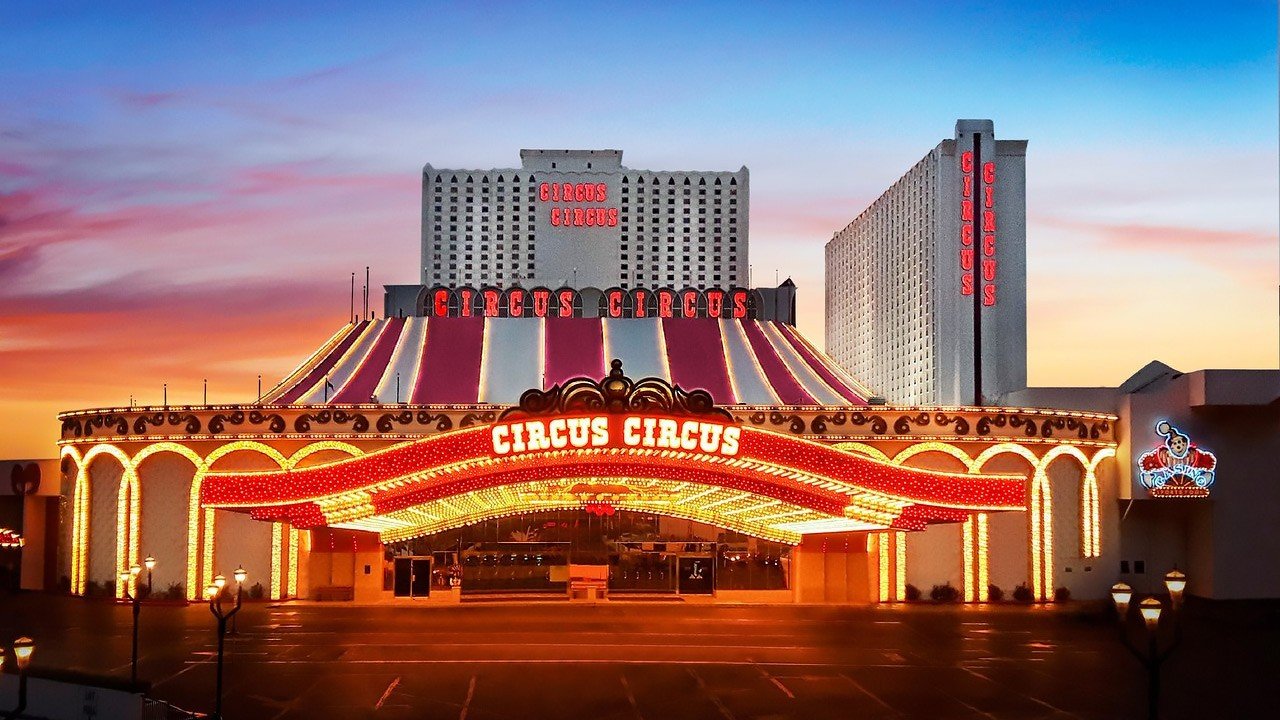
The Hotel’s Place in a Dynamic Market
In an era where luxury mega-resorts like Resorts World Las Vegas and Fontainebleau Las Vegas are pushing the boundaries of opulence, Circus Circus’s identity as a value-oriented, family-focused destination becomes even more pronounced. Its continued success under Phil Ruffin’s ownership demonstrates the importance of market segmentation and catering to diverse traveler needs. Not every visitor to Las Vegas seeks a high-roller experience; many are looking for entertainment, comfort, and affordability, especially when traveling with children.
The acquisition by Phil Ruffin secures the future of Circus Circus as a unique offering, allowing it to continue its legacy without being overshadowed or fundamentally altered to fit a luxury-first corporate strategy. It reaffirms the idea that Las Vegas is a city of many facets, with hotels catering to every taste, budget, and demographic. Circus Circus, under its current ownership, remains a vibrant, accessible, and integral part of the city’s hotel offerings.
In conclusion, Circus Circus Las Vegas is currently owned by Phil Ruffin, a seasoned hotelier and casino magnate. His ownership marks a return to a more focused, independent management style for the resort, ensuring its continued prominence as a distinctive family-friendly hotel and attraction on the iconic Las Vegas Strip.
LifeOutOfTheBox is a participant in the Amazon Services LLC Associates Program, an affiliate advertising program designed to provide a means for sites to earn advertising fees by advertising and linking to Amazon.com. Amazon, the Amazon logo, AmazonSupply, and the AmazonSupply logo are trademarks of Amazon.com, Inc. or its affiliates. As an Amazon Associate we earn affiliate commissions from qualifying purchases.