
The glittering oasis of Las Vegas is a city synonymous with vibrant entertainment, luxurious accommodations, and, of course, world-class casinos. Among the iconic resorts that punctuate the Las Vegas Strip, Treasure Island stands out with its distinct nautical theme and a history that has seen it evolve under different ownerships. For those planning a trip to this desert metropolis, a key piece of information often sought is the ownership of the establishments they intend to visit. Understanding who owns a particular casino, like Treasure Island, can offer insights into its operational philosophy, its place within the larger hospitality landscape, and even potential future developments. This article delves into the ownership history of Treasure Island Casino in Las Vegas, tracing its journey from its inception to its current status.
The Genesis of a Pirate’s Paradise: From Vision to Reality
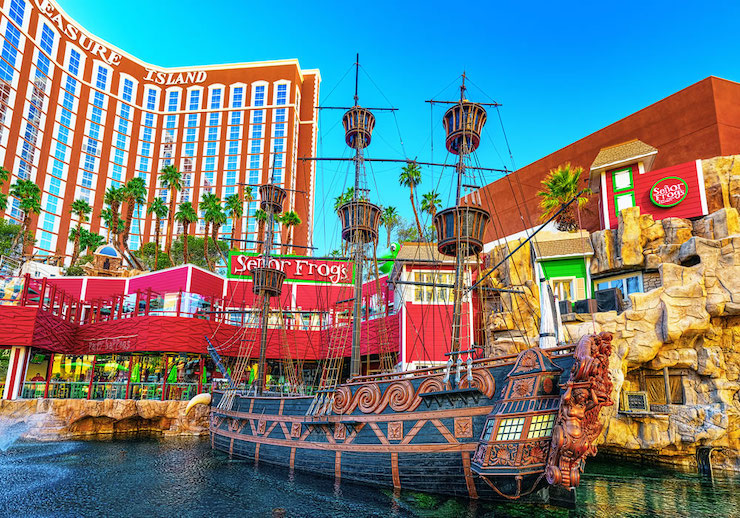
The story of Treasure Island begins with a visionary who sought to bring a unique thematic experience to the competitive Las Vegas market. Steve Wynn, a prominent figure in the casino and hotel industry, was the driving force behind the creation of Treasure Island. Wynn’s M.O. was to create immersive environments that would captivate visitors, and Treasure Island was no exception. The resort, which officially opened its doors on October 26, 1993, was designed to evoke the allure of the high seas, complete with pirate ships, swashbuckling shows, and a treasure-laden atmosphere.
The Inaugural Vision of Steve Wynn
Steve Wynn, through his company Mirage Resorts, poured an estimated $450 million into the development of Treasure Island. The resort was meticulously planned to offer a comprehensive entertainment experience. Beyond the casino floor, it featured a 2,885-room hotel, a variety of dining options, and signature attractions. One of the most memorable aspects of Treasure Island in its early years was the spectacular pirate battle that took place in the lagoon in front of the resort. This live-action show, featuring cannons firing and ships sinking, became a major draw for tourists and locals alike, solidifying the resort’s unique identity. The success of Treasure Island under Wynn’s leadership demonstrated his acumen in conceptualizing and executing large-scale, themed destinations that resonated with the public.
A Shift in Ownership: The MGM Mirage Era
The landscape of Las Vegas tourism is characterized by frequent acquisitions and mergers, and Treasure Island has been part of this dynamic. In 2000, a significant change occurred when Mirage Resorts, the parent company of Treasure Island, was acquired by MGM Grand Inc.. This merger subsequently led to the formation of MGM Mirage, a new entity that would operate a vast portfolio of casino resorts in Las Vegas and beyond.
The Integration into a Casino Giant
The acquisition by MGM Grand Inc. marked the beginning of a new chapter for Treasure Island. As part of MGM Mirage, the resort benefited from the resources and marketing power of one of the largest casino operators in the world. During this period, Treasure Island continued to operate with its distinct pirate theme, though some of its attractions and operational strategies were integrated into the broader MGM Mirage framework. The iconic pirate battle show, for instance, continued to be a highlight for many visitors. The ownership by MGM Mirage spanned over a decade, during which the resort maintained its presence as a popular destination on the Las Vegas Strip.
The Current Ownership Landscape: Phil Ruffin Takes the Helm
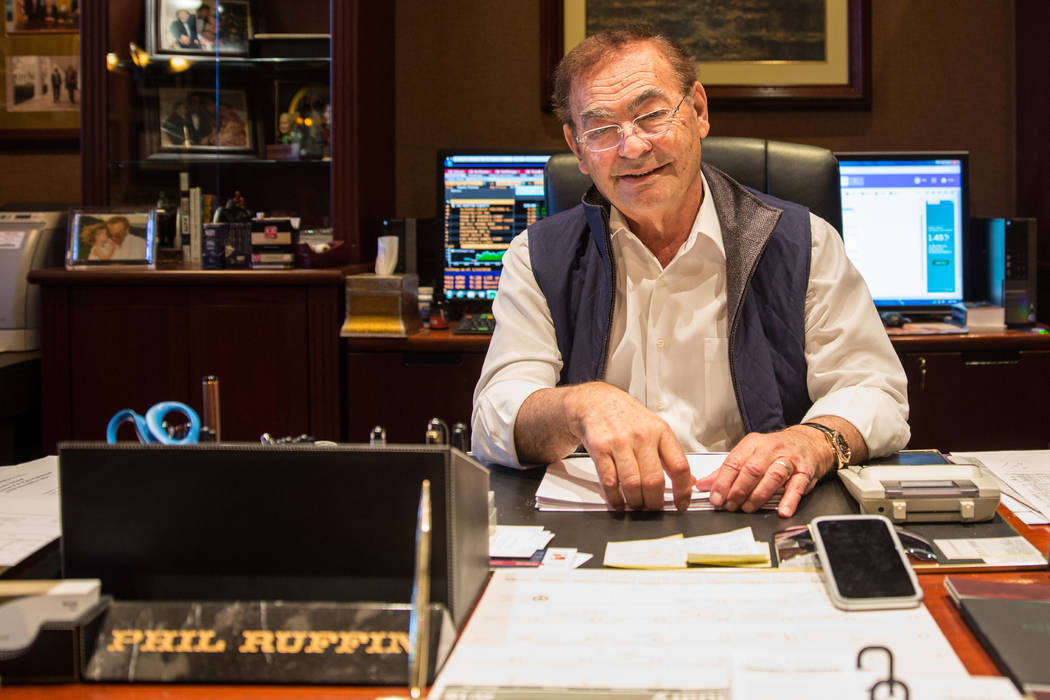
The most recent and significant ownership change for Treasure Island occurred in 2009. In a move that shifted the resort from a large, publicly traded corporation to a more privately held enterprise, Phil Ruffin acquired Treasure Island from MGM Mirage for $775 million. Ruffin, a businessman with extensive experience in the casino and real estate sectors, saw the potential in the strategically located resort.

A Private Owner’s Touch
Under the ownership of Phil Ruffin, Treasure Island has continued to operate as a standalone entity, albeit with a private owner. Ruffin’s acquisition allowed for a more focused approach to management and strategic decisions. While the resort has maintained its core identity and many of its beloved attractions, there have been subtle refinements and updates aimed at enhancing the guest experience and ensuring its competitiveness. The pirate theme, which has been instrumental to its branding, remains a central element. The resort continues to offer a full spectrum of amenities, including its casino, hotel rooms, a variety of restaurants, and entertainment options, catering to a diverse clientele seeking a unique and engaging stay in Las Vegas.
The transition to private ownership under Phil Ruffin has allowed Treasure Island to carve out its niche on the Las Vegas Strip. Its ability to retain its distinctive character while operating within the ever-evolving Las Vegas entertainment scene is a testament to its enduring appeal and its owner’s strategic vision. For travelers looking for a resort with a touch of swashbuckling adventure and a comfortable stay, Treasure Island continues to be a compelling choice, owned and operated with a specific, dedicated approach.
LifeOutOfTheBox is a participant in the Amazon Services LLC Associates Program, an affiliate advertising program designed to provide a means for sites to earn advertising fees by advertising and linking to Amazon.com. Amazon, the Amazon logo, AmazonSupply, and the AmazonSupply logo are trademarks of Amazon.com, Inc. or its affiliates. As an Amazon Associate we earn affiliate commissions from qualifying purchases.