
Navigating the ins and outs of a new city can sometimes feel like deciphering an ancient map, especially when it comes to the seemingly simple act of quenching your thirst. For travelers venturing to the sprawling metropolis of Los Angeles, a common question that arises is: “Can you drink tap water in Los Angeles?” The answer, for the most part, is a resounding yes. However, like many large urban centers, understanding the nuances of Los Angeles tap water involves looking at its source, treatment, quality, and how it compares to bottled alternatives. This guide aims to provide a comprehensive overview, blending essential travel information with insights into the local lifestyle, ensuring your visit to the City of Angels is both enjoyable and informed.

The Purity and Palatability of Los Angeles Tap Water
The journey of tap water in Los Angeles is a testament to sophisticated engineering and stringent public health measures. The city’s water supply is primarily managed by the Los Angeles Department of Water and Power (LADWP), an entity responsible for ensuring a safe and reliable water source for millions of residents and visitors. Understanding where this water comes from and how it’s treated is key to appreciating its drinkability.
Sources of Los Angeles Water: A Complex Network
Los Angeles has historically relied on a diverse range of water sources to meet its immense demand. This multi-pronged approach is crucial for resilience, especially in a region prone to drought.
Colorado River Aqueduct and the State Water Project
A significant portion of Los Angeles’s water originates from distant, often arid regions. The Colorado River Aqueduct is a monumental engineering feat that transports water from the Colorado River to Southern California. Similarly, the State Water Project, another vast network of canals and pipelines, brings water from Northern California. These sources are vital but also subject to the environmental challenges and water rights negotiations inherent in managing scarce resources across multiple states. The quality of water from these sources can vary, necessitating robust treatment processes.
Local Reservoirs and Groundwater
While imported water plays a major role, Los Angeles also utilizes local reservoirs, such as Mono Lake and the Owens Valley, and taps into its groundwater basins. These local sources are crucial for supplementing supply and can sometimes offer a different mineral composition to the overall water blend. The LADWP actively manages these resources to ensure sustainability and quality.
Treatment and Quality Assurance: Meeting High Standards
Once water reaches Los Angeles, it undergoes extensive treatment to meet and exceed federal and state drinking water standards. This multi-stage process is designed to remove impurities, disinfect the water, and ensure it is safe for consumption.
Filtration and Disinfection
The LADWP operates advanced water treatment plants that employ sophisticated filtration techniques to remove suspended particles. Disinfection, typically through chlorination or ozonation, is a critical step to eliminate harmful bacteria and viruses. These processes are continuously monitored to guarantee the water’s safety.
Regular Testing and Monitoring
The quality of tap water is not a static attribute; it is continuously monitored. The LADWP conducts thousands of tests annually at various points in the distribution system, from treatment plants to your tap. These tests analyze for a wide range of potential contaminants, including lead, pesticides, and microbial pathogens. The results are publicly available, offering transparency about the water quality. Los Angeles tap water consistently meets the stringent standards set by the Environmental Protection Agency (EPA) and the California State Water Resources Control Board.
Taste and Perceptions: Beyond Safety
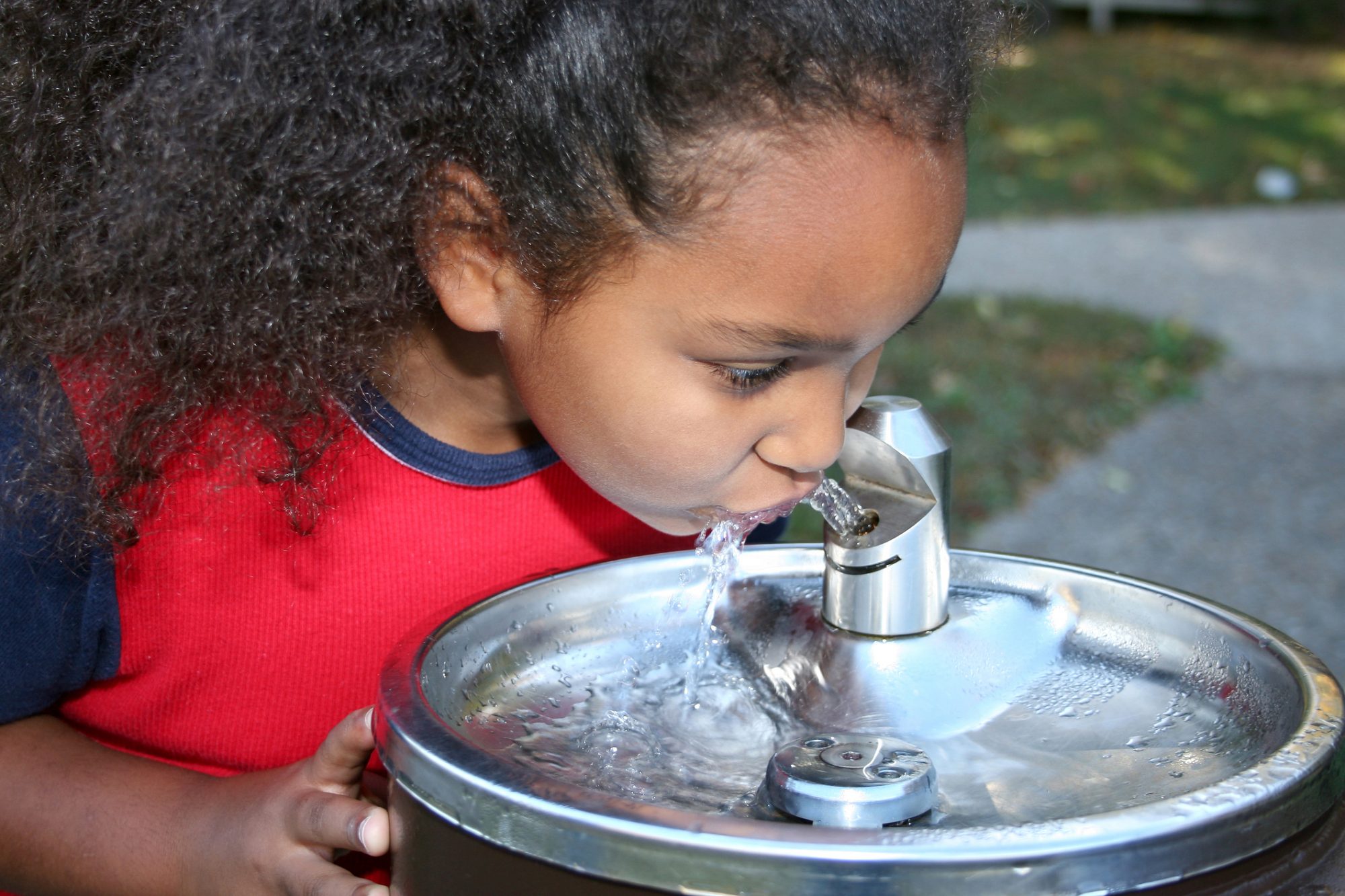
While safety is paramount, the taste of tap water is another factor that influences whether people choose to drink it. The palatability of tap water can be influenced by its mineral content, the presence of chlorine, and the plumbing it travels through.
Mineral Content and Flavor Profiles
The mineral composition of water, often referred to as its “hardness,” can affect its taste. Water from different sources will have varying levels of dissolved minerals like calcium and magnesium. While Los Angeles tap water is safe, some individuals might detect subtle differences in taste compared to water from other regions or bottled water. These differences are generally not indicative of safety concerns but rather a reflection of the water’s origin.
The Chlorine Factor
Chlorine is a common disinfectant used in municipal water systems. While effective in killing pathogens, some people are sensitive to its taste or smell. The LADWP uses chlorine in its disinfection process, and while efforts are made to minimize its residual taste, it can sometimes be noticeable. If the taste of chlorine is a concern, simple solutions like letting the water sit in an open container in the refrigerator for a few hours can help dissipate it.
Concerns about Plumbing and Old Pipes
In older buildings or homes, the plumbing system itself can sometimes impart a taste or introduce contaminants, most notably lead. While the city’s water treatment aims to prevent corrosion of pipes, lead can leach into water from lead service lines or lead solder in older plumbing fixtures. Many hotels and rental accommodations in Los Angeles have updated their plumbing, but if you are staying in an older establishment or an apartment with potentially outdated infrastructure, it might be a consideration. Most reputable hotels, such as the Beverly Wilshire, A Four Seasons Hotel or the Hollywood Roosevelt, adhere to strict maintenance and upgrade protocols to ensure water quality.
Practical Tips for Travelers: Making the Most of Los Angeles Water
For those visiting Los Angeles, making informed choices about hydration is straightforward. The city actively promotes water conservation and offers ample opportunities to access safe drinking water.
Embracing Reusable Water Bottles
In line with the global push towards sustainability and reducing plastic waste, carrying a reusable water bottle is highly recommended. Los Angeles boasts numerous public water fountains, many of which are equipped with bottle fillers, particularly in parks, tourist attractions like Griffith Observatory and along the beaches of Santa Monica. Refilling your bottle is not only environmentally conscious but also cost-effective, especially when exploring various landmarks and neighborhoods.
Hotels and Accommodation: What to Expect
Most hotels in Los Angeles, from budget-friendly options to luxury resorts like The Ritz-Carlton, Los Angeles, provide filtered or potable tap water in their rooms. It is common for rooms to have a faucet that dispenses cold water which is safe to drink. Many high-end hotels also offer complimentary bottled water, but for everyday hydration, the tap is usually a perfectly fine and more sustainable choice. If you have specific concerns, don’t hesitate to ask the hotel staff about their water source and treatment.
Dining Out: The Default Option
When dining in Los Angeles, tap water is typically the default offering when you request water. Restaurants are required to provide safe drinking water. If you prefer something else, such as sparkling water or bottled still water, you will usually need to specify this and may incur an additional charge. Enjoying local cuisine at places like Grand Central Market or a food truck in Arts District often involves a refreshing glass of tap water.
When in Doubt: Water Filters and Bottled Water
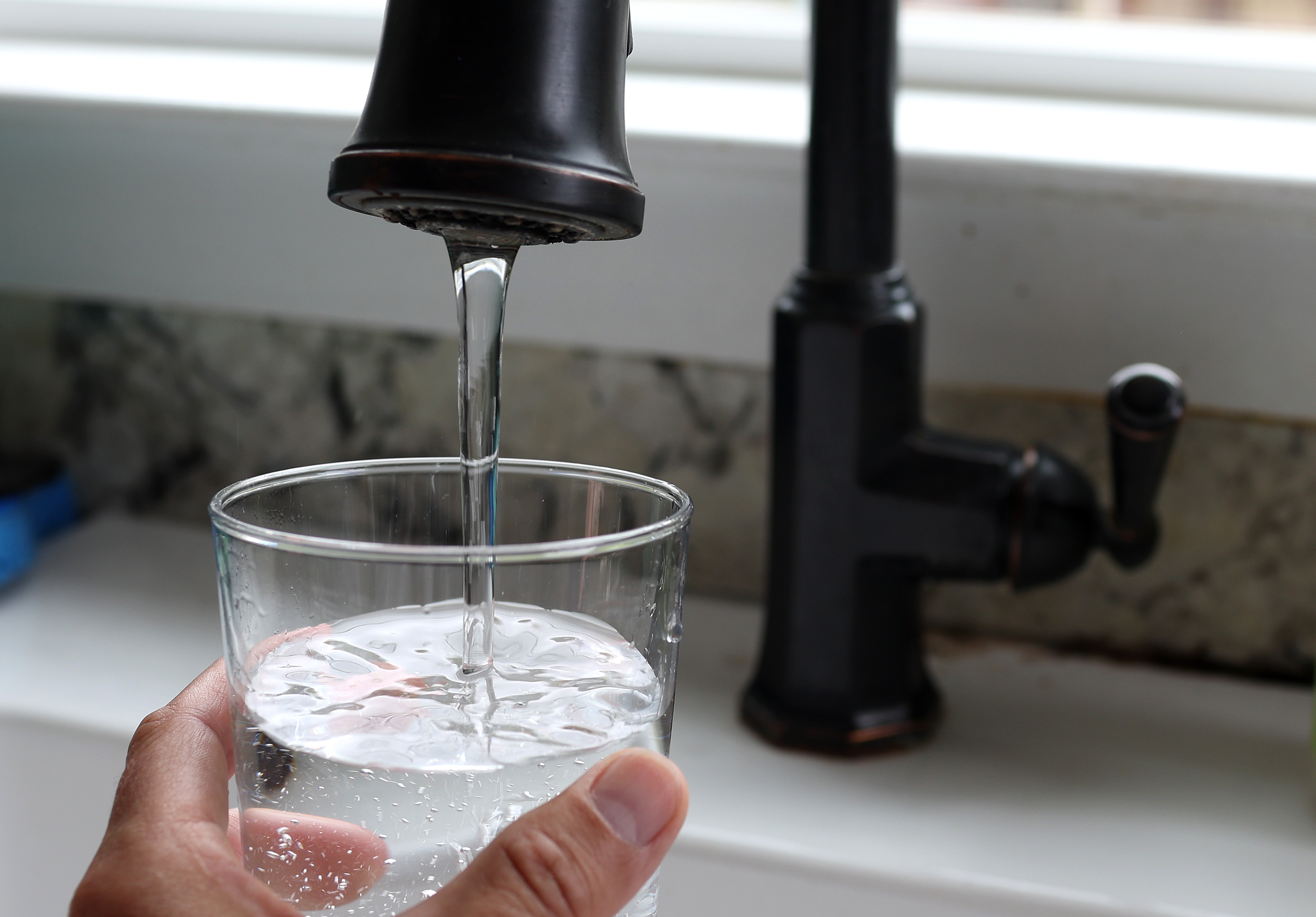
While Los Angeles tap water is generally safe and of good quality, some travelers may have personal preferences or specific health concerns that lead them to seek alternatives. Portable water filters, such as pitcher filters or faucet attachments, can be used to further purify tap water if desired. Bottled water is readily available at supermarkets, convenience stores, and through hotel services. However, considering the environmental impact and cost, it’s generally advisable to opt for tap water when possible.
In conclusion, the answer to “Can you drink tap water in Los Angeles?” is a confident yes. The city’s commitment to water quality, coupled with the widespread availability of public water sources and the standard practice in accommodations and dining, makes tap water a safe, reliable, and eco-friendly choice for your visit. So, as you explore the diverse attractions, from the Hollywood Walk of Fame to the beaches of Malibu, you can stay hydrated with peace of mind, knowing that the water flowing from the tap is a testament to California’s dedication to public health and resource management.
LifeOutOfTheBox is a participant in the Amazon Services LLC Associates Program, an affiliate advertising program designed to provide a means for sites to earn advertising fees by advertising and linking to Amazon.com. Amazon, the Amazon logo, AmazonSupply, and the AmazonSupply logo are trademarks of Amazon.com, Inc. or its affiliates. As an Amazon Associate we earn affiliate commissions from qualifying purchases.