
Navigating the temporal landscape of a new destination can be surprisingly complex, especially when planning travel, booking accommodation, or simply trying to coordinate with friends and family back home. For many, the question “Is Los Angeles in Pacific Time?” is a fundamental one, especially when they consider the vastness of the United States and the presence of multiple time zones. The answer, for the most part, is a resounding yes. The sprawling metropolis of Los Angeles, California, observes the Pacific Time Zone, a fact that significantly impacts everything from flight schedules to business meetings and even your internal clock upon arrival.

This exploration delves into the intricacies of Los Angeles and its temporal alignment. We will unravel what it means to be in the Pacific Time Zone, how it interacts with other time zones, and the practical implications for travelers, residents, and anyone with connections to this iconic city. From understanding daylight saving to appreciating the nuances of time differences, this guide aims to provide a comprehensive understanding of Los Angeles and its place within the global clock.
Understanding the Pacific Time Zone
The Pacific Time Zone, designated as PT, is one of the nine standard time zones in North America. It is observed by the westernmost contiguous states of the United States, as well as parts of Canada and Mexico. Officially, it is referred to as Pacific Standard Time (PST) during the winter months and Pacific Daylight Time (PDT) during the warmer months when daylight saving time is in effect.
Standard Time vs. Daylight Saving Time
The distinction between PST and PDT is crucial for accurate timekeeping.
Pacific Standard Time (PST)
During PST, the time zone is UTC-8. This means it is 8 hours behind Coordinated Universal Time (UTC). For most of the year, from early November to mid-March, Los Angeles operates on PST. This is the “standard” time for the region.
Pacific Daylight Time (PDT)
When daylight saving time begins, typically on the second Sunday in March, the clocks are moved forward by one hour, and the zone becomes PDT, which is UTC-7. This shift allows for an extra hour of daylight in the evenings during spring and summer, making it a popular practice aimed at energy conservation and outdoor recreation. PDT remains in effect until the first Sunday in November.
The transition between PST and PDT is synchronized across most of the United States, but it’s always wise to be aware of the current status if you’re coordinating across significant distances or international borders. For travelers arriving in Los Angeles, understanding whether the city is currently observing PST or PDT will help in adjusting their watches and planning their itineraries accordingly.
Geographic Reach of Pacific Time
The Pacific Time Zone stretches across a significant portion of the western United States. States that observe Pacific Time include:
- California (including Los Angeles, San Francisco, San Diego)
- Oregon
- Washington
- Nevada (most of the state)
- Idaho (northern portion)
This broad geographic coverage means that a large population and many major cities share the same temporal framework as Los Angeles. This simplifies coordination for businesses and individuals operating across these western states.
Time Differences with Other Major Zones
Understanding the time difference between Pacific Time and other major US time zones is essential for effective planning and communication. The primary US time zones, from west to east, are:
- Pacific Time (PT): UTC-8 (PST) / UTC-7 (PDT)
- Mountain Time (MT): UTC-7 (MST) / UTC-6 (MDT)
- Central Time (CT): UTC-6 (CST) / UTC-5 (CDT)
- Eastern Time (ET): UTC-5 (EST) / UTC-4 (EDT)
Here’s how Los Angeles (in PT) typically relates to these zones:
- Los Angeles vs. New York City (Eastern Time): When Los Angeles is on PST, it is 3 hours behind New York City on EST. When Los Angeles is on PDT, it is still 3 hours behind New York City on EDT (because both zones adjust for daylight saving time simultaneously). This 3-hour difference is one of the most commonly referenced time differences in the US.
- Los Angeles vs. Chicago (Central Time): Los Angeles is 2 hours behind Chicago.
- Los Angeles vs. Denver (Mountain Time): Los Angeles is 1 hour behind Denver.
These differences are crucial for scheduling phone calls, booking flights, and understanding when businesses in different parts of the country are open or closed.
Practical Implications for Travelers and Visitors
For anyone planning a trip to Los Angeles, understanding its time zone is more than just a trivia question; it has tangible effects on travel plans, daily activities, and overall experience.
Planning Your Itinerary
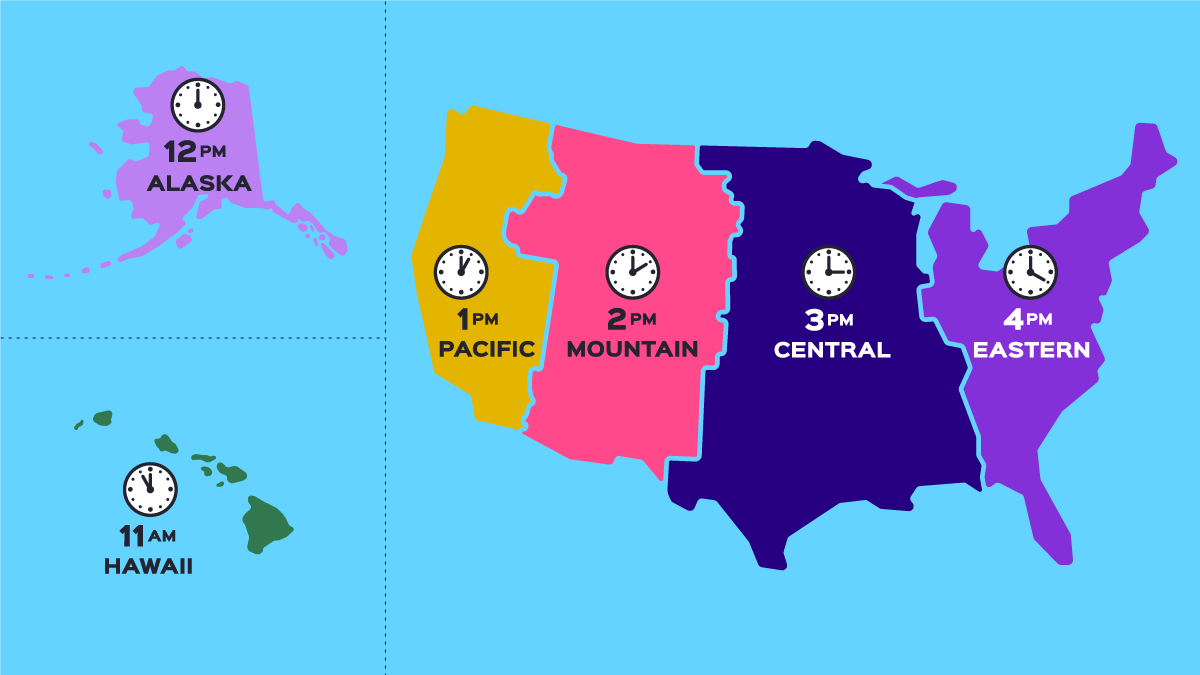
When you book a flight to Los Angeles International Airport (LAX), the arrival and departure times will be listed in Pacific Time. This is particularly important if you are traveling from a different time zone. For example, if you depart from New York City at 9 AM EST, you will arrive in Los Angeles at approximately 12 PM PST (accounting for a 3-hour time difference and flight duration). Miscalculating this can lead to missed flights or unexpected early/late arrivals.
When scheduling tours, restaurant reservations, or events in Los Angeles, always confirm the local time. If you’re booking a tour that departs at 10 AM, it means 10 AM Pacific Time.
Jet Lag and Acclimatization
The impact of time zone changes on your body, commonly known as jet lag, is a significant factor when traveling. Traveling east from Los Angeles to, say, New York, means you “lose” three hours, requiring your body to adjust to earlier waking and sleeping times. Traveling west, conversely, means you “gain” hours, and your body may initially feel tired when it’s still light outside.
For visitors arriving in Los Angeles from the East Coast or Europe, the adjustment is generally to an earlier time. This means you might feel awake and active later than you are accustomed to initially. Conversely, those coming from further west, like Hawaii (which observes Hawaii Standard Time, UTC-10, and does not observe daylight saving), will find Los Angeles to be ahead.
Tips for acclimatizing include:
- Adjust your watch upon arrival: Immediately set your watch to Pacific Time to start your mental adjustment.
- Embrace local meal times: Eat meals at the times locals do in Los Angeles.
- Seek natural light: Exposure to sunlight during the day helps regulate your body’s internal clock.
- Stay hydrated: Dehydration can exacerbate jet lag symptoms.
Business and Communication
For businesses operating with partners or clients in Los Angeles, maintaining awareness of the Pacific Time Zone is critical. Scheduling virtual meetings requires careful consideration of the time differences to ensure all participants can attend comfortably. For instance, a meeting scheduled for 10 AM PST would be 1 PM EST in New York, 12 PM CST in Chicago, and 11 AM MST in Denver.
Furthermore, understanding business hours is vital. A call to a business in Los Angeles at 4 PM PST would be 7 PM EST in New York, meaning they might already be closed.
Experiencing Los Angeles by the Clock
The rhythm of Los Angeles is intrinsically linked to its temporal setting. From the bustling mornings in Downtown Los Angeles to the vibrant evenings on the Santa Monica Pier, the clock dictates the flow of activity.
Morning Activities and Attractions
As the sun rises on the West Coast, Los Angeles begins its day. Many iconic attractions, like Griffith Observatory, open their doors early to allow visitors to catch breathtaking views as the city awakens. Farmers’ markets, a staple of Californian lifestyle, are often in full swing by mid-morning, offering fresh produce and local delicacies.
For those interested in theme parks like Disneyland Park or Universal Studios Hollywood, the gates typically open around 9 AM or 10 AM Pacific Time, allowing guests to maximize their day of adventure.
Afternoon Exploration and Entertainment
The afternoon in Los Angeles is a prime time for exploring its diverse neighborhoods, visiting world-class museums such as the Getty Center or the Los Angeles County Museum of Art (LACMA), or simply enjoying the beaches. The extended daylight hours during PDT make afternoons particularly appealing for outdoor activities.
Dining experiences in Los Angeles can range from quick bites in the afternoon to leisurely dinners as evening approaches. Many restaurants operate with continuous service, but reservations are often recommended, especially for popular spots.
Evening and Nightlife
As the day winds down, Los Angeles truly comes alive. The entertainment capital of the world offers a plethora of evening activities. From catching a live performance at the Hollywood Bowl to experiencing the vibrant nightlife in areas like West Hollywood or Downtown LA, the city caters to all tastes.
Movie premieres, concerts, and sporting events are common evening occurrences. Understanding Pacific Time ensures you know precisely when to arrive and when to expect the main events to start, allowing you to plan your evening seamlessly, whether you’re staying at a luxury resort like The Beverly Hills Hotel or a cozy apartment rental.
Embracing the Pacific Lifestyle
Being in the Pacific Time Zone influences the overall lifestyle in Los Angeles. The later sunsets, especially during PDT, encourage an active evening culture. People often enjoy dinner, catch a sunset, and then engage in evening entertainment. This “later” pace can be a welcome change for visitors accustomed to earlier evenings.
The connection to the Pacific Ocean also plays a role, with many activities, from surfing at Malibu to sunset walks along the coast, extending into the evening hours. The relaxed yet dynamic tempo of life in Los Angeles is, in many ways, a reflection of its position on the western edge of the continent and its adherence to the Pacific Time Zone.
In conclusion, the answer to “Is Los Angeles in Pacific Time?” is a definitive yes. This temporal setting is an integral part of the city’s identity, shaping its daily rhythms, influencing travel plans, and contributing to its unique lifestyle. Whether you’re planning a dream vacation to explore its iconic landmarks, seeking the perfect accommodation, or simply wishing to understand the temporal heartbeat of this remarkable city, recognizing its place within the Pacific Time Zone is a crucial first step.
LifeOutOfTheBox is a participant in the Amazon Services LLC Associates Program, an affiliate advertising program designed to provide a means for sites to earn advertising fees by advertising and linking to Amazon.com. Amazon, the Amazon logo, AmazonSupply, and the AmazonSupply logo are trademarks of Amazon.com, Inc. or its affiliates. As an Amazon Associate we earn affiliate commissions from qualifying purchases.