
Navigating the financial landscape of any destination, especially one as vibrant and sprawling as Los Angeles County, involves understanding its tax structure. For travelers, business owners, and residents alike, knowing the applicable sales tax is crucial for budgeting, pricing, and overall financial planning. This article delves into the intricacies of the sales tax in Los Angeles County, exploring its components, how it’s calculated, and what it means for various aspects of life and travel within this iconic region.
The sales tax in Los Angeles County isn’t a single, straightforward rate. Instead, it’s a composite figure, a sum of various state, county, and district taxes levied on the sale of tangible personal property and certain services. This complexity arises from the layered governance and the specific needs and initiatives funded by these various tax streams. For visitors planning a stay in a luxury resort like The Beverly Hills Hotel, looking to indulge in fine dining, or perhaps purchasing souvenirs from the Santa Monica Pier, understanding this tax is essential to avoid any surprises when the bill arrives.
Understanding the Components of Los Angeles County Sales Tax
The sales tax rate in Los Angeles County is a mosaic, built from contributions at different governmental levels. At its core is the state sales tax, set by the State of California. This forms the foundational rate upon which other taxes are added.
State Sales Tax
The California Department of Tax and Fee Administration (CDTFA) administers the state sales and use tax program. The statewide rate is subject to change by the legislature, but it serves as the baseline for all transactions within the state. This portion of the tax is what funds general state government operations, from infrastructure projects to public services.
County and District Taxes
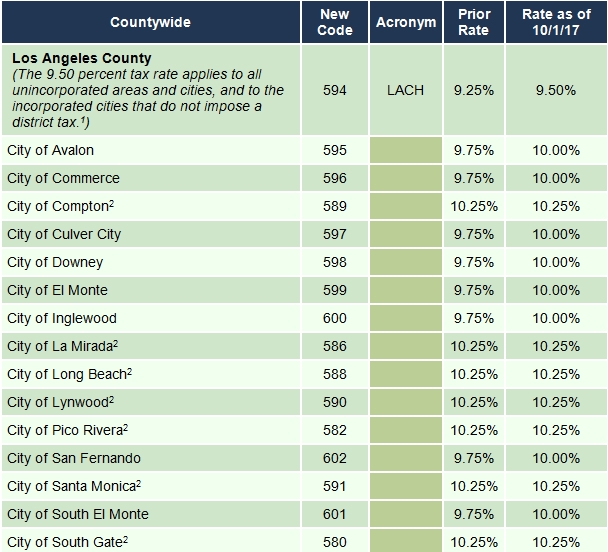
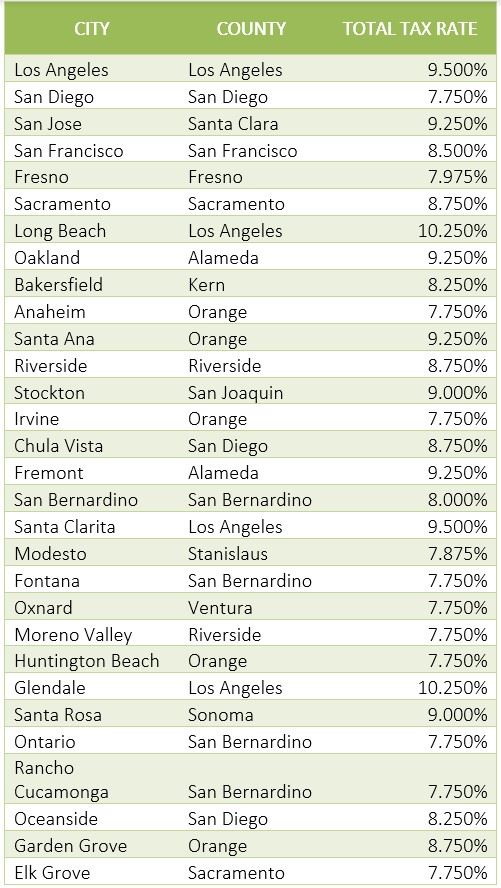
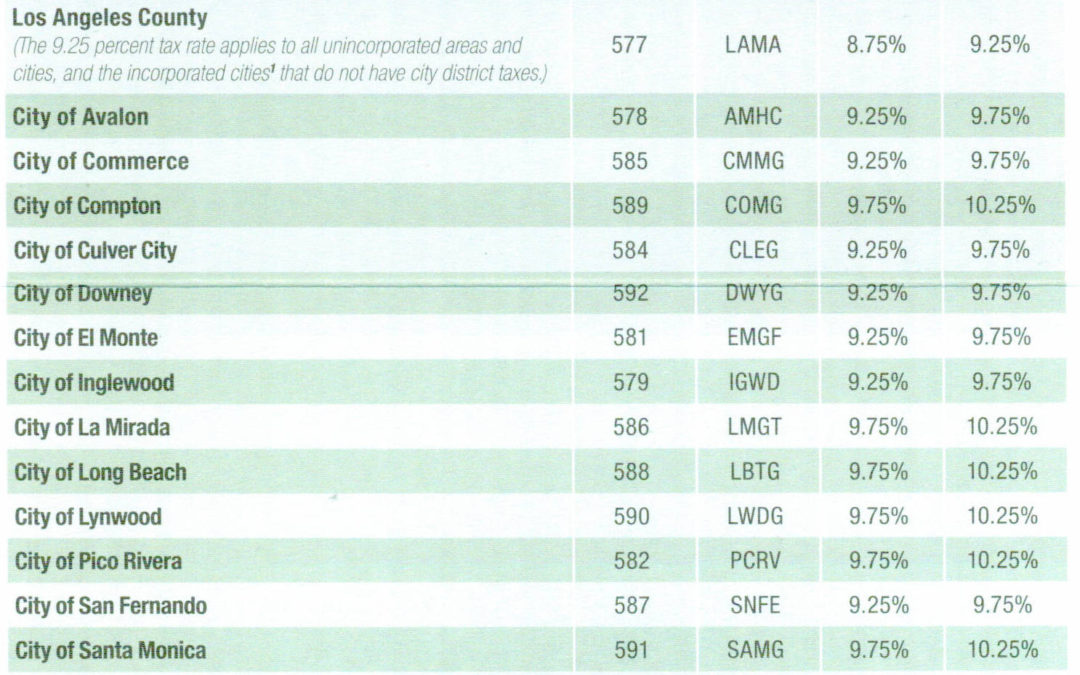
Beyond the state rate, Los Angeles County levies its own portion, and various special districts within the county have also implemented their own taxes. These district taxes are often voter-approved and are earmarked for specific purposes, such as improving public transportation, funding local schools, or enhancing public safety. This is where the rate can vary significantly even within Los Angeles County, depending on the specific city or unincorporated area. For example, a purchase made in the city of Los Angeles might have a different total sales tax rate than one made in Long Beach or Pasadena, even though they all fall under the umbrella of Los Angeles County.
These district taxes are crucial for understanding the overall burden. They can include transportation improvement taxes, local initiatives for parks and recreation, or even taxes supporting specific infrastructure projects. The CDTFA is responsible for collecting these district taxes on behalf of the local jurisdictions, ensuring that the funds are distributed appropriately.
Common District Tax Examples:
- County Transportation Tax: A significant portion of the sales tax in many areas funds local transportation initiatives, aiming to improve roads, public transit, and reduce traffic congestion, a common concern for anyone exploring attractions like the Griffith Observatory.
- City-Specific Taxes: Some incorporated cities within Los Angeles County have enacted their own local sales taxes to fund municipal services, enhancing the quality of life for residents and visitors.
- Special District Taxes: These can be for a variety of purposes, from library services to environmental protection, often benefiting specific neighborhoods or regions.
The exact combination of state, county, and district taxes results in the final, all-encompassing sales tax rate applicable to a particular transaction. This is why it’s not uncommon to see different tax rates applied to purchases made just a few miles apart within the county.
Calculating and Applying the Sales Tax
Once you understand the components, the next step is to grasp how the sales tax is actually calculated and applied to purchases. This involves identifying what is taxable, determining the correct rate, and then applying it to the sale price.
Determining the Taxable Base
Generally, sales tax in Los Angeles County applies to the retail sale of tangible personal property. This includes everything from clothing and electronics to restaurant meals and hotel stays. However, there are exceptions and nuances.
Examples of Taxable Goods and Services:
- Retail Goods: Apparel, electronics, furniture, books, and most items purchased from brick-and-mortar stores or online retailers operating within California.
- Restaurant Meals and Prepared Food: Food purchased from restaurants, cafes, and catering services is typically subject to sales tax.
- Hotel Stays: Occupancy taxes are often a combination of sales tax and specific lodging taxes, applied to the cost of renting a hotel room, whether it’s a budget motel or a luxury suite at The Ritz-Carlton, Los Angeles.
- Certain Services: While the primary focus is on tangible goods, some services are also subject to sales tax in California. This can include things like repair services, cleaning services, and some professional services, though specific exemptions apply.
It’s important for businesses to understand these classifications to accurately charge customers. For consumers, knowing what to expect on their bill can help manage expectations, especially when making larger purchases or planning extended stays in accommodations like apartments or villas.
The Application of the Rate
The sales tax is calculated by multiplying the taxable selling price of the item or service by the applicable combined sales tax rate for the location of the sale. For instance, if an item costs $100 and the combined sales tax rate in that specific part of Los Angeles County is 9.5%, the sales tax would be $9.50, making the total cost $109.50.
Key Considerations for Calculation:
- Location, Location, Location: The sales tax rate is determined by the physical location of the business where the sale occurs or where the item is delivered, especially for online sales. This is why it’s crucial for businesses to know the correct tax jurisdiction for each of their operating locations.
- Use Tax: For items purchased out-of-state for use within California where sales tax was not collected, a “use tax” is generally due. This is essentially equivalent to the sales tax rate and is intended to prevent consumers from avoiding California taxes by shopping elsewhere.
- Exemptions: Certain items and transactions may be exempt from sales tax. These can include most groceries (unprepared food), prescription medications, and items purchased by qualified non-profit organizations or government agencies.
Businesses are responsible for collecting the sales tax from consumers and remitting it to the CDTFA. This involves accurate record-keeping and regular filings, often on a quarterly or monthly basis, depending on the volume of sales. For many small businesses operating in popular tourist areas near attractions like Universal Studios Hollywood, managing these tax obligations is a significant part of their operational duties.
Impact of Sales Tax on Tourism and Lifestyle
The sales tax in Los Angeles County has a tangible impact on various aspects of life, particularly for those involved in tourism, hospitality, and general lifestyle choices. From the cost of a vacation to the pricing of luxury goods, the tax is an ever-present factor.
Budgeting for Travel and Experiences
For tourists planning a trip to Los Angeles to explore its diverse attractions, from the glamorous streets of Beverly Hills to the artistic enclaves of Downtown Los Angeles, the sales tax adds to the overall cost of their experience. Whether it’s dining at a renowned restaurant, purchasing tickets for an amusement park like Disneyland (which is technically in Orange County but heavily influences LA tourism), or buying souvenirs, the final price will include the applicable sales tax.
This means that travelers need to factor sales tax into their budgets. A weekend getaway can quickly become more expensive when accounting for taxes on accommodation, dining, shopping, and entertainment. Understanding the general tax rate in the areas they plan to visit allows for more accurate financial planning. For those seeking budget travel options, being aware of this added cost is even more important.
Business Operations and Pricing Strategies
Businesses operating within Los Angeles County, whether it’s a boutique hotel in West Hollywood, a restaurant in Santa Monica, or an online retailer, must incorporate sales tax into their pricing strategies. This includes:
- Setting Prices: Businesses must decide whether to price their goods and services to include the sales tax or to list prices before tax and add it at the point of sale. Many consumer-facing businesses opt for the latter.
- Compliance: Adhering to CDTFA regulations for collecting and remitting sales tax is non-negotiable. Non-compliance can result in significant penalties and interest.
- Competitive Landscape: The sales tax rate can influence purchasing decisions. Businesses in areas with higher tax rates might face a slight disadvantage compared to those in jurisdictions with lower rates, although factors like product quality, location, and customer service often play a more significant role.
For businesses in the accommodation sector, such as apartment rentals or long-term stay facilities, accurately calculating and charging taxes on the rental income is a routine but vital task. This applies whether a guest is staying for a week or a month.
The Role of District Taxes in Local Development
The district taxes, though often increasing the overall sales tax burden, play a vital role in funding local improvements and services that enhance the quality of life and the attractiveness of Los Angeles County as a destination. These taxes can support:
- Public Transportation: Funding for projects like the expansion of the Los Angeles Metro rail system or improved bus services, making it easier for residents and visitors to navigate the vast county.
- Infrastructure: Investments in roads, bridges, and public facilities, contributing to a more functional and pleasant urban environment.
- Cultural and Recreational Facilities: Support for museums, parks, libraries, and community centers that enrich the lifestyle offerings of the region.
While the sales tax can seem like an additional expense, understanding its purpose in funding these essential services provides a broader perspective. For residents, it’s a contribution to their community; for visitors, it’s a part of experiencing a well-supported and vibrant locale, from the historic buildings in Old Pasadena to the natural beauty of the Santa Monica Mountains.
In conclusion, the sales tax in Los Angeles County is a multi-layered system that impacts everyone. By understanding its components, how it’s calculated, and its effects on both consumer spending and business operations, individuals can navigate financial transactions more effectively and appreciate the role these taxes play in shaping the dynamic landscape of this iconic Southern California region.
LifeOutOfTheBox is a participant in the Amazon Services LLC Associates Program, an affiliate advertising program designed to provide a means for sites to earn advertising fees by advertising and linking to Amazon.com. Amazon, the Amazon logo, AmazonSupply, and the AmazonSupply logo are trademarks of Amazon.com, Inc. or its affiliates. As an Amazon Associate we earn affiliate commissions from qualifying purchases.