
For visitors to Los Angeles, understanding the rhythm of local life often involves appreciating its diverse cultural and religious tapestry. Among the many vibrant communities that call Southern California home, the Jewish community stands out for its rich history and deep-rooted traditions. A frequent question, particularly for observant Jewish travelers or those simply curious about local customs, revolves around Shabbat, the Jewish Sabbath. Knowing “What time is Shabbat over in Los Angeles?” is more than just a time-check; it’s a gateway to understanding local culture, planning activities, and respecting the observances of a significant portion of the city’s population.
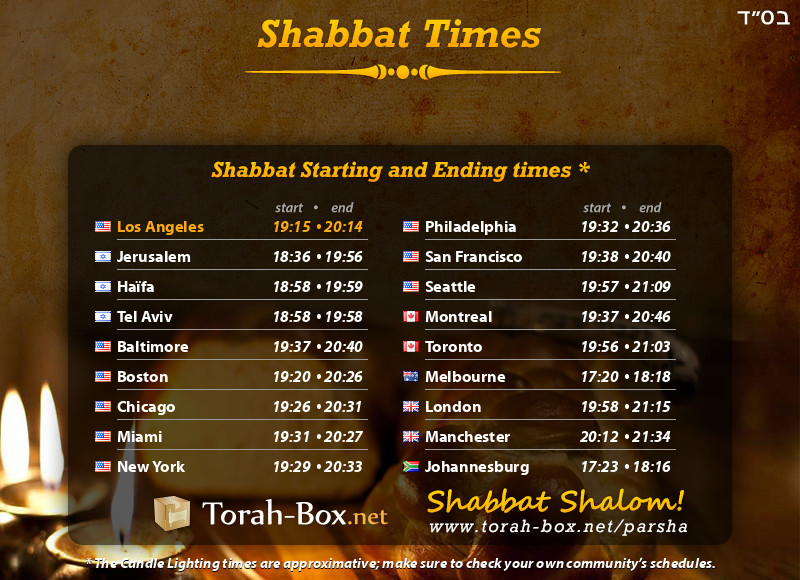
Shabbat, a weekly day of rest and spiritual introspection, begins at sunset on Friday evening and concludes after nightfall on Saturday evening. During this period, observant Jews refrain from certain activities, including work, driving, using electricity (in a conventional sense), and engaging in commerce. As such, the cessation of Shabbat marks a significant transition, signaling the return to regular weekday activities, the reopening of businesses that may have closed, and the resumption of travel and entertainment for many. This article delves into the specifics of Shabbat end times in Los Angeles, offering insights for tourists on how to navigate and appreciate this unique cultural facet of the city.
Understanding Shabbat in Los Angeles: A Cultural Insight for Visitors
Los Angeles boasts one of the largest and most dynamic Jewish communities outside of New York and Israel. From Orthodox enclaves in the Pico-Robertson area to Reform congregations spanning West Hollywood and Santa Monica, Jewish life profoundly enriches the city’s cultural landscape. For tourists, understanding Shabbat offers a unique lens through which to view and interact with this vibrant community.
The Significance of Shabbat
Shabbat, meaning “rest” in Hebrew, is a cornerstone of Jewish life, commemorating God’s day of rest after creating the world. It is a time for families to gather, share meals, attend synagogue services, and engage in spiritual reflection, away from the hustle and bustle of daily life. The observance creates a distinct atmosphere within Jewish neighborhoods, where the pace slows, and a palpable sense of peace descends. For a tourist, recognizing this period allows for a more respectful and insightful exploration of areas with a high concentration of Jewish residents and institutions.
How Shabbat Observance Impacts Local Life and Tourism
During Shabbat, particularly in areas like Pico-Robertson, the Fairfax District, and parts of Beverly Hills, you will notice a shift. Many kosher restaurants and Jewish-owned businesses will be closed from Friday afternoon until Saturday evening. Streets might be quieter, and observant families can be seen walking to and from synagogues. This temporary pause in commercial activity is not an inconvenience but a testament to a deeply held tradition. For tourists, it means planning restaurant reservations, shopping excursions, or visits to certain attractions with an awareness of these timings. Knowing when Shabbat concludes is therefore essential for resuming a full range of activities, especially if one wishes to explore the city’s kosher culinary scene or engage with businesses in these vibrant neighborhoods once they reopen.
Pinpointing Shabbat End Times in Los Angeles
Determining the exact moment Shabbat concludes in Los Angeles involves astronomical calculations and specific religious guidelines. It’s not a fixed clock time but rather a dynamic event tied to the sun’s position.
The Astronomical Basis: Sunset and Tzeit HaKochavim
Shabbat officially begins at sunset on Friday and ends at nightfall (known as tzeit ha’kochavim, or “the appearance of three stars”) on Saturday. While sunset marks the beginning, the end time is generally observed approximately 40-72 minutes after sunset on Saturday, depending on the specific rabbinic opinion followed and the season. This period ensures that Shabbat is fully observed, allowing enough time for stars to become visible, indicating the true arrival of night. Because Los Angeles is a sprawling metropolitan area, these times are calculated based on the precise geographical coordinates, specifically the latitude and longitude, which results in minor variations across different parts of the city.
Key Factors Influencing Daily Times
The end time of Shabbat is not static; it changes every week of the year. The primary factors influencing this time include:
- The Date: As the Earth revolves around the sun, the time of sunset and subsequent nightfall shifts daily. Days are longer in the summer, pushing Shabbat end times later, while winter days are shorter, leading to earlier conclusions.
- Geographical Location: While Los Angeles is generally considered a single location for these purposes, extremely precise calculations might show minute differences between, say, Santa Monica on the coast and the San Fernando Valley due to slight variations in longitude. However, for practical purposes, one consistent time is generally published for the greater Los Angeles area.
- Daylight Saving Time: During Daylight Saving Time, which California observes, the clock is moved forward by an hour. This naturally shifts the observed clock time for sunset and Shabbat end later in the day, even though the astronomical event itself remains unchanged relative to solar time. All published times will account for Pacific Standard Time or Pacific Daylight Time.
Reliable Resources for Current Times
For the most accurate and up-to-date Shabbat times in Los Angeles, tourists should consult reliable Jewish calendars or websites. Many synagogues and Jewish organizations publish weekly schedules. Key resources include:
- Chabad.org: Offers a comprehensive Shabbat candle-lighting and end-time calculator for any location worldwide.
- OU.org (Orthodox Union): Provides similar resources for Jewish communities.
- Local Synagogue Websites: Many local synagogues in Los Angeles (e.g., Young Israel of Century City, Beth Jacob Congregation) will have weekly bulletins or dedicated sections on their websites listing Shabbat times.
A quick online search for “Shabbat times Los Angeles” for the specific date will yield numerous accurate results. Always double-check with a trusted source to ensure you have the most precise time for your visit.
Navigating Los Angeles During and After Shabbat for Tourists
Armed with the knowledge of Shabbat timings, tourists can better plan their Los Angeles itinerary to fully experience the city’s offerings, respecting local customs while maximizing their visit.
Shabbat-Friendly Activities and Neighborhoods
During Shabbat itself (from Friday sunset to Saturday nightfall), many Jewish-owned businesses will be closed. However, this doesn’t mean Los Angeles grinds to a halt. Many non-Jewish establishments, tourist attractions, and public spaces remain open.
- Outdoor Activities: Los Angeles offers numerous parks, beaches, and hiking trails that are perfect for a relaxed Shabbat day. Consider a stroll along Santa Monica Beach, a hike in Griffith Park (leading to the Griffith Observatory), or exploring the botanical gardens at the Huntington Library.
- Museums & Galleries: Most major museums, such as the Getty Center, LACMA, or the Broad Museum, operate on regular schedules, though it’s always wise to check their specific hours. The Skirball Cultural Center and the Museum of Tolerance, while Jewish-themed, also have their own operating hours which may differ from traditional Shabbat observance for visitors.
- Neighborhood Walks: Explore neighborhoods like Hollywood (e.g., the Hollywood Walk of Fame), Venice Beach, or Downtown Los Angeles, where a variety of shops and restaurants remain open.
Post-Shabbat Dining and Entertainment Options
Once Shabbat concludes on Saturday evening, a vibrant energy returns to the Jewish neighborhoods. This is a prime opportunity for tourists to experience specific cultural activities:
- Melaveh Malka: While traditionally a home-based meal, the “escorting the Queen” (Shabbat) meal often extends to communal gatherings or the reopening of kosher restaurants. Many kosher eateries in Pico-Robertson and the Fairfax District will typically reopen an hour or so after Shabbat ends, bustling with families eager to enjoy a meal out. This is an excellent time to savor authentic Jewish cuisine, from falafel to deli sandwiches.
- Shopping & Entertainment: Retail centers like The Grove and the Original Farmers Market are popular post-Shabbat destinations. Movie theaters, concert venues, and other entertainment options across the city will also be fully operational, offering a wide array of choices for a Saturday night out.
Embracing Jewish Culture in Los Angeles Beyond Shabbat
While understanding Shabbat is a key piece of cultural awareness, Los Angeles offers much more to those interested in exploring Jewish culture in depth.
Exploring Jewish Los Angeles
- Museum of Tolerance: Located in Pico-Robertson, this museum offers a powerful experience focused on the Holocaust and global human rights issues, promoting understanding and respect.
- Skirball Cultural Center: Situated in the hills overlooking the 405 freeway, the Skirball Cultural Center is a vibrant institution celebrating American Jewish life, history, and the pursuit of justice. It features engaging exhibitions, family programs, and a beautiful outdoor garden.
- Holocaust Museum LA: Located in Pan Pacific Park near the Original Farmers Market, this museum offers a poignant tribute to Holocaust survivors and their stories, providing a crucial educational experience.
- Synagogues and Centers: Many synagogues across Los Angeles host open events, lectures, or community programs that welcome visitors. Researching local Jewish community centers can also reveal classes, performances, or festivals.
Engaging with Local Jewish Communities
The Jewish community in Los Angeles is incredibly diverse, encompassing various denominations and cultural backgrounds. For those interested in deeper engagement, consider:
- Kosher Food Tours: Some local tour operators or even informal guides offer culinary explorations of Pico-Robertson or the Fairfax District, introducing visitors to kosher delis, bakeries, and markets.
- Cultural Events: Keep an eye on local Jewish community calendars for festivals, film screenings, or concerts that celebrate Jewish arts and heritage. These events are excellent opportunities to mingle with locals and experience the community’s warmth firsthand.
Practical Tips for a Seamless Los Angeles Experience
For tourists, incorporating an understanding of Shabbat into their travel plans for Los Angeles can greatly enhance their experience.
Planning Ahead
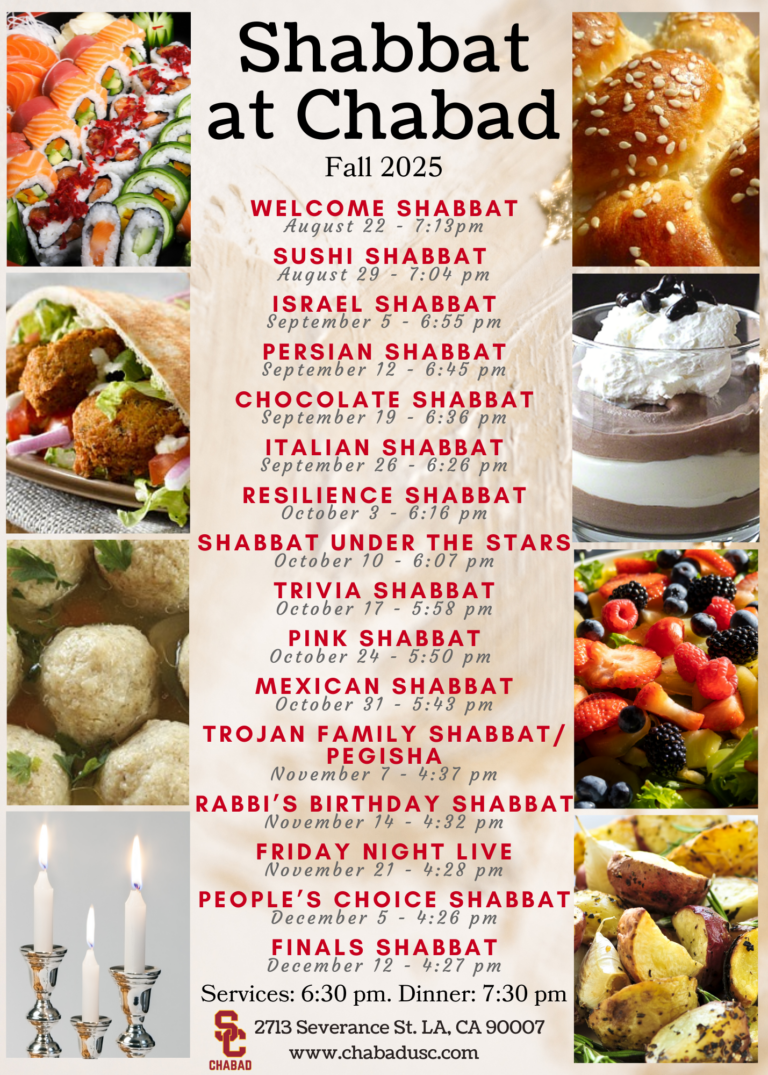
- Check Shabbat Times: Always consult a reliable online resource for the specific Shabbat candle-lighting and end times for the dates of your visit. This is the single most important step.
- Research Business Hours: If you plan to dine at a kosher restaurant or shop in a Jewish-owned store, confirm their Shabbat hours in advance. Many will post specific Friday closure and Saturday reopening times.
- Transportation: Be mindful that public transportation in Los Angeles operates on a less frequent schedule on weekends. While driving is an option for non-observant visitors, traffic can still be a factor, particularly in popular areas.
Respecting Local Customs
- Quiet in Observant Neighborhoods: If you find yourself in a predominantly Jewish neighborhood on Shabbat, especially on Friday night or Saturday day, try to maintain a respectful quiet. You may notice families walking, and it’s customary to respect their day of rest.
- Engage with Curiosity: If you have questions about Shabbat or Jewish culture, approach members of the community with respect and genuine curiosity. Many are happy to share insights into their traditions.
By understanding what time Shabbat is over in Los Angeles and appreciating its cultural significance, visitors can gain a richer, more nuanced perspective of this incredible city. It’s an opportunity not just to tick off tourist attractions but to connect with the living traditions and diverse communities that make Los Angeles truly unique.
LifeOutOfTheBox is a participant in the Amazon Services LLC Associates Program, an affiliate advertising program designed to provide a means for sites to earn advertising fees by advertising and linking to Amazon.com. Amazon, the Amazon logo, AmazonSupply, and the AmazonSupply logo are trademarks of Amazon.com, Inc. or its affiliates. As an Amazon Associate we earn affiliate commissions from qualifying purchases.