
The roar of the crowd, the crack of the bat, the quintessential American pastime – baseball in Los Angeles is synonymous with the Los Angeles Dodgers. But for many, especially those who might be new to the city or its rich sporting history, a fundamental question arises: when exactly did this iconic franchise plant its roots in Southern California? The answer to “What year did the Los Angeles Dodgers move to Los Angeles?” is a pivotal moment in the city’s cultural and sporting landscape, marking the beginning of a legacy that continues to this day.
The journey of the Los Angeles Dodgers from their original home to their current Californian abode is a story intertwined with ambition, urban development, and the ever-present allure of a sun-drenched metropolis. While the team is now an inseparable part of Los Angeles, their arrival wasn’t instantaneous but rather a carefully orchestrated relocation that reshaped the fan base and the very fabric of baseball in the region. Understanding this transition offers not only a historical insight into the team but also a glimpse into the broader migration patterns of professional sports franchises seeking new markets and greater opportunities.
The Genesis of a West Coast Dynasty
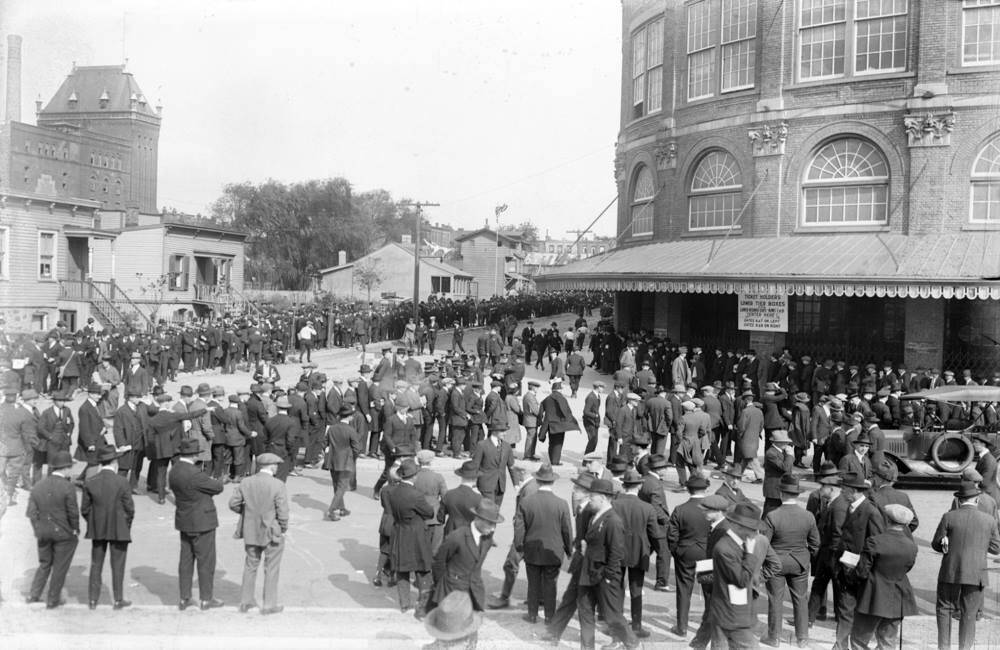
The move of the Los Angeles Dodgers to Los Angeles is a tale that begins with Walter O’Malley, the visionary owner who saw immense potential in the burgeoning West Coast. O’Malley purchased the team, then known as the Brooklyn Dodgers, in 1950. At the time, the Brooklyn Dodgers were a beloved institution in New York City, playing their home games at Ebbets Field. However, O’Malley began to envision a grander future for his franchise, one that extended beyond the confines of their aging stadium and the increasingly saturated sports market of New York.
The primary catalyst for O’Malley’s ambitious relocation was the desire for a new, state-of-the-art ballpark. Ebbets Field, while steeped in history and nostalgia, was becoming outdated. Furthermore, O’Malley faced significant challenges in securing a suitable location for a modern stadium within Brooklyn. The urban landscape of New York City at the time presented considerable obstacles in terms of land acquisition and development. This paved the way for O’Malley to explore alternative markets, and his gaze soon fell upon the rapidly expanding and economically vibrant city of Los Angeles.
The California Dream and the Promise of a New Frontier
Los Angeles in the mid-20th century was a city experiencing unprecedented growth. Its population was booming, fueled by post-war prosperity, a burgeoning aerospace industry, and the undeniable appeal of its climate and lifestyle. The city lacked a Major League Baseball franchise, and the prospect of bringing a team with the pedigree and history of the Brooklyn Dodgers was an exciting proposition for city officials and potential fans alike. This created a fertile ground for O’Malley’s vision.
The negotiations and planning that led to the move were complex, involving extensive discussions with civic leaders and developers. O’Malley was not merely seeking a new stadium; he was looking to build a baseball empire, complete with a comprehensive development plan that included housing, entertainment, and a hotel. This grand vision was a significant departure from the traditional stadium development of the era and showcased O’Malley’s forward-thinking approach. He recognized the potential for a symbiotic relationship between a professional sports team and urban development, a concept that has become increasingly prevalent in modern sports city planning.
The year that cemented this monumental shift was 1958. It was in 1958 that the Los Angeles Dodgers officially relocated from Brooklyn, New York to Los Angeles. This marked the first time a Major League Baseball team had permanently moved from the East Coast to the West Coast, a pioneering step that would soon be followed by other franchises. The team, while retaining its iconic blue and white colors and much of its core identity, began a new chapter under the vibrant California sun.
A New Home and a Lasting Legacy
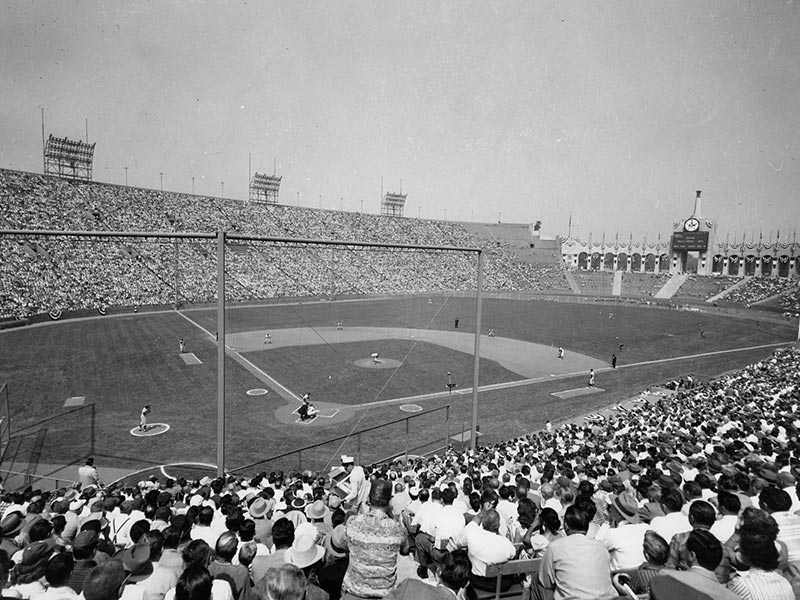
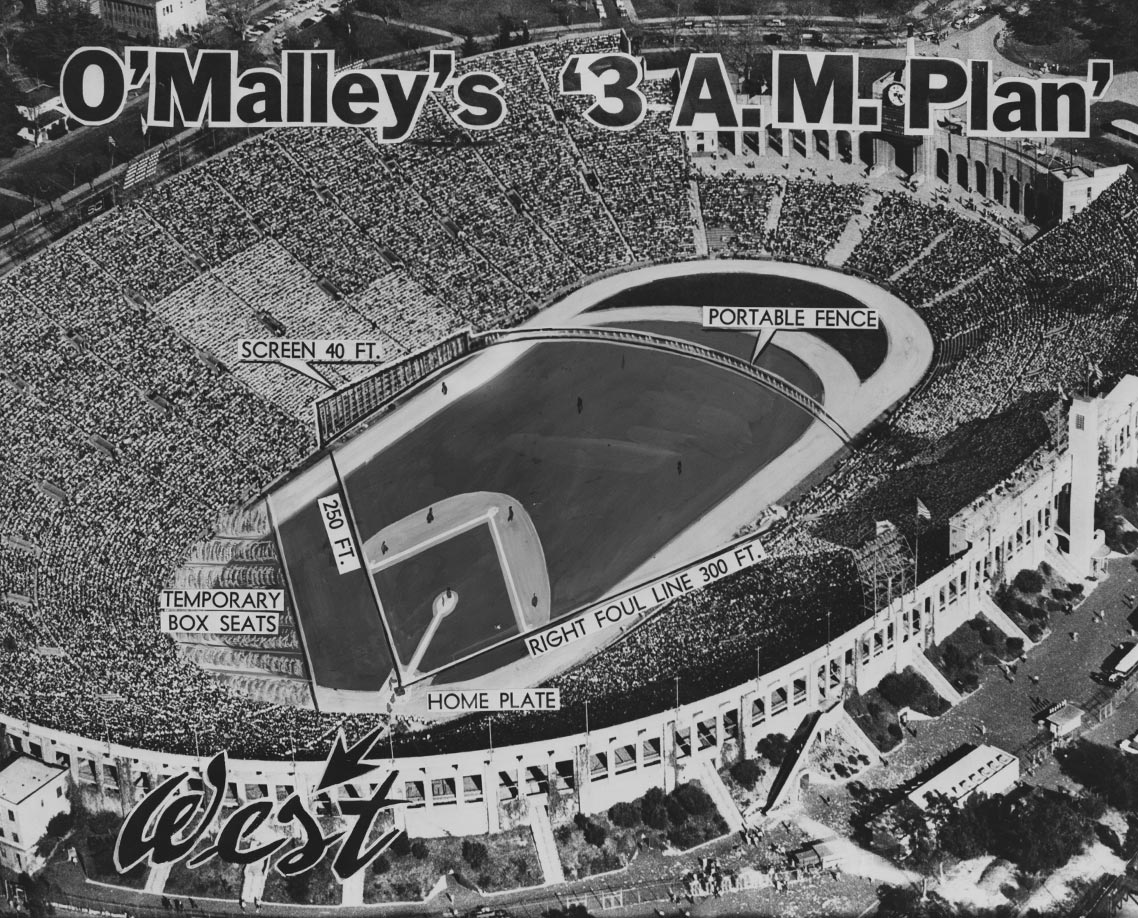
The arrival of the Los Angeles Dodgers in 1958 was met with widespread enthusiasm. The team played its first few seasons in the historic Los Angeles Memorial Coliseum, a venue originally built for the 1932 Summer Olympics. While the Coliseum was a grand structure, it presented unique challenges for baseball, most notably its immense foul territory. However, the novelty and excitement of having a Major League Baseball team in Los Angeles were enough to draw massive crowds, with the Dodgers quickly establishing themselves as a dominant force in the National League.
The true culmination of O’Malley’s vision arrived in 1962 with the opening of Dodger Stadium. Situated in the Chavez Ravine, Dodger Stadium was, and remains, a marvel of modern stadium architecture. Designed to offer breathtaking views of the surrounding San Gabriel Mountains and the city skyline, it provided an unparalleled fan experience. The stadium quickly became a beloved landmark and a symbol of the team’s successful integration into the Los Angeles community. The stadium’s construction itself was a complex undertaking, involving the transformation of an area that had a complex history of its own.
The impact of the Los Angeles Dodgers move to Los Angeles in 1958 cannot be overstated. It not only gave the city a beloved baseball team but also spurred significant urban development and cemented Los Angeles as a major league sports capital. The team’s sustained success, coupled with their iconic stadium, has made them an integral part of the city’s identity. From the sunny afternoons spent at Dodger Stadium to the passionate fan base that stretches across Southern California, the legacy of the Dodgers’ move in 1958 is undeniable. It was a year that forever changed the landscape of professional baseball and the sporting heart of Los Angeles.
LifeOutOfTheBox is a participant in the Amazon Services LLC Associates Program, an affiliate advertising program designed to provide a means for sites to earn advertising fees by advertising and linking to Amazon.com. Amazon, the Amazon logo, AmazonSupply, and the AmazonSupply logo are trademarks of Amazon.com, Inc. or its affiliates. As an Amazon Associate we earn affiliate commissions from qualifying purchases.