
The journey of a beloved sports franchise is often intertwined with the fabric of the cities they represent. For the Minneapolis Lakers, their transition from the frosty climes of Minnesota to the sun-drenched boulevards of Los Angeles is a pivotal moment in NBA history. This move, more than just a relocation of a basketball team, signaled a significant shift in the league’s landscape and a boost to the burgeoning sports scene of Southern California. To understand when this iconic franchise uprooted itself, we must delve into the specific circumstances and the era that shaped this momentous decision.
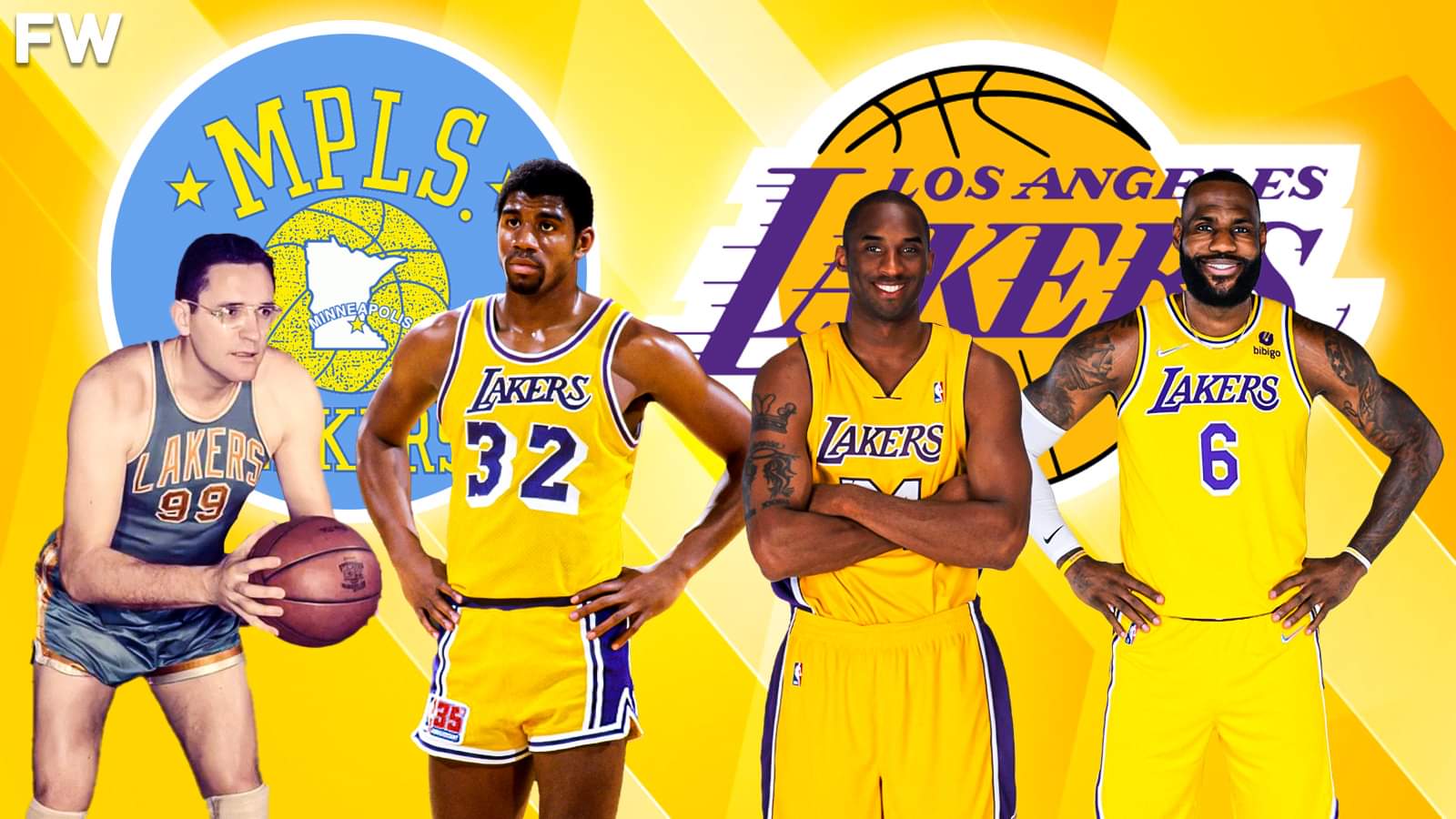
The Minneapolis Lakers officially moved to Los Angeles in 1960. This marked the end of an era for Minneapolis, where the team had established itself as a formidable force in the early days of the National Basketball Association (NBA). The team’s history in Minnesota was replete with success, including multiple championships, solidifying their fanbase and their place in the hearts of many. However, several factors converged to necessitate this westward expansion.
The Genesis of the Move: From Minneapolis to Hollywood
The decision to relocate the Minneapolis Lakers was not a sudden whim but a calculated move driven by economic realities, evolving market dynamics, and the ambitious vision of the team’s ownership. The early years of professional basketball were a different landscape than today’s multi-billion dollar industry. While the Lakers enjoyed considerable success on the court, their financial footing in Minneapolis presented challenges.
Financial Realities and Arena Issues in Minneapolis
The Minneapolis Lakers played their home games in the old Minneapolis Auditorium. While functional, the venue presented limitations for a growing professional sports franchise. The arena’s capacity, while sufficient for the time, was not as large as newer facilities being built in other burgeoning markets. More critically, the economic climate and the team’s financial performance were not consistently robust enough to justify significant investments in upgrades or a new arena. The owner at the time, Bob Short, faced increasing pressure to find a more lucrative market that could better support the team financially.
The concept of a burgeoning sports market capable of generating substantial revenue from ticket sales, concessions, and broadcasting rights was becoming increasingly apparent across the United States. Cities with larger populations and a growing middle class were seen as more fertile ground for professional sports teams. Minneapolis, while a significant city, was perceived by some as not offering the same level of financial upside as other potential destinations. This economic imperative was a primary driver behind the contemplation of a move.
The Allure of Los Angeles: A Growing Metropolis
Los Angeles in the late 1950s was a city experiencing explosive growth. Its population was rapidly expanding, and its economic power was on the rise. The city was already a significant hub for entertainment and culture, and it was actively seeking to attract major professional sports franchises to bolster its civic pride and entertainment offerings. The establishment of the Los Angeles Dodgers in 1958 from Brooklyn had already demonstrated the viability of major league sports in Southern California.
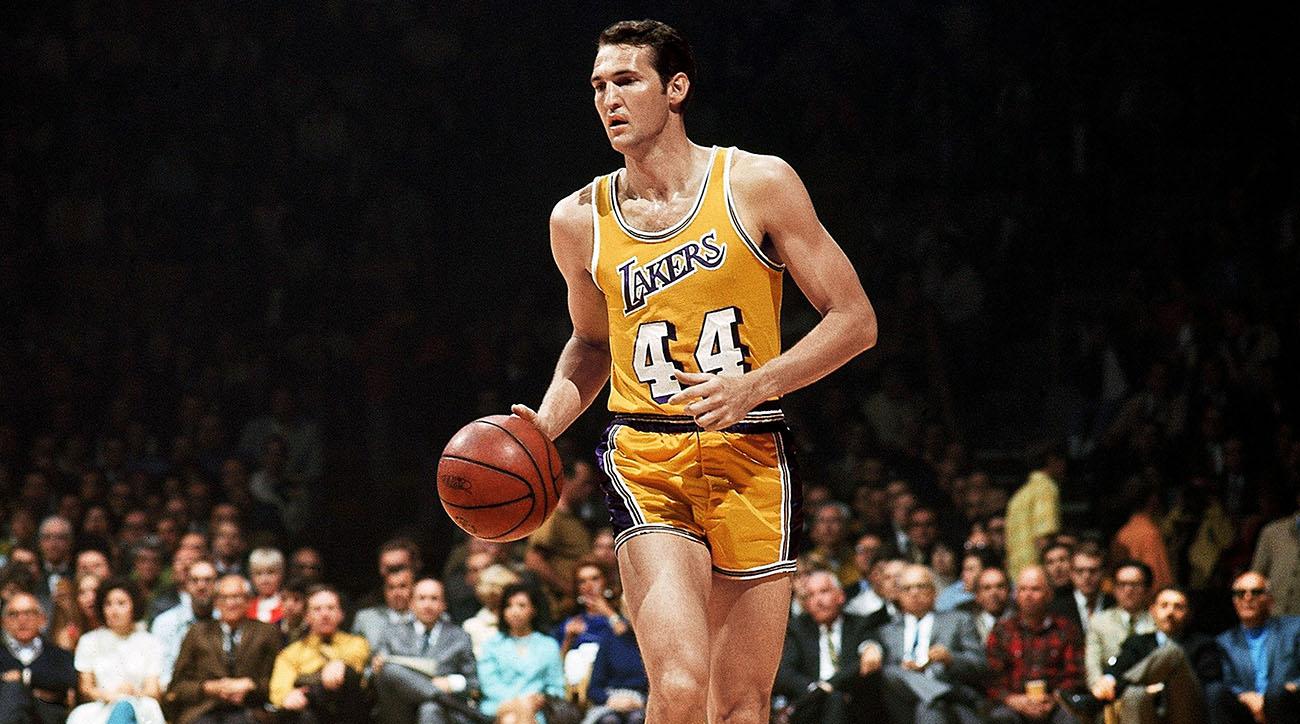
The prospect of a new NBA team in Los Angeles was incredibly appealing. The city had a large, diverse population eager for entertainment options, and the climate offered a distinct advantage, potentially attracting more fans and minimizing weather-related disruptions to game attendance. The potential for lucrative television contracts was also a significant draw, as Los Angeles was a major television market. For Bob Short, Los Angeles represented not just a new home but a significantly more promising market for the Lakers‘ long-term prosperity. The vision was clear: transplant a winning tradition to a city that could fully capitalize on it, both athletically and financially.
The Transaction: Securing the Move
The actual process of moving an NBA franchise involved more than just packing up equipment. It required league approval, securing a new home venue, and establishing a new operational base. The transfer of the Minneapolis Lakers to Los Angeles was a complex negotiation that ultimately benefited the league by expanding its presence into a key western market.
League Approval and Ownership Changes
The relocation of an NBA team required the consent of the league’s owners. Discussions and negotiations took place among the owners to ensure the move was in the best interest of the league as a whole. The economic arguments and the potential for increased revenue and visibility were persuasive. Furthermore, ownership of the Minneapolis Lakers played a crucial role. Bob Short was the driving force behind the move, and his conviction in the potential of the Los Angeles market was instrumental in pushing the proposal through. The league saw the strategic advantage of having a team in California, further solidifying its national reach. The approval process was a testament to the evolving business acumen within professional sports, where market expansion was recognized as a key to growth.
Finding a New Home: The Los Angeles Sports Arena
Upon securing the rights to move, the next crucial step was identifying a suitable venue in Los Angeles. The city had recently welcomed the Los Angeles Dodgers to Dodger Stadium, a state-of-the-art facility. For the Lakers, the most viable option at the time was the Los Angeles Memorial Sports Arena. Opened in 1959, the Sports Arena was one of the largest indoor venues in the area, capable of seating a substantial number of fans. It was well-equipped to host basketball games and other major sporting events. The Sports Arena became the inaugural home of the Los Angeles Lakers, providing them with a platform to connect with their new fanbase and continue their winning legacy. While not as glamorous as some modern arenas, it served as a vital launchpad for the team’s success in California.
The Legacy: A New Era in Los Angeles
The move of the Minneapolis Lakers to Los Angeles in 1960 was not just a geographical shift; it was the birth of a new chapter for one of the NBA’s most storied franchises. The team adopted the name Los Angeles Lakers, a nod to their previous identity while embracing their new home. This relocation profoundly impacted the team’s trajectory, its fanbase, and the broader landscape of professional basketball.
Establishing a Dynasty in Southern California
In Los Angeles, the Lakers quickly found renewed success. The larger market and the influx of talent, aided by strategic draft picks and trades, allowed the team to build a formidable roster. The Lakers became synonymous with glamour, attracting star players and cultivating a passionate following. The era of “Showtime” was still some years away, but the foundation for future dynasties was firmly laid in the 1960s. The team’s presence in Los Angeles also invigorated local sports culture, competing for attention with other major sports teams and adding to the city’s vibrant entertainment scene. The move proved to be a masterstroke for ownership, as the Lakers became one of the most successful and recognizable franchises in all of professional sports, a testament to the strategic vision that drove their relocation from Minneapolis.
The Enduring Connection to Minneapolis
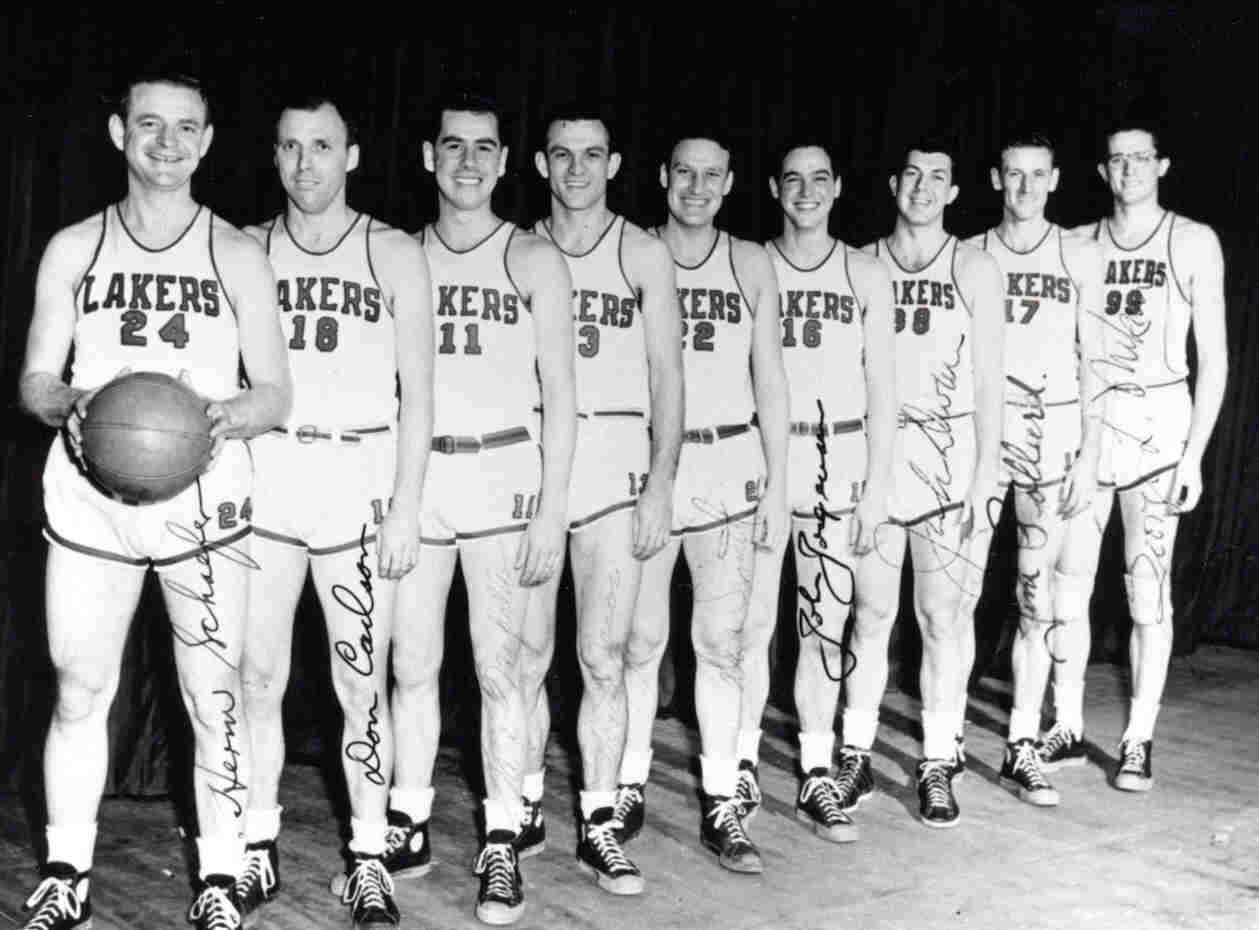
Despite the move to Los Angeles, the Minneapolis Lakers left an indelible mark on Minnesota. The championships won and the memories created during their time in Minneapolis are cherished by fans who remember the early days of the NBA. The transition was undoubtedly bittersweet for many, but it also paved the way for the eventual arrival of the Minnesota Timberwolves, ensuring that professional basketball would once again have a home in Minneapolis. The story of the Minneapolis Lakers‘ move is a powerful reminder of how sports franchises evolve, adapt, and forge new connections with cities, while never entirely forgetting their roots. The Lakers‘ legacy in Los Angeles is immense, but their history as the Minneapolis Lakers remains a foundational part of their storied past.
LifeOutOfTheBox is a participant in the Amazon Services LLC Associates Program, an affiliate advertising program designed to provide a means for sites to earn advertising fees by advertising and linking to Amazon.com. Amazon, the Amazon logo, AmazonSupply, and the AmazonSupply logo are trademarks of Amazon.com, Inc. or its affiliates. As an Amazon Associate we earn affiliate commissions from qualifying purchases.