
The vibrant and sprawling metropolis of Los Angeles has a storied history, not just as a global hub for entertainment and innovation, but also as a gracious host to the world’s premier sporting event: the Olympic Games. The question of “When Were The Olympics In Los Angeles?” is more than just a date query; it’s an invitation to explore the city’s significant contributions to the Olympic movement and the lasting impact these Games have had on its landscape, culture, and identity. Los Angeles has had the distinct honor of hosting the Summer Olympics not once, but twice, cementing its status as an enduring Olympic city.
A Tale of Two Games: Los Angeles’ Olympic Milestones
The Olympic Games represent a pinnacle of international athletic achievement and a celebration of unity. For Los Angeles, these events have been transformative, leaving an indelible mark on its infrastructure, its tourism industry, and its very spirit. The city’s successful bids and flawless execution of two separate Summer Olympiads speak volumes about its capacity, its forward-thinking vision, and its deep-seated passion for sports and global camaraderie.
The Inaugural Spectacle: The X Olympiad in 1932
The first time the Olympic flame graced the shores of Southern California was in 1932, with the hosting of the X Olympiad. This marked the second time the Games were held in the United States, following St. Louis in 1904. The 1932 Los Angeles Games were a remarkable feat, especially considering the global economic climate of the Great Depression. Despite the financial challenges, the organizing committee, led by figures like William May Garland, rose to the occasion, demonstrating incredible resourcefulness and determination.
The Games were officially opened by President Herbert Hoover, and they brought together athletes from 37 nations competing in 14 sports. A significant innovation of the 1932 Games was the construction of the Olympic Village, a dedicated complex to house the athletes, which was a novel concept at the time and set a precedent for future Olympic hosting cities. This village was designed to foster a sense of community among the competitors, offering them a comfortable and secure environment away from the public eye. The main venue for many events was the iconic Los Angeles Memorial Coliseum, a monumental stadium that was specially built for the 1932 Games and has since become a cherished landmark and a testament to the city’s sporting heritage. The Coliseum’s grandeur and capacity made it an ideal setting for the opening and closing ceremonies, as well as athletic competitions.
The 1932 Games are often remembered for their efficient organization, the beautiful weather that graced the competitions, and the innovative spirit that characterized their planning. They successfully showcased Los Angeles as a city capable of hosting major international events, laying the groundwork for its future Olympic ambitions. The success of these Games, even amidst widespread economic hardship, highlighted the resilience and aspirational spirit of the time.
The Golden Anniversary: The XXIII Olympiad in 1984
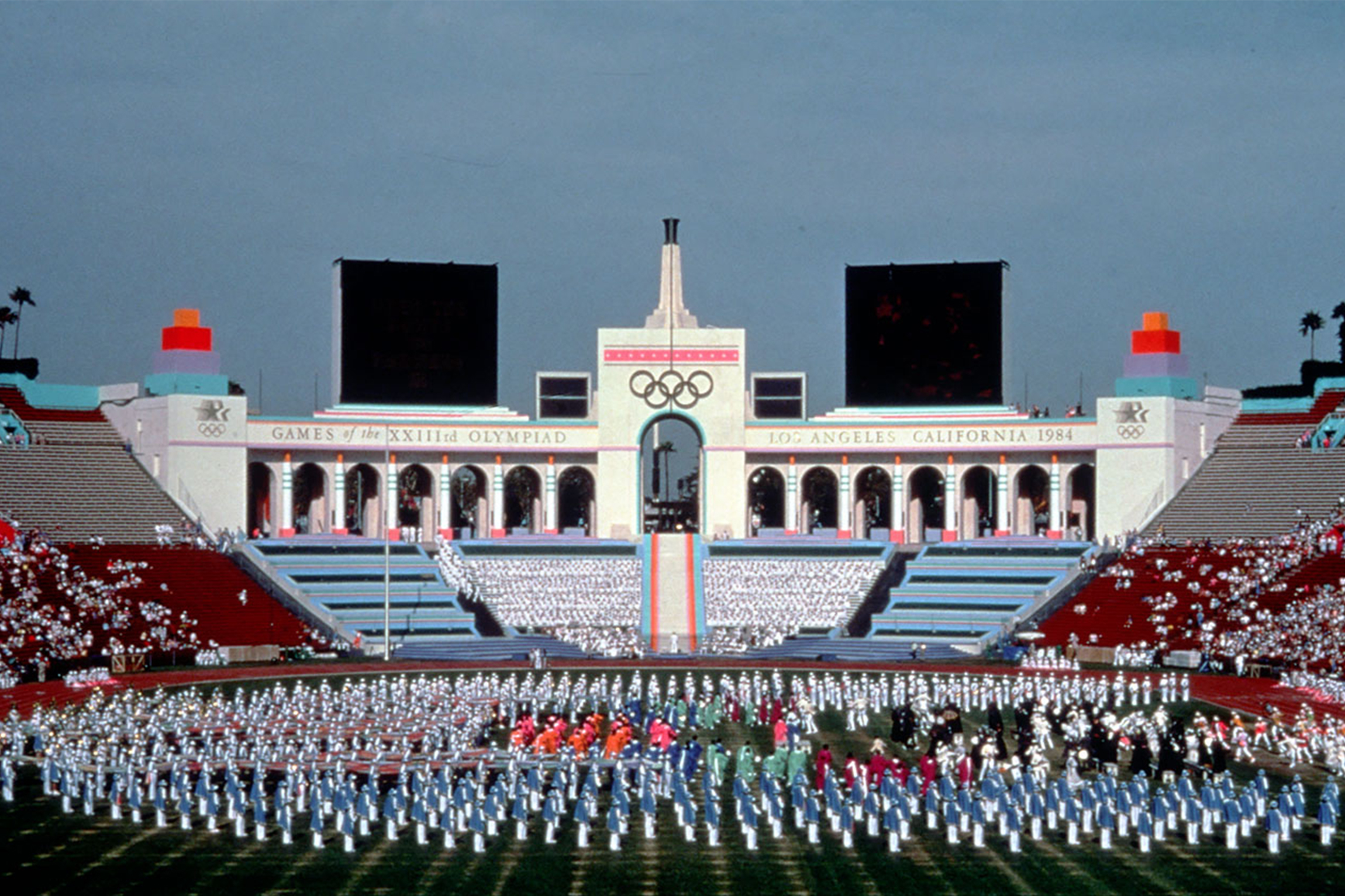
Fast forward half a century, and Los Angeles once again stepped into the global spotlight as the host city for the XXIII Olympiad in 1984. These Games are widely regarded as one of the most successful and financially solvent Olympic Games in modern history. In stark contrast to the economic challenges of 1932, the 1984 Games were celebrated for their remarkable financial surplus, largely achieved through innovative corporate sponsorships and private funding, rather than relying heavily on public money. This approach became a blueprint for future Olympic Games.
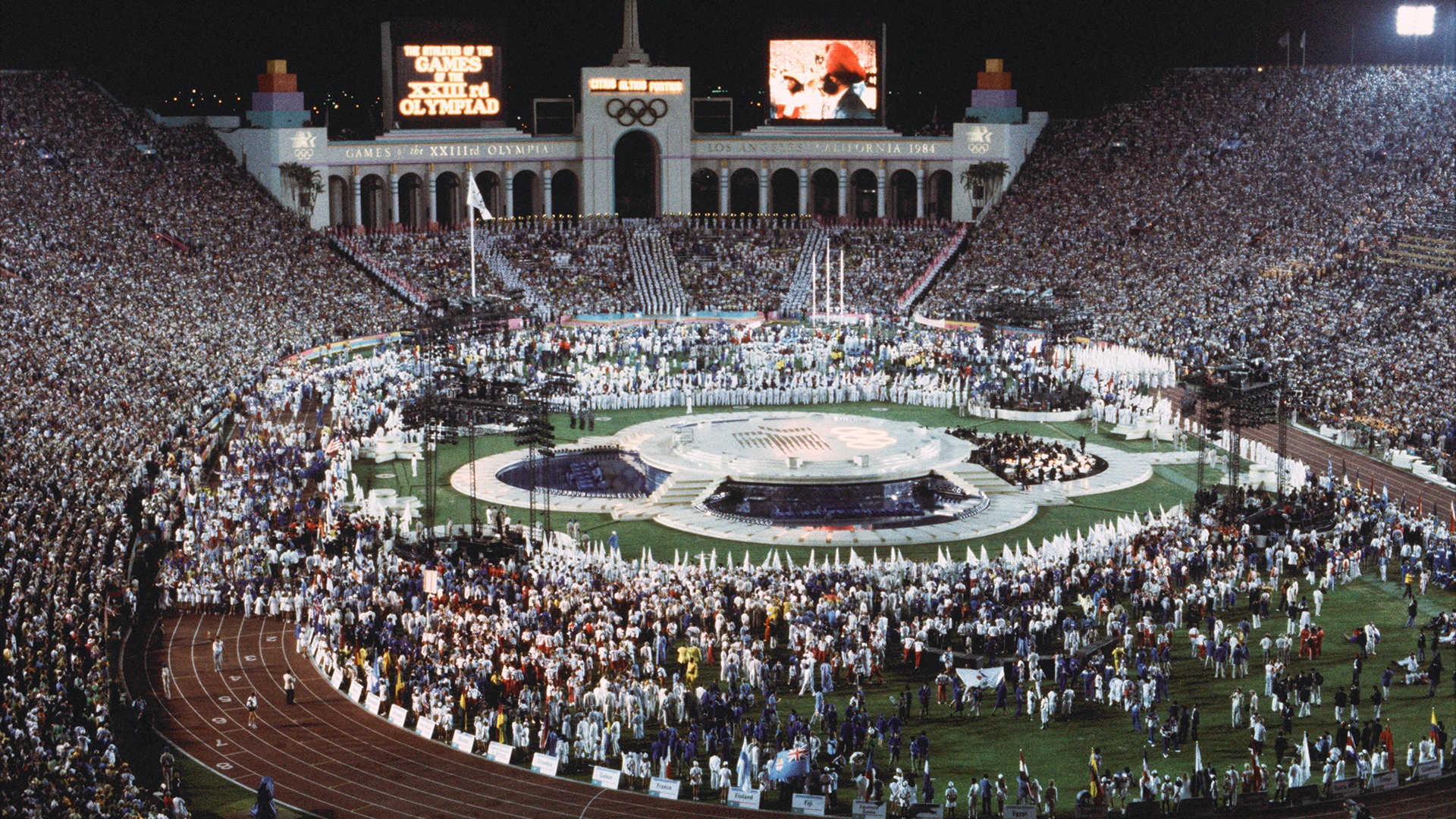
The 1984 Games were officially opened by President Ronald Reagan. They featured a record 204 National Olympic Committees participating, and a total of 221 events across 23 sports. The majority of the competitions took place in existing venues, a testament to Los Angeles’s well-developed sporting infrastructure. The iconic Los Angeles Memorial Coliseum once again played a central role, hosting the opening and closing ceremonies and track and field events. Other key venues included the legendary Dodger Stadium for baseball, and the Forum for gymnastics and basketball. The Games also saw the debut of new facilities, such as the swimming and diving complex at the McDonald’s Olympic Swim Stadium.
The 1984 Games were a cultural phenomenon, imbued with a spirit of optimism and technological advancement. They introduced many new elements to the Olympic experience, including extensive use of satellite broadcasting, which allowed for unprecedented global reach. The Games were also marked by the participation of a record number of female athletes, reflecting a growing movement towards gender equality in sports. The closing ceremony was a spectacular display of light, music, and celebration, reinforcing Los Angeles’s reputation as a city of dreams and innovation. The success of these Games not only boosted the local economy but also significantly enhanced the city’s global image.
The Legacy of Olympic Los Angeles
The impact of hosting the Olympic Games extends far beyond the two weeks of competition. For Los Angeles, the legacy of the 1932 and 1984 Games is multifaceted, influencing its infrastructure, its cultural landscape, and its ongoing role in the international sporting community.
Infrastructure and Urban Development
Both Olympic Games served as catalysts for significant infrastructure improvements in Los Angeles. The 1932 Games led to the construction of the aforementioned Los Angeles Memorial Coliseum, a landmark that continues to serve the city. The development of the Olympic Village in 1932 also set a precedent for future urban housing projects. In 1984, the focus was on leveraging and enhancing existing facilities, minimizing the need for extensive new construction and promoting a more sustainable approach to hosting. This included upgrades to transportation networks and the enhancement of public spaces. The Games also spurred investment in sports facilities across the city, providing long-term benefits for athletes and the community. Many of these venues continue to be utilized today for professional sports, major events, and community recreational programs, demonstrating the enduring value of the Olympic investments.
Cultural and Tourism Impact
The Olympics have played a pivotal role in shaping Los Angeles’s identity on the world stage. The global attention brought by the Games has significantly boosted tourism, attracting visitors eager to experience the city’s famous attractions, from the glamour of Hollywood to the sun-drenched beaches of Santa Monica. The spirit of international goodwill and athletic excellence fostered by the Games has become an integral part of the city’s narrative. The successful hosting of these events also positioned Los Angeles as a city that can successfully manage large-scale international events, making it a prime candidate for future bids. The cultural exchange inherent in the Olympic experience has enriched the diverse tapestry of Los Angeles, promoting understanding and appreciation among its many communities.

A Glimpse into the Future: Los Angeles 2028
The enduring Olympic spirit in Los Angeles is set to continue. The city has been selected to host the 2028 Summer Olympics, making it the first city to host the Summer Games three times. This upcoming event promises to build upon the successful legacies of 1932 and 1984, leveraging existing infrastructure and embracing innovation to create another memorable Olympic experience. The 2028 Games are expected to focus on sustainability, technological advancement, and athlete-centric experiences, further solidifying Los Angeles’s position as a premier global host city and a true home for the Olympic movement. The prospect of the 2028 Games reignites the excitement and anticipation surrounding this iconic city’s continued commitment to the Olympic ideals.
LifeOutOfTheBox is a participant in the Amazon Services LLC Associates Program, an affiliate advertising program designed to provide a means for sites to earn advertising fees by advertising and linking to Amazon.com. Amazon, the Amazon logo, AmazonSupply, and the AmazonSupply logo are trademarks of Amazon.com, Inc. or its affiliates. As an Amazon Associate we earn affiliate commissions from qualifying purchases.