
The Los Angeles Lakers. A name synonymous with basketball royalty, a franchise steeped in a history of unparalleled success and iconic figures. From the Minneapolis Lakers to their move to the sunny shores of Los Angeles, this team has captivated fans for generations. But beyond the championships, the legendary players, and the roaring crowds at the Crypto.com Arena, lies a question that sparks curiosity among fans and business enthusiasts alike: who truly owns this powerhouse of the National Basketball Association (NBA)? While the on-court action is what draws millions, the ownership structure is a complex tapestry woven with investment, legacy, and strategic decision-making.

Understanding the ownership of a team as valuable and storied as the Los Angeles Lakers is not just about identifying an individual or a single entity. It involves delving into the intricate world of sports franchises as major business assets, often held by a group of investors or a privately held company. The Lakers, like many of their NBA counterparts, have transitioned through various ownership hands, each leaving their indelible mark on the franchise’s trajectory and financial standing. This exploration will not only illuminate the current ownership but also touch upon the broader context of how sports teams are managed and valued as significant enterprises, often intertwined with luxury lifestyles and high-stakes investments.
The Current Ownership Landscape
The Los Angeles Lakers are currently under the umbrella of Jeanie Buss, who serves as the controlling owner and president of the Lakers. She inherited this role following the passing of her father, the legendary Jerry Buss, in 2013. Jerry Buss purchased the Lakers in 1979, and under his visionary leadership, the franchise experienced an era of unprecedented dominance, winning ten NBA championships during his tenure. His strategic acumen and willingness to invest in top talent transformed the Lakers into a global brand.
Jeanie Buss has continued her father’s legacy, navigating the team through both triumphs and challenges. While she is the controlling owner, the Lakers are not solely owned by her. The ownership structure involves a larger group, as is common with major sports franchises. This ownership group, often referred to as the “limited partners,” contributes financially and benefits from the team’s success, but the ultimate control and decision-making power reside with the controlling owner. This model allows for substantial capital infusion while maintaining a clear leadership direction.
The value of the Los Angeles Lakers has skyrocketed over the years, making it one of the most valuable franchises in the NBA and indeed, in all of professional sports. Factors contributing to this immense valuation include the team’s storied history, its massive global fanbase, its prime location in a major media market like Los Angeles, and its consistent presence in championship contention. This financial success is a testament to the enduring appeal of the Lakers brand and the astute business management that has characterized its ownership through different eras.
The Buss Family’s Enduring Legacy
The Buss family name is inextricably linked with the Los Angeles Lakers. Jerry Buss, a real estate magnate, became synonymous with the team’s golden eras. His passion for basketball was matched by his shrewd business sense. He wasn’t just an owner; he was a visionary who understood the entertainment aspect of professional sports. He cultivated an atmosphere at the Forum, and later at the Staples Center (now Crypto.com Arena), that was as much about celebrity and glamour as it was about elite athletic performance. His “Showtime” era teams of the 1980s, featuring superstars like Magic Johnson and Kareem Abdul-Jabbar, are etched in NBA lore.
Upon Jerry Buss’s death, his children inherited stakes in the Lakers, with Jeanie Buss emerging as the controlling owner. This transition marked a significant moment for the franchise, as it moved from the singular vision of its patriarch to a new leadership phase. Jeanie Buss has embraced her role with dedication, aiming to uphold the winning tradition and business success that her father established. Her tenure has seen the Lakers secure their record-tying 17th NBA championship in 2020, led by superstar LeBron James.
The ownership of the Lakers is a prime example of a family legacy being managed as a sophisticated business enterprise. The family’s involvement ensures a deep understanding of the team’s history and culture, while the broader ownership group provides the financial muscle to compete at the highest level. This blend of heritage and financial backing is crucial for maintaining the Lakers’ status as a premier sports franchise. The continued success on and off the court solidifies the Buss family’s enduring impact on the world of professional basketball and underscores the intertwined nature of sports, entertainment, and high-value asset management.
Financial Muscle and Investment in the Lakers
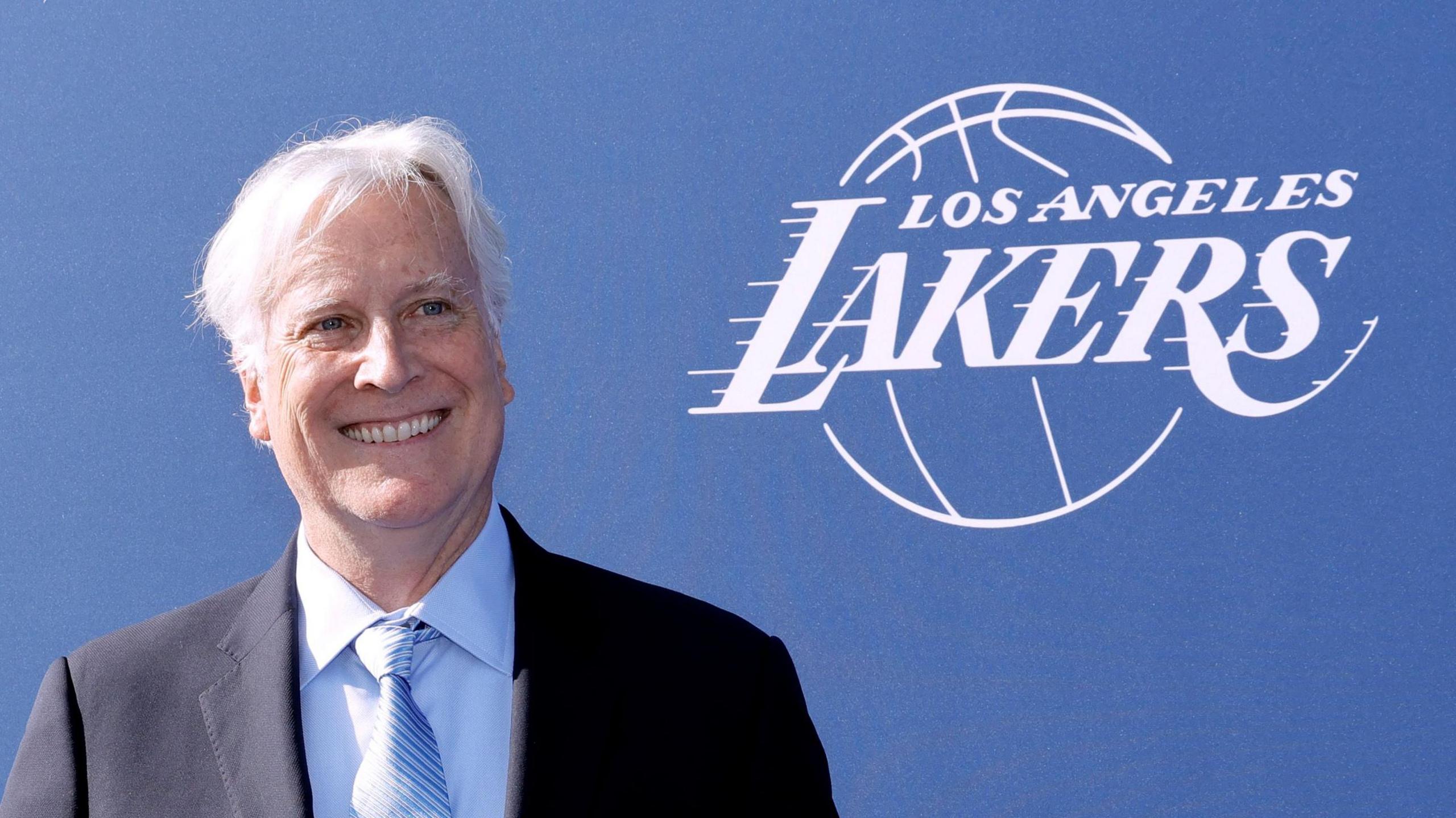
The Los Angeles Lakers are not merely a sports team; they are a multi-billion-dollar enterprise. Their immense financial value is a product of decades of success, brand building, and strategic investments. Ownership of such a franchise involves not only the day-to-day operations of a basketball team but also the management of a significant corporate entity. This financial power enables the Lakers to attract and retain top talent, invest in state-of-the-art facilities, and engage in extensive marketing and promotional activities that solidify their global appeal.
The financial health of the Lakers is also a reflection of the broader economic landscape of professional sports. In the NBA, revenue streams are diverse, including ticket sales, broadcasting rights, merchandise, sponsorships, and lucrative stadium deals. The Lakers, with their massive fanbase and championship pedigree, are exceptionally well-positioned to capitalize on these streams. This financial prosperity allows for significant reinvestment into the team, ensuring they remain competitive year after year.
The ownership group, led by Jeanie Buss, is responsible for overseeing these financial operations. This includes making critical decisions about player contracts, salary cap management, and strategic partnerships. The goal is always to maximize profitability while simultaneously striving for on-court excellence. The interplay between financial success and athletic achievement is a delicate balance, and the Lakers have, for the most part, managed this exceptionally well throughout their history. The allure of owning a piece of such a prestigious franchise attracts investors, and the financial returns have historically justified the substantial capital required.
The Business of Basketball and Luxury Lifestyle
The ownership of the Los Angeles Lakers is deeply intertwined with the concept of luxury and a high-end lifestyle. Los Angeles itself is a global hub for entertainment, fashion, and wealth, and the Lakers are a quintessential part of this opulent ecosystem. Owning and operating a team of this caliber is often the domain of individuals and entities who are already deeply entrenched in the world of high finance and affluent living. This connection extends beyond the financial aspects to the very culture and branding of the team.
For fans and tourists alike, attending a Lakers game is often an experience that transcends mere sport. It’s an opportunity to be part of the glamorous Los Angeles scene, to potentially spot celebrities in attendance, and to experience the vibrant energy of one of the world’s most iconic cities. This allure is precisely what makes the Lakers such a valuable commodity. The team’s brand is not just about basketball; it’s about aspiration, entertainment, and a certain lifestyle.
The association with luxury travel and exclusive experiences further amplifies the Lakers’ appeal. Visitors to Los Angeles might plan their trips around attending a game, seeking out premium seating or hospitality packages that offer a taste of the high life. This synergy between sports franchises, luxury markets, and the tourism industry is a powerful economic engine. The Buss family and their ownership group understand this, leveraging the team’s status to enhance its brand and financial standing, while also contributing to the vibrant cultural tapestry of Southern California. The team’s performance on the court directly influences its global brand recognition, which in turn fuels interest from potential investors, sponsors, and tourists seeking to connect with this celebrated entity.

Beyond the Court: Landmarks and Legacy
While the Los Angeles Lakers’ primary domain is the basketball court, their influence and legacy extend to the broader cultural and physical landscape of their home city. The team’s history is punctuated by iconic moments and legendary figures that have become ingrained in the fabric of Los Angeles. The landmarks associated with the Lakers, from their historical home arenas to their current state-of-the-art facility, are more than just buildings; they are temples of sport that have witnessed history being made.
The Forum, once known as the “Fabulous Forum,” was the Lakers’ home for over three decades. This iconic arena in Inglewood, California, was the backdrop for many of the franchise’s most celebrated championships and the “Showtime” era. Its distinct architectural style and historical significance make it a landmark in its own right, evoking memories of a golden age of Lakers basketball.
Currently, the Lakers play their home games at the Crypto.com Arena in downtown Los Angeles. This modern marvel is a central hub for entertainment, hosting not only Lakers games but also concerts, other sporting events, and various public gatherings. Its location in the heart of Los Angeles makes it a significant landmark, drawing in tourists and locals alike. The arena itself represents the ongoing evolution of the Lakers, a commitment to providing a world-class experience for fans.
The legacy of the Lakers is also built on the individual achievements of its players, many of whom have become household names and cultural icons. Players like Kobe Bryant, Magic Johnson, Kareem Abdul-Jabbar, and more recently LeBron James, are not just athletes; they are living legends whose stories are intertwined with the history of Los Angeles. Their contributions on the court have cemented the Lakers’ status as a premier franchise and have inspired millions. The team’s enduring success and the cultural impact of its stars ensure that the Los Angeles Lakers will continue to be a significant presence in the landscape of Los Angeles, both as a sporting entity and as a cultural landmark for generations to come. This legacy is a testament to the vision of owners like Jerry Buss and the dedication of players who have worn the purple and gold, creating a powerful brand that resonates far beyond the boundaries of the basketball court.
LifeOutOfTheBox is a participant in the Amazon Services LLC Associates Program, an affiliate advertising program designed to provide a means for sites to earn advertising fees by advertising and linking to Amazon.com. Amazon, the Amazon logo, AmazonSupply, and the AmazonSupply logo are trademarks of Amazon.com, Inc. or its affiliates. As an Amazon Associate we earn affiliate commissions from qualifying purchases.