
Visiting Louisiana offers an intoxicating blend of vibrant culture, mouth-watering cuisine, and unique historical landscapes. From the jazzy streets of New Orleans to the historic plantations along the Mississippi River and the tranquil beauty of the Cajun Country bayous, the Pelican State invites exploration. However, as with any travel destination, understanding local regulations—especially those pertaining to driving—is crucial for a smooth and enjoyable trip. One common concern for out-of-state drivers is the cost and implications of a speeding ticket. While the allure of the open road can be tempting, exceeding the posted speed limits in Louisiana can quickly turn a memorable vacation into a costly ordeal. This guide provides essential insights for tourists to navigate Louisiana’s traffic laws, helping you understand the potential financial impact of a speeding ticket and offering tips to avoid one.
Navigating Louisiana’s Roads: What Tourists Need to Know About Speed Limits
Louisiana’s intricate network of highways, interstates, and scenic byways demands a keen awareness of varying speed limits. For tourists, it’s not just about knowing the general rules but also understanding how these limits can shift dramatically within short distances, particularly when transitioning from rural to urban areas, or through construction zones. Awareness is your first line of defense against an unexpected citation.
The Importance of Adhering to Posted Limits
Speed limits in Louisiana are not merely suggestions; they are legally enforced maximums designed to ensure the safety of all road users. For visitors, unfamiliar with local road conditions, sudden turns, or areas prone to fog, adhering strictly to these limits is even more critical. Police enforcement is active across the state, and officers are generally not lenient with out-of-state drivers, particularly in areas known for tourism. A common misconception is that a warning might be issued for minor infractions to visitors, but this is rarely the case, especially for speeding. Fines and penalties apply equally to residents and non-residents alike. Ignoring these limits not only puts you at risk of a ticket but also endangers yourself, your passengers, and others on the road.
Common Speed Zones and Their Implications
Louisiana’s speed limits follow a pattern similar to many other U.S. states, but specific nuances exist.
- Interstates and Freeways: Typically, speed limits on major interstates like I-10 or I-49 can range from 65 mph to 75 mph. However, these limits often drop significantly as you approach or pass through major cities such as Baton Rouge or Shreveport, sometimes as low as 55 mph.
- State Highways and Rural Roads: On state highways, limits usually hover between 55 mph and 65 mph. Rural roads, while often seeming open, may have lower limits due to unexpected intersections, driveways, or agricultural vehicle traffic.
- Urban and Residential Areas: Within city limits and residential zones, speed limits are often 25 mph to 35 mph, strictly enforced, especially near schools or hospitals where specific “school zone” or “hospital zone” limits apply, sometimes as low as 15-20 mph during certain hours.
- Construction Zones: Always exercise extreme caution in construction zones, where limits are heavily reduced (e.g., 45 mph on an interstate) and fines are often doubled for violations. These zones are clearly marked, and enforcement is frequent.
Understanding these variations is crucial. A momentary lapse in attention could lead to an expensive souvenir you didn’t bargain for.
Why Speeding Penalties Vary Across the State
Unlike some states where fines are centrally standardized, in Louisiana, the cost of a speeding ticket can vary significantly from one jurisdiction to another. Each parish, and sometimes even individual municipalities within a parish, sets its own fine schedules and administrative fees. This means a speeding ticket for going 15 mph over the limit in Jefferson Parish might cost a different amount than the same infraction in Lafayette Parish or Orleans Parish.
Factors influencing this variance include:
- The specific local ordinance that was violated.
- The discretion of the local traffic court judge.
- Additional court costs, surcharges, and administrative fees imposed by the local jurisdiction.
This localized approach underscores the importance of not making assumptions about ticket costs based on experiences in other states or even other parts of Louisiana.
Understanding the Financial Impact of a Louisiana Speeding Ticket
The question “How much is a speeding ticket in Louisiana?” is multi-faceted. It’s not just the initial fine printed on the citation; it’s a confluence of several financial burdens that can quickly inflate the total cost, especially for an out-of-state tourist.
Base Fines: A Starting Point for Penalties
The base fine for a speeding ticket in Louisiana is determined by how far over the posted speed limit you were traveling. Generally, the faster you go, the higher the fine.
- Minor Infractions (1-10 mph over): These might incur fines ranging from $100 to $200, though this is highly variable by parish.
- Moderate Infractions (11-20 mph over): Expect fines to be steeper, potentially ranging from $200 to $400 or more.
- Serious Infractions (21+ mph over): Fines for these violations can quickly escalate into the $400-$700+ range, especially if classified as reckless driving or exceeding a specific threshold. Exceeding the speed limit by a significant margin (e.g., 25 mph or more) can lead to higher penalties, potentially including misdemeanor charges in some instances, depending on the circumstances and local ordinances.
It’s crucial to remember that these are just base fines. The final amount you pay will almost certainly be higher due to additional fees.
The Added Burden of Court Costs and Administrative Fees
Beyond the base fine, every speeding ticket in Louisiana will include an array of mandatory court costs and administrative fees. These are typically non-negotiable and are added to fund various state and local programs, court operations, and public safety initiatives. These fees can sometimes equal or even exceed the base fine itself.
- Court Costs: These cover the operational expenses of the local traffic court.
- Surcharges: Louisiana may impose state-level surcharges for things like victim compensation funds or traffic safety programs.
- Processing Fees: Fees associated with the administrative handling of your citation.
Combined, these additional costs can easily push a $150 base fine to a total payment of $300-$500 or more, depending on the specific parish and severity of the offense. For tourists, this can be an unexpected and significant blow to a carefully planned travel budget.
Beyond the Ticket: How Insurance Premiums Can Skyrocket
Perhaps the most significant long-term financial consequence of a speeding ticket for an out-of-state driver is the impact on their car insurance premiums. While Louisiana speeding tickets might not immediately affect your license points in your home state, most insurance companies will be notified of traffic violations occurring anywhere in the U.S.
- Increased Rates: A speeding ticket typically results in an increase in your insurance premiums for several years, often three to five years. The percentage increase varies by insurer and your driving record but can be substantial, sometimes hundreds of dollars per year.
- Loss of Discounts: You might lose “good driver” discounts, further increasing your premiums.
- Insurability: Multiple violations, even minor ones, can make it harder to find affordable insurance coverage in the future.
This “hidden” cost often far outweighs the initial fine and fees, making prevention the most cost-effective strategy.
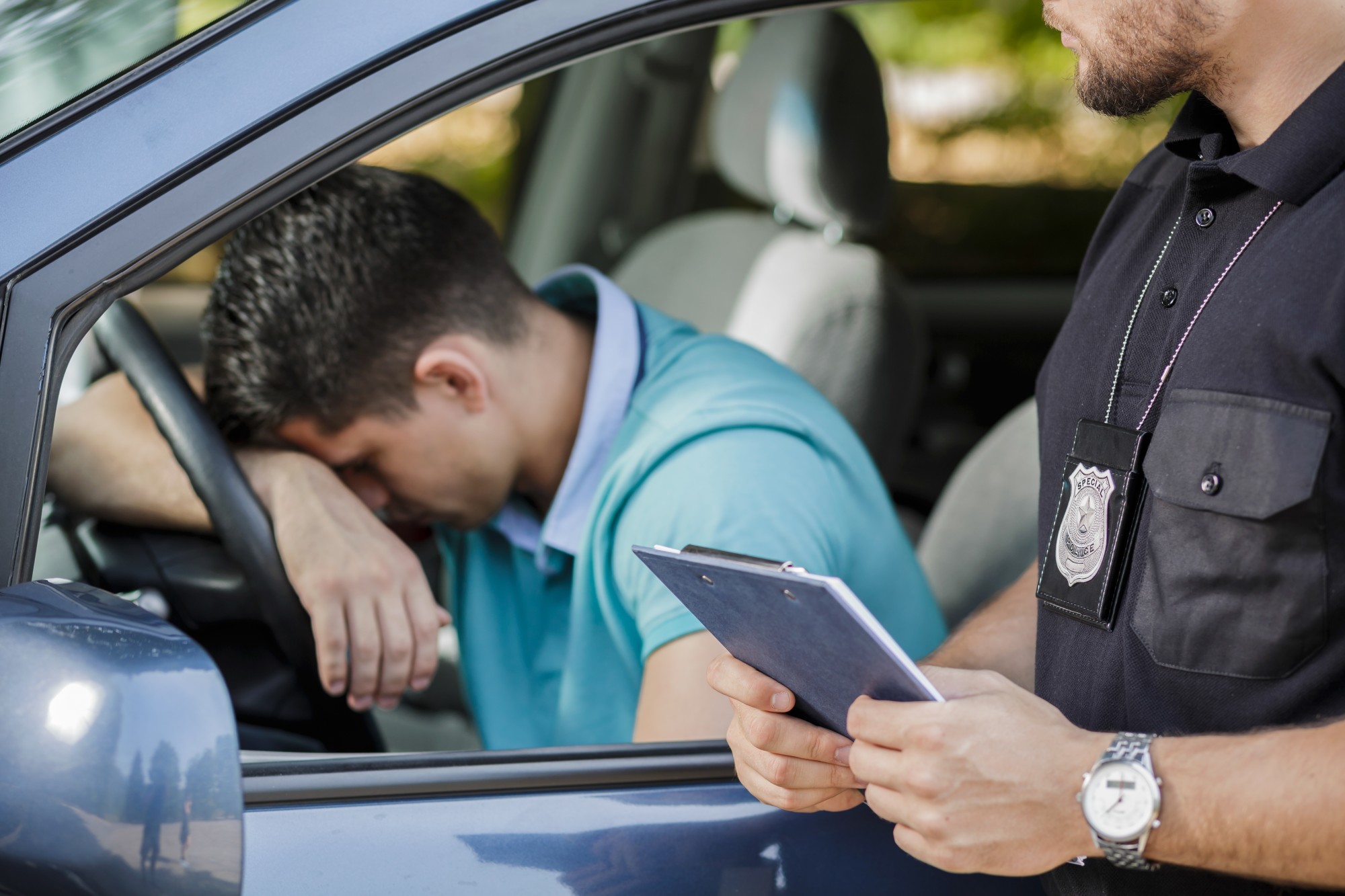
Potential Legal Expenses for Out-of-State Visitors
For tourists who decide to contest their speeding ticket or whose violation is severe, legal expenses can become another significant factor. Hiring a Louisiana traffic attorney can be beneficial, especially for out-of-state drivers who cannot easily return to attend court hearings.
- Attorney Fees: These vary widely depending on the lawyer’s experience, the complexity of the case, and the specific parish. Even for a seemingly minor speeding ticket, legal fees could range from a few hundred to over a thousand dollars.
- Travel Costs: If you choose to contest the ticket yourself, you’ll incur costs for travel back to Louisiana, accommodation, and time off work, which can quickly add up.
Weighing the potential long-term insurance impacts against immediate legal fees is often a crucial decision for out-of-state drivers facing a ticket.
What to Do If You Receive a Speeding Ticket in Louisiana
Despite your best efforts, you might still find yourself pulled over for speeding. Knowing how to react responsibly can mitigate further issues and help you navigate the process effectively.
Immediate Steps at the Roadside Stop
- Pull Over Safely: As soon as you see flashing lights, find a safe spot to pull over, activate your turn signal, and do so promptly.
- Remain Calm and Respectful: Keep your hands visible, preferably on the steering wheel. Do not make any sudden movements.
- Produce Required Documents: Have your driver’s license, vehicle registration, and proof of insurance readily available. For rental cars, ensure you have the rental agreement.
- Do Not Admit Guilt: While you should be cooperative, avoid admitting guilt. You can respectfully ask why you were pulled over.
- Sign the Ticket: Signing the ticket is usually not an admission of guilt but an acknowledgement that you received it and understand your obligation to respond.
Deciding Your Next Move: Pay, Contest, or Seek Alternatives
Once you have the ticket, you’ll need to decide how to proceed.
- Pay the Fine (Plead Guilty): This is the easiest option for many tourists. Paying the fine means you are pleading guilty, and the violation will likely be reported to your home state’s Department of Motor Vehicles and your insurance company. Ensure you pay by the due date to avoid additional penalties or warrants.
- Contest the Ticket (Plead Not Guilty): If you believe you were unfairly ticketed or have grounds to challenge the evidence, you can plead not guilty. This will require you to appear in the Louisiana traffic court specified on your ticket. For out-of-state drivers, this can be logistically challenging and expensive due to travel.
- Seek Legal Counsel: A Louisiana traffic attorney can advise you on the best course of action, potentially negotiate a reduced charge, or represent you in court, saving you the trip.
Resources for Out-of-State Drivers
The back of your ticket will usually contain information on how to pay or contest. Additionally, the specific parish or municipal court website (e.g., New Orleans Traffic Court) often provides online portals for payments, information on court procedures, and contact details. Don’t hesitate to call the court clerk’s office for clarification on deadlines and options.
The Role of Traffic School and Deferred Adjudication
In some Louisiana jurisdictions, especially for first-time offenders or minor violations, you might be offered the option of attending a defensive driving or traffic school course. Completing such a course, typically at your expense, can sometimes lead to:
- Dismissal of the Ticket: The ticket is not reported to your driving record.
- Deferred Adjudication: The court postpones judgment, and if you meet certain conditions (like completing traffic school) and commit no further violations for a set period, the ticket is dismissed.
This is often an excellent option for tourists to avoid points on their license and subsequent insurance premium increases. However, eligibility and availability vary greatly by parish and the discretion of the court. You’ll need to inquire directly with the court regarding these possibilities.
Avoiding a Speeding Ticket: Essential Tips for Louisiana Travelers
Prevention is always better than cure, especially when traveling. By adopting proactive driving habits and being aware of Louisiana’s specific characteristics, you can significantly reduce your chances of receiving a speeding ticket and ensure your trip remains enjoyable and within budget.
Planning Your Route and Driving Defensively
Before hitting the road, familiarize yourself with your route, especially for longer drives. Use GPS systems that provide real-time traffic and speed limit information, but always defer to posted signs.
- Allow Ample Time: Rushing is a primary cause of speeding. Build extra time into your travel schedule to account for traffic, unexpected stops, or simply to enjoy the scenery.
- Maintain Focus: Avoid distractions like cell phones or intricate GPS inputs while driving. Keep your eyes on the road and actively scan for speed limit signs, construction zones, and potential hazards.
- Practice Defensive Driving: Be aware of other drivers, maintain a safe following distance, and anticipate potential issues. This reduces the need for sudden acceleration or braking, which can sometimes lead to unintentional speeding.
Being Mindful of Speed Traps and Enforcement Zones
While police enforcement can occur anywhere, certain areas are known for higher levels of vigilance.
- Interstate Transitions: Speed limits often drop sharply when interstates pass through cities like Baton Rouge or Monroe. These transition points are frequently monitored.
- Small Towns: Many small towns and municipalities in Louisiana rely on traffic enforcement as a revenue source. Be extra cautious when passing through these areas, where limits can drop quickly and enforcement is strict.
- Construction Zones: As mentioned, these zones are heavily enforced, and fines are doubled. Pay close attention to temporary signage.
- School Zones: During school hours, speed limits in school zones are significantly reduced and strictly enforced to protect children.
Special Considerations for Rental Car Users
If you’re driving a rental car in Louisiana, keep these points in mind:
- Rental Car Agreements: Understand the terms. Some agreements might charge additional administrative fees if they receive notification of your ticket.
- Electronic Tolls: Ensure your rental car’s toll payment system is active or you pay tolls manually, as unpaid tolls can also lead to fines.
- Unfamiliar Vehicle: It can take time to get used to a new car’s acceleration and braking. Drive cautiously until you’re comfortable with the vehicle’s handling.
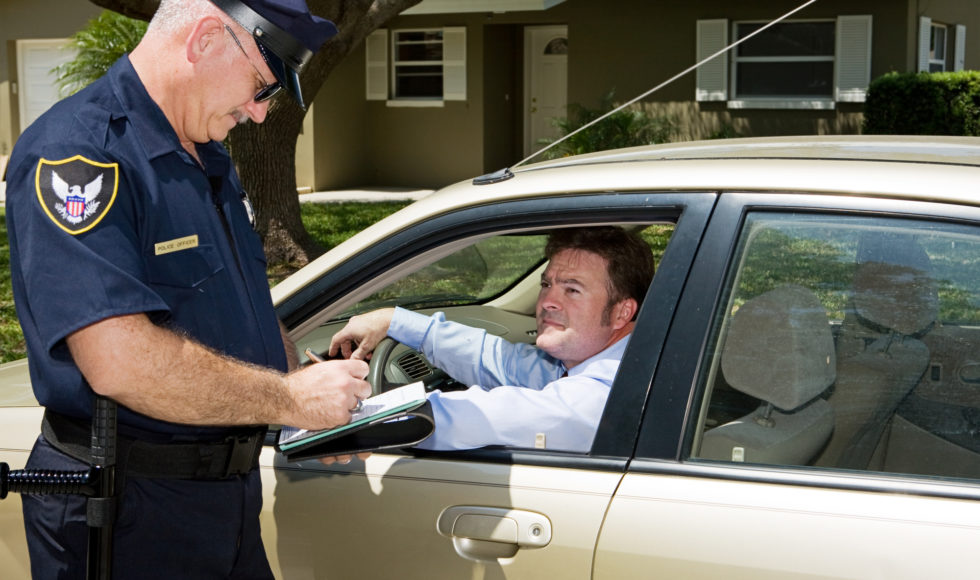
Ensuring Your Louisiana Trip Remains Stress-Free and Budget-Friendly
Ultimately, avoiding a speeding ticket is about more than just saving money; it’s about preserving the joy and tranquility of your travel experience. A speeding ticket introduces stress, unexpected costs, and bureaucratic hurdles that can overshadow the beautiful memories you hope to create in Louisiana. By driving mindfully, adhering to posted limits, and being aware of local enforcement practices, you can ensure your Louisiana adventure remains focused on its rich culture, delicious food, and unforgettable attractions, rather than the expenses of a traffic violation. Drive safely, enjoy the journey, and savor every moment the Pelican State has to offer.
LifeOutOfTheBox is a participant in the Amazon Services LLC Associates Program, an affiliate advertising program designed to provide a means for sites to earn advertising fees by advertising and linking to Amazon.com. Amazon, the Amazon logo, AmazonSupply, and the AmazonSupply logo are trademarks of Amazon.com, Inc. or its affiliates. As an Amazon Associate we earn affiliate commissions from qualifying purchases.