
Embarking on a journey to the Bayou State, travelers often ponder not just where to go, but when to go, and indeed, what “time” means in the context of Louisiana’s rich tapestry of culture, rhythm, and natural beauty. From the literal tick-tock of the clock to the metaphorical pulse of its vibrant communities, understanding Louisiana’s timing is key to unlocking an authentic and unforgettable tourism experience. This guide delves into the practicalities of time zones, the seasonal rhythms that shape its festivals and climate, and the unique pace of life that defines this singular United States destination, offering insights and tips to synchronize your visit with the heart of its local culture, delectable food, and captivating activities.
Synchronizing Your Clock: Understanding Louisiana’s Time Zone
For any traveler planning their itinerary, the first and most practical “time” consideration for Louisiana is its place on the global clock. Ensuring your flight arrivals, hotel check-ins, and tour bookings align with local time is fundamental for a smooth trip.
Central Time Zone Explained
Louisiana observes Central Standard Time (CST) during the fall and winter months, which is UTC-6. During spring and summer, it switches to Central Daylight Time (CDT), aligning with UTC-5. This means that, like much of the central United States, Louisiana participates in daylight saving time, pushing clocks forward one hour in early March and back one hour in early November. This adjustment is crucial for travelers arriving from different time zones, especially those on the East or West Coasts, or international visitors. A simple glance at a world clock or a quick smartphone setting adjustment will usually suffice, but being aware prevents missed connections or early arrivals. Cities like New Orleans, Baton Rouge, Shreveport, and Lafayette all operate on this schedule, ensuring a consistent time experience across the state.
Practical Tips for Time Zone Adjustments
When traveling to Louisiana, especially for those experiencing a significant time change, a few proactive steps can help minimize jet lag and ensure you hit the ground running. Adjust your sleep schedule gradually a few days before departure, shifting it closer to Louisiana’s time. Upon arrival, immediately set your watch and devices to local time. Exposure to natural light during the day and avoiding excessive caffeine or alcohol can aid in faster adaptation. Remember to confirm the time change dates if your trip falls around the beginning or end of daylight saving time, as this could impact travel schedules or the opening hours of attractions. Many establishments, particularly those relying on visitor traffic like the National WWII Museum or Oak Alley Plantation, will clearly post their operating hours according to local time.
The Rhythmic Pulse of Louisiana: Best Times to Visit
Beyond the literal clock, “What time is Louisiana?” profoundly refers to the best season to experience its unique charms. Each season paints a different picture, offering distinct cultural events, weather patterns, and activities. Choosing the right time of year can significantly enhance your tourism journey.
Spring: Festival Season and Pleasant Weather
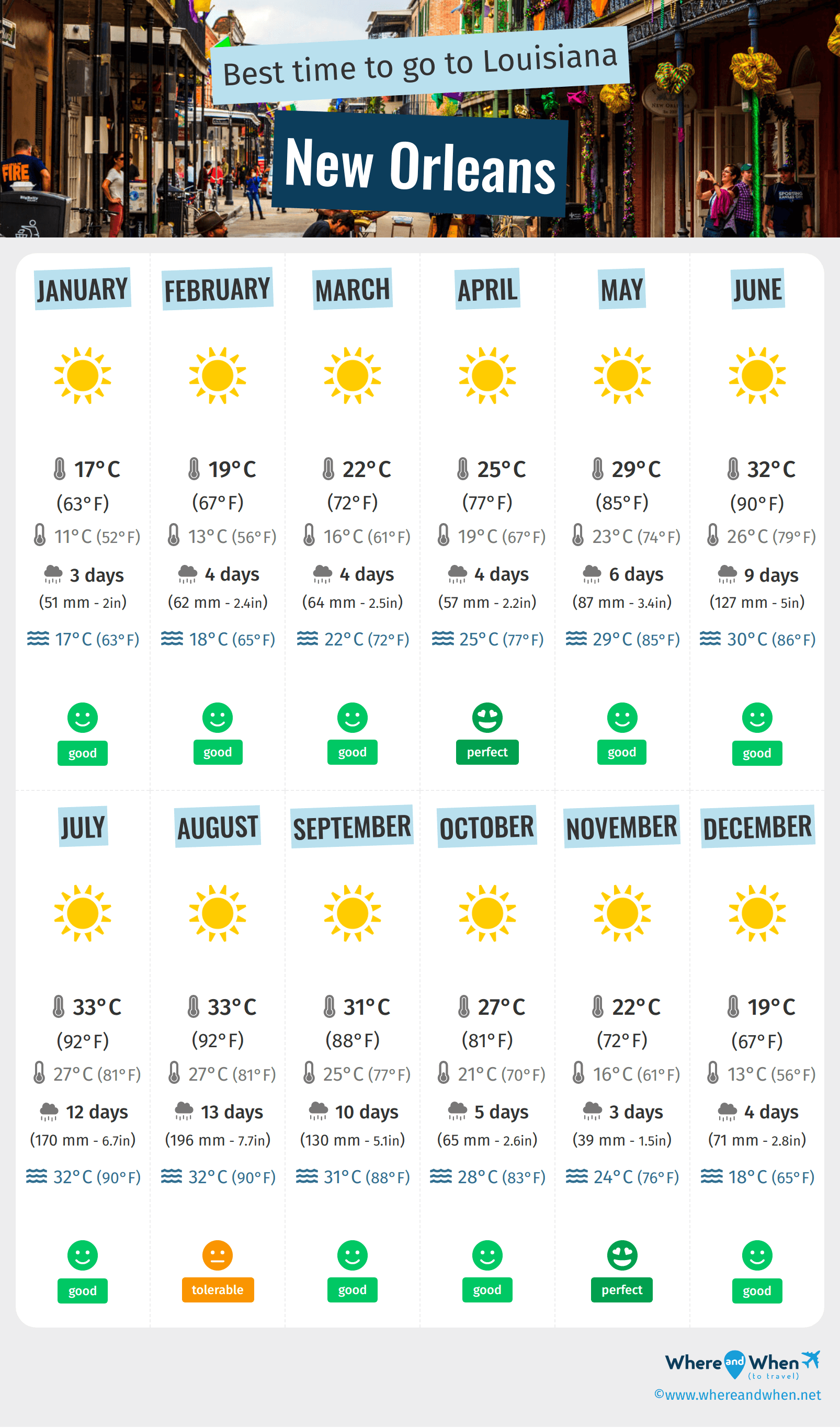
Spring in Louisiana, typically from March to May, is arguably the most popular and vibrant time to visit. The weather is generally mild and pleasant, with comfortable temperatures and lower humidity before the summer heat descends. This season is synonymous with festivals, drawing visitors from around the globe. The crowning jewel, of course, is Mardi Gras, an explosion of parades, music, and revelry that transforms New Orleans into a kaleidoscope of celebration. While the main event typically falls in February or early March, the festive spirit permeates the weeks leading up to Ash Wednesday. Following Mardi Gras, the musical celebrations continue with the New Orleans Jazz & Heritage Festival (affectionately known as “Jazz Fest”) in late April and early May, showcasing a staggering array of musical talent, delicious food, and crafts. The French Quarter Festival, held earlier in April, offers a free, more locally focused celebration of New Orleans’s music and culinary heritage. For those seeking cultural immersion, spring is the definitive “time” to be in Louisiana.
Summer: Tropical Vibes and Indoor Escapes
June through August brings the full force of Louisiana’s subtropical climate: heat and humidity. While this might deter some, summer offers its own unique advantages and experiences. The crowds tend to thin out slightly after the spring festival season, making it a good time for budget-conscious travelers or those who prefer a more relaxed pace. This is the ideal time to explore Louisiana’s indoor attractions, such as the impressive Audubon Aquarium of the Americas or the fascinating Mardi Gras World. Air-conditioned plantation homes like Laura Plantation offer a cool retreat while delving into history. Summer is also perfect for embracing the state’s natural beauty on a swamp or bayou tour, where alligators and other wildlife are active and easily spotted in the lush, humid environment of the Atchafalaya Basin. Events like the Essence Festival in July bring a vibrant energy to New Orleans, celebrating African American culture and music. Packing light, breathable clothing, staying hydrated, and planning activities during the cooler parts of the day are essential tips for a summer visit.
Fall: Cultural Harvest and Cooler Comforts
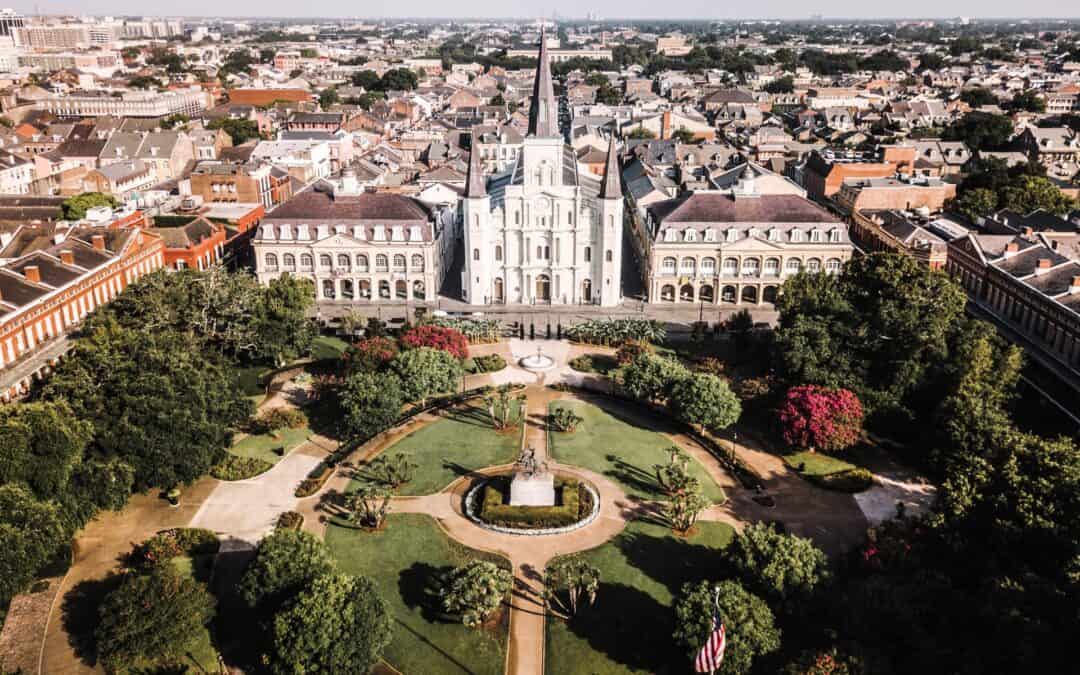
As autumn arrives from September to November, Louisiana sheds some of its summer intensity, offering cooler temperatures and lower humidity, making it another excellent time for tourism. The fall season is a prime time for culinary festivals, celebrating the state’s bountiful harvests and world-renowned cuisine. Oyster festivals, gumbo cook-offs, and various food-centric events pop up across the state, from New Orleans to Lafayette. Halloween in New Orleans is a spectacle in itself, rivaling Mardi Gras with its elaborate costumes and haunted history tours through the French Quarter and Garden District. Music festivals continue into the fall, with events like the Voodoo Music + Arts Experience offering diverse musical acts. The weather is conducive to exploring outdoor attractions like Jackson Square, taking a stroll through Audubon Park, or enjoying an open-air carriage ride. Fall provides a comfortable window to explore the state’s cultural depth without the intense heat or the peak crowds of spring.

Winter: Holiday Cheer and Mild Escapes
December through February brings Louisiana’s mildest weather, making it an attractive escape for those fleeing colder climates. While occasional cold fronts can bring chilly temperatures, snow is a rare occurrence. This is a delightful time to experience the state’s unique holiday traditions. “Christmas in the Oaks” at City Park in New Orleans transforms the botanical gardens into a dazzling light display. Réveillon dinners, a Creole tradition, offer multi-course culinary feasts in many New Orleans restaurants. The cooler weather is perfect for leisurely walks along Bourbon Street, visiting historic sites like St. Louis Cathedral, or exploring the grandeur of the Louisiana State Capitol in Baton Rouge. Towards the end of winter, the anticipation for Mardi Gras builds, with parades starting weeks before Fat Tuesday, offering a taste of the festive season without the full intensity of the main event. Winter in Louisiana combines a festive atmosphere with comfortable exploration.
Embracing Local Culture: Timing Your Immersion
Beyond seasonal considerations, the very “time” of day and the rhythm of life in Louisiana dictate how you can best engage with its local culture, food, and activities. Understanding these subtle temporal nuances can transform a tourist visit into an immersive cultural experience.
Culinary Clocks: When to Savor Louisiana’s Flavors
Louisiana’s culinary scene operates on its own delightful clock. While breakfast can be a quick affair, brunch is a revered institution, especially on weekends. Many restaurants, particularly in New Orleans, offer elaborate jazz brunches that are as much an experience as a meal, often stretching late into the afternoon. Lunch might be a quick po’boy, but dinner is a celebratory event. Fine dining establishments across the state, from upscale New Orleans eateries to hidden gems in Lafayette, expect patrons to linger and savor. And for those with a late-night appetite, the state truly comes alive after dark. Many food stalls and cafes remain open well past midnight, serving up savory treats like beignets at Café Du Monde or satisfying late-night gumbo. Don’t rush your meals; the slower pace of dining is an integral part of the local culture, encouraging conversation and enjoyment. A visit to the Tabasco Factory on Avery Island also has specific operating hours for tours and tastings, so planning ahead is key.
Music and Merriment: Syncing with the Sounds
Music is the heartbeat of Louisiana, and its schedule is often fluid yet vibrant. Live music can be found at almost any “time” of day, particularly in New Orleans. While daytime street performers entertain passersby in the French Quarter, the evenings truly ignite. From intimate jazz clubs on Frenchmen Street to blues dives in Shreveport and Zydeco dancehalls in Acadiana, most venues don’t truly get started until later in the evening, often peaking around 9 PM or 10 PM and continuing into the early morning hours. If you want to experience the true essence of Louisiana’s musical heritage, plan your nights for late starts and be prepared to dance. Checking local listings or asking hotel concierges about specific band schedules will ensure you catch your preferred genre or artist.
Historic Encounters: Optimal Visiting Hours for Landmarks
For museums, historic homes, and cultural sites, visiting hours are typically structured, though it’s always wise to check their official websites for the most current information. Most major attractions open around 9 AM or 10 AM and close between 4 PM and 5 PM. Planning to visit popular sites like Oak Alley Plantation or the Louisiana State Museum earlier in the morning can help avoid the largest crowds, allowing for a more serene and insightful experience. Walking tours, especially in historic districts, often have multiple departure times throughout the day, with evening ghost tours offering a different, often chilling, perspective on the past. Understanding these schedules helps optimize your time and ensures you don’t miss out on important historical and cultural engagements.
Beyond the Clock: The Louisiana Pace of Life
Finally, “What time is Louisiana?” is also a question about its intrinsic pace. While the rest of the world rushes, Louisiana often encourages a more deliberate, unhurried approach to life and leisure. This philosophy is a crucial “tip” for any tourist seeking to truly connect with the state.
“Laissez les bons temps rouler”: Adopting the Local Mindset
The unofficial motto, “Laissez les bons temps rouler” (Let the good times roll), isn’t just a phrase; it’s a way of life that dictates the rhythm of the state. It embodies a spirit of embracing the moment, savoring experiences, and not letting the pressures of time dictate joy. For tourists, this means being prepared to slow down. Don’t overschedule every minute of your day. Allow for spontaneous detours, linger over coffee, or strike up a conversation with a local. This relaxed attitude is a fundamental part of Louisiana’s culture, and by adopting it, you’ll find yourself more attuned to the nuances of your surroundings and the warmth of its people. This relaxed “time” perspective is particularly evident in cities like Monroe or smaller towns, where life flows at a gentler current compared to the bustling energy of New Orleans.
Planning for Spontaneity: The Art of Unscheduled Exploration
While planning is essential for flights and accommodations, some of the best Louisiana experiences come from unplanned moments. Allocate “free time” in your itinerary specifically for wandering, exploring, and seeing where the day takes you. Stroll through the markets, pop into a live music venue you stumble upon, or simply sit on a bench in a public square like Jackson Square and people-watch. This openness to spontaneity allows you to truly feel the pulse of the state and discover hidden gems that guidebooks might miss. The “time” to discover Louisiana is not just on the clock, but in the moments you allow yourself to simply be, to absorb, and to roll with the vibrant, soulful current of this unforgettable destination. By understanding both the practical and philosophical aspects of “time” in Louisiana, you can craft a tourism experience that is not only well-organized but deeply enriching and authentic.
LifeOutOfTheBox is a participant in the Amazon Services LLC Associates Program, an affiliate advertising program designed to provide a means for sites to earn advertising fees by advertising and linking to Amazon.com. Amazon, the Amazon logo, AmazonSupply, and the AmazonSupply logo are trademarks of Amazon.com, Inc. or its affiliates. As an Amazon Associate we earn affiliate commissions from qualifying purchases.