The question “How far is Vancouver from Seattle?” is a common one for travelers eager to explore the vibrant Pacific Northwest. These two iconic cities, one in Canada and the other in the United States, are relatively close, making cross-border travel a popular and accessible adventure. Whether you’re planning a weekend getaway, a business trip, or an extended tour of the region, understanding the distance, travel options, and what awaits you in each destination is key to a seamless and enriching experience. Both Vancouver and Seattle boast stunning natural beauty, rich cultural scenes, diverse culinary landscapes, and a plethora of attractions that cater to every type of traveler. This article will delve into the various facets of traveling between these two cosmopolitan hubs, covering everything from the precise distance and diverse transportation methods to accommodation choices, lifestyle considerations, and the unmissable landmarks that define each city.
The Proximity and the Journey: Unveiling the Distance
The geographical relationship between Vancouver and Seattle is one of convenient proximity, making them ideal twin destinations for exploring the beauty of the Pacific Northwest. Strategically located along the coast, these cities are separated by a distance that is manageable for a variety of travel preferences.
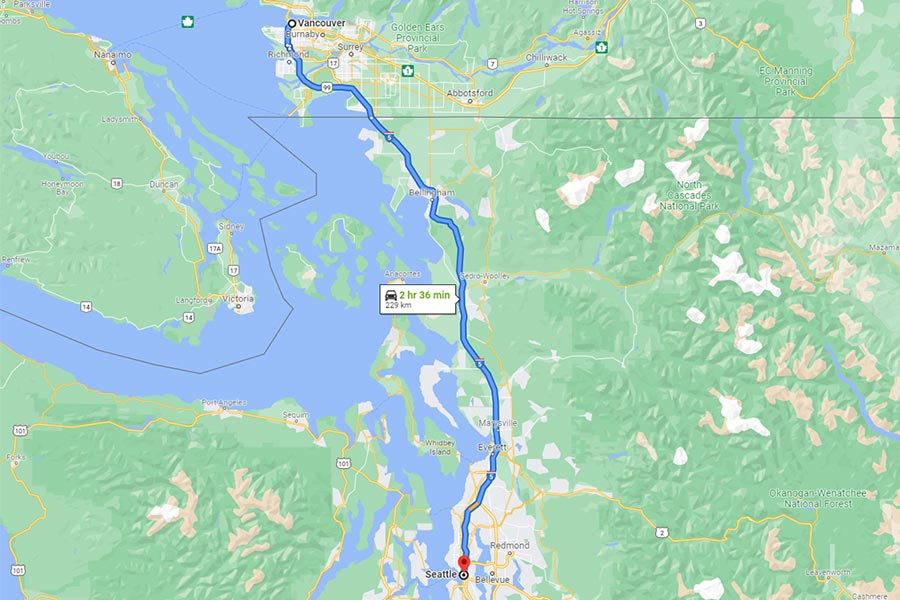
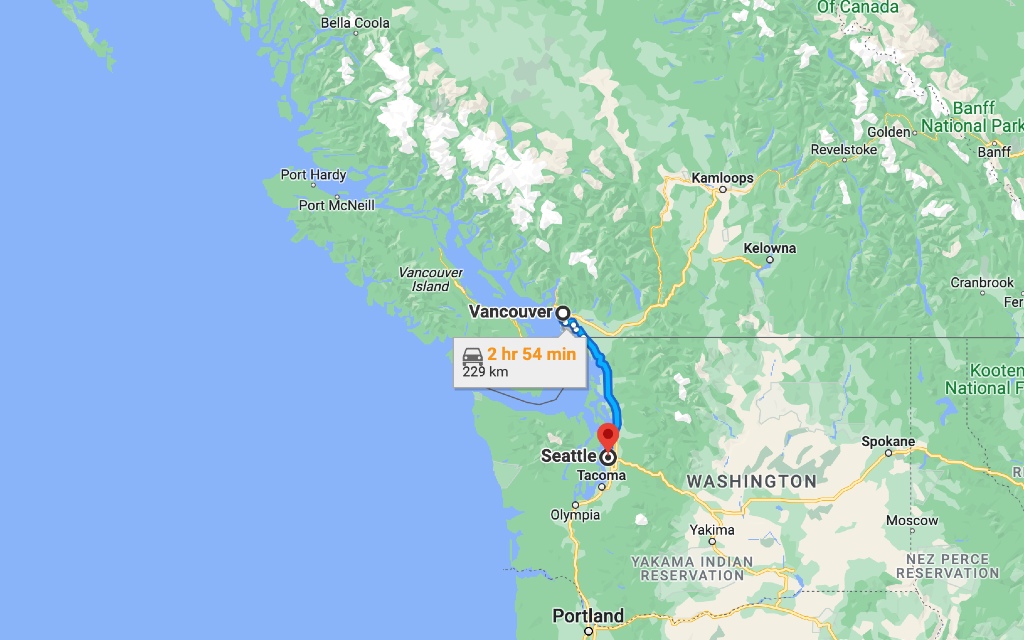
The direct driving distance between downtown Vancouver and downtown Seattle is approximately 140 to 145 miles (about 225 to 233 kilometers). This measurement, however, only tells part of the story, as actual travel time is heavily influenced by factors such as traffic conditions, border crossing wait times, and the specific mode of transportation chosen.
Driving Distance and Time
Driving is arguably the most popular way to travel between Vancouver and Seattle, offering flexibility and the opportunity to enjoy the scenic landscape of Washington State and British Columbia. The primary route for this journey is Interstate 5 (I-5) on the U.S. side, which connects directly to Canada’s Highway 99.
- Average Driving Time: Without accounting for border delays or heavy traffic, the drive typically takes around 2.5 to 3 hours. However, it’s crucial to factor in additional time, especially during peak travel seasons, holidays, or weekends.
- Border Crossing: The U.S.-Canada border is a significant consideration. The busiest crossing is the Peace Arch Border Crossing near Blaine, Washington and Surrey, British Columbia. Other, less crowded options include the Aldergrove Border Crossing (also known as the Lynden-Aldergrove Border Crossing) and the Sumas Border Crossing. Wait times can range from a few minutes to several hours, so checking real-time border conditions online or via dedicated apps before departure is highly recommended.
- Documentation: All travelers must have a valid passport or an enhanced driver’s license (for U.S. and Canadian citizens) for cross-border travel. For expedited crossings, programs like NEXUS can significantly reduce wait times for pre-approved travelers.
- Traffic: I-5 through Seattle and Highway 99 approaching Vancouver can experience significant congestion, particularly during weekday rush hours. Planning your drive to avoid these times can save considerable travel time.
Driving provides the ultimate flexibility, allowing spontaneous stops at charming towns, scenic viewpoints, or roadside attractions. For those with their own vehicle or considering a rental, it’s a popular and convenient choice.
Exploring Transportation Options: Beyond the Wheel
While driving offers undeniable freedom, a range of other transportation options connects Vancouver and Seattle, each catering to different preferences for cost, comfort, and travel experience.
Bus Travel: An Economical Choice
Bus services provide an economical and often convenient way to travel between these two cities, especially for solo travelers or those on a budget.
- Major Bus Companies: Several reputable companies operate routes, including FlixBus and Quick Shuttle. Amtrak Thruway also offers bus connections that integrate with their train services.
- Travel Time and Cost: Bus journeys typically take between 3.5 to 5 hours, depending on traffic, border crossing efficiency, and the number of stops. Fares are generally affordable, often ranging from $20 to $50, though prices can vary based on booking in advance and demand.
- Comfort and Amenities: Modern buses often come equipped with Wi-Fi, power outlets, and comfortable seating, making the journey pleasant. They usually drop off and pick up passengers at central locations in both cities, reducing the need for additional transfers upon arrival.
Bus travel is a practical choice for those who prefer to sit back, relax, and let someone else handle the navigation and border formalities.
Train Travel: Scenic and Relaxing
For a more leisurely and scenic journey, the train is an excellent option. Amtrak Cascades operates a daily service connecting Seattle and Vancouver, offering breathtaking views of the Pacific Northwest coastline and inland landscapes.
- The Amtrak Cascades Experience: The train route winds along Puget Sound, past charming waterfront towns, and through lush forests, offering a unique perspective of the region that cannot be seen from the highway. The train itself is comfortable, with spacious seating, a dining car, and often Wi-Fi access.
- Travel Time: The train journey typically takes around 4 hours, including the time spent at the border for customs and immigration checks, which are usually conducted on board or at the station. This can be a more relaxed way to cross the border than driving, as you don’t have to navigate queues in a vehicle.
- Cost: Train tickets are generally priced higher than bus fares but can be comparable to or less than some airfares, especially when booked in advance. Prices can range from $30 to $70, varying by class and booking time.
Train travel is ideal for those who value comfort, scenic beauty, and a more relaxed pace, transforming the journey into part of the travel experience itself.
Flying: The Fastest Option
When time is of the essence, flying is undoubtedly the quickest way to travel between Vancouver and Seattle, though it comes with its own set of considerations.
- Airports: Flights operate between Vancouver International Airport (YVR) and Seattle-Tacoma International Airport (SEA).
- Flight Duration: The actual flight time is remarkably short, typically around 45-60 minutes.
- Total Travel Time: While the flight itself is brief, the overall travel time can add up once you factor in commuting to and from airports, security checks, and potential delays. Door-to-door, flying can take 3-4 hours, sometimes rivaling train or even bus travel for total time, particularly when considering the hassle of airport procedures.
- Cost: Airfares fluctuate significantly based on demand, airline, and how far in advance you book. While budget airlines might offer competitive rates, the cost can be substantially higher than bus or train tickets.
- When Flying is Advisable: Flying is best suited for those with tight schedules, connecting flights, or travelers who prioritize speed above all else, and for whom the convenience outweighs the potentially higher cost and airport-related logistics.
Choosing the right mode of transportation depends on your priorities: budget, time, comfort, and the desire to enjoy the journey itself. Each option offers a unique way to bridge the distance between these two exciting cities.
What Awaits: Attractions and Experiences in Both Cities
The journey between Vancouver and Seattle is not just about the distance covered, but about the incredible experiences waiting at either end. Both cities are renowned for their unique blend of urban sophistication and natural splendor, offering a diverse array of attractions and activities for every taste.
Seattle’s Allure
Seattle, the Emerald City, is a dynamic metropolis famed for its tech innovation, vibrant music scene, and iconic skyline set against a backdrop of mountains and water.
- Landmarks: No visit to Seattle is complete without ascending the iconic Space Needle for panoramic city views. Immerse yourself in the bustling atmosphere of Pike Place Market, one of the oldest continuously operated public markets in the United States, famous for its flying fish and artisanal goods. Discover the stunning glass art at Chihuly Garden and Glass and explore pop culture history at the Museum of Pop Culture (MoPOP), designed by Frank Gehry.
- Culture: Seattle is synonymous with coffee culture, being the birthplace of Starbucks. Explore independent coffee shops and delve into the city’s rich music history, from jazz to grunge.
- Nature: Surrounded by water (Puget Sound, Lake Union) and mountains (Olympic Mountains, Mount Rainier), Seattle offers abundant outdoor activities. Enjoy scenic walks at Kerry Park for classic skyline views, explore Gas Works Park for a unique industrial landscape, or hike through the expansive Discovery Park.
- Food Scene: From fresh seafood at Pike Place Market to diverse international cuisine in its many neighborhoods, Seattle’s culinary scene is a delight.
Vancouver’s Charm
Just north of the border, Vancouver in British Columbia is a picturesque coastal city consistently ranked among the world’s most livable, blending urban sophistication with stunning natural landscapes.
- Landmarks: Spend a day exploring Stanley Park, a magnificent urban rainforest park larger than New York’s Central Park, offering miles of seawall paths, totem poles, and beautiful gardens. Wander through the historic cobblestone streets of Gastown, home to Victorian architecture, trendy boutiques, and the famous Steam Clock. Discover local crafts, fresh produce, and gourmet treats at Granville Island Market, a hub for artists and foodies. For an adventurous thrill, visit Capilano Suspension Bridge Park with its awe-inspiring bridge and treetop adventures.
- Culture: Vancouver is a melting pot of cultures, reflected in its diverse neighborhoods and world-class culinary scene. Explore art galleries, museums, and enjoy live performances. Canada Place is an architectural landmark offering waterfront views and cruise ship terminals.
- Nature: Nestled between the North Shore Mountains and the Pacific Ocean, Vancouver offers immediate access to outdoor activities like skiing (e.g., at nearby Whistler Blackcomb), hiking, and kayaking. Enjoy urban beaches like English Bay or Kitsilano Beach.
- Shopping: Robson Street is a famous shopping district offering a mix of international brands and local boutiques.
Both cities offer an abundance of attractions, ensuring that whether you’re interested in history, art, nature, food, or simply soaking in the urban atmosphere, your itinerary will be packed with memorable experiences.
Planning Your Cross-Border Adventure: Accommodation and Lifestyle Tips
Embarking on a journey between Vancouver and Seattle requires thoughtful planning, especially concerning where you’ll stay and how to tailor your trip to your lifestyle and budget. Understanding the accommodation landscape and lifestyle considerations can elevate your travel experience.
Choosing Your Stay
Both Vancouver and Seattle offer a comprehensive range of accommodation options, from opulent five-star resorts to cozy boutique hotels and budget-friendly hostels.
- Hotels & Resorts:
- Luxury: For those seeking an indulgent experience, Seattle boasts establishments like The Ritz-Carlton, Seattle or the Four Seasons Hotel Seattle, offering unparalleled service, amenities, and often breathtaking views of Puget Sound or the city skyline. In Vancouver, the Fairmont Pacific Rim or The Pan Pacific Vancouver provide lavish suites and resort-like experiences, often featuring spas, gourmet dining, and waterfront access.
- Mid-Range: Numerous reputable hotel chains such as Hyatt Regency Vancouver, Hilton, and Marriott offer comfortable stays with a range of amenities, including pools, fitness centers, and business services. These often strike a good balance between cost and comfort, ideal for families or business travelers.
- Budget-Friendly: Hostels, independent hotels, and motels cater to budget-conscious travelers, often located slightly outside the city centers but still offering easy access to attractions via public transport.
- Alternative Accommodation: Beyond traditional hotels, consider vacation rentals (apartments, villas) for a more local experience, especially for longer stays or larger groups. Bed and breakfasts offer charming, personalized service in unique settings.
- Booking Tips:
- Reviews & Comparison: Always check recent reviews and compare prices across various booking platforms to secure the best deal.
- Location: Consider proximity to public transportation and the attractions you plan to visit.
- Amenities: Look for amenities that align with your travel needs, such as kitchens in apartments or pet-friendly options.
Tailoring Your Trip: Lifestyle Considerations
Your travel style significantly influences your itinerary and expenses. Both Vancouver and Seattle are versatile enough to accommodate various preferences.
- Luxury Travel: If you’re inclined towards luxury, indulge in fine dining at Michelin-starred restaurants, book exclusive tours, enjoy spa treatments at your resort, and consider private transportation. Both cities have high-end shopping districts and bespoke experiences that cater to a lavish lifestyle.
- Budget Travel: For cost-conscious travelers, focus on free attractions like parks and public markets. Utilize extensive public transportation networks. Seek out food trucks and local eateries for affordable yet delicious meals. Consider hostels or guesthouses for accommodation, and look for free walking tours to explore the cities.
- Family Trips: Plan activities that appeal to all ages. Both cities offer numerous kid-friendly attractions, from science museums and aquariums to expansive parks with playgrounds. Look for hotels with family suites or amenities like pools. Planning downtime and flexible itineraries is key for successful family travel.
- Business Stays: For business travelers, prioritize hotels with excellent Wi-Fi, meeting facilities, and convenient locations close to business districts or convention centers. Easy access to airports and efficient public transport is also crucial. Many hotels offer dedicated business centers and executive lounges.
Border Crossing Essentials
Regardless of your travel style, preparation for the international border crossing is paramount.
- Documents: Ensure all travelers have valid passports. For U.S. and Canadian citizens, a NEXUS card can expedite crossings. Non-U.S./Canadian citizens may require a visa for either country, so check requirements well in advance.
- Currency: Canada uses the Canadian dollar (CAD), and the United States uses the U.S. dollar (USD). Be aware of the exchange rates and consider using credit cards that offer good international exchange rates.
- Customs Declarations: Be prepared to declare all goods, especially if exceeding duty-free limits. Familiarize yourself with restrictions on bringing certain items across the border.
Best Time to Visit
The Pacific Northwest is beautiful year-round, but specific seasons offer different experiences.
- Summer (June-August): Warmest weather, ideal for outdoor activities and festivals. This is peak tourist season, so expect larger crowds and higher prices for accommodation and flights.
- Spring (April-May) & Fall (September-October): Milder temperatures, fewer crowds, and often lower prices. Spring brings blooming flowers, while fall showcases stunning autumn foliage.
- Winter (November-March): Cooler temperatures, more rain, but also opportunities for winter sports in nearby mountains (e.g., Whistler Blackcomb from Vancouver). Hotels may offer off-peak rates.
By carefully considering these factors, your journey between Vancouver and Seattle will be as smooth and enjoyable as the destinations themselves.
Conclusion: Bridging Two Vibrant Cities
The distance between Vancouver and Seattle is more than just miles; it represents an accessible gateway between two distinct yet equally captivating urban landscapes. Whether you opt for the freedom of a drive, the economy of a bus, the scenic charm of a train, or the speed of a flight, the journey itself is an integral part of the adventure. With careful planning for border crossings, insightful choices for accommodation, and an understanding of the diverse attractions each city offers, travelers can seamlessly navigate this cross-border route. From Seattle’s tech-driven innovation and coffee culture to Vancouver’s multicultural vibrancy and stunning natural beauty, the Pacific Northwest promises an unforgettable experience for every visitor.