
For travelers embarking on a journey to the vibrant metropolis of Dallas, Texas, understanding the local time is more than just a matter of curiosity; it’s a cornerstone of effective travel planning, seamless navigation, and ultimately, a more enriching experience. Whether you’re coordinating flights, booking accommodations, scheduling business meetings, or simply planning your sightseeing itinerary, knowing “What time is it now in Texas Dallas?” is the first step to unlocking the city’s myriad attractions and opportunities.
At its core, Dallas operates on Central Standard Time (CST) for a significant portion of the year, before transitioning to Central Daylight Time (CDT) during the warmer months. This article delves into the intricacies of Dallas’s time zone, exploring its practical implications for travel, tourism, and lifestyle. From managing jet lag to synchronizing your day with local rhythms, we’ll guide you through maximizing every moment in this dynamic North American hub.

Understanding Dallas’s Time Zone: Central Standard Time (CST) and Daylight Saving
The time in Dallas, like much of the United States, is governed by time zones and the seasonal shift of Daylight Saving Time. This system, while seemingly straightforward, carries significant implications for those traveling from different parts of the globe or even within the country.
The Basics of CST and CDT
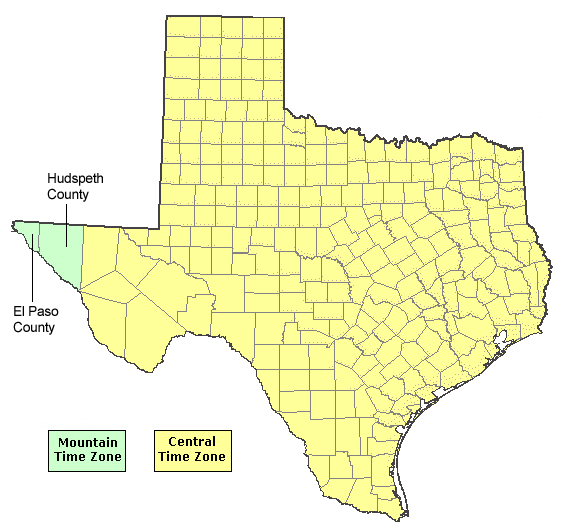
Dallas primarily falls within the Central Time Zone. During the standard period, typically from early November to mid-March, Dallas observes Central Standard Time (CST), which is UTC-06:00 (six hours behind Coordinated Universal Time or Greenwich Mean Time). This means if it’s noon UTC, it’s 6 AM in Dallas. This consistent offset makes it relatively easy to calculate time differences, especially when dealing with international travel or coordinating across continental time zones.
The Central Time Zone encompasses a broad swath of the United States, stretching from the Midwestern United States down through the Southern United States and into parts of Mexico and Canada. This widespread adoption of CST simplifies domestic travel planning within these regions.
Navigating Daylight Saving Time in Texas
From mid-March to early November, Dallas, along with most of Texas and other regions observing Daylight Saving Time, shifts to Central Daylight Time (CDT). This involves moving clocks forward by one hour. Consequently, CDT is UTC-05:00, meaning it is only five hours behind Coordinated Universal Time.
The primary purpose of Daylight Saving Time is to make better use of daylight, traditionally by extending daylight into the evening hours during warmer months. For travelers, this transition is crucial. A flight scheduled for an early morning arrival in March could suddenly find you landing an hour earlier than anticipated relative to your departure time zone, or vice-versa depending on your origin. Similarly, attractions might adjust their operating hours, and restaurants might see a shift in peak dining times. Always double-check the current local time in Dallas before and during your trip, especially if your travel dates straddle the spring forward or fall back transition. Most modern smartphones and digital devices automatically adjust, but it’s always wise to confirm manually or consult a reliable online time converter.
Practical Implications of Time Differences for Travelers and Visitors
Understanding Dallas’s time zone isn’t just academic; it has tangible effects on every aspect of your trip. From the moment you begin planning until your departure, time plays a critical role.
Planning Your Dallas Itinerary: From Arrivals to Attractions
For international travelers or those crossing multiple time zones within the United States, flight arrival and departure times require careful consideration. A red-eye flight from the East Coast might have you landing at Dallas/Fort Worth International Airport (DFW) or Dallas Love Field feeling disoriented, not just from the journey but from the time change. It’s important to account for this difference when scheduling transfers, hotel check-ins, or immediate activities.
Upon arrival, local attractions, museums, and shops operate on Dallas time. For instance, if you plan to visit The Sixth Floor Museum at Dealey Plaza or the Dallas World Aquarium, you’ll need to align your internal clock with their operating hours. Many popular destinations might have specific times for tours, performances, or even peak visitor periods. Checking these schedules in advance, using Dallas local time, will prevent disappointment and ensure you make the most of your travel experiences. Early morning tours or late evening shows will feel drastically different depending on your origin time zone.
Business Travel and Coordination Across Time Zones
Dallas is a major economic hub, attracting a significant number of business travelers. For these individuals, precise time zone awareness is paramount. Scheduling conference calls with colleagues in New York (Eastern Time, one hour ahead), Los Angeles (Pacific Time, two hours behind), or international partners requires meticulous calculation. Misjudging a time difference by even an hour can lead to missed meetings, delayed projects, and professional embarrassment.
Business travelers often arrive with tight schedules, making jet lag management and efficient time utilization critical. Knowing the current time in Dallas immediately upon arrival helps in quickly adjusting to the local rhythm for crucial presentations, networking events, and client dinners. Hotels catering to business travelers often provide in-room clocks with dual time zone displays and robust internet connectivity to help guests stay synchronized.
Managing Jet Lag and Optimizing Your Stay
Jet lag, a common affliction for long-distance travelers, is directly a result of crossing multiple time zones. When you fly into Dallas from a significantly different time zone, your body’s internal clock (circadian rhythm) remains synchronized with your origin time, leading to fatigue, disorientation, and difficulty sleeping or staying awake at appropriate times.
Strategies for combating jet lag are crucial for an enjoyable and productive trip:
- Adjust gradually: Begin adjusting your sleep schedule a few days before your trip by incrementally shifting your bedtime closer to Dallas time.
- Hydrate: Drink plenty of water before, during, and after your flight to combat dehydration, which can exacerbate jet lag symptoms.
- Embrace natural light: Once in Dallas, expose yourself to natural daylight, especially in the mornings, to help reset your circadian rhythm.
- Stay active: Gentle activity like walking through Klyde Warren Park or exploring the Dallas Arts District can help keep you energized during the day.
- Minimize caffeine and alcohol: While tempting, these can disrupt sleep patterns and worsen jet lag.
- Prioritize sleep: Ensure your accommodation offers a comfortable environment for rest, allowing you to catch up on sleep during local night hours.

By consciously managing these factors, travelers can minimize the impact of time zone changes and quickly immerse themselves in the Dallas experience.
Dallas by the Clock: Maximizing Your Experience
Dallas offers a diverse array of activities and attractions, many of which are best enjoyed at specific times of the day. Strategic planning based on local time allows you to optimize your visits and embrace the city’s unique ambiance.
Morning Marvels: Early Bird Attractions and Breakfast Spots
Starting your day early in Dallas can be incredibly rewarding. Beat the crowds at popular destinations and enjoy the city’s cooler temperatures before the midday sun.
- Sunrise at Reunion Tower: While the GeO-Deck opens a bit later, the views of the Dallas skyline from surrounding vantage points at sunrise are breathtaking, offering a serene start to your day.
- Dallas Arboretum and Botanical Garden: Opening early, this sprawling garden is particularly beautiful and peaceful in the morning light, perfect for a leisurely stroll and photography before the crowds arrive.
- Breakfast in Bishop Arts District: This historic neighborhood comes alive with charming cafes and bakeries serving up delicious breakfast and coffee. Enjoy a leisurely meal before exploring the district’s unique boutiques and art galleries.
Afternoon Adventures: Iconic Landmarks and Shopping
The afternoon in Dallas is ideal for exploring its iconic landmarks and indulging in some retail therapy.
- The Sixth Floor Museum at Dealey Plaza: A poignant historical site, the museum can get busy. Visiting in the early to mid-afternoon might coincide with slightly fewer crowds than morning peaks.
- Klyde Warren Park: This urban oasis over a freeway becomes a vibrant hub in the afternoon, with food trucks, children’s activities, and fitness classes. It’s a perfect spot for a casual lunch and people-watching.
- Shopping in Uptown Dallas or NorthPark Center: Dallas is a shopper’s paradise. The afternoon allows ample time to browse the luxury boutiques of Uptown Dallas or the extensive offerings at NorthPark Center, one of the premier shopping destinations in the United States.
Evening Elegance: Dining, Entertainment, and Nightlife
As the sun sets, Dallas transforms, offering a sophisticated array of dining, cultural experiences, and lively nightlife options.
- Sunset at Reunion Tower: The ultimate evening experience. Head up to the GeO-Deck around sunset to witness the city lights begin to twinkle, followed by dinner at one of the tower’s rotating restaurants for an unforgettable view.
- Dallas Arts District: Catch a performance at the AT&T Performing Arts Center, explore galleries, or enjoy a meal at one of the district’s acclaimed restaurants. Evenings here are culturally rich.
- Deep Ellum and Uptown Dallas Nightlife: For those seeking vibrant nightlife, Deep Ellum offers live music venues and eclectic bars, while Uptown Dallas boasts chic lounges and upscale clubs. Both districts truly come alive after dark.
Accommodation and Booking: Time-Sensitive Considerations
When it comes to booking hotels, suites, resorts, or apartments in Dallas, time is a critical factor influencing everything from availability and pricing to practical logistics.
Check-in/Check-out Times and Hotel Amenities
Most hotels in Dallas adhere to standard check-in times around 3:00 PM or 4:00 PM and check-out times around 11:00 AM or 12:00 PM, all according to local Dallas time. For travelers arriving early or departing late due to flight schedules, this can pose a challenge.
- Early Check-in/Late Check-out: Always contact your accommodation in advance to inquire about early check-in or late check-out options. While often subject to availability and sometimes an additional fee, securing these can significantly enhance comfort, allowing you to rest or freshen up without having to store your luggage for hours.
- Luggage Storage: Most hotels offer complimentary luggage storage, a convenient amenity if your flight schedule doesn’t align with standard check-in/out times. This allows you to explore Dallas unburdened.
- Amenities: Be aware of the operating hours for hotel amenities like pools, fitness centers, and breakfast services. If you’re struggling with jet lag, knowing when these facilities are available can help you plan your day for relaxation or rejuvenation. For example, an early morning swim might be just what you need to adjust to Dallas time.
Booking Flights and Tours: Synchronizing Your Schedule
The timing of your bookings can have a significant impact on your travel budget and overall experience.
- Flight Booking: Airlines display flight times in local time for both departure and arrival. Always confirm the time zones involved to understand the actual duration of your journey and to accurately predict your arrival time in Dallas. For example, a flight from Houston (also CST/CDT) to Dallas will be straightforward, but one from Miami (Eastern Time) will involve a one-hour time gain.
- Tour and Activity Bookings: When booking guided tours, restaurant reservations, or tickets to attractions online from a different time zone, ensure you’re referencing Dallas local time. A 7:00 PM dinner reservation in Dallas might feel like 9:00 PM if you’re coming from the East Coast, requiring you to adjust your internal clock faster. Online booking platforms usually specify the time zone for listed activities, but a double-check is always prudent.
- Comparison and Reviews: When comparing different accommodation options or tour packages, consider how their schedules align with your anticipated energy levels, especially in the first few days. Reviews from other travelers mentioning time-related issues (e.g., noisy early mornings, late check-out policies) can be valuable.
Embracing the Dallas Lifestyle: Time Management for a Memorable Trip
Whether your trip to Dallas is for leisure, business, or a blend of both, managing your time effectively is key to a truly memorable experience that aligns with the local lifestyle.
Family Fun: Pacing Your Day with Children
Traveling with family, especially young children, requires meticulous time management. Kids often struggle more with jet lag and thrive on routine.
- Gradual Adjustment: Allow extra time for children to adjust to Dallas time. Plan for quieter first days with less ambitious itineraries.
- Morning Activities: Capitalize on children’s natural tendency to wake early by scheduling morning visits to places like the Dallas World Aquarium or the Dallas Arboretum and Botanical Garden.
- Downtime: Incorporate midday breaks for naps or quiet time at your accommodation to prevent overstimulation and meltdowns. Klyde Warren Park offers a great space for kids to play and expend energy between planned activities.
- Early Dinners: Many family-friendly restaurants in Dallas cater to earlier dinner times, which can align well with children’s usual eating schedules.
Luxury and Leisure: Slowing Down or Speeding Up
For those indulging in luxury travel, time is often about flexibility and personalized experiences.
- Spa and Wellness: Schedule spa treatments, golf tee times, or private tours at your leisure. High-end resorts and hotels in Dallas often offer 24-hour concierge services to help coordinate your schedule.
- Gourmet Dining: Dallas boasts an impressive culinary scene. Book reservations at acclaimed restaurants, understanding that peak dining hours are typically between 7:00 PM and 9:00 PM local time.
- Exclusive Experiences: Whether it’s a private shopping experience in Highland Park Village or a bespoke art gallery tour, these activities are often tailored to your preferred timing. The emphasis here is on savoring each moment, not rushing through a checklist.
Budget-Friendly Exploration: Making Every Moment Count
Budget travelers, while often more time-constrained, can still make every moment count by optimizing their schedule.
- Free Activities: Plan visits to free attractions like Klyde Warren Park, exploring Deep Ellum’s murals, or walking through Downtown Dallas during daylight hours to maximize your value.
- Public Transport: Familiarize yourself with Dallas’s DART public transportation schedule to save on taxi or rideshare costs. Understanding peak hours can help you avoid delays.
- Happy Hour Deals: Many restaurants offer happy hour specials in the late afternoon (e.g., 4:00 PM to 6:00 PM), a great way to enjoy discounted food and drinks while aligning with a slightly earlier dinner schedule.
- Early Bird Discounts: Some attractions or tours might offer slightly reduced rates for early morning visits, which can be an excellent way to save money and avoid crowds.
In conclusion, knowing “What time is it now in Texas Dallas?” is far more than a simple fact. It’s the key to navigating your journey with confidence, optimizing your itinerary, managing personal well-being, and ultimately, crafting an unforgettable travel experience in one of Texas’s most exciting cities. By being mindful of Dallas’s time zone and its seasonal shifts, you’re better prepared to immerse yourself fully in all that this vibrant destination has to offer.
LifeOutOfTheBox is a participant in the Amazon Services LLC Associates Program, an affiliate advertising program designed to provide a means for sites to earn advertising fees by advertising and linking to Amazon.com. Amazon, the Amazon logo, AmazonSupply, and the AmazonSupply logo are trademarks of Amazon.com, Inc. or its affiliates. As an Amazon Associate we earn affiliate commissions from qualifying purchases.