
The allure of a Maine Coon cat is undeniable. Often referred to as the “gentle giants” of the feline world, these magnificent creatures captivate with their impressive size, shaggy coats, and amiable personalities. They are not just pets; for many, they are beloved family members, bringing warmth, amusement, and a unique presence into their homes. However, alongside the joy they bring, comes the inevitable question for prospective owners: “How expensive is a Maine Coon cat?” This inquiry delves beyond the initial purchase price, encompassing the multifaceted costs associated with providing a happy, healthy, and fulfilling life for these extraordinary cats. Understanding these expenses is crucial for responsible ownership and ensuring you can meet the needs of your new companion.
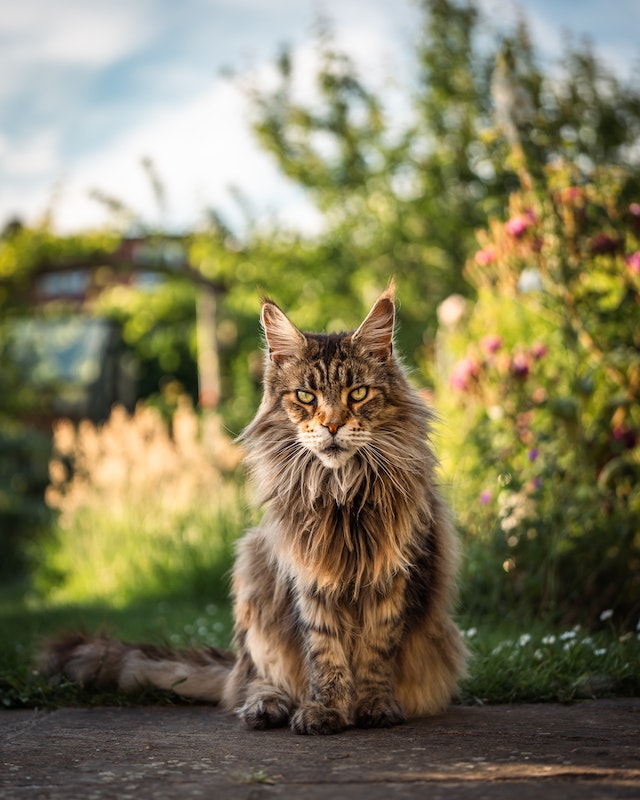
The cost of a Maine Coon cat is not a static figure. It’s a dynamic sum influenced by a variety of factors, from the breeder’s reputation to the cat’s lineage and the ongoing expenses of care. This article aims to provide a comprehensive overview, breaking down the potential financial commitments involved in owning a Maine Coon cat, covering the initial acquisition and the long-term expenditures that contribute to their well-being. Whether you’re dreaming of a playful kitten or considering adopting an adult cat, this guide will help you navigate the financial landscape of Maine Coon ownership.
The Initial Acquisition: Understanding the Purchase Price
The most immediate cost associated with bringing a Maine Coon cat into your life is, of course, the purchase price. This figure can vary significantly, and it’s important to understand what influences it.
Factors Influencing the Purchase Price
The price of a Maine Coon kitten or adult cat is largely determined by the breeder. Reputable breeders invest a considerable amount of time, effort, and resources into their cats. This includes health testing their breeding stock for common genetic conditions like hypertrophic cardiomyopathy (HCM) and hip dysplasia, which are known to affect the breed. They also focus on maintaining the breed’s standard, ensuring good temperaments, and providing excellent socialization for their kittens.
- Breeder Reputation and Location: Highly respected breeders with a proven track record of producing healthy, well-socialized cats often command higher prices. Their commitment to the breed’s health and welfare is a significant factor. The geographical location of the breeder can also play a role, with prices potentially differing between regions and countries. For example, a breeder in a major city might have higher overheads than one in a rural area.
- Pedigree and Bloodlines: Maine Coon cats with exceptional pedigrees, tracing back to champion bloodlines or renowned show cats, will naturally be more expensive. These cats often have desirable traits in terms of conformation, temperament, and coat quality, making them sought after by enthusiasts and other breeders.
- Kitten Age and Availability: Kittens are generally more expensive than adult cats. This is because they require more intensive care and socialization from birth. The demand for kittens can also influence pricing. If kittens are in high demand, breeders may set higher prices.
- Coat Color and Markings: While less of a significant factor than lineage or health testing, certain coat colors or patterns that are rarer or particularly desirable within the breed standard might command a slightly higher price.
- “Pet Quality” vs. “Show/Breeding Quality”: Breeders often categorize kittens as “pet quality” or “show/breeding quality.” Pet quality cats may have minor imperfections that don’t affect their health or temperament but prevent them from being shown or bred. These are typically less expensive. Show/breeding quality cats, which meet the breed standard closely, are priced higher due to their potential for competition and contributing to the breed’s future.
Typical Price Ranges
On average, you can expect to pay anywhere from $800 to $2,500 for a Maine Coon kitten from a reputable breeder. Some exceptionally well-bred cats from highly sought-after bloodlines might even exceed this range. Adopting an adult Maine Coon from a rescue organization or shelter can be significantly less expensive, often ranging from $100 to $500, though these cats may not come with the same guarantees or detailed lineage information as those from breeders. It’s crucial to differentiate between a rescue adoption fee, which helps cover the cost of care and vetting, and a purchase price from a breeder.
When considering the initial acquisition cost, remember that this is an investment in a healthy, well-adjusted companion. A lower initial price from a less reputable source could lead to significant unforeseen veterinary expenses down the line if the cat has genetic health issues or behavioral problems due to poor socialization.
Ongoing Costs of Maine Coon Ownership: Beyond the Purchase Price
The purchase price is just the beginning of your financial commitment to a Maine Coon cat. These large, active, and sometimes particularly affectionate felines have ongoing needs that translate into regular expenses.
Food and Nutrition
Maine Coons are known for their substantial size, and this means they require a good amount of high-quality food. Their diet should be tailored to their life stage (kitten, adult, senior) and their specific needs.
- High-Quality Cat Food: Investing in premium cat food, whether wet or dry, is essential for their health. Look for brands that list meat as the first ingredient and are formulated for large breeds if available. This can range from $50 to $150 per month, depending on the brand and whether you opt for wet food, dry food, or a combination.
- Dietary Supplements: Some Maine Coons may benefit from supplements, particularly those designed for joint health, given their potential for hip dysplasia. Your veterinarian can advise on appropriate supplements. These costs can add an extra $10 to $30 per month.
- Treats: While not a necessity, treats are often used for training and bonding. Budget an additional $5 to $15 per month for treats.
Veterinary Care: Essential for a Long and Healthy Life
Regular veterinary check-ups are non-negotiable for any cat owner, and Maine Coons are no exception. Their size and breed-specific health concerns necessitate proactive care.
- Annual Check-ups and Vaccinations: These are crucial for monitoring your cat’s health, catching potential issues early, and keeping them protected against common diseases. Expect to spend $100 to $300 per year for routine check-ups and vaccinations.
- Flea, Tick, and Heartworm Prevention: Monthly or annual preventative treatments are vital for protecting your cat from parasites, which can cause serious health problems. This can cost between $200 to $400 per year.
- Deworming: Regular deworming is also part of preventative care.
- Spaying/Neutering: If not already done, this is a one-time but significant expense. Spaying or neutering a Maine Coon can cost anywhere from $150 to $600, depending on the veterinarian and the complexity of the procedure.
- Dental Care: Cats can develop dental issues, and routine dental cleanings may be necessary. This can range from $200 to $1,000, depending on the severity of the dental disease.
- Illness and Emergencies: This is the most unpredictable cost. Maine Coons, like all cats, can get sick or injured. Emergency vet visits, diagnostics (X-rays, blood work), and treatment can easily run into the hundreds or even thousands of dollars per incident. This is where pet insurance can be invaluable.
- Pet Insurance: Many owners opt for pet insurance to help manage unexpected veterinary costs. Premiums can vary widely based on your cat’s age, breed, your location, and the coverage level you choose, but typically range from $30 to $70 per month, or $360 to $840 per year.

Grooming and Maintenance
While Maine Coons are known for their beautiful, luxuriant coats, they do require regular grooming to keep them healthy and tangle-free.
- Brushes and Combs: Investing in good quality grooming tools is essential. A slicker brush, a metal comb, and perhaps a dematting tool will be necessary. The initial investment for these tools might be around $30 to $60.
- Nail Trimmers: Regular nail trimming is important for both your cat’s comfort and your furniture. A good pair of cat nail clippers costs about $10 to $20.
- Cat Shampoo and Conditioner: Occasional baths may be needed, especially if your cat gets into something messy. Budget around $15 to $30 per year for grooming supplies.
- Professional Grooming: Some owners prefer to take their Maine Coons to a professional groomer for regular deshedding treatments or if they struggle with matting. This can cost $50 to $100 per session, which might be needed every 2-3 months.
Toys, Accessories, and Enrichment
To keep your Maine Coon happy and stimulated, you’ll need to provide them with appropriate toys, bedding, and enrichment.
- Scratching Posts and Trees: Maine Coons are large and active, so they need sturdy, tall scratching posts and cat trees to satisfy their climbing and scratching instincts. A good quality cat tree can cost anywhere from $100 to $400 or more.
- Toys: A variety of toys, from interactive wand toys to puzzle feeders and plush mice, will keep your cat engaged. Budget around $10 to $20 per month for new toys to keep things interesting.
- Litter Box and Litter: You’ll need a large litter box and a consistent supply of cat litter. The cost of litter can range from $20 to $50 per month, depending on the type and brand you choose.
- Food and Water Bowls: Durable, easy-to-clean bowls are a must. Stainless steel or ceramic are good options.
- Carrier: A sturdy carrier is necessary for vet visits and travel.
- Beds: While your Maine Coon might eventually decide your sofa or your bed is their preferred sleeping spot, having a comfortable bed or two dedicated to them is a good idea.
Potential Hidden Costs and Considerations
Beyond the regularly itemized expenses, there are other factors that can contribute to the overall cost of owning a Maine Coon cat, as well as things to consider that aren’t strictly monetary.
Training and Socialization
While Maine Coons are known for their docile nature, proper training and early socialization are vital for a well-adjusted cat. This usually falls under the owner’s responsibility and time investment, but if you choose to enroll in obedience classes or seek professional behavior advice, this can incur additional costs.
Travel and Pet Sitting
If you travel frequently, you’ll need to factor in the cost of boarding your Maine Coon cat at a reputable cattery or hiring a pet sitter. Boarding costs can range from $25 to $60 per night, and pet sitters might charge a similar amount for home visits. This is a significant consideration for those who enjoy extended travel, perhaps to destinations like Paris, Rome, or even a relaxing stay at a luxury resort in Bali. Ensuring your cat is comfortable and well-cared for while you’re away is paramount.
Home Modifications and Pet-Proofing
Maine Coons are curious and can be quite active. You might need to invest in cat-proofing your home, securing cabinets, or providing safe, elevated spaces for them to explore. This might involve purchasing cat-friendly furniture or modifying existing pieces to accommodate their size and climbing abilities. For instance, if you have a beautiful Italian villa or a modern apartment in New York City, you might want to ensure their climbing needs are met safely.
Loss and Replacement
Though a heartbreaking thought, there’s always the possibility of losing a pet. While not a direct financial cost, the emotional toll is immense. However, if you are considering a purebred Maine Coon, researching microchipping and ensuring your contact information is up-to-date with a registry like PetLink or HomeAgain can aid in recovery and minimize the stress associated with such an event.
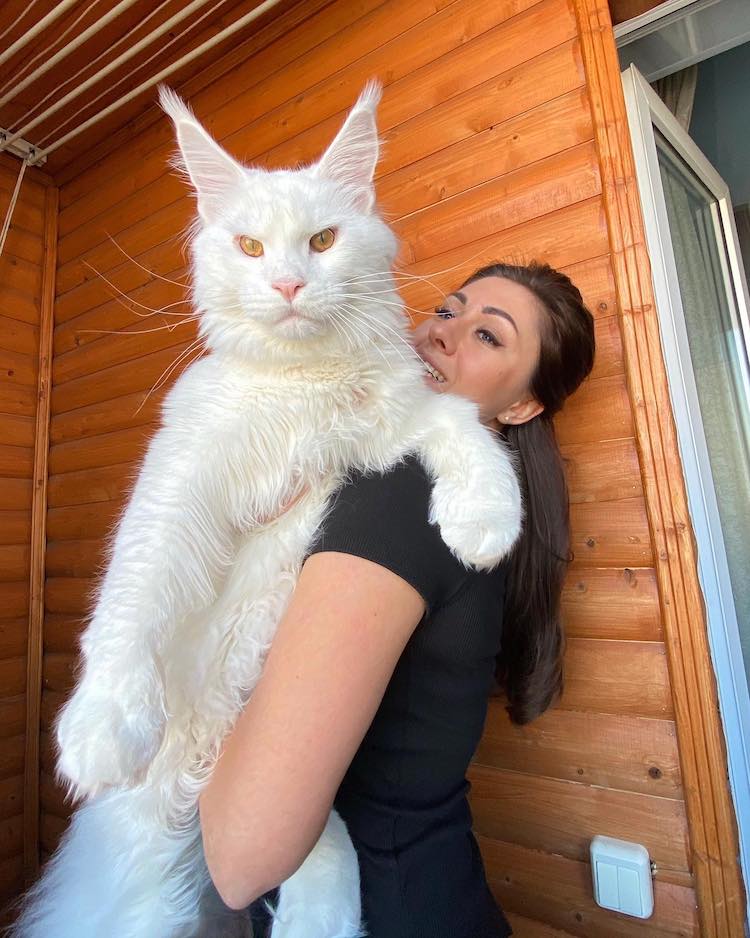
The Value of Companionship
Ultimately, when asking “How expensive is a Maine Coon cat?”, it’s crucial to weigh the financial costs against the immeasurable value of their companionship. The love, laughter, and unique personality that a Maine Coon brings into your life are truly priceless. They become integral members of the family, sharing in the everyday moments and the grand adventures, much like a cherished travel companion would.
In conclusion, owning a Maine Coon cat is a significant financial commitment. From the initial purchase price to ongoing food, veterinary care, grooming, and enrichment, the costs can add up considerably. However, for those who are prepared for these expenses and can provide a loving, stable environment, the rewards of sharing your life with one of these magnificent creatures are truly extraordinary. By carefully planning and budgeting, you can ensure your Maine Coon enjoys a long, happy, and healthy life by your side, enriching your lifestyle and creating lasting memories.
LifeOutOfTheBox is a participant in the Amazon Services LLC Associates Program, an affiliate advertising program designed to provide a means for sites to earn advertising fees by advertising and linking to Amazon.com. Amazon, the Amazon logo, AmazonSupply, and the AmazonSupply logo are trademarks of Amazon.com, Inc. or its affiliates. As an Amazon Associate we earn affiliate commissions from qualifying purchases.