
The rugged, wild beauty of Maine is intrinsically linked with its most iconic inhabitant: the majestic moose. These gentle giants, with their imposing antlers and silent grace, are a quintessential part of the Pine Tree State’s identity. For any visitor, a sighting of a moose in its natural habitat is often a highlight of their trip, a fleeting encounter with the untamed spirit of New England. But when you’re planning a trip, or simply curious about the wildlife that roams these expansive forests and wetlands, a natural question arises: just how many moose are there in Maine?
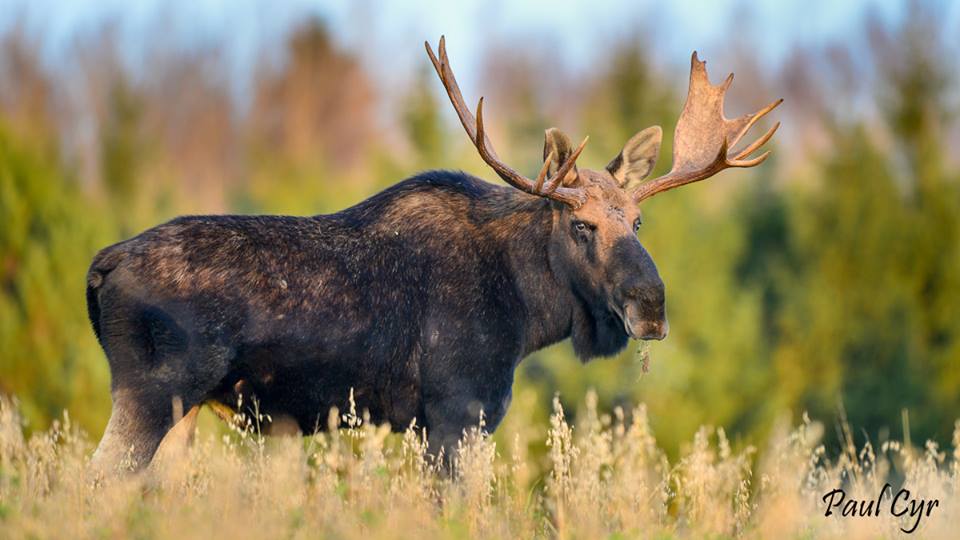
This question isn’t just a matter of idle curiosity for tourists; it’s a crucial aspect of wildlife management and conservation. State agencies meticulously track moose populations to ensure their long-term health and to manage interactions with humans. Understanding the numbers helps in formulating hunting regulations, protecting crucial habitats, and ensuring that future generations can continue to marvel at these magnificent creatures. So, let’s delve into the fascinating world of Maine’s moose population, exploring what the numbers tell us and what it means for your travel and tourism experiences.
Understanding the Moose Population: A Dynamic Count
Estimating the population of any wild animal, especially one as elusive as a moose, is a complex undertaking. It’s not as simple as counting heads in a field. Wildlife biologists employ sophisticated methods to gather data, and the numbers are subject to fluctuation due to various environmental and ecological factors.
The Latest Estimates and Trends
The most recent comprehensive surveys, typically conducted by the Maine Department of Inland Fisheries and Wildlife (MDIFW), aim to provide a scientifically sound estimate. While precise figures can change annually, the general consensus places the Maine moose population in the tens of thousands. Historically, Maine has boasted one of the largest moose populations in the United States, a testament to its vast tracts of undeveloped forest and suitable wetland habitats.
The surveys often utilize aerial counts during winter months when snow cover makes moose more visible against the landscape. Biologists fly over specific study areas, recording the number of moose observed. Statistical models are then applied to extrapolate these counts to larger regions, accounting for factors like visibility, herd size, and detection probabilities.
Recent reports from the MDIFW have indicated a stable, or in some areas, slightly declining population trend. This is a natural phenomenon in wildlife ecology, influenced by factors such as birth rates, mortality, and environmental conditions. For instance, harsh winters can increase calf mortality, while abundant food sources can lead to higher reproduction rates. Understanding these trends is vital for informed decision-making regarding conservation efforts and resource management.
Factors Influencing Moose Numbers
Several key elements contribute to the ebb and flow of the moose population in Maine:
- Habitat Availability: Maine’s extensive forests, particularly mixed hardwood and softwood stands, provide essential food and shelter for moose. Wetlands, bogs, and riparian areas are crucial for foraging on aquatic vegetation and for thermoregulation during warmer months. Maintaining these habitats is paramount for sustaining the moose population.
- Climate and Weather: Extreme weather events, such as severe winters with deep snow or prolonged droughts, can impact moose survival and reproduction. Harsh conditions can make it difficult for them to access food and can lead to increased mortality, especially among calves.
- Predation: While adult moose have few natural predators in Maine, young calves are vulnerable to coyotes and, to a lesser extent, black bears. The balance between predator and prey populations plays a role in regulating moose numbers.
- Disease and Parasites: Like any wild population, moose can be affected by diseases and parasites. While generally resilient, outbreaks or persistent health issues can impact survival and reproductive success.
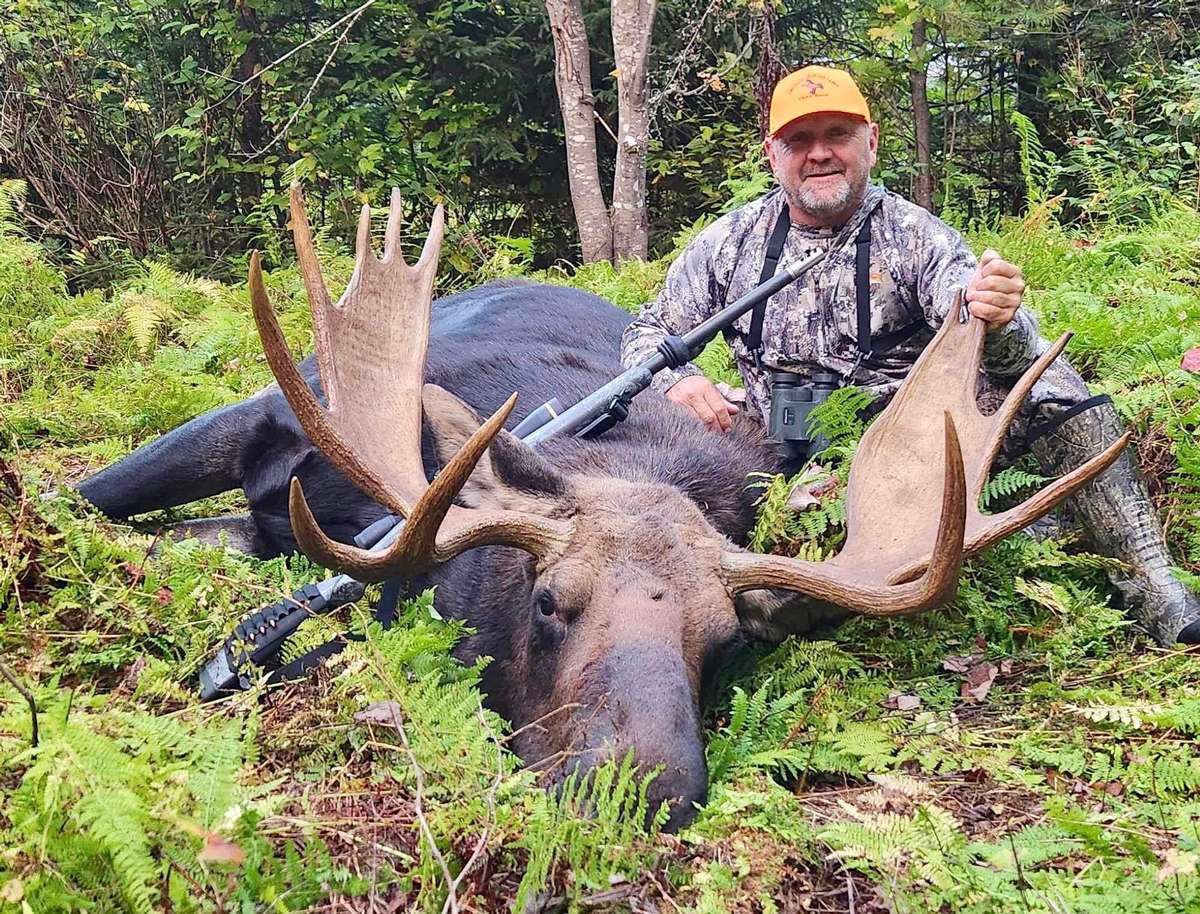
- Hunting Regulations: Maine has a regulated moose hunting season, a practice that has been in place for decades. This is not about depleting the population but rather about managing it sustainably. Hunting licenses are allocated through a lottery system, and permits are limited to specific wildlife management districts and seasons. The goal is to harvest a certain number of animals, primarily older bulls, to help manage herd health and reduce competition for resources. This managed hunting is a critical tool for conservation, preventing overgrazing and maintaining a healthy population structure.
Experiencing Maine’s Moose: Travel and Wildlife Viewing Tips
For travelers drawn to Maine by the allure of spotting a moose, understanding their habits and the best locations can significantly enhance your travel experience. While the population numbers are robust, a moose sighting is still a special occurrence, requiring patience and a bit of luck.
Prime Moose Habitat and Viewing Locations
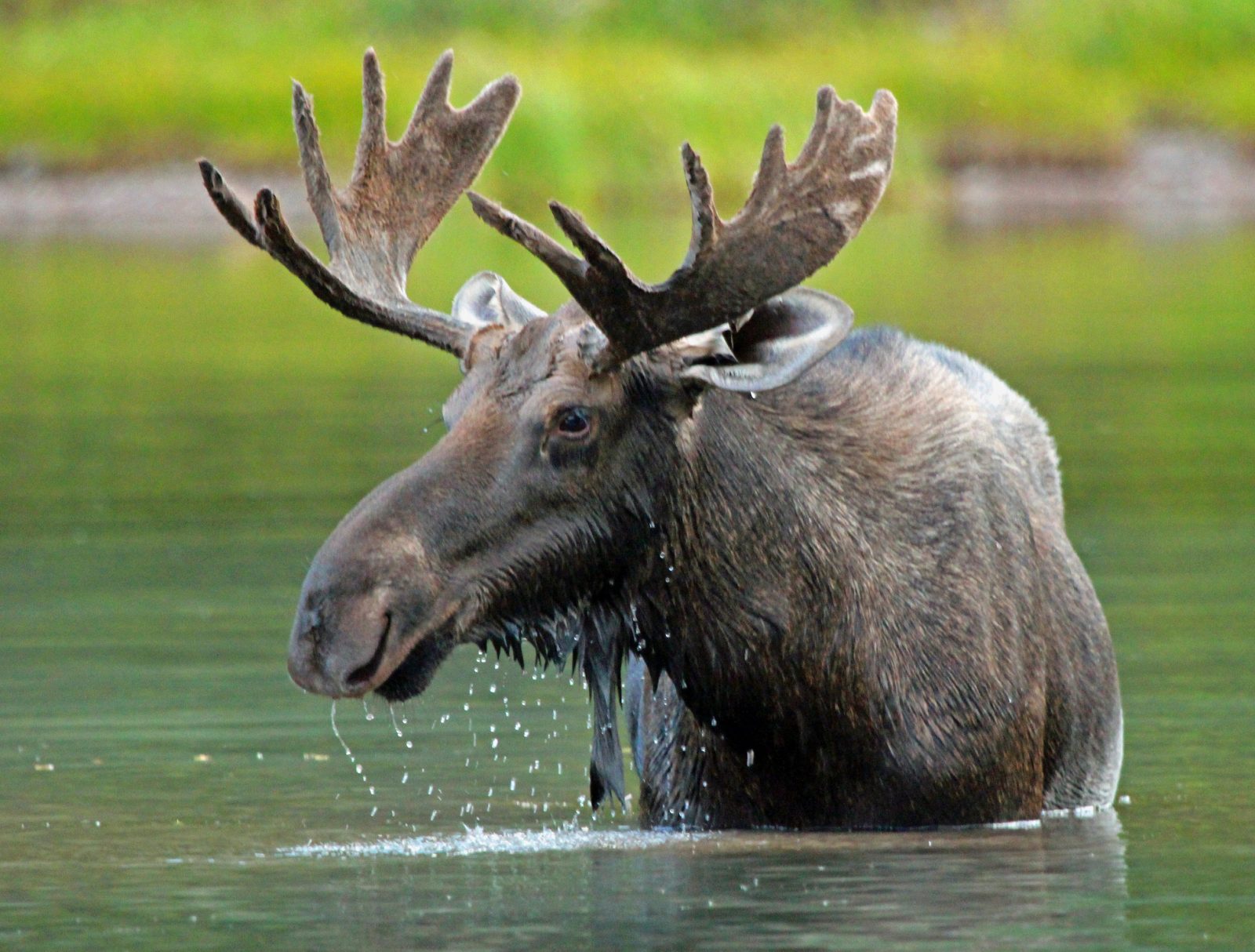
Moose are most commonly found in areas with abundant food sources and cover, which means you’ll often encounter them in:
- Northern Maine: The vast wilderness of northern Maine, including regions around the Allagash Wilderness Waterway and Baxter State Park, is prime moose territory. These areas offer extensive forests, numerous lakes, and wetland complexes that are ideal for moose.
- Wetlands and Bog Areas: Moose are drawn to wetlands for both food and to cool off. Look for them in marshy areas, along the edges of bogs, and near slow-moving rivers or streams, especially during dawn and dusk.
- Young Forests and Logging Areas: Moose are herbivores, and they thrive in areas with young tree growth, which provides nutritious browse. Areas that have recently undergone logging operations can become excellent feeding grounds.
- Roadsides at Dawn and Dusk: Moose often cross roads to access feeding areas or water sources, particularly in the early morning and late evening. Driving cautiously on rural roads during these times can increase your chances of a sighting, but always prioritize safety.
When visiting Maine, consider staying in lodges or cabins that offer guided tours or are situated near known moose habitats. Many resorts and hotels in the northern parts of the state can provide local insights and arrangements for wildlife excursions.
Responsible Wildlife Viewing
Observing moose in their natural environment is a privilege, and it’s crucial to do so responsibly to minimize disturbance to the animals and their habitat.
- Maintain a Safe Distance: Never approach a moose, especially a cow with a calf or a bull during the rutting season. They are wild animals and can be unpredictable and dangerous if they feel threatened. Use binoculars or a telephoto lens to get a closer look.
- Be Quiet: Loud noises can startle moose. Move quietly through their habitat and speak in hushed tones.
- Do Not Feed Moose: Feeding wild animals can disrupt their natural foraging behaviors, make them dependent on human food, and can lead to aggression.
- Stay on Designated Trails: When hiking, stick to marked trails to avoid disturbing sensitive habitats and to minimize the risk of an unwanted encounter.
- Respect Their Space: If a moose is near a road, pull over safely and observe from your vehicle. Do not block traffic or cause a disturbance.
- Dispose of Waste Properly: Pack out everything you pack in to keep Maine’s wilderness pristine for both wildlife and future visitors.
By following these guidelines, you can ensure a memorable and respectful wildlife viewing experience, contributing to the conservation of this magnificent species.
The Significance of Moose in Maine’s Ecosystem and Culture
Beyond their role as a sought-after wildlife spectacle, moose hold significant ecological and cultural importance in Maine. Their presence is a marker of a healthy, thriving wilderness, and they have woven themselves into the fabric of the state’s identity.
Ecological Keystone Species
Moose play a vital role in shaping the Maine landscape. As large herbivores, their browsing habits influence plant community dynamics. They can affect the regeneration of forests by consuming young trees, and their presence can create openings in the canopy, allowing different plant species to flourish. This selective browsing also contributes to the biodiversity of the forest floor.
Furthermore, the health of the moose population is an indicator of the overall health of the forest ecosystem. When moose are thriving, it suggests that their habitat is providing sufficient food, water, and shelter, and that the balance of predators and prey is relatively stable. Conversely, declines in moose numbers can signal underlying environmental stressors, such as habitat degradation, disease, or imbalances in the food web.
Cultural Icon and Tourism Driver
The moose is more than just an animal; it’s a symbol of Maine. From the license plates to countless souvenirs, the image of the moose is ubiquitous. For many, a trip to Maine is incomplete without the hope of seeing a moose. This fascination drives a significant portion of the state’s tourism industry, particularly in the more rural and wilderness-focused regions.
Wildlife viewing tours, guided hikes, and scenic drives are popular activities for those seeking to encounter moose. This influx of visitors provides economic benefits to local communities, supporting businesses such as hotels, restaurants, and outdoor equipment outfitters. The cultural significance of the moose also inspires local artisans and artists, further enriching the state’s cultural landscape.
The responsible management of the moose population, informed by accurate population estimates and ecological research, is therefore crucial not only for the well-being of the animals themselves but also for the continued economic and cultural prosperity of Maine. The question of “how many moose are in Maine?” is, in essence, a question about the health of the wild heart of the state.
LifeOutOfTheBox is a participant in the Amazon Services LLC Associates Program, an affiliate advertising program designed to provide a means for sites to earn advertising fees by advertising and linking to Amazon.com. Amazon, the Amazon logo, AmazonSupply, and the AmazonSupply logo are trademarks of Amazon.com, Inc. or its affiliates. As an Amazon Associate we earn affiliate commissions from qualifying purchases.