
When planning a visit to a new destination, understanding its population might not be the first thing on your mind. However, for a state like Maine, its demographic landscape offers profound insights into the local culture, available activities, infrastructure, and overall experience for tourists. Far from being a mere statistic, the population of Maine tells a story of vast wilderness, charming coastal towns, and tight-knit communities, all of which shape the character of your visit.
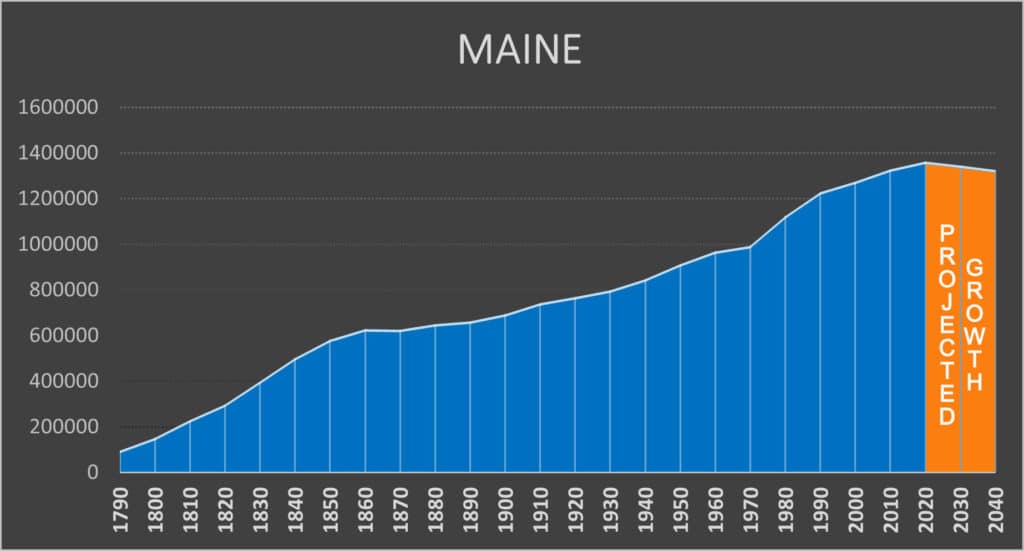
As of recent estimates, the population of Maine hovers around 1.36 million people. This figure, while seemingly modest compared to some larger states in the United States, is incredibly significant when considering Maine’s expansive land area of over 35,000 square miles. This low population density—one of the lowest in the eastern United States—is precisely what contributes to Maine’s allure as a haven for nature lovers, those seeking tranquility, and anyone looking to escape the hustle and bustle of urban life.

But what does 1.36 million people truly mean for a traveler? It means pristine forests stretching for miles without a soul in sight, uncrowded hiking trails, and the opportunity to truly connect with nature. It means a slower pace of life where local traditions are cherished, and community spirit thrives. From the bustling streets of Portland to the rugged tranquility of Acadia National Park, the distribution and character of Maine’s population are integral to the unique tourism experience it offers. This article will delve into how Maine’s population shapes its tourism landscape, providing valuable context for your next adventure.
Maine’s Demographics and Geographic Distribution: A Tourist’s Perspective
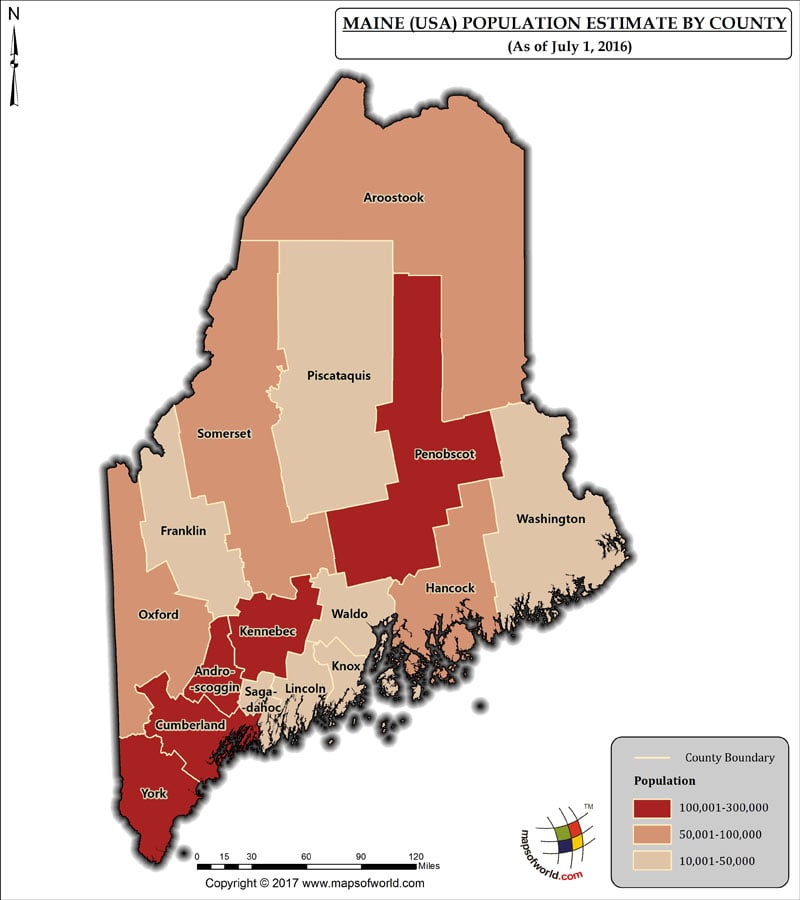
The overall population figure for Maine is just the starting point. To truly understand its impact on tourism, one must look at how these people are distributed across its diverse geography. Maine is a state of striking contrasts, from its rugged Atlantic coastline to its vast, forested interior, and these geographical features heavily influence where people choose to live and, consequently, where tourists choose to visit.
Coastal vs. Inland Populations: Impact on Attractions
A significant portion of Maine’s population resides along its approximately 3,500 miles of coastline (including islands and inlets). Cities like Portland, Bangor, Bar Harbor, and picturesque towns such as Kennebunkport and those dotting Midcoast Maine are centers of population density and, not coincidentally, major tourist hubs. These coastal communities offer a wealth of attractions: historic lighthouses, vibrant arts scenes, world-class dining, and, of course, unparalleled access to the ocean for activities like whale watching, sailing, and sea kayaking. The concentration of people here has fostered a robust tourism infrastructure with diverse accommodation options, eateries, and entertainment venues.
In contrast, the vast interior of Maine is sparsely populated, particularly in northern regions like Aroostook County. While the capital city of Augusta is inland, it’s not a major population center compared to Portland. This low population density in the interior means that visitors to these areas will find a different kind of experience. Here, the attractions are primarily nature-based: pristine lakes and rivers for fishing and canoeing, extensive trail systems for hiking and snowmobiling, and abundant wildlife viewing opportunities. The remote nature of these areas means fewer crowds, a deeper sense of wilderness, and an emphasis on self-sufficiency and outdoor adventure. Understanding this distribution helps tourists tailor their expectations and plans, whether they seek bustling coastal charm or serene inland solitude.
Seasonal Population Shifts: Understanding Tourist Flux
Another crucial aspect of Maine’s population for tourism is its significant seasonal fluctuation. During the peak summer months, especially from June to September, Maine’s population swells dramatically. Thousands of seasonal residents return to their summer homes, and millions of tourists descend upon the state, particularly its coastal regions and popular destinations like Acadia National Park and Old Orchard Beach. This influx can effectively double or even triple the population in certain towns, leading to increased demand for accommodations, reservations at popular restaurants becoming essential, and more crowded attractions.
For visitors, being aware of these seasonal shifts is vital. If you prefer a vibrant, energetic atmosphere with all services fully operational, summer is your ideal time. However, if you seek a quieter, more reflective experience, consider visiting during the shoulder seasons (late spring or early fall), when the crowds thin out but the weather remains pleasant, and many businesses are still open. Even winter, with its appeal for skiing and snowshoeing, offers a chance to see Maine with its local population largely undisturbed by mass tourism, providing a unique glimpse into authentic Maine life.
How Population Shapes Maine’s Local Culture and Vibe
The relatively small and distributed population of Maine is a fundamental contributor to its distinctive local culture and the overall vibe experienced by visitors. Unlike densely populated metropolitan areas, Maine maintains a strong sense of community, a connection to its history, and an appreciation for its natural surroundings, all of which are deeply ingrained in its people.
The Character of Maine’s Cities and Towns
Even in its most populous city, Portland, Maine retains a welcoming, approachable atmosphere. With a population of just under 70,000, Portland offers urban amenities without the overwhelming scale of larger cities. Its historic Old Port district thrives with independent boutiques, acclaimed restaurants, and vibrant nightlife, yet it’s all navigable and feels distinctly local. This scale allows for a strong sense of place and local identity to flourish.
Smaller towns, from the fishing villages of Downeast Maine to the quaint inland communities, embody an even greater sense of community. Here, local businesses are often family-owned, conversations with strangers are common, and traditions are passed down through generations. This creates an authentic experience for tourists, allowing them to witness and partake in a lifestyle that values resilience, resourcefulness, and a deep appreciation for the environment. The small population size means that visitors often feel more like guests than mere consumers, fostering more meaningful interactions.
Culinary Scenes and Community Events
Maine’s culinary scene, celebrated for its fresh seafood and farm-to-table ethos, is also influenced by its population. While certain areas like Portland boast a sophisticated dining landscape, the prevalence of smaller communities encourages a focus on local ingredients and traditional recipes. Lobster shacks, blueberry farms, and craft breweries are often family-run enterprises, reflecting the close-knit nature of the state’s population. This means visitors can enjoy genuinely local flavors, often served with a personal touch by the people who harvested, prepared, or brewed them.
Furthermore, community events—from summer festivals celebrating blueberries and lobster to vibrant farmers’ markets—are central to Maine’s cultural fabric. These events, often organized and supported by the local population, offer tourists a fantastic opportunity to immerse themselves in authentic Maine life, enjoy local entertainment, and engage directly with residents. The success and character of these gatherings are a direct reflection of the tight-knit communities that define much of the state.
Population and Tourism Infrastructure: Services for Visitors
The relatively small and distributed population of Maine naturally influences its tourism infrastructure. While major tourist centers are well-equipped, understanding the density of services outside these areas is crucial for a smooth travel experience.
Accommodation and Transportation Considerations
In popular coastal areas and cities like Portland, Bar Harbor, and Kennebunkport, visitors will find a wide range of accommodation options, from luxury hotels and resorts to charming bed and breakfasts and vacation rentals. However, as you venture into more rural, less populated regions, choices become fewer and further between. Planning ahead, especially during peak season, is paramount to secure suitable lodging. The lower population density also means that public transportation is limited outside major urban cores. Most visitors to Maine, particularly those planning to explore beyond a single city, will find a personal vehicle to be essential for navigating the state’s vast distances and accessing its numerous natural attractions. Rental car availability can also be impacted by seasonal demand, another ripple effect of population shifts.
Healthcare and Emergency Services for Tourists
When traveling in a less populated state like Maine, it’s prudent to consider the availability of essential services. While major cities and larger towns have hospitals and clinics, access to immediate medical care can be more challenging in very remote areas, where the nearest facility might be an hour or more away. This is particularly relevant for adventurers exploring the vast wilderness of inland Maine or the more isolated islands. Understanding the distribution of Maine’s population helps in anticipating where services will be concentrated and where self-reliance and preparedness become more critical. It underscores the importance of travel insurance, carrying basic first aid, and informing others of your itinerary, especially when venturing off the beaten path.
Engaging with Maine’s People: Enriching Your Travel
Ultimately, the population of [Maine](https://lifeoutofthebox.com/maine] isn’t just about numbers or density; it’s about the people who call this unique state home. Engaging with locals can transform a good trip into an unforgettable journey, offering authentic insights and memorable interactions.
Meeting the Locals: Beyond the Tourist Traps
Given Maine’s relatively small population and strong community ties, opportunities to meet and interact with locals are abundant, particularly outside the most crowded tourist hotspots. Strike up a conversation with a lobsterman at the dock, chat with a shopkeeper in a small town, or ask for recommendations from a park ranger. Mainers are known for their quiet resilience, dry wit, and genuine hospitality once you break the ice. These interactions can provide invaluable insights into the state’s culture, history, and hidden gems that guidebooks might miss. Embracing these opportunities allows you to experience Maine not just as a collection of sights, but as a living, breathing community.
Supporting Local Businesses and Communities
As a visitor, your choices have a direct impact on the local population. By consciously choosing to support local businesses—whether it’s dining at a family-owned restaurant, purchasing crafts from a local artisan, or staying at an independent inn—you contribute directly to the economic well-being and cultural preservation of Maine’s communities. In a state with a smaller population, the impact of tourism dollars is often more keenly felt, and supporting local enterprises helps maintain the unique character and charm that draws visitors in the first place. This conscious tourism approach helps ensure that the very qualities that make [Maine](https://lifeoutofthebox.com/maine] special continue to thrive for future generations of both residents and visitors.
Conclusion
While the question “What is the population for Maine?” might seem like a simple statistical inquiry, its answer—approximately 1.36 million people spread across a vast and diverse landscape—is profoundly significant for anyone planning to visit. This relatively small, distributed population is the bedrock of Maine’s unique charm. It shapes everything from the serene, uncrowded wilderness experiences to the intimate local culture, the character of its communities, and the infrastructure available to visitors.
Understanding Maine’s demographics allows travelers to better anticipate their journey, make informed choices about where and when to visit, and, most importantly, appreciate the authentic spirit of the state. It highlights the importance of planning for remote areas, embracing local interactions, and recognizing the value of supporting local businesses. When you travel through Maine, you’re not just visiting places; you’re stepping into a community shaped by its people, whose resilience, connection to nature, and welcoming spirit are as much a part of the landscape as its iconic lighthouses and rugged coastlines. So, as you prepare for your adventure to this corner of New England, remember that the true essence of Maine lies not just in its stunning scenery, but in the vibrant, close-knit population that brings it to life.
LifeOutOfTheBox is a participant in the Amazon Services LLC Associates Program, an affiliate advertising program designed to provide a means for sites to earn advertising fees by advertising and linking to Amazon.com. Amazon, the Amazon logo, AmazonSupply, and the AmazonSupply logo are trademarks of Amazon.com, Inc. or its affiliates. As an Amazon Associate we earn affiliate commissions from qualifying purchases.