
The United States operates on a fascinating, and at times, controversial system for electing its President: the Electoral College. While most states allocate all their electoral votes to the candidate who wins the popular vote within that state, there are exceptions. Among these exceptions, the state of Maine stands out, employing a unique method of dividing its electoral votes. This distinctive approach has profound implications, not just for Maine itself, but also for the broader presidential election landscape. Understanding why Maine has chosen this path sheds light on the complexities of American democracy and the innovative ways states can participate in national elections.
A Glimpse into Maine’s Electoral System
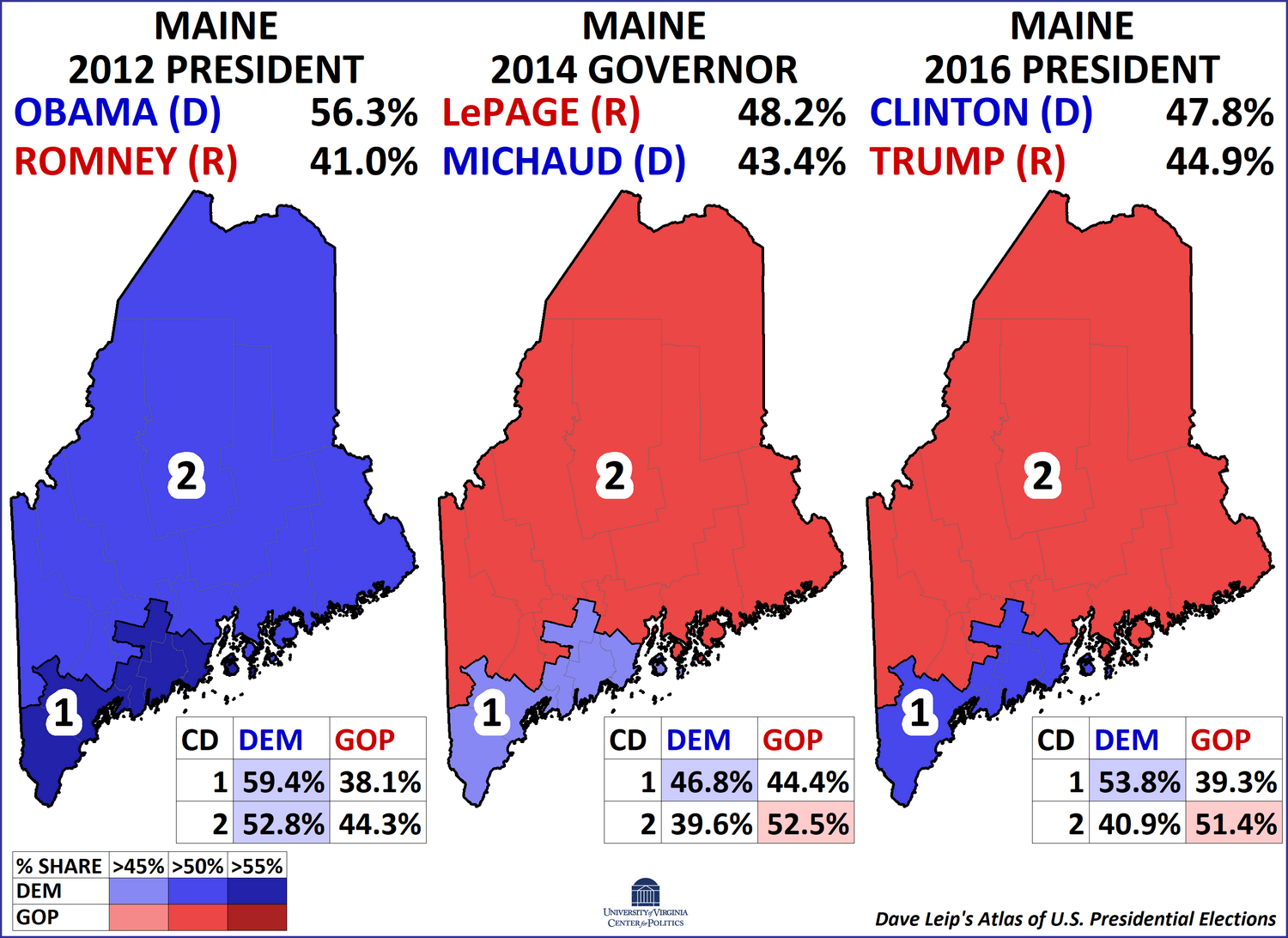
At its core, the Electoral College assigns a certain number of electors to each state based on its total representation in Congress – its two senators plus its number of representatives in the House. For Maine, this translates to four electoral votes. However, the mechanism through which these four votes are awarded is where the state diverges from the norm. Instead of a winner-take-all system, Maine utilizes a district method, mirroring the approach taken by Nebraska.
The District Method: A Closer Look
The district method, as implemented in Maine, breaks down the state into congressional districts. Each of these congressional districts, of which Maine has two, elects one elector. The candidate who wins the popular vote within each individual congressional district receives that district’s electoral vote. The remaining two electoral votes, which correspond to the state’s two senators, are awarded to the candidate who wins the statewide popular vote. This creates a scenario where it’s possible for a presidential candidate to win Maine but not secure all of its electoral votes. For instance, a candidate could win one congressional district and the statewide popular vote, securing three electoral votes, while the opposing candidate wins the other congressional district, taking one electoral vote.
This system offers a more granular representation of the electorate within the state, allowing for a broader distribution of electoral support. It acknowledges that different regions within Maine might lean towards different candidates, and it allows those preferences to be reflected in the allocation of electoral votes. This approach can lead to more competitive elections within the state and potentially encourage candidates to campaign in all regions of Maine, not just those perceived as swing areas.
Historical Context and Rationale
The decision by Maine to adopt the district method for allocating its electoral votes was not an arbitrary one. It stemmed from a desire to better reflect the diverse political leanings within the state and to move away from a perceived winner-take-all dominance that could overshadow minority viewpoints.
Evolution from Winner-Take-All

Like most states, Maine previously operated under a winner-take-all system for its electoral votes. This meant that the candidate who secured the majority of the popular vote across the entire state would receive all of Maine’s electoral votes. While this system is simpler and more common, it often meant that the votes cast for the losing candidate in congressional districts, or even statewide, had no direct impact on the final electoral outcome for that state. Critics argued that this approach could disenfranchise voters whose preferred candidate did not win the statewide popular vote, even if they represented a significant portion of the electorate in specific areas.
The shift to the district method, enacted in 1969 and first implemented in the 1972 presidential election, was a deliberate move to address these concerns. Proponents of the change believed it would:
- Increase Representation: Allow for a more nuanced representation of voter preferences across the state’s diverse geography and demographics.
- Encourage Broader Campaigning: Motivate candidates to engage with voters in all congressional districts, rather than focusing solely on winning the statewide popular vote.
- Enhance Voter Engagement: Potentially increase voter turnout by making individual votes feel more impactful in specific districts.
The legislative process leading to this change involved considerable debate, with arguments for and against the shift. Ultimately, the desire for a more finely tuned electoral process prevailed, positioning Maine as a pioneer in this alternative method of allocating electoral votes.
Implications for Presidential Elections
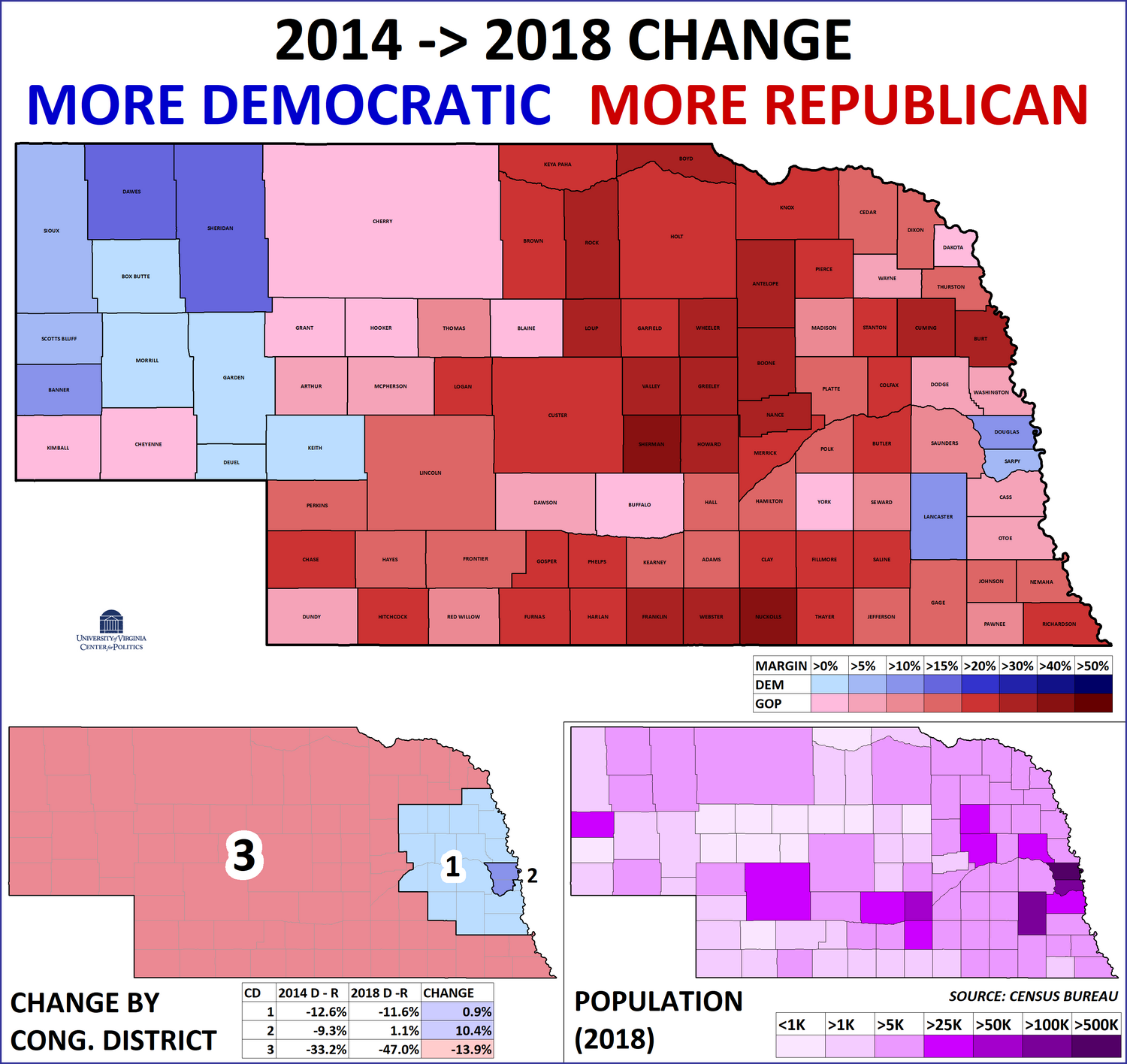
The district method employed by Maine and Nebraska has tangible consequences for presidential elections, particularly in close races. While the impact might seem minor given the small number of electoral votes involved, these votes can, in rare but critical instances, prove decisive.
The “Maine Scenario” in Close Contests
The possibility of splitting electoral votes means that a candidate could theoretically win the presidency by narrowly winning individual states and their associated electoral votes, even if they lose the national popular vote. In such scenarios, the two electoral votes awarded by Maine to the statewide winner, and the one electoral vote awarded to the winner of each congressional district, can become incredibly significant.
Consider a hypothetical election where the national outcome hinges on a handful of electoral votes. If a candidate secures the statewide vote in Maine but loses one of its congressional districts by a very narrow margin, that lost district vote could be the difference between winning and losing the presidency. This makes Maine, along with Nebraska, a state that presidential campaigns pay close attention to, even if its overall electoral vote count is modest.
The strategy for candidates campaigning in Maine under this system differs. Instead of a singular focus on the statewide popular vote, campaigns might invest resources in targeting specific congressional districts that are perceived as competitive or that offer a strong opportunity to secure an individual electoral vote. This can lead to more tailored campaign messaging and a more localized approach to voter outreach within the state.
The unique electoral system of Maine is more than just a statistical curiosity; it’s a reflection of the state’s commitment to a more representative form of democratic participation within the broader framework of the United States presidential election. It encourages a deeper engagement with the electoral process and serves as a compelling example of how states can innovate within the established constitutional guidelines. Whether exploring the picturesque coastline near Acadia National Park, enjoying the culinary delights of Portland, or experiencing the historic charm of Kennebunkport, visitors to Maine will find a state that not only offers rich experiences but also embodies a distinct approach to national governance. The state’s commitment to this electoral method adds another layer of fascination to its already captivating identity, making it a destination that informs and inspires in equal measure.
LifeOutOfTheBox is a participant in the Amazon Services LLC Associates Program, an affiliate advertising program designed to provide a means for sites to earn advertising fees by advertising and linking to Amazon.com. Amazon, the Amazon logo, AmazonSupply, and the AmazonSupply logo are trademarks of Amazon.com, Inc. or its affiliates. As an Amazon Associate we earn affiliate commissions from qualifying purchases.