
The question of distance between two prominent South Florida destinations, West Palm Beach and Miami, is more than just a matter of miles. It’s a gateway to understanding the diverse experiences, vibrant cultures, and abundant opportunities that lie within easy reach of each other. Whether you’re planning a leisurely road trip, a quick business excursion, or a weekend getaway, knowing the travel time and available options is crucial for a seamless journey. This exploration delves into the physical distance, the various modes of transportation, and what awaits you at each end of this well-trodden corridor, offering a comprehensive guide for travelers, tourists, and anyone looking to explore the dynamic landscape of South Florida.

The proximity of West Palm Beach to Miami makes them an integral part of the sprawling South Florida megalopolis, yet each city boasts its own distinct character and appeal. West Palm Beach, often perceived as the more refined and tranquil counterpart, offers a sophisticated atmosphere with its beautiful beaches, upscale shopping, and a burgeoning arts scene. On the other hand, Miami pulsates with a cosmopolitan energy, renowned for its iconic Art Deco architecture, world-class dining, vibrant nightlife, and diverse cultural influences. Understanding the distance is the first step in appreciating the ease with which one can transition from the relaxed elegance of the Palm Beaches to the electric buzz of Magic City.
The Direct Route: Distance and Driving Times
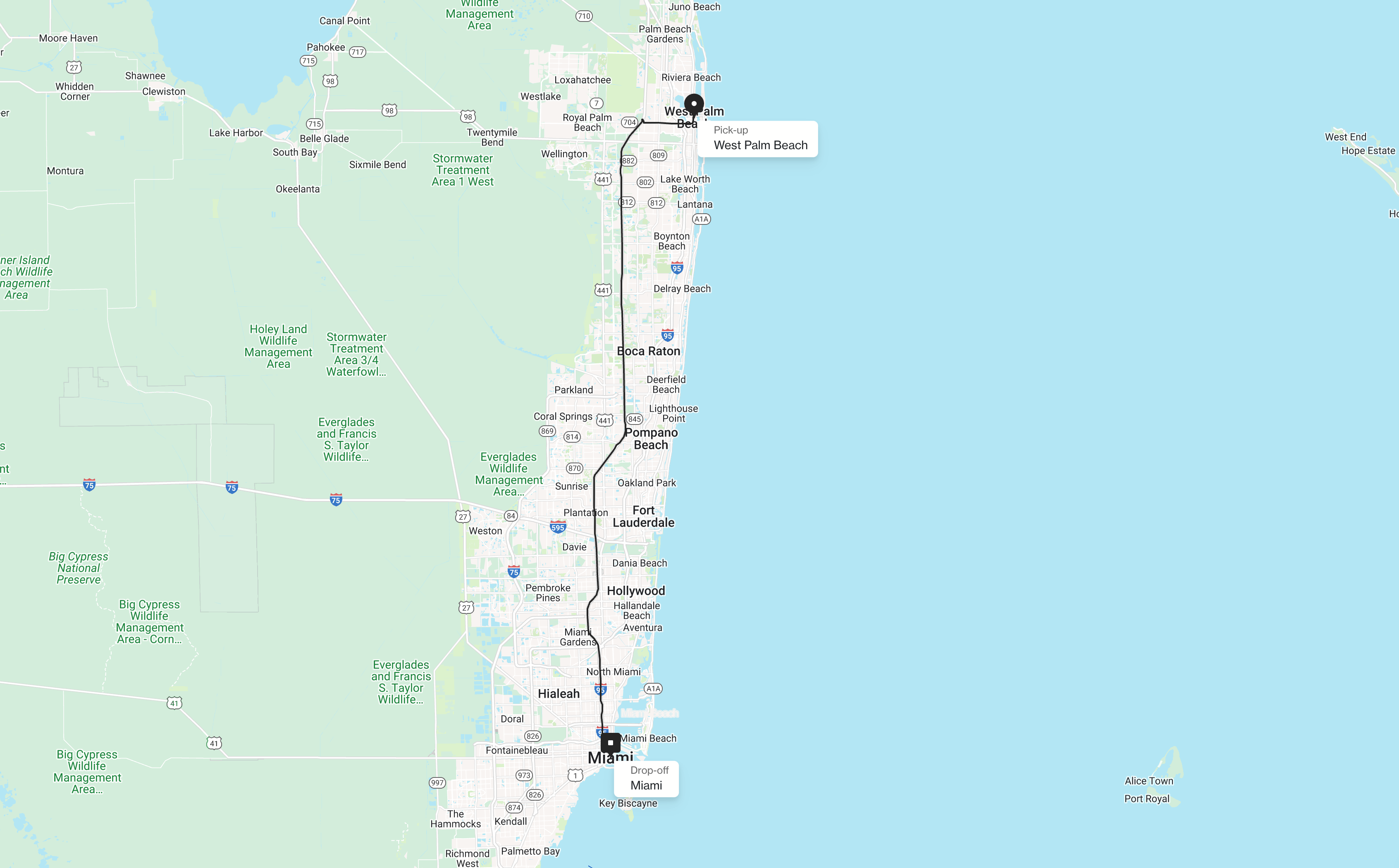
The most common way to travel between West Palm Beach and Miami is by car, offering flexibility and the freedom to stop and explore along the way. The direct driving distance between the two cities is approximately 65 to 70 miles, depending on the specific starting and ending points within each metropolitan area. This translates to a drive time of roughly 1 hour and 15 minutes to 1 hour and 45 minutes, under ideal traffic conditions.
Factors Affecting Travel Time
It’s crucial to acknowledge that South Florida traffic can be notoriously unpredictable, particularly during peak hours. The primary route connecting West Palm Beach to Miami is Interstate 95 (I-95). This major artery experiences significant congestion, especially on weekday mornings and afternoons, as commuters travel between the northern suburbs and the bustling urban centers.
- Time of Day: Driving during off-peak hours, such as late morning, early afternoon, or late at night, will significantly reduce your travel time. Weekends, while generally less congested than weekdays, can still experience heavy traffic, especially on Saturdays and Sundays as people head to beaches or popular attractions.
- Day of the Week: Commuting patterns mean that Monday through Friday, from approximately 7:00 AM to 9:30 AM and 4:00 PM to 6:30 PM, are the busiest periods. Planning your journey outside these windows can save you considerable time.
- Accidents and Roadwork: Like any major highway, I-95 is susceptible to delays caused by accidents or ongoing road construction. It’s always advisable to check real-time traffic updates using GPS applications or local news broadcasts before setting off.
- Destination within the City: Miami is a vast metropolitan area. Driving from West Palm Beach to, say, Miami Beach will take longer than driving to the northernmost parts of Miami-Dade County. Similarly, the exact starting point in West Palm Beach can influence the initial leg of your journey.
When considering your travel, factoring in an additional 30 to 60 minutes for potential delays is a prudent strategy, especially if you have a scheduled appointment or reservation. The scenic route along U.S. Route 1 offers an alternative, though it is considerably slower due to traffic lights and urban driving. However, it provides opportunities to discover charming coastal towns and local eateries that I-95 bypasses.
Alternative Transportation Options
While driving is the most popular method, several other transportation options can get you from West Palm Beach to Miami, each offering a different experience and set of benefits. These alternatives cater to various travel styles and preferences, from budget-conscious travelers to those seeking a more relaxed journey.
Public Transportation: The Tri-Rail Advantage
For those looking to avoid the hassle of driving and parking, the Tri-Rail offers a convenient and cost-effective public transportation solution. This commuter rail system connects Palm Beach County, Broward County, and Miami-Dade County, making it an excellent option for inter-county travel.
- Route and Stations: The Tri-Rail runs north-south, with stations conveniently located in West Palm Beach (at the Palm Tran Transfer Center) and various points in Broward County, ultimately terminating at the Tri-Rail/Metrorail Transfer Station in Miami. From this station, you can easily transfer to the Metrorail system to reach different parts of Miami, including downtown and the airport.
- Travel Time: The Tri-Rail journey from West Palm Beach to Miami typically takes approximately 1 hour and 30 minutes to 2 hours, depending on the number of stops and the schedule. While it might be slightly longer than driving directly, it eliminates the stress of traffic and parking.
- Cost: Tri-Rail fares are generally very affordable, offering a significant saving compared to the cost of gas, tolls, and parking in Miami. Daily, weekly, and monthly passes are available for frequent travelers.
- Amenities: Tri-Rail trains are often equipped with Wi-Fi, restrooms, and comfortable seating, allowing passengers to relax, catch up on work, or enjoy the passing scenery.
This option is particularly appealing for travelers who prefer to leave their car behind and enjoy a more laid-back travel experience, or for those on a strict budget. It’s also an eco-friendly choice, reducing individual carbon footprints.
Ride-Sharing Services and Taxis
For door-to-door convenience without the need to own a vehicle, ride-sharing services like Uber and Lyft, as well as traditional taxi companies, are readily available in both West Palm Beach and Miami.
- Convenience: These services offer unparalleled convenience, allowing you to book a ride from your exact location to your desired destination in the other city. This is especially useful for travelers with luggage or those unfamiliar with public transportation routes.
- Cost: The cost of a ride-sharing service or taxi can vary significantly based on demand, surge pricing, and the specific service provider. A trip from West Palm Beach to Miami can range from $80 to $150 or more, making it a more expensive option than Tri-Rail or driving your own car, especially for solo travelers. However, for groups, the per-person cost can become more competitive.
- Travel Time: The travel time will be similar to driving, approximately 1 hour and 15 minutes to 1 hour and 45 minutes, subject to traffic conditions. Drivers are typically experienced with navigating the local roads and will choose the most efficient routes.
- Booking: Booking is typically done through a mobile app for ride-sharing services, or by calling a taxi dispatch. It’s advisable to compare prices between different services if cost is a primary concern.
This option is ideal for those prioritizing comfort and directness, especially when traveling with a group or when arriving at an airport and needing immediate transport.
Exploring What Awaits: Destinations and Attractions
The distance between West Palm Beach and Miami is not a barrier but an invitation to explore the rich tapestry of South Florida. Each city and the region between them offer a wealth of attractions, experiences, and unique cultural flavors.
The Charm of West Palm Beach
West Palm Beach, situated on the eastern shore of Lake Worth Lagoon, is known for its sophisticated yet relaxed atmosphere. It’s a destination that offers a perfect blend of natural beauty, cultural enrichment, and upscale amenities.
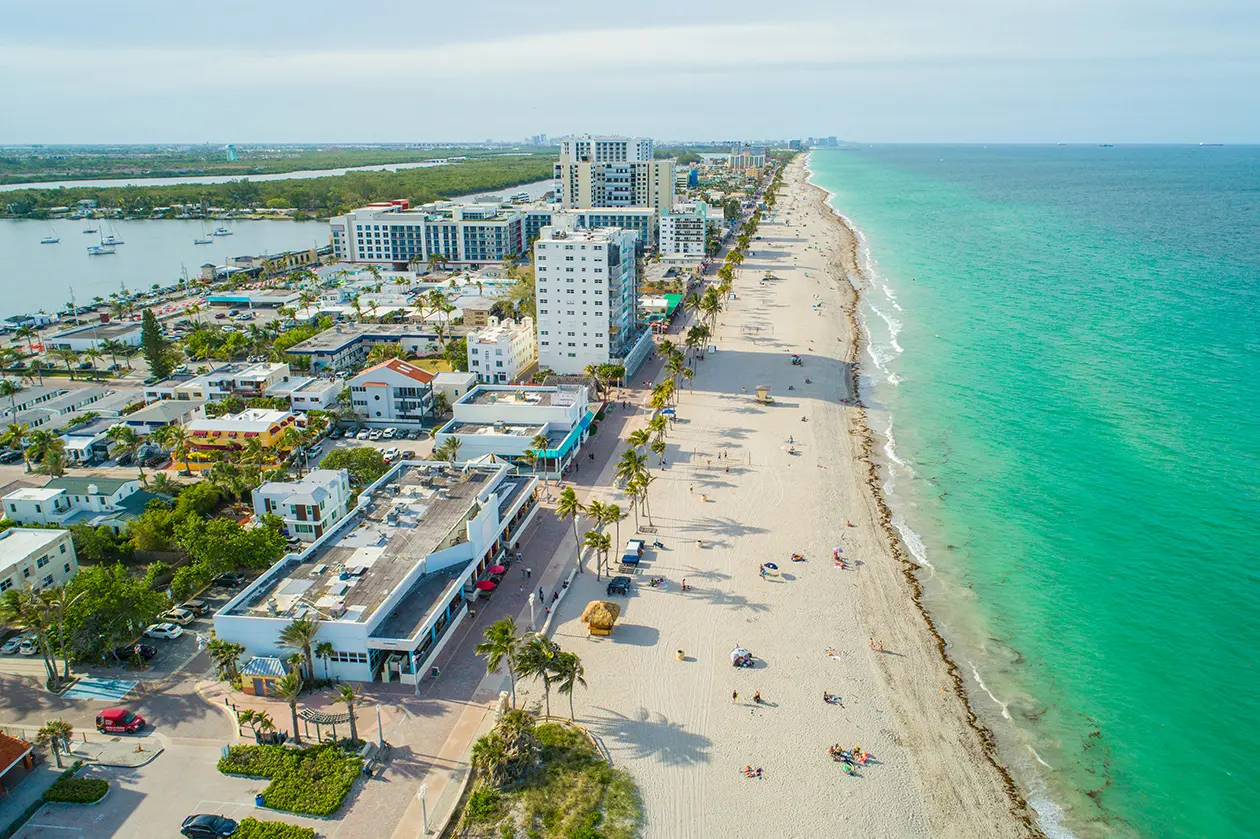
- Beaches: The pristine beaches of Palm Beach and Singer Island are world-renowned for their soft white sand and clear turquoise waters. These are ideal spots for sunbathing, swimming, and water sports.
- Attractions: Clematis Street in downtown West Palm Beach is a vibrant hub filled with boutiques, art galleries, diverse restaurants, and lively bars. The Norton Museum of Art houses an impressive collection of American, European, and Chinese art. For nature lovers, Grassy Waters Preserve offers boardwalk trails through a natural wetland ecosystem. The Palm Beach Zoo & Conservation Society is a family-friendly attraction showcasing a variety of animals in naturalistic habitats.
- Luxury and Lifestyle: West Palm Beach is synonymous with luxury, evident in its high-end resorts, fine dining establishments, and exclusive shopping districts like Worth Avenue on Palm Beach. It’s a destination for those seeking a refined lifestyle and a tranquil escape.
The Electric Energy of Miami
Miami, a global hub of culture, commerce, and entertainment, offers an exhilarating contrast to the calm of West Palm Beach. Its diverse neighborhoods each present a unique character, from the iconic glamour of Miami Beach to the vibrant Latin American influences of Little Havana.
- Iconic Landmarks: Ocean Drive in Miami Beach is famous for its Art Deco architecture, neon lights, and lively atmosphere. South Beach is a magnet for sun-seekers and trendsetters. Vizcaya Museum & Gardens, a stunning Italian Renaissance-style villa, offers a glimpse into opulent Gilded Age living.
- Cultural Immersion: Little Havana is a must-visit for an authentic taste of Cuban culture, with its lively music, delicious food, and Domino Park. The Wynwood Walls are an outdoor museum showcasing vibrant street art from renowned artists worldwide. Bayside Marketplace offers shopping, dining, and boat tours with views of the Miami skyline and Star Island.
- Culinary Delights and Nightlife: Miami is a culinary paradise, offering everything from fresh seafood and Cuban specialties to Michelin-starred restaurants. The city’s nightlife is legendary, with an array of clubs, lounges, and bars catering to every taste.
The Journey Between: Scenic Stops and Excursions
The drive between West Palm Beach and Miami itself can be an experience. Along I-95, you’ll pass through Fort Lauderdale, another major South Florida city known for its canals, beaches, and vibrant nightlife. A detour can lead you to the charming town of Delray Beach with its bustling Atlantic Avenue, or the tranquil beauty of Morikami Museum and Japanese Gardens.
For those with more time, exploring the Florida Everglades is a unique opportunity. The vast subtropical wilderness offers airboat tours, wildlife viewing, and a chance to experience a different side of Florida’s natural landscape. This can be accessed as a stopover or a dedicated excursion from either city.
In essence, the distance between West Palm Beach and Miami is a mere suggestion, a short journey that unlocks a world of diverse experiences. Whether you choose to drive, ride the rails, or opt for a more convenient car service, the transition between these two distinct but complementary South Florida gems is seamless, promising unforgettable adventures for every type of traveler. From the serene beaches and sophisticated charm of West Palm Beach to the pulsating energy and diverse culture of Miami, the possibilities are as expansive as the Sunshine State itself.
LifeOutOfTheBox is a participant in the Amazon Services LLC Associates Program, an affiliate advertising program designed to provide a means for sites to earn advertising fees by advertising and linking to Amazon.com. Amazon, the Amazon logo, AmazonSupply, and the AmazonSupply logo are trademarks of Amazon.com, Inc. or its affiliates. As an Amazon Associate we earn affiliate commissions from qualifying purchases.