
The question of “How long is the flight from Miami to New York?” is a common one for anyone planning a trip between these two iconic American cities. Whether you’re a business traveler zipping up for a crucial meeting, a tourist eager to explore the vibrant streets of Manhattan, or a local heading north to visit family, understanding the flight duration is a key piece of information for effective travel planning. This article delves into the specifics of the flight, considering various factors that can influence its length, and explores what makes this particular route so popular and accessible.
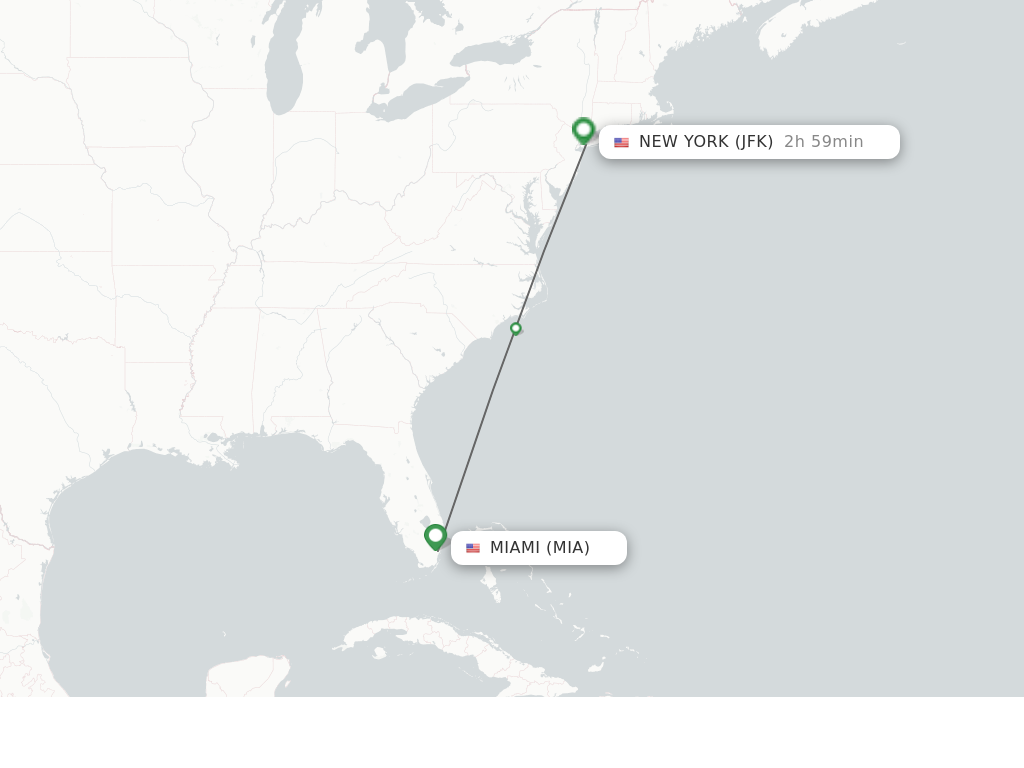
The flight from Miami to New York is a cornerstone of domestic air travel in the United States. It’s a route serviced by numerous airlines, offering a wide array of flight times and options to suit every budget and schedule. Typically, the actual time spent in the air is relatively short, making it an attractive option for a quick getaway or a business trip. However, the total travel time extends beyond just the airborne segment, encompassing airport procedures, potential delays, and the journey to and from the airports at both ends.
Understanding Flight Times and Factors
When asking “How long is the flight from Miami to New York?”, it’s important to distinguish between the scheduled flight time and the actual flight time. Scheduled flight times are an estimate provided by airlines, taking into account average conditions. Actual flight times can vary due to a multitude of factors.
Factors Influencing Flight Duration
Several elements can contribute to variations in how long your flight from Miami to New York will take. Understanding these factors can help you better anticipate your travel experience and plan accordingly.
- Aircraft Type and Speed: Different aircraft have varying cruising speeds. Larger jets, while capable of higher speeds, also require more time for take-off and landing procedures. Smaller, more nimble planes might have slightly shorter flight times but are less common on major commercial routes like this.
- Jet Streams: The atmosphere’s jet streams, fast-flowing currents of air, can significantly impact flight times. Flying eastward, as is the case from Miami to New York, often means benefiting from a tailwind provided by the jet stream, which can shorten the flight. Conversely, flying westward would likely encounter a headwind, increasing the duration. The strength and position of these streams fluctuate daily, so their impact is not constant.
- Air Traffic Control and Airspace Congestion: Both Miami and New York are located in some of the busiest air traffic corridors in the world. Miami International Airport and the various New York area airports, such as John F. Kennedy International Airport (JFK), LaGuardia Airport (LGA), and Newark Liberty International Airport (EWR), handle a massive volume of aircraft daily. Air traffic control plays a critical role in managing this complex system, but congestion can lead to holding patterns in the air or delays on the ground, extending the overall travel time.
- Weather Conditions: Adverse weather at either the departure or arrival airport can cause significant delays. This includes thunderstorms, heavy rain, fog, snow, or high winds. While Miami is known for its sunshine, it can experience tropical storms. New York, on the other hand, faces a wider range of weather challenges throughout the year, including snowstorms in winter. The flight path itself can also be affected by weather systems.
- Airline Scheduling and Routing: Airlines optimize their routes and schedules based on various factors, including fuel efficiency, passenger demand, and operational efficiency. While most flights on this route will follow a relatively direct path, minor variations in routing can occur due to air traffic management or operational decisions.
Typical Flight Durations
For a direct flight from Miami to New York, you can generally expect the airborne portion to last between 2 hours and 30 minutes to 3 hours and 15 minutes. This is a widely accepted range that accounts for the typical factors mentioned above.
- Non-stop Flights: These are the most efficient option for answering “How long is the flight from Miami to New York?” and are what most travelers seek. They offer the shortest travel time as they bypass any intermediate stops.
- Flights with Stops: If you opt for a flight with a layover, the total travel time will increase considerably. This could involve a stop in a city like Charlotte, Atlanta, or Philadelphia, adding at least a couple of hours for the stopover itself, plus the additional taxiing, take-off, and landing phases for the second leg of the journey.
It’s crucial to check the specific flight details provided by your chosen airline at the time of booking, as this will give you the most accurate scheduled duration for your particular flight.
Planning Your Trip: Beyond the Flight Time
Knowing the flight duration is just one aspect of planning your journey between Miami and New York. The entire travel experience involves much more, from getting to the airport to settling into your accommodation.
Navigating Miami International Airport and New York Area Airports
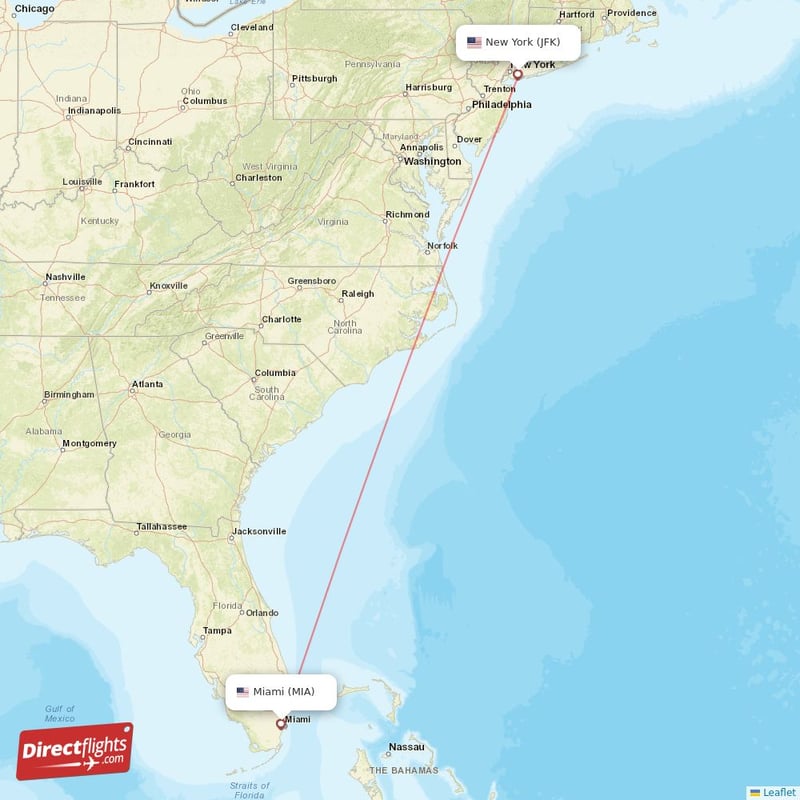
Miami International Airport (MIA) is a major hub for international and domestic travel. It’s a sprawling complex with numerous terminals and concourses. To ensure a smooth departure, it’s advisable to arrive at least two hours before a domestic flight. This allows ample time for check-in, security screening, and navigating to your gate.
The New York metropolitan area is served by three major airports:
- John F. Kennedy International Airport (JFK): A massive international gateway with a wide range of airlines and destinations.
- LaGuardia Airport (LGA): Primarily serves domestic flights and is often favored for its proximity to Manhattan.
- Newark Liberty International Airport (EWR): Located in New Jersey, it’s another major hub with extensive domestic and international service.
Each of these airports has its own characteristics regarding size, traffic flow, and transportation links to the city. Regardless of which New York airport you fly into, factoring in time for deplaning, baggage claim (if applicable), and ground transportation is essential.
Ground Transportation and City Access
Once you land, the journey isn’t over. The time it takes to get from the airport to your final destination in New York can vary significantly.
- From JFK: Options include the AirTrain connecting to the New York City Subway system, taxi services, ride-sharing apps, and pre-booked car services. Depending on traffic, a taxi or ride-share to Manhattan can take anywhere from 45 minutes to over an hour. The AirTrain and subway combination is often more predictable in terms of time, especially during peak hours.
- From LGA: LaGuardia has shuttle buses that connect to the New York City Subway and Long Island Rail Road (LIRR). Taxis and ride-sharing services are also available. Traffic can be particularly challenging around LGA.
- From EWR: The AirTrain connects to NJ Transit trains, which can take you into Penn Station in Manhattan. Taxis and ride-sharing are also available.
Understanding these ground transportation options and their typical travel times is crucial for accurately estimating your total travel time from Miami to your New York accommodation.
Experiencing Miami and New York: Beyond the Flight
The flight from Miami to New York is a bridge between two vastly different, yet equally captivating, urban landscapes. Each city offers unique attractions, from the sun-drenched beaches and vibrant nightlife of Miami to the world-class museums, iconic landmarks, and bustling cultural scene of New York.
Miami: Sun, Sand, and Culture
Miami is a city that pulses with energy. Known for its stunning Art Deco architecture in South Beach, its diverse culinary scene influenced by Latin American and Caribbean flavors, and its lively music and dance culture, Miami is a sensory delight. Visitors often flock to Ocean Drive for its iconic strip of restaurants and hotels, explore the colorful streets of Wynwood with its incredible street art, or relax on the pristine sands of Miami Beach. The city’s proximity to the Everglades National Park also offers opportunities for nature enthusiasts. For those seeking luxurious getaways, Miami boasts some of the finest resorts and hotels, offering unparalleled amenities and oceanfront views.

New York: The City That Never Sleeps
New York is a global epicenter for finance, fashion, art, and entertainment. Its most recognizable landmarks, such as the Empire State Building, the Statue of Liberty, and Times Square, draw millions of visitors each year. The city is a treasure trove of cultural institutions, from the Metropolitan Museum of Art and the Museum of Modern Art (MoMA) to the countless theaters in the Broadway district. Central Park offers a sprawling urban oasis, while neighborhoods like Greenwich Village, SoHo, and Harlem each possess their own distinct character and charm. Whether you’re looking for high-end shopping on Fifth Avenue, experiencing the diverse culinary offerings in areas like Chinatown or Little Italy, or simply soaking in the sheer dynamism of the city, New York promises an unforgettable experience.
Choosing between Miami and New York for your next trip depends on your interests. Miami often appeals to those seeking a more relaxed, tropical vibe with a lively social scene, while New York calls to those who thrive on urban energy, endless cultural pursuits, and a fast-paced lifestyle. The relatively short flight time makes it feasible to experience both, perhaps even as part of a multi-city itinerary.
In conclusion, while the direct flight from Miami to New York typically spans around 2.5 to 3.25 hours, the overall travel time is influenced by a range of logistical and environmental factors. Understanding these elements, from airport procedures to ground transportation, will help you plan a seamless and enjoyable journey between these two dynamic American metropolises.
LifeOutOfTheBox is a participant in the Amazon Services LLC Associates Program, an affiliate advertising program designed to provide a means for sites to earn advertising fees by advertising and linking to Amazon.com. Amazon, the Amazon logo, AmazonSupply, and the AmazonSupply logo are trademarks of Amazon.com, Inc. or its affiliates. As an Amazon Associate we earn affiliate commissions from qualifying purchases.