
When severe weather threatens a major travel hub like Miami International Airport (MIA), concerns about flight disruptions and potential closures are paramount for travelers. Understanding the protocols, resources, and current status is crucial for anyone planning a trip through this bustling gateway. This article delves into what happens when weather impacts Miami International Airport, addressing the question of whether it’s closed and what travelers can expect.
Understanding Airport Operations During Inclement Weather
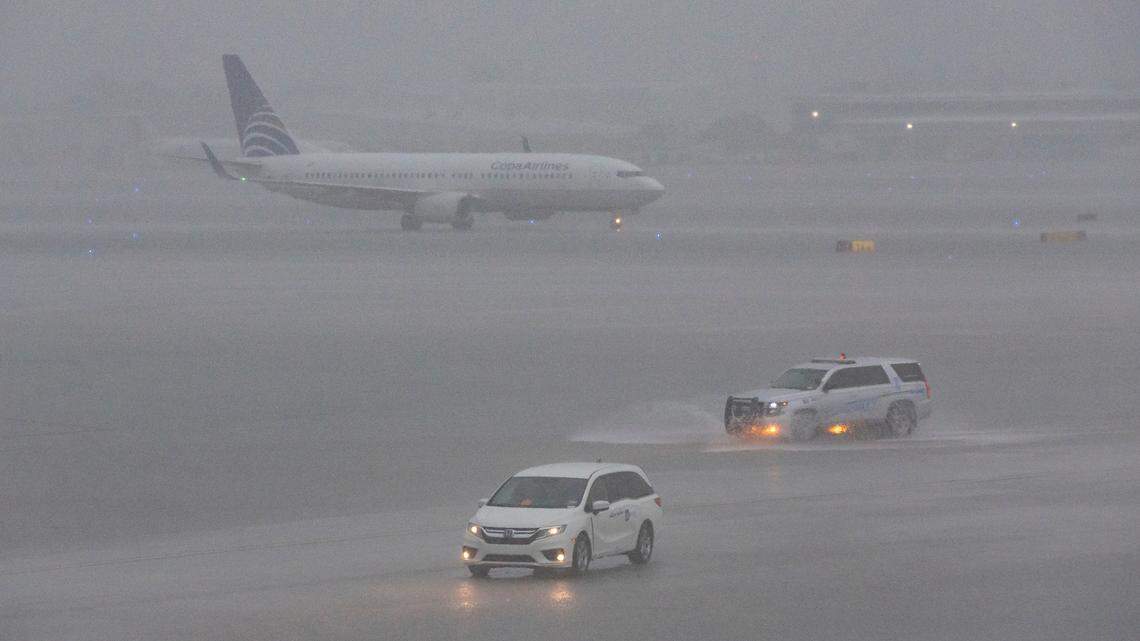
The decision to close an airport is not taken lightly. Airports like Miami International Airport are complex ecosystems involving airlines, air traffic control, ground operations, and federal agencies. Their primary concern is safety. When adverse weather conditions such as hurricanes, tropical storms, heavy rainfall, or strong winds emerge, a multi-faceted assessment takes place.
Factors Influencing Closure Decisions
Several critical factors contribute to the decision-making process regarding airport operations during severe weather:
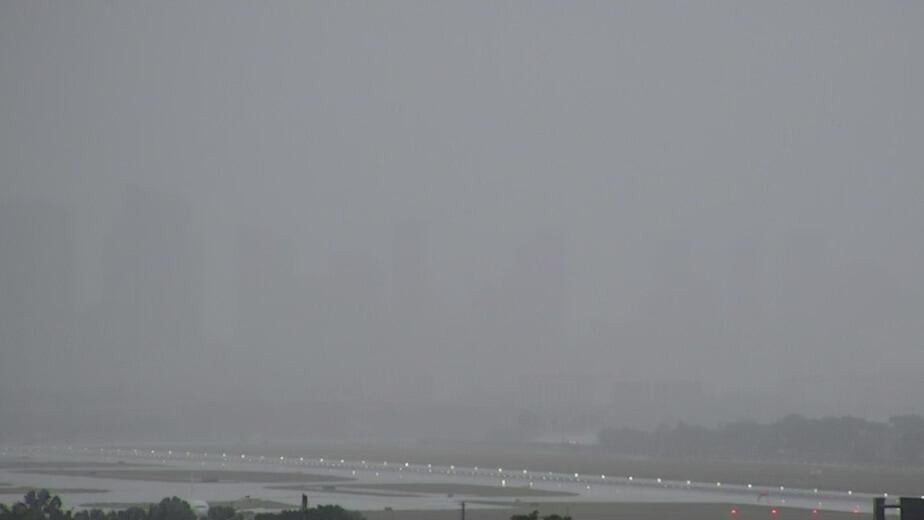
- Safety of Aircraft Operations: The most significant factor is the ability of aircraft to take off and land safely. High winds, low visibility due to rain or fog, and potential lightning strikes can make these maneuvers extremely hazardous. Air traffic controllers and airline pilots rely on precise weather data and forecasts to make these judgments.
- Ground Operations and Infrastructure: Beyond the runways, airport infrastructure must also withstand the weather. This includes terminals, hangars, fuel farms, and baggage handling systems. Flooding, high winds that can damage structures or blow debris onto the tarmac, and power outages can all impact ground operations. Miami International Airport, being in a coastal region, is particularly susceptible to storm surge and flooding during significant weather events.
- Staff Availability and Safety: Airport personnel, including air traffic controllers, ground crew, airline staff, and security personnel, need to be able to reach the airport and work safely. In extreme weather, reaching the airport can become impossible or dangerous for employees.
- Airline Discretion: While the airport authority and the Federal Aviation Administration (FAA) play a significant role, individual airlines also have the discretion to suspend operations based on their own safety assessments and operational capabilities, even if the airport itself remains technically open.
The Role of the National Weather Service and FAA
The National Weather Service (NWS) is the primary source of weather information and forecasts for the United States. Their advisories, warnings, and watches are closely monitored by airport authorities and airlines. The FAA, which oversees air traffic control and aviation safety, works in conjunction with the NWS to manage airspace and airport operations. In cases of significant weather threats, the FAA may issue advisories or even ground stops, which halt all departures from an airport to prevent congestion and manage the flow of traffic during difficult conditions.
Gradual Suspension vs. Full Closure
It’s important to distinguish between a full airport closure and a suspension of flight operations. An airport might not be declared “closed” in a formal sense, but airlines may voluntarily ground flights due to weather conditions. This often happens gradually, with some flights canceled or delayed before any official closure is announced. Conversely, during extreme events like a major hurricane, an airport might issue a mandatory evacuation order for all personnel and cease all operations until the storm has passed and an assessment of the damage can be conducted.
Monitoring Miami International Airport Status
Given the dynamic nature of weather, staying informed is paramount for travelers. There are several reliable ways to check the operational status of Miami International Airport.
Official Airport Resources
The most direct source of information is Miami International Airport itself. Their official website and social media channels are typically updated in real-time during weather events.
- Website: The airport’s official website will usually have a prominent banner or section dedicated to weather-related disruptions, flight status updates, and advisories. Travelers can often find direct links to airline flight status pages from here.
- Social Media: Many airports, including MIA, use platforms like Twitter to provide immediate updates on closures, delays, and operational status. Following their official accounts can be an efficient way to get timely information.
- Airport Hotlines: Miami International Airport may also provide a dedicated phone number for travelers to call and inquire about current conditions and flight status.
Airline Communications
Airlines operating out of Miami International Airport are responsible for communicating directly with their passengers about flight status.
- Email and Text Alerts: Passengers who have booked flights should ensure their contact information is up-to-date with the airline. Airlines will typically send out email or text message notifications regarding cancellations, delays, or gate changes.
- Airline Websites and Apps: Checking the airline’s official website or mobile app is another essential step. These platforms usually provide real-time flight tracking and status updates.
- Customer Service Lines: While often overwhelmed during major disruptions, contacting the airline’s customer service can provide further assistance with rebooking or alternative travel arrangements.
Flight Tracking Websites and Apps
Third-party flight tracking services can offer a consolidated view of flight statuses at Miami International Airport.
- FlightAware and FlightRadar24 are popular examples that show live aircraft movements, delays, and cancellations for thousands of airports worldwide. These can be useful for getting a broader picture of the situation.
What to Do if Your Flight is Affected
If Miami International Airport is experiencing weather-related disruptions, or if your flight is canceled or significantly delayed, it’s important to have a plan.
Travel Insurance Considerations
For frequent travelers or those embarking on significant journeys, travel insurance can be a lifesaver. Many policies offer coverage for trip
cancellations or interruptions due to weather, covering costs such as:
- Lost Accommodation: If your hotel booking in Miami or your destination becomes unusable due to travel delays.
- Additional Accommodation: If you need to stay overnight in Miami or at your destination due to extended delays.
- Rebooking Fees: Some policies may cover the cost of rebooking flights.
- Missed Tours or Activities: If weather disruptions cause you to miss pre-booked attractions or experiences.
When purchasing travel insurance, it is crucial to read the policy details carefully to understand what specific weather-related events are covered and the extent of the coverage.
Rebooking and Alternative Arrangements
If your flight is canceled, your airline will typically try to rebook you on the next available flight. However, during widespread disruptions, this might mean a significant wait or even the need to explore alternative options.
- Be Proactive: Don’t wait for the airline to contact you if you see your flight is in jeopardy. Check for alternative flights on the airline’s website or app and be ready to speak to a customer service representative.
- Consider Other Airports: Depending on your final destination, it might be feasible to fly into or out of a different airport in the region. For example, if traveling to South Florida, other nearby airports might still be operating. However, factor in the cost and time of transportation between airports.
- Refund Options: If rebooking is not suitable, you are generally entitled to a refund for the canceled flight. Familiarize yourself with the airline’s refund policy.
Accommodation and Local Tourism Impacts
If you are stranded in Miami due to airport closures or significant delays, you may need to consider temporary accommodation. While hotels near the airport are often the first choice, they can fill up quickly during major disruptions.
- Hotel Availability: Look for hotels in different parts of Miami, such as Downtown Miami, Miami Beach, or the Brickell area. Websites like Booking.com or Expedia can help you compare prices and availability. Consider various types of accommodation, from standard hotels to more unique options like apartments or villas if you anticipate a longer stay.
- Local Attractions: If you find yourself with unexpected time in Miami, and the weather permits, there are numerous attractions to explore. From the vibrant art deco district of South Beach to the lush landscapes of the Everglades National Park or the cultural richness of Little Havana, Miami offers diverse experiences. However, always prioritize safety and heed any local advisories.
- Food Experiences: Miami‘s culinary scene is renowned, offering everything from authentic Cuban cuisine to fresh seafood. If you’re looking for a taste of local life, exploring the diverse food options can be a great way to pass the time.
Navigating Lifestyle and Luxury Travel Concerns
For those traveling under a luxury travel or lifestyle banner, weather disruptions can pose particular challenges, especially if they impact access to high-end resorts or exclusive experiences.
- Resort Operations: High-end resorts in areas like Miami Beach or the Keys will have their own protocols for severe weather. They often have generators and robust emergency plans. However, access to these resorts might be impacted if roads are closed or transportation services are suspended.
- Business Travel: For business travelers, disruptions can mean missed meetings or conferences. Having contingency plans, including options for remote work or flexible scheduling, is crucial. The availability of reliable Wi-Fi and suitable co-working spaces or hotel business centers becomes a priority.
- Family Trips: For families, weather disruptions can be particularly stressful. Ensuring children are comfortable and entertained during extended waits or unexpected overnight stays is important. Having snacks, activities, and clear communication channels with children can help manage the situation.
The Bottom Line: Staying Prepared
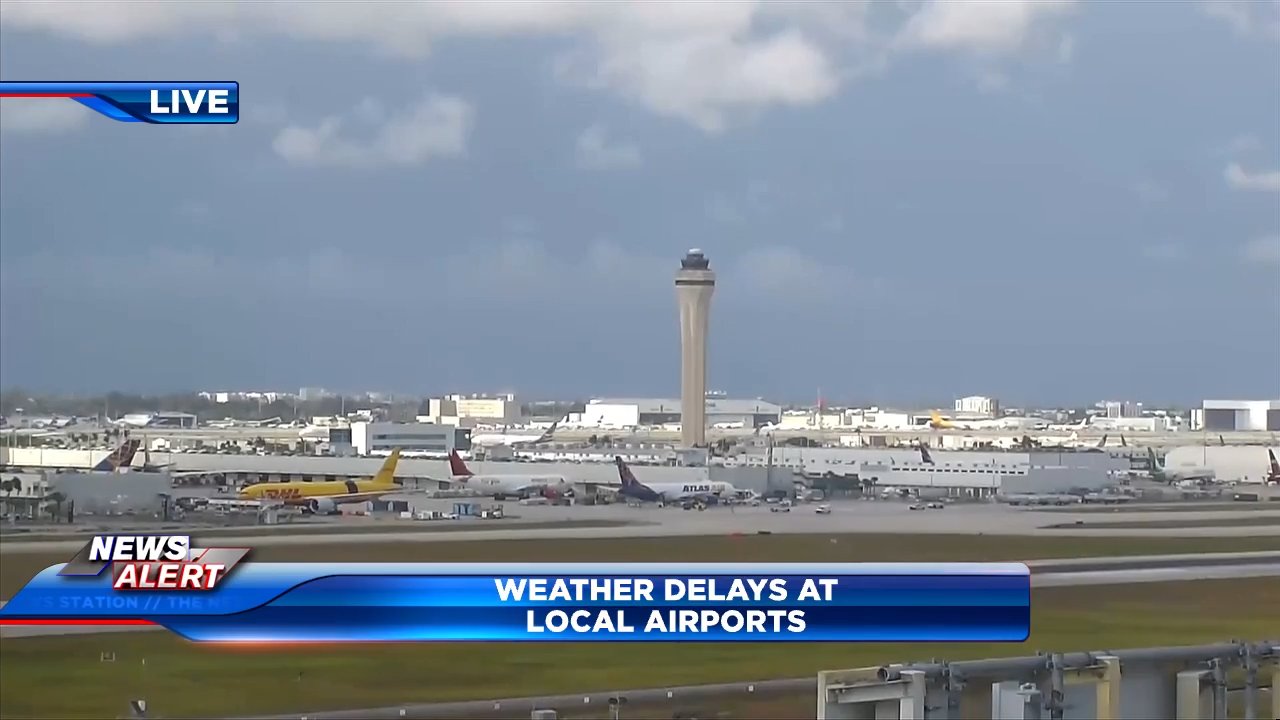
Ultimately, the question “Is Miami Airport closed due to weather?” rarely has a simple yes or no answer in real-time. It’s a fluid situation that depends on the severity of the weather and the ongoing assessments by airport authorities, the FAA, and individual airlines.
The best approach for travelers is always preparation and vigilance. By understanding the factors that influence airport operations, utilizing reliable resources for updates, and having contingency plans in place, you can navigate potential weather disruptions at Miami International Airport with greater confidence and less stress, ensuring your travel experiences, whether for leisure, business, or family, remain as smooth as possible. Remember to always prioritize your safety and follow the guidance of official authorities during severe weather events.
LifeOutOfTheBox is a participant in the Amazon Services LLC Associates Program, an affiliate advertising program designed to provide a means for sites to earn advertising fees by advertising and linking to Amazon.com. Amazon, the Amazon logo, AmazonSupply, and the AmazonSupply logo are trademarks of Amazon.com, Inc. or its affiliates. As an Amazon Associate we earn affiliate commissions from qualifying purchases.