
Understanding the demographic landscape of a city like Minneapolis is far more than just knowing a number; it’s about grasping the very essence of its urban lifestyle. The population size and its intricate composition—from age groups and ethnic diversity to economic drivers and educational attainment—collectively weave the fabric of daily life, shape community interactions, influence infrastructure development, and define the unique character of the city. For those considering a move, seeking to understand urban dynamics, or simply curious about what makes Minneapolis tick, delving into its population statistics offers invaluable insights into the quality of life and the myriad experiences it offers.
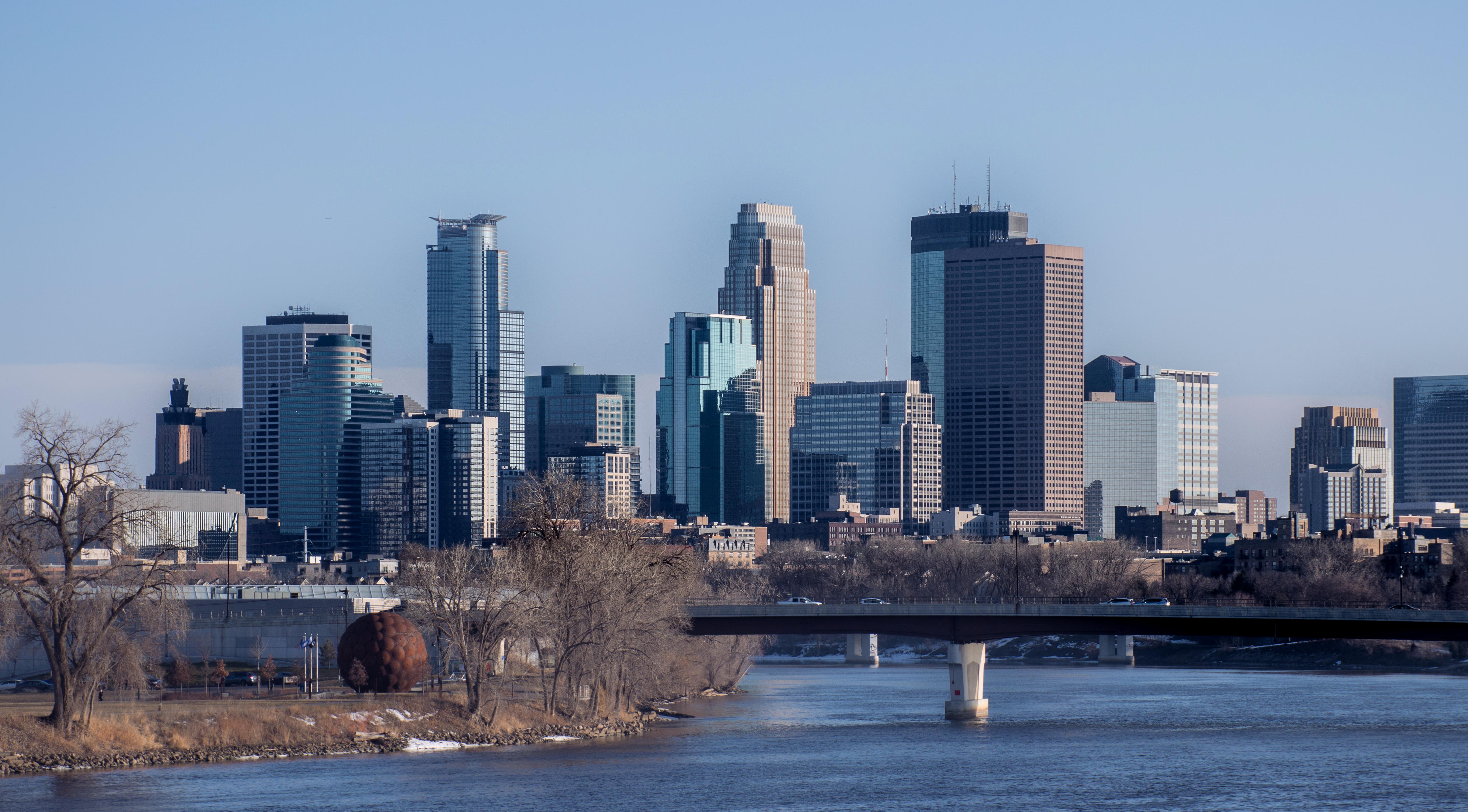
Minneapolis, the larger of the Twin Cities metropolitan area, stands as a vibrant hub in the Upper Midwest. As of recent estimates, the city proper is home to approximately 429,000 residents. This figure positions Minneapolis as the most populous city in Minnesota and a significant urban center within the wider region. However, this number alone doesn’t tell the full story. To truly appreciate the lifestyle of Minneapolis, we must dissect what these numbers represent for its inhabitants and the broader community.
The Pulse of Urban Living: Minneapolis’s Population Snapshot
The numerical count of residents provides a foundational understanding, but the real depth comes from analyzing how these numbers manifest in the city’s daily rhythm and overall ambiance. Minneapolis is not merely a collection of individuals but a dynamic community whose size and characteristics directly influence its urban living experience.
Current Population and Demographic Trends
With approximately 429,000 people calling it home, Minneapolis is a bustling metropolis that balances urban amenities with a surprising amount of green space and a strong connection to nature, particularly through its numerous lakes and the Mississippi River which carves through its heart. While the city experienced a dip in population in the mid-20th century, it has seen a consistent resurgence over the past two decades, driven by urban revitalization, economic growth, and an increasing appeal to younger demographics and diverse communities. This growth trajectory signifies a renewed vibrancy, bringing with it both opportunities and challenges for the city’s infrastructure and social services. The current trend suggests a continued, albeit moderate, expansion, hinting at a city that is constantly evolving and adapting to the needs of its growing populace.
Population Density and Urban Sprawl
The city’s roughly 57.5 square miles yield a population density of about 7,500 people per square mile. This density is indicative of a city that, while compact in its core, also features distinct neighborhoods ranging from densely populated apartment districts to more suburban-feeling residential areas with single-family homes. This varied density is a cornerstone of the Minneapolis lifestyle, offering residents choices in living environments. Downtown Minneapolis and its immediate surroundings exhibit a higher density, contributing to a vibrant street life, walkability, and access to cultural institutions and dining. Conversely, areas further from the city center maintain a more spread-out feel, allowing for larger green spaces and a quieter residential experience. This balance prevents the feeling of overwhelming sprawl often associated with larger metropolitan areas, preserving a sense of community even within a significant population. The relatively contained urban footprint, surrounded by an extensive park system, allows residents to enjoy both metropolitan energy and immediate access to nature, a defining characteristic of the Minneapolis lifestyle.
Demographics Shaping the Minneapolis Lifestyle
Beyond the sheer numbers, the demographic makeup of Minneapolis profoundly influences its social dynamics, cultural landscape, and economic vitality. The diversity of its residents is a source of strength, contributing to a rich and multifaceted urban experience.
A Mosaic of Cultures
Minneapolis is a melting pot, home to a significant and growing immigrant population that has reshaped its cultural fabric. Communities from Somalia, Laos, Ethiopia, and Mexico, among others, have established vibrant enclaves, enriching the city with diverse cuisines, languages, traditions, and artistic expressions. This cultural mosaic is evident in the city’s eclectic food scene, from authentic ethnic restaurants to bustling international markets. It’s also reflected in numerous cultural festivals and events throughout the year, fostering a global perspective within the heart of the Midwest. This rich diversity creates a unique lifestyle where residents are exposed to a broad spectrum of perspectives, fostering an environment of learning, exchange, and community engagement that is a hallmark of contemporary Minneapolis.
Age and Economic Dynamics

The age distribution of Minneapolis’s population points to a relatively young and dynamic city. A substantial portion of residents falls within the young professional and working-age categories, significantly influenced by the presence of institutions like the University of Minnesota, which attracts and retains a youthful demographic. This youthful energy contributes to a vibrant nightlife, a thriving arts scene, and a robust startup culture. The presence of numerous Fortune 500 companies and a diverse job market further draws a skilled workforce, fueling economic growth and innovation. This demographic profile also impacts consumer behavior, driving demand for modern amenities, sustainable living options, and tech-forward services. The city’s focus on fostering an inclusive and progressive environment appeals to this demographic, contributing to a forward-thinking and active lifestyle that characterizes much of urban Minneapolis.
Population’s Impact on Quality of Life
The sheer number of people, combined with their characteristics, has a direct and tangible impact on the quality of life for all Minneapolis residents. It shapes the infrastructure, the availability of public services, and the access to the very amenities that make a city livable and enjoyable.
Infrastructure and Services
A population of over 400,000 demands robust infrastructure and efficient public services. Minneapolis has invested significantly in its public transportation network, including light rail and an extensive bus system, which is crucial for connecting residents across its varied neighborhoods and reducing reliance on private vehicles. The city also boasts a well-regarded education system, from public schools to higher education institutions, catering to diverse educational needs. Healthcare services are comprehensive, with a number of leading hospitals and medical centers serving the community. Public safety initiatives are continually evolving to meet the needs of a growing and diverse populace. The efficiency and accessibility of these services are paramount to maintaining a high quality of life, ensuring that residents have the necessary support systems to thrive in an urban setting. The commitment to these foundational services underscores the city’s dedication to its residents’ well-being.
Green Spaces and Recreation
Despite its urban density, one of Minneapolis’s most celebrated features is its expansive park system, often ranked among the best in the United States. The city’s population benefits immensely from this green infrastructure, which includes dozens of parks, lakes, and miles of interconnected trails. The famous Chain of Lakes offers residents unparalleled opportunities for walking, biking, paddleboarding, and swimming, effectively integrating nature into the urban lifestyle. This abundance of recreational space provides critical outlets for physical activity, mental well-being, and social interaction, creating a balanced lifestyle that counters the stresses of city living. The strategic planning behind these green spaces ensures that even with a growing population, access to nature remains a cornerstone of the Minneapolis experience, enhancing overall quality of life and contributing to the city’s reputation as a livable and healthy environment.
Economic Landscape and Future Outlook
The size and characteristics of Minneapolis’s population are intrinsically linked to its economic engine and the future trajectory of its development. A healthy population base supports a robust economy, which in turn attracts more residents, creating a virtuous cycle.
Employment and Industry
Minneapolis is a major economic player in the Midwest, with a diverse economy that provides a wide array of employment opportunities for its substantial workforce. Key industries include healthcare, finance, technology, food processing, and retail, supported by a highly educated labor pool. The presence of corporate giants, alongside a burgeoning startup scene, creates a dynamic job market. This economic strength not only attracts new residents but also retains existing ones by offering stable and diverse career paths. The entrepreneurial spirit thrives, fueled by a supportive community and access to venture capital. The high proportion of working-age individuals within the population ensures a continuous supply of talent, driving innovation and maintaining the city’s competitive edge. This vibrant economic landscape is a significant draw, shaping the career and lifestyle choices of many who choose to live in Minneapolis.

Housing Market and Affordability
The interplay between population growth and the housing market is a critical aspect of urban lifestyle. As Minneapolis’s population has grown, demand for housing has increased, impacting affordability. The city has seen significant development in both single-family homes and multi-unit dwellings, particularly in and around its downtown and popular neighborhoods. Efforts to address housing affordability are ongoing, with a focus on creating diverse housing options to accommodate residents across various income levels. The challenge lies in balancing growth with maintaining the city’s unique character and ensuring that all residents can find suitable housing. For many, the ability to find an affordable home close to work and amenities is a primary factor in choosing to live in Minneapolis, making the housing market a key determinant of its lifestyle appeal. The city’s approach to housing and urban planning will continue to define the accessibility and inclusivity of the Minneapolis lifestyle for years to come.
In conclusion, the question “How Many People Live In Minneapolis, Minnesota?” leads us far beyond a simple numerical answer. With an estimated population of 429,000, Minneapolis is a city shaped by its demographics, offering a lifestyle that is at once vibrant, diverse, and deeply connected to both urban opportunities and natural beauty. From its cultural mosaic and dynamic economy to its robust infrastructure and abundant green spaces, the population of Minneapolis defines its character and offers a rich, engaging urban experience for all who call it home. The ongoing evolution of its population promises a future filled with continued growth, innovation, and community development, further solidifying its status as a premier place to live in the Midwest.
LifeOutOfTheBox is a participant in the Amazon Services LLC Associates Program, an affiliate advertising program designed to provide a means for sites to earn advertising fees by advertising and linking to Amazon.com. Amazon, the Amazon logo, AmazonSupply, and the AmazonSupply logo are trademarks of Amazon.com, Inc. or its affiliates. As an Amazon Associate we earn affiliate commissions from qualifying purchases.