
Minneapolis, the vibrant heart of Minnesota‘s Twin Cities, is renowned for its dynamic urban culture, picturesque lakes, and, undeniably, its significant winter snowfall. For travelers planning a visit, especially between November and April, understanding the city’s relationship with snow isn’t just a matter of curiosity – it’s crucial for packing, planning activities, and ensuring a comfortable and memorable experience. Far from being a deterrent, the snow transforms Minneapolis into a glistening winter wonderland, offering a unique array of activities and a cozy charm that is deeply ingrained in the local lifestyle. This comprehensive guide will delve into the specifics of snowfall in Minneapolis, helping you prepare for and embrace the frosty beauty of this northern metropolis.
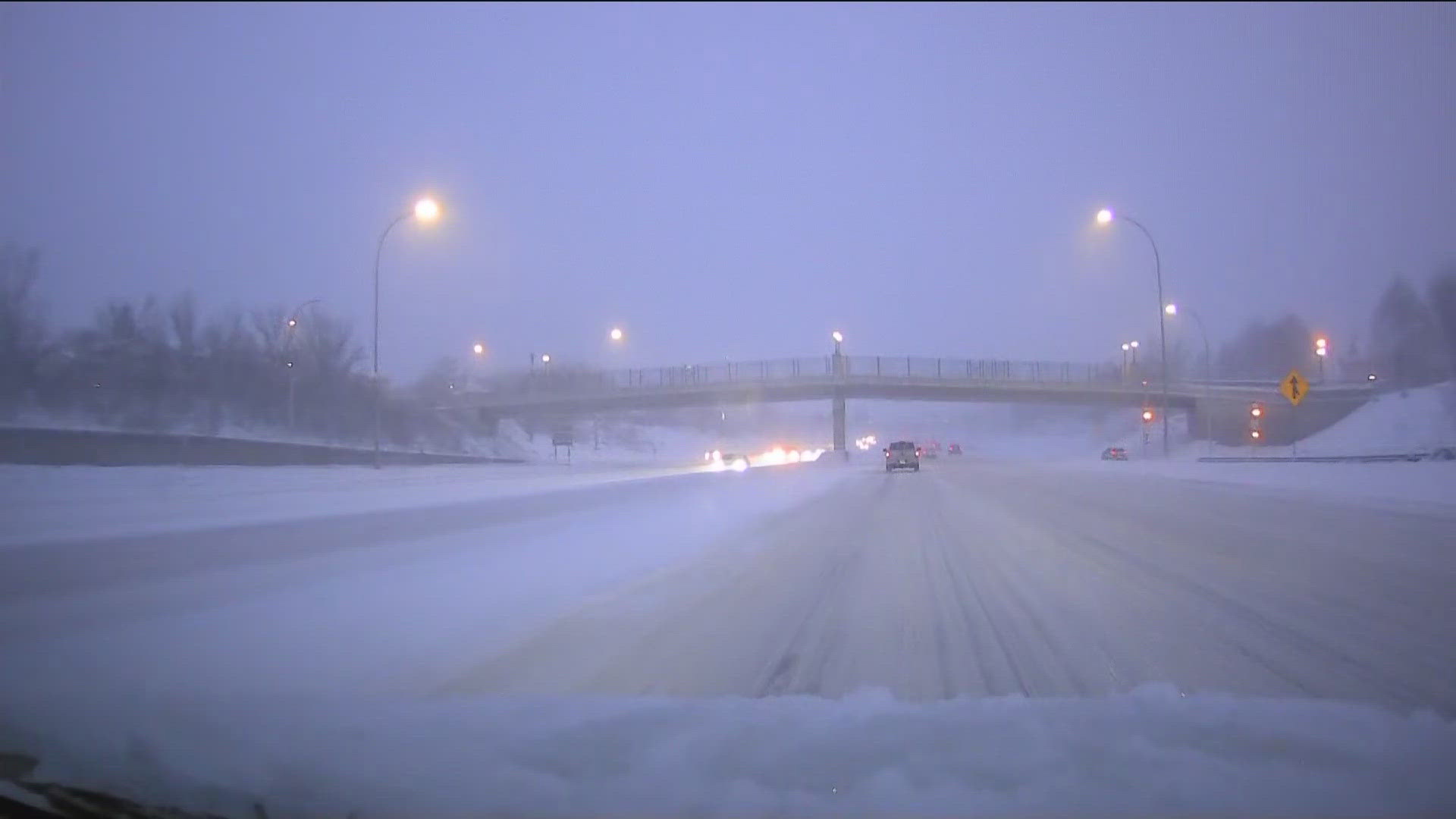
The Winter Wonderland of Minneapolis: An Overview of Snowfall
Minneapolis experiences a quintessential Midwestern winter, characterized by cold temperatures and substantial snowfall. This seasonal transformation is a defining feature of the city’s character and greatly influences its rhythm from late autumn through early spring.
Average Annual Snowfall and Historical Context
On average, Minneapolis receives approximately 50 to 60 inches (around 127 to 152 cm) of snow annually. However, this figure can fluctuate significantly from year to year. Some seasons might see less than 30 inches, while others can exceed 80 inches, occasionally pushing past 100 inches in particularly prolific winters. The historical record for the most snow in a single season for the Twin Cities area, for example, stands at an impressive 98.6 inches, recorded during the winter of 1983-1984. This variability means that while snow is a certainty, the exact amount can be a delightful, or sometimes challenging, surprise. The city is exceptionally well-equipped to handle even the heaviest snowfalls, with efficient plowing and removal services keeping roads and sidewalks accessible.
When Does the Snow Start and End?
The first flakes can sometimes grace the city as early as October, but significant accumulation typically begins in November. By mid-to-late November, it’s common for Minneapolis to have its first substantial snowfall, setting the stage for the winter season. The snow season generally stretches through March, with April often seeing lingering traces of winter or even a late-season snowstorm. While a light dusting might occur in late April, by May, the city is usually transitioning fully into spring, with melting snow giving way to budding trees and blooming flowers. Understanding this timeline is key for travelers looking to experience a specific type of snowy adventure.
Seasonal Deep Dive: When to Expect the Most Snow
The character of winter in Minneapolis evolves throughout the season, with distinct periods offering different levels of snowfall and unique experiences.
Early Winter (November – December): Initial Dustings to Heavier Falls
November marks the true beginning of winter in Minneapolis. While temperatures begin to drop steadily, the snowfall is usually intermittent, starting with light dustings that transition into more consistent accumulations as the month progresses. By December, the city is typically covered in a picturesque blanket of snow, creating a festive atmosphere perfect for the holiday season. This period is ideal for travelers who want to experience the magic of a snowy Christmas without the intense cold and deep snow of mid-winter. Activities like visiting outdoor holiday markets or enjoying festive light displays become enchanting experiences under a fresh layer of white.
Peak Winter (January – February): The Heart of Snow Season
January and February are unequivocally the snowiest and coldest months in Minneapolis. During this time, the city often experiences significant snowstorms that can drop several inches, or even feet, of snow in a single event. Average monthly snowfall peaks during these months, and temperatures consistently hover below freezing, sometimes dipping well into the negatives. For snow enthusiasts, this is the prime time to visit, offering pristine conditions for winter sports and breathtaking snowy landscapes. The city’s infrastructure is optimized for these conditions, ensuring that life continues even amidst heavy snowfall, thanks to diligent plowing and the extensive skyway system.
Late Winter/Early Spring (March – April): Lingering Snow and Melt
As March arrives, the grip of winter gradually loosens, but substantial snowfall is still very common. Many of the season’s heaviest storms can occur in March, creating unexpected late-winter challenges and opportunities. However, the increasing daylight hours and occasional milder temperatures mean that snow begins to melt more rapidly between storms. April sees a noticeable shift towards spring, with snow cover becoming sporadic. While a significant snowstorm in April is not unheard of, any new snowfall usually melts quickly. This transitional period offers a unique blend of winter activities and the first hints of spring, making it an interesting time for travelers who want to witness the changing seasons.
Navigating Minneapolis’s Snowy Landscape as a Traveler
Traveling to Minneapolis during the snowy months requires some preparation, but the city’s excellent infrastructure and local expertise make it a manageable and enjoyable experience.
Transportation and Accessibility

The Minneapolis-Saint Paul International Airport (MSP) is exceptionally well-prepared for winter weather. Flights may experience delays during severe snowstorms, but the airport’s snow removal teams are highly efficient, minimizing disruptions. Once on the ground, public transportation, including the light rail and bus system, operates reliably even in snowy conditions, connecting the airport to downtown Minneapolis and other key areas. For those renting cars, opting for a vehicle with all-wheel drive or snow tires is highly recommended, and familiarity with driving in snow is essential. However, many visitors find that utilizing public transit and the city’s unique skyway system – a network of enclosed, climate-controlled pedestrian bridges connecting downtown buildings – significantly reduces the need for driving in winter conditions. Pedestrians should be mindful of icy patches, especially on uncleared sidewalks or shaded areas.
Essential Packing for a Minneapolis Winter Trip
Layering is the golden rule for dressing for a Minneapolis winter. Start with a moisture-wicking base layer, add insulating mid-layers like fleece or wool sweaters, and top it off with a waterproof and windproof outer shell, ideally an insulated winter jacket. Snow pants are highly recommended for anyone planning to spend extended time outdoors, especially for activities like skiing or snowball fights. Crucially, invest in high-quality, waterproof, and insulated winter boots with good traction to navigate snowy and icy sidewalks comfortably and safely. Don’t forget accessories: a warm hat that covers your ears, insulated gloves or mittens, and a scarf are indispensable for protecting exposed skin from the biting cold.
Embracing the Snow: Winter Activities and Attractions in Minneapolis
Far from shutting down, Minneapolis comes alive with unique activities and attractions during the snowy months, transforming the city into a playground for winter enthusiasts and a haven for cozy indoor pursuits.
Outdoor Winter Sports and Recreation
The city’s extensive park system, including gems like Theodore Wirth Park, becomes a prime destination for outdoor winter sports. Visitors can enjoy miles of groomed trails for cross-country skiing and snowshoeing, often with equipment rentals available. Ice skating is another beloved pastime, with various rinks opening up across the city, including popular spots like Centennial Lakes Park in nearby Edina, or on the frozen surfaces of urban lakes such as Lake of the Isles. Ice fishing on the frozen lakes, a quintessential Minnesota experience, also attracts many locals and adventurous travelers.
Indoor Comforts and Cultural Experiences
For those seeking refuge from the cold, Minneapolis offers a wealth of world-class indoor attractions. Immerse yourself in art at the Minneapolis Institute of Art or the contemporary Walker Art Center. Shop till you drop at the enormous Mall of America in neighboring Bloomington, accessible via light rail. Catch a Broadway show or local production at the architecturally stunning Guthrie Theater overlooking the Mississippi River. The aforementioned skyway system is a true winter marvel, connecting dozens of blocks downtown, allowing pedestrians to traverse the city comfortably without ever stepping outside.
Festive Events and Winter Celebrations
The snowy season also brings with it a calendar full of festive events. December lights up with the Holidazzle village, an outdoor market and celebration downtown. In February, the annual City of Lakes Loppet Ski Festival transforms the city’s parkways and lakes into a Nordic skiing paradise, attracting participants and spectators alike. Smaller community events, ice sculpting contests, and winter carnivals often dot the schedule, offering unique glimpses into local culture and a chance to celebrate the season with residents.
Planning Your Perfect Snowy Getaway to Minneapolis
A winter trip to Minneapolis can be an incredibly rewarding experience, whether you’re chasing the deepest snow or simply want to experience a cozy urban winter.
Best Time to Visit for Snow Enthusiasts vs. Snow Avoiders
If your primary goal is to experience the maximum amount of snow and participate in serious winter sports, then January and February are your best bet. These months offer the highest likelihood of deep snow cover and consistently cold temperatures. If you prefer a taste of snow with potentially milder conditions, late November/early December or late March/early April could be more suitable, offering the charm of snow without the extreme cold. For travelers who wish to completely avoid snow, plan your visit from late May through early October, when the city enjoys warm temperatures and lush greenery.
Accommodation Considerations During Winter
When booking accommodation in Minneapolis for a winter visit, consider hotels that offer easy access to the light rail or are connected to the skyway system, especially if you plan to explore downtown. Many upscale and boutique hotels in areas like the North Loop or downtown core offer direct skyway access, providing a seamless and warm transition to restaurants, shops, and attractions. Look for hotels with cozy amenities such as fireplaces, indoor pools, or on-site dining options to enhance your winter comfort. While there aren’t many traditional “resorts” within the immediate city center, charming options near Lake Minnetonka offer a more secluded, winter retreat experience just a short drive away.
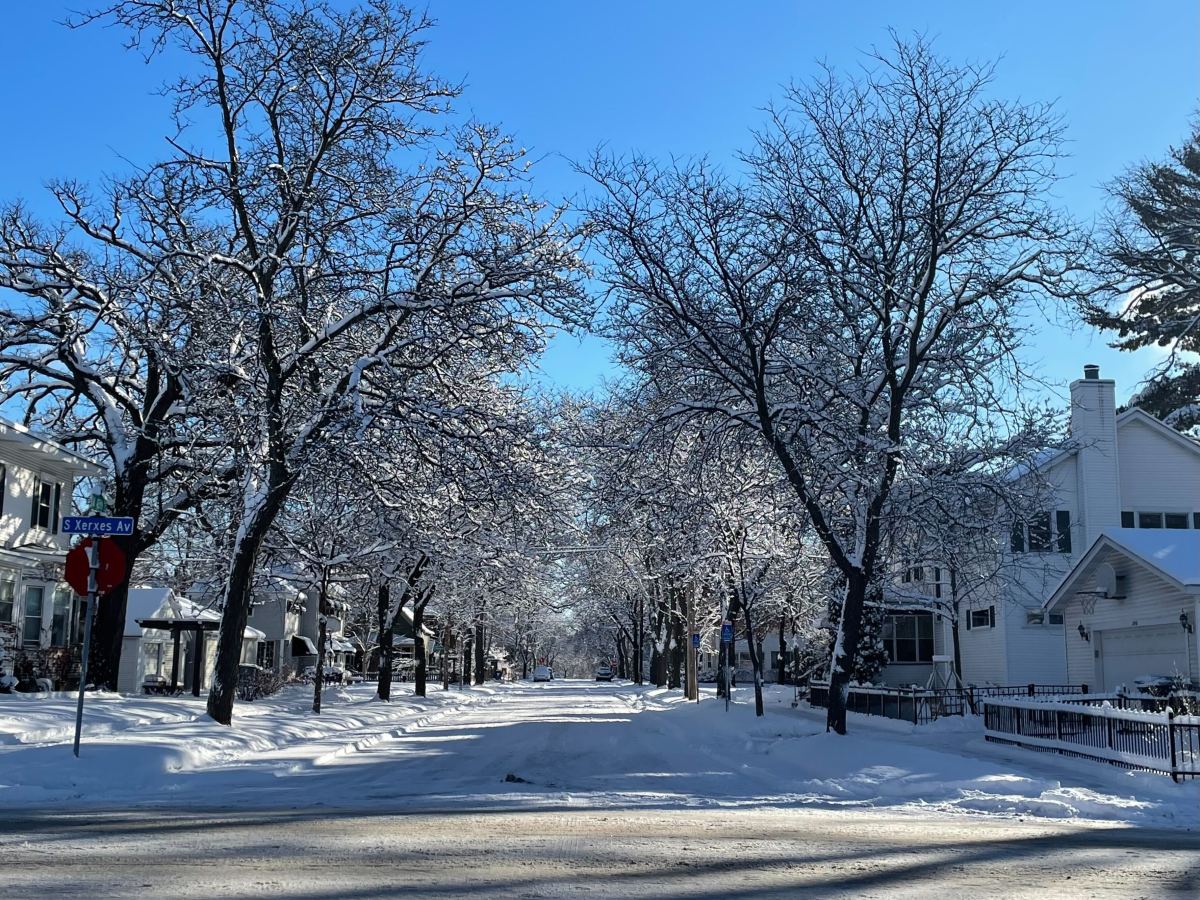
Safety Tips and Local Insights
Always stay informed about the local weather forecast, especially during winter months, as conditions can change rapidly. Be mindful of ice, particularly in parking lots and on sidewalks, and walk carefully. Locals are accustomed to the cold, so don’t be surprised to see people out and about even on the chilliest days. Embrace the cold with appropriate attire, and you’ll find a resilient and welcoming spirit throughout the city. Don’t let the snow intimidate you; instead, view it as an integral part of the Minneapolis experience. With proper planning and a spirit of adventure, your snowy sojourn in this remarkable city will undoubtedly be unforgettable.
LifeOutOfTheBox is a participant in the Amazon Services LLC Associates Program, an affiliate advertising program designed to provide a means for sites to earn advertising fees by advertising and linking to Amazon.com. Amazon, the Amazon logo, AmazonSupply, and the AmazonSupply logo are trademarks of Amazon.com, Inc. or its affiliates. As an Amazon Associate we earn affiliate commissions from qualifying purchases.