
For any traveler planning a visit to a new city, understanding the local time zone is more than just a trivial detail; it’s a cornerstone of effective trip planning. It impacts everything from flight schedules and hotel check-ins to coordinating meetings and experiencing local attractions. When it comes to Minneapolis, a vibrant jewel in the heart of the United States Midwest, the answer to the question “Is Minneapolis Central Time?” is a resounding yes. Minneapolis, along with the rest of Minnesota, observes the Central Time Zone (CT), which operates at UTC-06:00 during standard time and UTC-05:00 during Daylight Saving Time (DST).

This foundational piece of information sets the stage for a seamless travel experience, allowing visitors to properly synchronize their watches, manage their itineraries, and immerse themselves fully in the city’s rhythm. From bustling downtown activities to serene park visits, every moment in Minneapolis unfolds according to its Central Time clock.
Understanding Time Zones: A Traveler’s Essential
Navigating the globe, or even just crossing a few state lines, often involves transitioning between different time zones. For travelers, a grasp of these temporal shifts is not merely academic; it’s immensely practical.
The Central Time Zone Explained
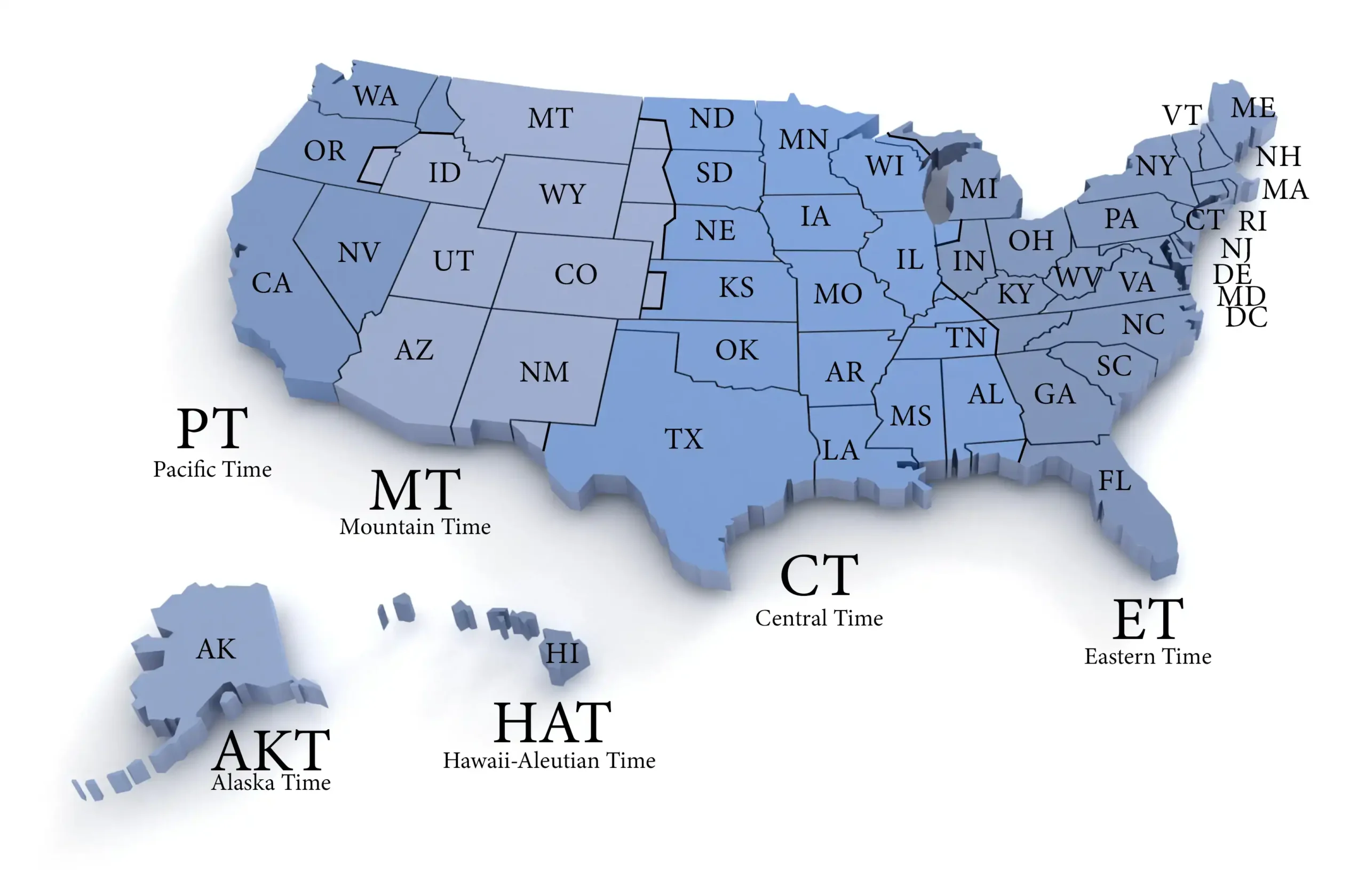
The Central Time Zone (CT) is one of the six standard time zones observed in the United States and Canada. It spans a significant portion of the central part of North America, stretching from the Gulf of Mexico up to the Canadian prairies. In the United States, CT covers all or parts of states like Minnesota, Illinois, Texas, Missouri, and others.
During standard time, Central Standard Time (CST) is six hours behind Coordinated Universal Time (UTC-06:00). When Daylight Saving Time begins, typically on the second Sunday in March, clocks spring forward by one hour, shifting to Central Daylight Time (CDT), which is five hours behind UTC (UTC-05:00). This change remains in effect until the first Sunday in November, when clocks fall back to CST. Minneapolis rigorously adheres to this schedule, meaning visitors must account for the shift if their trip spans these transition periods.
Why Time Zones Matter for Your Minneapolis Trip
The implications of time zones for travelers are vast and critical. Failing to account for them can lead to missed flights, inconveniently timed appointments, or simply a disoriented start to a vacation.
- Flight Schedules: All flight departure and arrival times are listed in local time. Understanding the time difference between your origin and Minneapolis is crucial to avoid misinterpreting your itinerary. A flight departing at 9 AM Eastern Time will arrive in Minneapolis (assuming a two-hour flight) at 10 AM Central Time, not 11 AM.
- Hotel Check-ins and Check-outs: Hotels operate strictly on local time. Arriving too early or too late due to a time zone miscalculation can affect your check-in process or incur additional charges.
- Business Hours and Appointments: Whether you’re in Minneapolis for business or pleasure, knowing the local time is essential for scheduling meetings, making dinner reservations, or planning visits to museums and attractions.
- Communication: If you need to contact friends, family, or colleagues in other time zones while in Minneapolis, you’ll need to factor in the difference to avoid late-night calls or inconvenient interruptions.
- Jet Lag: For travelers coming from significantly different time zones, especially international visitors or those from the Pacific Time or Eastern Time zones, understanding the shift helps prepare for and mitigate the effects of jet lag.
Minneapolis in CT: Implications for Planning Your Visit
With the knowledge that Minneapolis operates on Central Time, travelers can fine-tune their plans to maximize their experience in this dynamic city.
Day-to-Day Activities and Daylight Saving Time
Daylight Saving Time plays a significant role in the daily rhythm of Minneapolis, particularly influencing how people experience the seasons. When clocks spring forward in March, the city enjoys longer daylight hours into the evening, which is particularly cherished during the warmer months. This extended daylight impacts everything from restaurant patio hours to evening events and outdoor activities.
During CDT, visitors can enjoy more daylight for exploring attractions like Minnehaha Park, strolling across the Stone Arch Bridge at sunset, or lingering at outdoor cafes. Conversely, when DST ends in November, the earlier darkness signals a shift towards indoor activities, winter sports, and cozy evening gatherings. Being aware of these seasonal time shifts helps travelers pack appropriately and plan activities that align with the natural light cycles.
Coordinating with Other Time Zones
Travelers arriving in Minneapolis from other regions of the United States or internationally will need to adjust their internal clocks.
- From Eastern Time: Minneapolis is one hour behind. If it’s 3 PM in New York City, it’s 2 PM in Minneapolis. This is a relatively easy adjustment.
- From Mountain Time: Minneapolis is one hour ahead. If it’s 3 PM in Denver, it’s 4 PM in Minneapolis. Another relatively straightforward adjustment.
- From Pacific Time: Minneapolis is two hours ahead. If it’s 3 PM in Los Angeles, it’s 5 PM in Minneapolis. This requires a bit more adjustment, especially for early morning activities.
- International Travelers: Depending on your origin, the time difference can be substantial. For example, from London (which observes Greenwich Mean Time/Western European Summer Time), Minneapolis is typically 6-7 hours behind, requiring more significant preparation for jet lag.
It’s always advisable to set your watch to Minneapolis time as soon as you board your flight or even before, to mentally prepare for the transition.
Navigating Minneapolis: Practical Time Zone Tips for Travelers
Equipping yourself with a few practical strategies can make your time zone transition and overall visit to Minneapolis much smoother.
Technology as Your Time Zone Ally
In the modern age, technology is an invaluable tool for managing time zones.
- Smartphones: Most smartphones automatically update to the local time zone when they connect to a cellular network in a new location. Ensure your phone’s automatic time zone setting is enabled.
- Smartwatches: Similarly, smartwatches often sync with your phone or directly with network time, providing accurate local time.
- Time Zone Apps: Numerous apps are available that allow you to track multiple time zones simultaneously, making it easy to see the current time in Minneapolis relative to your home city or other important locations.
These tools eliminate the need for manual adjustments and reduce the chance of errors, allowing you to focus on enjoying your trip.
Beating Jet Lag
For travelers crossing multiple time zones, jet lag can be a significant hurdle. Here are some tips to help you adjust to Central Time in Minneapolis:
- Adjust Before You Go: If possible, start shifting your sleep schedule by an hour or two each day in the days leading up to your trip, moving towards Central Time.
- Hydrate: Drink plenty of water before, during, and after your flight to combat dehydration, which can exacerbate jet lag symptoms.
- Manage Sleep on the Plane: Try to sleep on the plane if it aligns with nighttime in Minneapolis, and stay awake if it’s daytime.
- Expose Yourself to Daylight: Upon arrival, seek out natural light, especially in the morning, to help reset your circadian rhythm.
- Eat Local Meals: Try to eat meals according to Minneapolis’s meal times, even if you’re not hungry initially.
- Avoid Caffeine and Alcohol: Limit these substances, especially close to when you plan to sleep, as they can disrupt your natural sleep patterns.
By proactively addressing jet lag, you’ll be better prepared to enjoy all that Minneapolis has to offer from day one.
Key Minneapolis Attractions and Their Operating Hours
When planning visits to attractions, always remember that their operating hours are always listed in local Central Time. Whether you’re planning to shop at the massive Mall of America, explore the natural beauty of Minnehaha Park and its famous waterfall, or delve into the history surrounding the Stone Arch Bridge, double-check their specific opening and closing times. These can vary by season, day of the week, and public holidays. A quick check of their official websites will provide the most accurate and up-to-date information, all presented in CT.
Beyond the Clock: Experiencing Minneapolis on Central Time
Understanding the time zone goes beyond mere logistical planning; it helps travelers tune into the very pulse of Minneapolis itself.
The Rhythm of the City
The Central Time Zone dictates the city’s daily rhythm. Commuters head to work, businesses open their doors, schools begin their day, and evening entertainment lights up the city, all in sync with the CT clock. As a visitor, aligning yourself with this rhythm allows for a more authentic and integrated experience. You’ll naturally find yourself having breakfast when locals do, enjoying lunch during peak hours, and experiencing the city’s vibrant nightlife at its most energetic. This temporal immersion helps you feel less like an outsider and more like a temporary resident.

Seasonal Variations and Time Perception
Minneapolis experiences distinct seasons, and the perception of time within these seasons is heavily influenced by the amount of daylight. In summer, with CDT extending daylight well into the evening, days feel long and conducive to outdoor adventures. The city buzzes with festivals, lake activities, and patio dining. Conversely, during winter, when CST combined with shorter days means darkness descends earlier, the city takes on a cozier, more introspective feel. This shift impacts not only what activities are available but also the overall mood and atmosphere of your visit. A traveler who understands this seasonal interplay of daylight and the time zone can plan an itinerary that perfectly complements the unique charm of Minneapolis at any time of year.
In conclusion, the answer to “Is Minneapolis Central Time?” is a definite yes, and understanding this fact is fundamental to a well-executed travel plan. By recognizing its observance of the Central Time Zone, accounting for Daylight Saving Time, and utilizing modern tools and strategies to adjust, travelers can ensure a smooth, enjoyable, and deeply immersive experience in the beautiful city of Minneapolis. Embrace the local time, and let the rhythm of the city guide your unforgettable adventure.
LifeOutOfTheBox is a participant in the Amazon Services LLC Associates Program, an affiliate advertising program designed to provide a means for sites to earn advertising fees by advertising and linking to Amazon.com. Amazon, the Amazon logo, AmazonSupply, and the AmazonSupply logo are trademarks of Amazon.com, Inc. or its affiliates. As an Amazon Associate we earn affiliate commissions from qualifying purchases.