
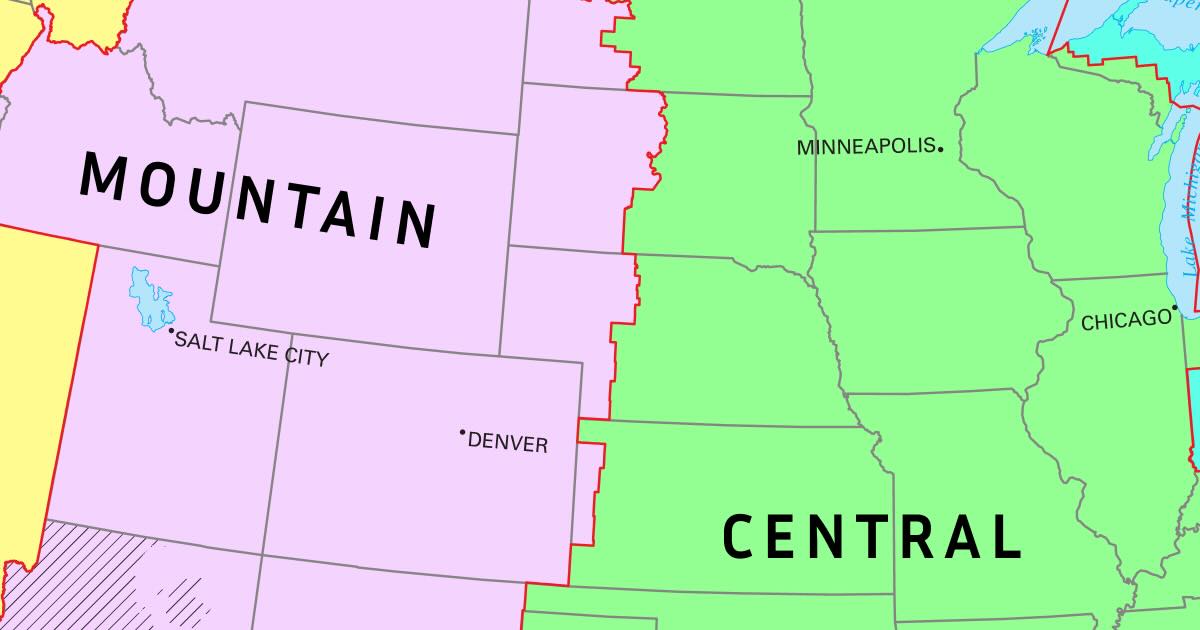
For anyone planning a trip to the vibrant city of Minneapolis, understanding its time zone is more than just a trivial detail; it’s a crucial piece of information that can impact everything from flight schedules and business meetings to sightseeing plans and managing jet lag. Minneapolis, nestled in the heart of the United States, operates on Central Time, which observes both Central Standard Time (CST) and Central Daylight Time (CDT) depending on the time of year. This guide delves into the specifics of Minneapolis’s time zone, why it matters for travelers, and practical tips for navigating time differences to make your visit seamless and enjoyable.
Understanding Central Time: CST and CDT
The concept of time zones can sometimes seem complex, but for Minneapolis, it boils down to two main classifications throughout the year. The city, like much of the central part of North America, follows the Central Time Zone.
Central Standard Time (CST)
Central Standard Time (CST) is the standard time observed during the winter months. It is defined as UTC-6, meaning it is six hours behind Coordinated Universal Time (UTC). Coordinated Universal Time serves as the primary standard by which the world regulates clocks and time, and it is closely related to Greenwich Mean Time (GMT). When it’s noon Coordinated Universal Time, it’s 6:00 AM in Minneapolis during CST. This period typically runs from early November to mid-March. During CST, you’ll find cities like Chicago, Houston, Dallas, and Winnipeg in Canada also operating on the same time. This consistency across a broad geographical area simplifies cross-state or cross-border interactions within the Central Time Zone.
Central Daylight Time (CDT)
As spring approaches, Minneapolis, along with most of the United States and Canada, shifts to Daylight Saving Time. This transition results in the adoption of Central Daylight Time (CDT). CDT is UTC-5, meaning it is five hours behind Coordinated Universal Time. Clocks are moved forward by one hour, effectively “saving” daylight by extending evening daylight hours. This typically occurs on the second Sunday in March and reverts on the first Sunday in November. For travelers, this means that if you’re visiting Minneapolis between March and November, you’ll be operating on CDT. The primary purpose of Daylight Saving Time is often cited as energy conservation and optimizing daylight for various activities, though its effectiveness is a subject of ongoing debate. Regardless of the debate, its implementation is a fact for visitors to Minneapolis.
Why Time Zones Matter for Minneapolis Travelers
Understanding Minneapolis’s time zone isn’t just an interesting fact; it has tangible implications for your travel experience. From logistical planning to personal well-being, knowing whether the city is observing CST or CDT, and how that compares to your home time zone, is vital.
Flight Schedules and Connections
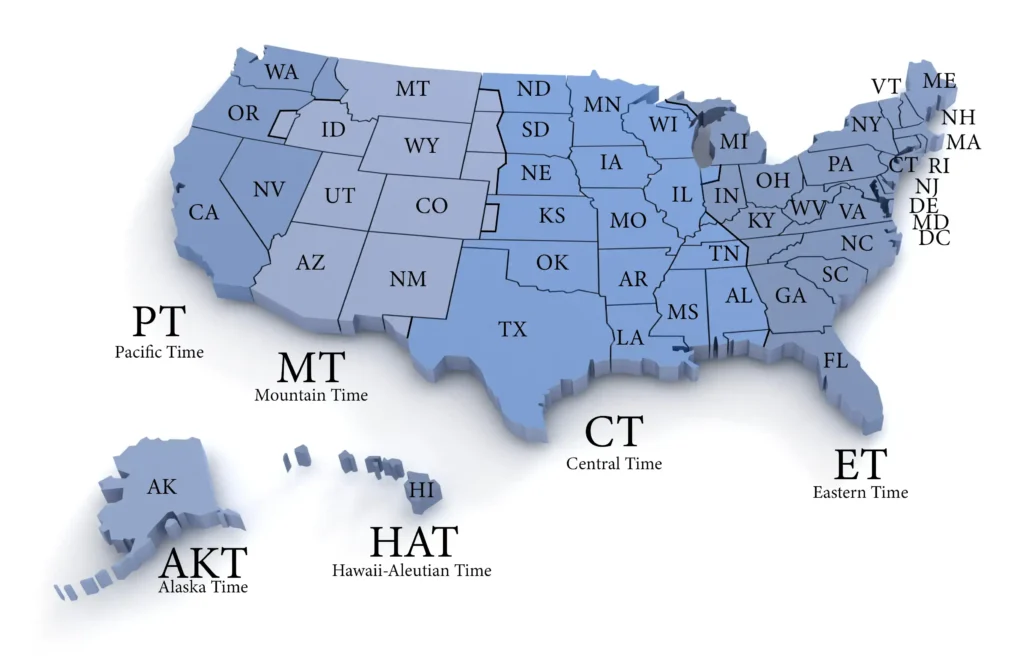
One of the most immediate impacts of time zones is on travel logistics, particularly flights. Flight departure and arrival times are always given in local time. If you’re flying into Minneapolis-Saint Paul International Airport from a different time zone, it’s crucial to correctly calculate the actual time change. A flight departing at 8:00 AM from the East Coast (Eastern Time, ET) and arriving in Minneapolis at 10:00 AM Central Time might seem like a quick two-hour journey on paper, but factoring in the one-hour time difference means the actual flight duration is three hours. Missing a connecting flight or arriving late for a pre-booked transfer due to a time zone miscalculation can be a stressful start to any trip. Always double-check your itinerary with a clear understanding of the local times at both your origin and destination.
Business and Meeting Schedules
For business travelers, precise timekeeping is paramount. Whether you’re attending a conference, meeting clients, or collaborating with local teams, knowing the exact local time in Minneapolis is non-negotiable. Scheduling virtual meetings with colleagues in different time zones requires careful coordination to avoid early morning calls or late-night sessions for participants. Even for in-person meetings, arriving on time demonstrates professionalism and respect for your hosts. Confirm all meeting times in the local Minneapolis time and communicate your own time zone clearly if coordinating with others remotely.
Attraction Opening Hours and Event Timings
Minneapolis boasts a wealth of attractions, from the Mall of America to the Walker Art Center and the Guthrie Theater. Each of these establishments operates on specific opening and closing hours, which are, of course, set to local Minneapolis time. Imagine planning your day to visit the Mill City Museum and arriving an hour late because your internal clock hasn’t adjusted. Similarly, concert start times, restaurant reservations, and public transportation schedules all adhere strictly to local time. Cross-referencing your plans with a reliable local clock is a simple but effective way to ensure you don’t miss out on any of the city’s offerings.
Managing Jet Lag and Personal Well-being

Perhaps one of the most significant impacts of time zone changes for travelers is jet lag. Traveling across multiple time zones disrupts your body’s natural circadian rhythm, leading to symptoms like fatigue, disorientation, insomnia, and digestive issues. While a change from Eastern Time (ET) to Central Time (CT) is only one hour and generally manageable, those traveling from the West Coast (Pacific Time, PT) or internationally will experience more significant shifts. Understanding the exact time difference allows you to prepare. Gradually adjusting your sleep schedule before departure, staying hydrated during your flight, and exposing yourself to natural light upon arrival in Minneapolis can help mitigate the effects of jet lag and ensure you’re well-rested and ready to explore.
Navigating Time Differences: Practical Tips
Successfully managing time zone changes is an art that can significantly enhance your travel experience. Here are some practical tips to help you adjust smoothly to Minneapolis time.
Adjust Your Clock Immediately
As soon as your plane lands in Minneapolis (or even when you board your flight), change your watch and all electronic devices to the local time. This immediate shift helps your brain start adjusting to the new reality. Most smartphones automatically update time zones, but it’s always good to double-check. Resist the urge to calculate “what time it is back home” too frequently, as this can confuse your internal clock. Embrace the local time fully.
Plan Ahead for Sleep and Meals
Before you even depart, try to subtly shift your sleep schedule towards Minneapolis time. If you’re coming from the east, try going to bed and waking up an hour earlier for a few days before your trip. If coming from the west, aim for an hour later. Upon arrival, try to eat meals at local mealtimes and sleep during local nighttime hours, even if you don’t feel hungry or tired. Your body’s internal clock is heavily influenced by meal times and light exposure.
Stay Hydrated and Mindful of Caffeine/Alcohol
Dehydration can exacerbate jet lag symptoms. Drink plenty of water before, during, and after your flight. While coffee might seem like a good idea to fight fatigue, excessive caffeine can disrupt sleep, especially if consumed late in the day in your new time zone. Similarly, alcohol can dehydrate you and negatively affect sleep quality, making adjustment harder. Moderation is key.
Embrace Natural Light
Exposure to natural daylight is one of the most powerful tools for resetting your circadian rhythm. Upon arrival in Minneapolis, try to spend some time outdoors, especially in the morning. This signals to your brain that it’s daytime and helps suppress melatonin production, which promotes wakefulness. Conversely, avoid bright lights in the evening if you’re trying to sleep.
Utilize Technology
Many apps and gadgets can help with time zone adjustment. World clock apps provide easy comparisons between multiple time zones. Some smartwatches and fitness trackers also offer features to help monitor and adjust your sleep patterns when traveling. Use these tools to your advantage, but don’t rely on them entirely; listening to your body is still essential.
Minneapolis: A City Worth Your Time
Beyond its time zone specifics, Minneapolis is a fantastic travel destination in its own right, offering a rich blend of urban sophistication and natural beauty. Understanding its time zone ensures you can fully immerse yourself in everything this Minnesota gem has to offer without missing a beat.
From its vibrant arts scene, exemplified by institutions like the Guthrie Theater and the Walker Art Center, to its thriving culinary landscape and extensive park system, Minneapolis provides diverse experiences for every traveler. Explore the historic Stone Arch Bridge with stunning views of the Mississippi River and the downtown skyline, or wander through the serene landscapes of Minnehaha Park, home to a beautiful 53-foot waterfall. For shopping enthusiasts, the Mall of America, one of the largest malls in the world, is just a short drive away.
Whether you’re visiting for a quick business trip, a family vacation, or an extended cultural exploration, being in tune with Minneapolis’s rhythm, starting with its time zone, is the first step towards a successful and enjoyable journey. So set your watches, prepare for an unforgettable experience, and embrace the Central Time pace of this remarkable American city.
LifeOutOfTheBox is a participant in the Amazon Services LLC Associates Program, an affiliate advertising program designed to provide a means for sites to earn advertising fees by advertising and linking to Amazon.com. Amazon, the Amazon logo, AmazonSupply, and the AmazonSupply logo are trademarks of Amazon.com, Inc. or its affiliates. As an Amazon Associate we earn affiliate commissions from qualifying purchases.