
The Mississippi River, a majestic artery that has shaped the landscape and history of North America, is a subject of enduring fascination. Its sheer scale is breathtaking, making it one of the longest rivers on the continent and a vital conduit for trade, culture, and ecological diversity. While its name is synonymous with the heartland of the United States, a fundamental question often arises: what direction does this iconic waterway actually flow?
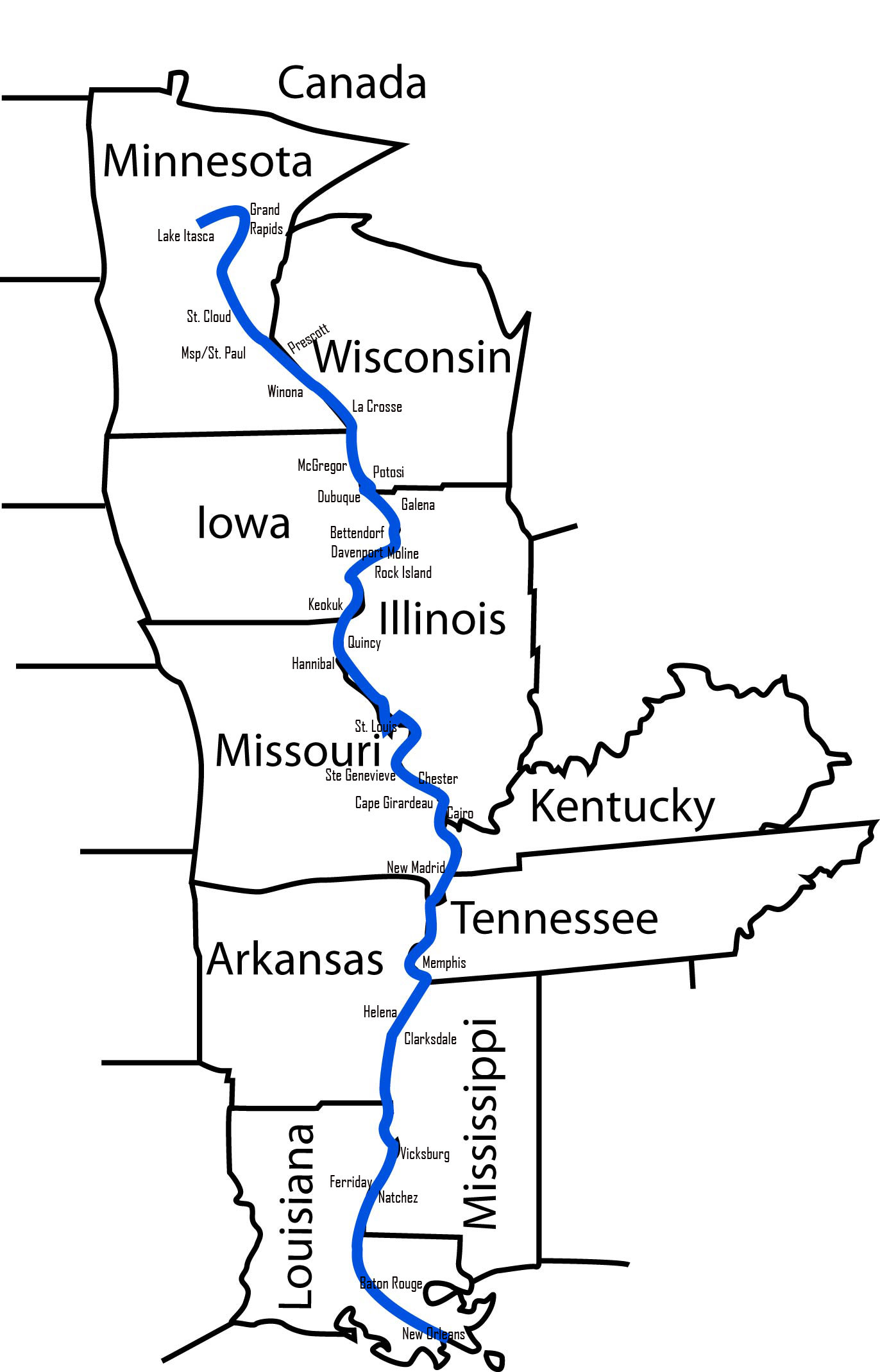
The answer, perhaps surprisingly to some, is unequivocally south. From its humble beginnings in the pristine wilderness of northern Minnesota to its expansive delta in the Gulf of Mexico, the Mississippi River embarks on a grand journey southward, carving a path through a diverse tapestry of landscapes and cities. This consistent southward flow is not a matter of chance but a consequence of the fundamental forces of geography and gravity, dictated by the elevation of its source relative to its mouth.

Understanding the river’s directional flow is more than just an academic curiosity; it underpins everything from historical navigation and commerce to modern-day environmental management and tourism. The implications of its southward course are profound, influencing climate patterns, supporting unique ecosystems, and enabling the development of vibrant communities along its banks. As we delve deeper into the narrative of the Mississippi River, we uncover a story of relentless movement, of a force of nature that has profoundly shaped the destiny of a nation.
The Source and the Journey South: A Gravitational Pull
The narrative of the Mississippi River’s flow begins at its source, a seemingly modest outlet in Lake Itasca, nestled within the Itasca State Park in northern Minnesota. Here, amidst the serene beauty of coniferous forests and clear, cool waters, the river’s journey commences. The elevation at Lake Itasca is approximately 1,475 feet above sea level. This seemingly slight elevation difference is the crucial factor that initiates and sustains the river’s movement.
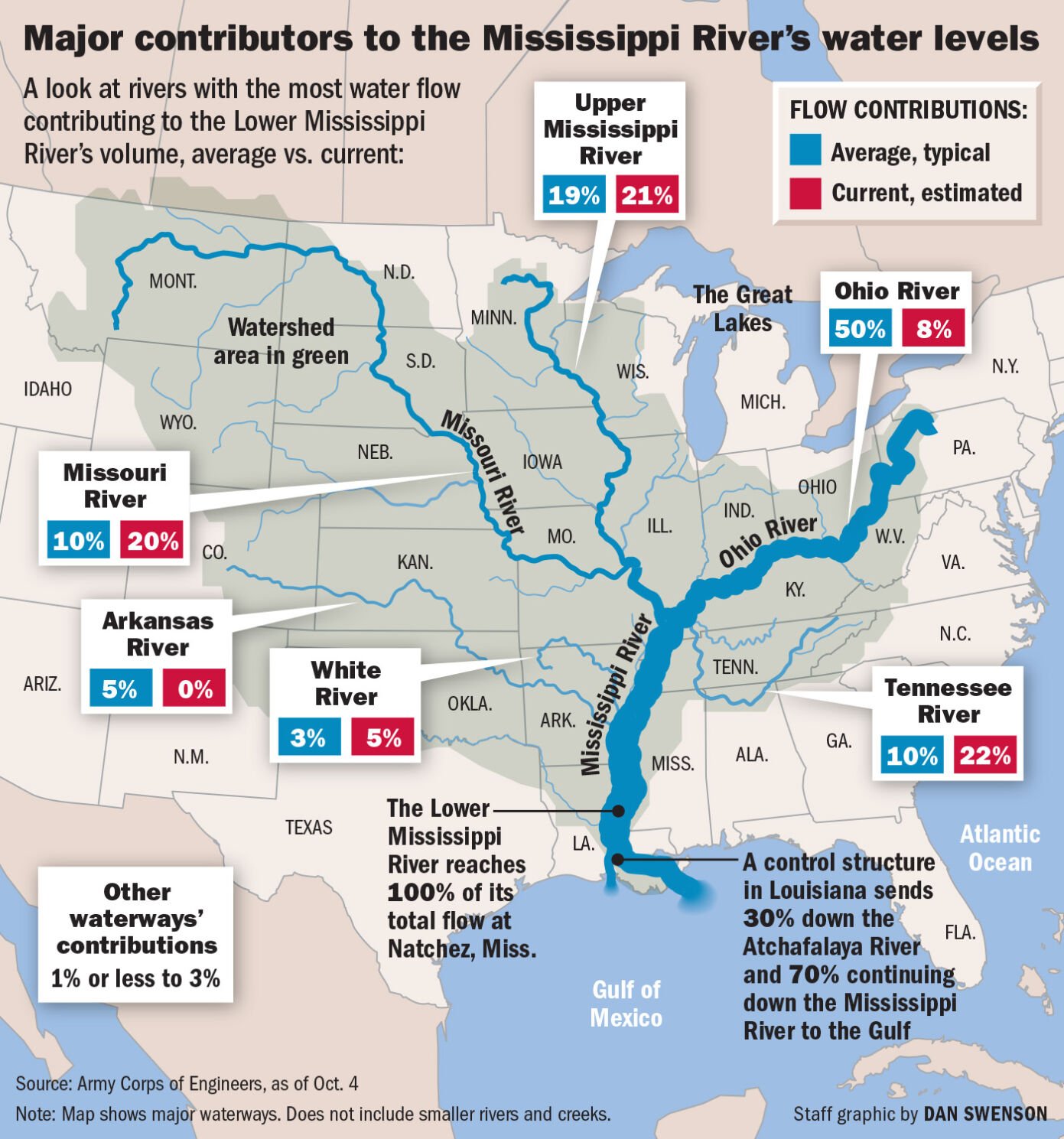
From this high point, gravity takes hold, pulling the water relentlessly downhill. The river, initially a mere trickle, gradually gathers momentum and volume as it flows south. It is joined by numerous tributaries, each contributing to its ever-increasing power and breadth. The Minnesota River, the Wisconsin River, the Illinois River, the Missouri River, and the Ohio River are just a few of the major tributaries that swell the Mississippi’s ranks, transforming it from a small stream into one of the world’s most significant river systems.
The Missouri River, in particular, is a critical contributor. When the two rivers merge near St. Louis, Missouri, the Missouri is actually longer and carries more water by volume than the Mississippi above the confluence. However, by convention and due to its historical significance in the United States, the river continues to be known as the Mississippi downstream of this junction. This confluence is a pivotal point in the river’s journey, marking a significant increase in its carrying capacity and its inexorable southward march.
The Mighty Missouri Confluence: A Meeting of Giants
The confluence of the Missouri River and the Mississippi River is a landmark event in the river’s journey, both geographically and historically. The Missouri River, originating in the Rocky Mountains, boasts a longer course and a more turbulent character. Its waters, often laden with sediment, carry the essence of the rugged western landscapes. The Mississippi River, in contrast, has a more meandering and gentle nature in its upper reaches.
When these two titans meet near St. Louis, a powerful fusion occurs. The combined flow is immense, a testament to the hydrological forces at play. This junction has been a critical hub for transportation and commerce for centuries. Indigenous peoples navigated these waters, and later, European explorers and settlers utilized them to penetrate the interior of the continent. The city of St. Louis itself owes its existence and prosperity in large part to this strategic meeting point.
The direction of flow at this confluence remains resolutely south. The topography of the land dictates that any significant water body in this region will flow towards the lower elevations of the Gulf of Mexico. The massive volume of water, propelled by gravity, continues its southward trajectory, a powerful and unstoppable force.
Navigating the Heart of America: Cities and Commerce
As the Mississippi River snakes its way south, it embraces a remarkable array of landscapes and a rich cultural heritage. Its banks are dotted with cities that have grown and thrived thanks to the river’s presence. From the historic charm of New Orleans to the bustling port of Memphis, each city offers a unique perspective on the river’s influence.
Travel along the Mississippi has long been a defining element of American experience. Historic steamboat tours offer a glimpse into a bygone era, allowing visitors to retrace the routes of early explorers and traders. These journeys often include stops at significant landmarks, such as the Gateway Arch in St. Louis, a towering monument to westward expansion, or the historic antebellum homes that dot the Louisiana countryside.
The river’s southward flow is instrumental in its role as a commercial highway. Barges laden with agricultural products, raw materials, and manufactured goods traverse its waters, connecting inland production centers to global markets via the Gulf of Mexico. This economic artery is vital to the United States, supporting countless jobs and facilitating the movement of goods that fuel the nation’s economy. The Port of South Louisiana is one of the busiest in the world, a testament to the Mississippi’s continued importance in global trade.
The lifestyle associated with living near or traveling on the Mississippi is diverse. From the relaxed pace of life in small river towns to the vibrant energy of major metropolitan areas, the river shapes the rhythms of daily existence. Tourism thrives along its course, with visitors drawn to its natural beauty, its rich history, and its unique cultural offerings. Many choose to stay in a variety of accommodations, from charming bed and breakfasts to luxurious resorts, all offering different perspectives on the river experience.
The Delta’s Embrace: Reaching the Gulf of Mexico
The culmination of the Mississippi River’s southward journey is its grand entrance into the Gulf of Mexico. As the river approaches the coastline of Louisiana, it begins to fan out, forming an intricate and dynamic delta. This is where the river’s immense power to shape landscapes is most evident. Over millennia, the sediment carried by the Mississippi has been deposited at its mouth, creating new land and a unique wetland ecosystem.
The Mississippi River Delta is a region of unparalleled ecological significance. It is a vital habitat for countless species of birds, fish, and other wildlife, making it a prime destination for nature enthusiasts and birdwatchers. The intricate network of bayous, marshes, and barrier islands creates a complex and fragile environment that is constantly being reshaped by the river’s flow and the forces of the sea.
This delta is not a static entity. The river’s ongoing deposition of sediment continues to build land, while erosion and rising sea levels pose constant challenges. Managing this dynamic environment is a critical task, requiring careful consideration of the river’s natural processes and the human activities that impact it.
Natural Wonders and Ecological Importance
The Mississippi River Delta is a testament to nature’s artistry. The sheer scale of the delta, extending outward into the Gulf of Mexico, is a visual spectacle. The complex network of waterways and fertile land supports an incredible biodiversity. This region is a critical stopover point for migratory birds on their journeys between North America and South America, making it a globally important site for ornithology.
The Louisiana Wetlands are crucial for filtering water, protecting coastal communities from storm surges, and providing nursery grounds for commercially important fisheries. The health of the Mississippi River is directly linked to the health of this vital ecosystem. Conservation efforts aimed at preserving the delta are therefore paramount, not only for ecological reasons but also for the economic well-being of the region and the protection of its inhabitants.
Visitors to the delta can experience this natural wonder through various activities, such as kayaking through bayous, taking guided tours to observe wildlife, or simply enjoying the unique landscapes. Many tourism operators offer excursions that highlight the ecological significance and natural beauty of this remarkable region. Accommodation options in and around the delta range from rustic cabins to comfortable hotels, providing a base for exploring this extraordinary part of the United States.
The Mississippi’s Enduring Legacy: More Than Just a River
The Mississippi River is far more than just a body of water flowing south. It is a living, breathing entity that has profoundly influenced the history, culture, and economy of the United States. From the earliest indigenous civilizations that relied on its bounty to the modern-day industries that depend on its navigation, the river has been a constant presence, a source of life and opportunity.
Its southward flow is a fundamental aspect of its identity, dictating its interactions with the land and its ultimate destination. This continuous movement has enabled the development of distinct regional identities along its course, from the rolling plains of the upper Midwest to the subtropical charm of the Deep South. Each region has absorbed and adapted the river’s influence, creating a rich mosaic of American life.
The Mississippi River continues to captivate the imagination. It inspires artists, writers, and musicians, and it draws travelers from around the world seeking to experience its grandeur. Whether one is exploring its famous places, marveling at its architecture, or immersing oneself in its natural beauty, the Mississippi River offers an unforgettable journey. Understanding its direction of flow—southward, ever southward—is key to appreciating the immense power and enduring legacy of this magnificent river.
LifeOutOfTheBox is a participant in the Amazon Services LLC Associates Program, an affiliate advertising program designed to provide a means for sites to earn advertising fees by advertising and linking to Amazon.com. Amazon, the Amazon logo, AmazonSupply, and the AmazonSupply logo are trademarks of Amazon.com, Inc. or its affiliates. As an Amazon Associate we earn affiliate commissions from qualifying purchases.