
The Mississippi River, a name that resonates with the very soul of America, is one of the most iconic and vital waterways in the United States. Often referred to as the “Father of Waters,” this colossal river system is not just a geographical feature but a historical artery, a transportation superhighway, and a cradle of diverse ecosystems and cultures. For travelers, history buffs, and nature enthusiasts alike, understanding the Mississippi River‘s location is key to unlocking a wealth of experiences, from bustling port cities to serene natural landscapes. This comprehensive guide will not only pinpoint its geographical coordinates but also delve into the rich tapestry of destinations, attractions, and cultural significances that define its sprawling basin.
Tracing the Veins of a Continent: The Mississippi River’s Geography
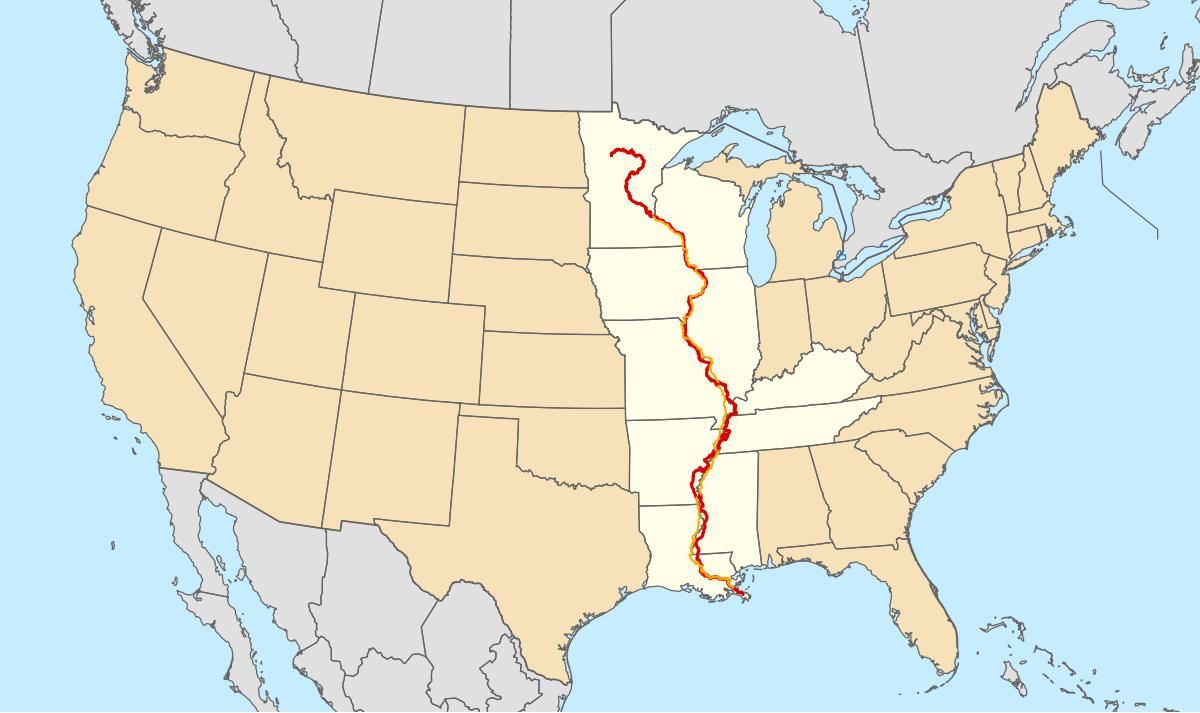
The Mississippi River is the second-longest river in North America, surpassed only by its tributary, the Missouri River. Its immense drainage basin, which covers 41% of the continental United States, makes it the third-largest in the world. Understanding its location begins with its source and its journey to the sea.
The Headwaters: From Minnesota Lakes to Mighty Flow
The Mississippi River officially begins its journey in northern Minnesota. Its source is Lake Itasca, a small, spring-fed lake within Itasca State Park. This humble beginning belies the river’s eventual grandeur. At this point, the Mississippi is a mere stream, easily walkable across in places. From Lake Itasca, the river embarks on a northerly course for a short distance before turning south, a direction it largely maintains for the majority of its immense length.
The initial stretch of the river is characterized by a series of smaller lakes and rapids, offering picturesque views and opportunities for kayaking and canoeing for those seeking an intimate encounter with its nascent form. This region is also part of the greater Mississippi Headwaters State Forest, a testament to the ecological importance of the river’s origins.
The Long Descent: Flowing Through the Heart of America
As the Mississippi River journeys south, it gradually widens and deepens, fed by numerous tributaries. Its course is a geographical marvel, carving through the diverse landscapes of the United States. It flows through or borders ten U.S. states:
- Minnesota
- Wisconsin
- Iowa
- Illinois
- Missouri
- Kentucky
- Tennessee
- Arkansas
- Mississippi
- Louisiana
This north-to-south trajectory positions the Mississippi River as a central divider and connector for a vast portion of the country. Cities like Minneapolis and St. Paul (the “Twin Cities”) in Minnesota owe their existence and prosperity to the river, serving as early trade and industrial hubs. Further south, the river’s character changes, reflecting the increasing diversity of the land it traverses.
The Upper Mississippi River: Prairies and Bluffs
The stretch of the Mississippi River from Lake Itasca down to its confluence with the Ohio River near Cairo, Illinois, is often referred to as the Upper Mississippi. This region is characterized by rolling prairies, fertile farmland, and dramatic limestone bluffs, particularly in states like Wisconsin and Iowa.
Along this upper course, you’ll find charming river towns and significant historical sites. The Effigy Mounds National Monument in Iowa, for instance, preserves ancient Native American burial mounds shaped like animals, showcasing the deep historical roots of human habitation along the river. Cities like Dubuque, Davenport, and St. Louis are key points of interest. St. Louis, in particular, is famously marked by the iconic Gateway Arch, a monument symbolizing the westward expansion of the United States, which was heavily facilitated by river travel.
The Lower Mississippi River: The Delta’s Embrace
From the confluence with the Ohio River, the Mississippi River enters its Lower stretch. This section, flowing through Missouri, Kentucky, Tennessee, Arkansas, Mississippi, and Louisiana, is where the river truly becomes a force of nature. It widens considerably, carrying a much larger volume of water and sediment. This is the region where the river’s famous serpentine bends become more pronounced, and the landscape shifts towards the bayous and wetlands of the Mississippi Delta.
Key cities along the Lower Mississippi include Memphis, Tennessee, known for its vibrant music scene and the Graceland mansion, home of Elvis Presley; Vicksburg, Mississippi, a historically significant Civil War battlefield; and, of course, New Orleans, Louisiana, the jewel of the Mississippi Delta. New Orleans is a city where the Mississippi River‘s influence is palpable, shaping its unique culture, cuisine, and spirit. The river provides the lifeblood for the port of New Orleans, one of the busiest in the nation, and its proximity to the Gulf of Mexico marks the river’s final approach.
The Grand Finale: The Mississippi River Delta
The Mississippi River culminates its epic journey by emptying into the Gulf of Mexico. This is achieved through an extensive and ever-changing delta system in southern Louisiana. The Mississippi River Delta is a vast expanse of wetlands, marshes, and barrier islands, created over millennia by the sediment deposited by the river.

This region is a critical ecological zone, supporting a unique array of wildlife and providing vital protection against coastal erosion and storm surges. The Delta National Wildlife Refuge and the Atchafalaya Basin are prime examples of the ecological richness found here. The delta is not a static entity; it is constantly being reshaped by the river’s flow, land subsidence, and rising sea levels, presenting ongoing environmental challenges and fascinating natural processes to observe. Traveling through the delta offers an unparalleled glimpse into a fragile yet resilient ecosystem, a testament to the Mississippi River‘s ultimate dominion over the land.
Navigating the Mississippi: Travel, Tourism, and Accommodation
The Mississippi River is more than just a geographical marker; it is a gateway to countless travel experiences, offering a diverse range of attractions, activities, and accommodation options. Whether you’re drawn by history, nature, or the vibrant local cultures that have flourished along its banks, the Mississippi promises an unforgettable journey.
River Travel and Iconic Destinations
Exploring the Mississippi River itself is a primary way to experience its grandeur. Cruising the river on a classic paddlewheel steamboat, like those operated by companies such as the American Queen Voyages, offers a nostalgic and immersive way to see the landscape unfold. These voyages often stop at historic towns and cities, allowing for guided tours and cultural excursions.
St. Louis, Missouri, with its towering Gateway Arch, is a popular starting point or stopover for many river excursions. The city itself is a landmark, offering attractions like the City Museum and the Missouri Botanical Garden.
Further south, Memphis, Tennessee, invites travelers to explore its rich musical heritage at the Stax Museum of American Soul Music and the National Civil Rights Museum at the Lorraine Motel. A visit to Graceland, the famed home of Elvis Presley, is a pilgrimage for music lovers.
The grand finale of any Mississippi River journey is New Orleans, Louisiana. This city is a world-class destination, renowned for its French Quarter, jazz music, unique Creole and Cajun cuisine, and vibrant Mardi Gras celebrations. Exploring the French Quarter, taking a streetcar ride, or enjoying a beignet at Café Du Monde are quintessential New Orleans experiences. Boat tours through the nearby bayous also offer a chance to witness the unique ecosystem of the Mississippi Delta.
Accommodation Along the Waterways
The availability of diverse accommodation options ensures that every traveler can find a comfortable base from which to explore the Mississippi River region. From luxury resorts to charming boutique hotels and budget-friendly inns, the choices are plentiful.
In major cities like St. Louis and New Orleans, you’ll find a wide range of hotels. For instance, the Hyatt Regency St. Louis offers prime riverfront views, while The Roosevelt New Orleans, A Waldorf Astoria Hotel, provides a historic and luxurious stay in the heart of the city. For those seeking a more intimate experience, numerous bed and breakfasts dot the smaller towns along the river, often housed in beautifully restored historic homes.
Resorts catering to various interests are also scattered throughout the region. Lodge of the Four Seasons near Lake of the Ozarks (though not directly on the Mississippi, it represents the broader recreational opportunities in the river basin) offers a luxurious escape. Along the river itself, boutique inns and historic hotels often provide unique insights into the local architecture and history. For longer stays or a more independent experience, apartment rentals and vacation villas are readily available in many of the larger towns and cities, offering flexibility and comfort.

Experiencing Mississippi River Culture and Cuisine
The Mississippi River has been a melting pot of cultures, and this diversity is most evident in its food and traditions. Each state and city along its course boasts its own culinary specialties and cultural attractions.
In Minnesota, the influence of Scandinavian immigrants is noticeable in local cuisine, alongside the fresh walleye and wild rice native to the region. Wisconsin is famous for its cheese and beer, with many towns offering breweries and dairies to tour.
Moving south, Illinois and Missouri offer classic Midwestern fare, with St. Louis known for its toasted ravioli and gooey butter cake. Memphis, Tennessee, is a mecca for barbecue lovers, with smoky ribs and pulled pork being essential culinary experiences. The city’s vibrant blues and rock ‘n’ roll heritage are also major draws.
The true culinary heart of the Lower Mississippi undoubtedly lies in Louisiana. New Orleans is a gastronomic paradise, offering everything from world-renowned Creole and Cajun dishes like gumbo, jambalaya, and crawfish étouffée, to innovative fine dining. Exploring the French Market or taking a cooking class is a must for any food enthusiast. The influence of French, Spanish, African, and Caribbean cultures creates a truly unique flavor profile.
Beyond food, the Mississippi River region is rich in history and natural beauty. Exploring Civil War battlefields like Vicksburg offers a somber yet important historical perspective. For nature lovers, the Great River Road, a scenic byway that parallels the Mississippi River for much of its course, provides stunning vistas and access to numerous state parks and wildlife refuges, including the Upper Mississippi River National Wildlife and Fish Refuge. These natural sanctuaries offer opportunities for birdwatching, fishing, and simply immersing oneself in the tranquility of the riverine environment.
In conclusion, the Mississippi River is a geographical marvel that serves as the backbone of a vast and culturally rich region of the United States. From its humble origins in Minnesota to its mighty confluence and eventual embrace of the Gulf of Mexico, the river offers a compelling tapestry of travel, tourism, and lifestyle experiences, making it a destination of enduring fascination and exploration.
LifeOutOfTheBox is a participant in the Amazon Services LLC Associates Program, an affiliate advertising program designed to provide a means for sites to earn advertising fees by advertising and linking to Amazon.com. Amazon, the Amazon logo, AmazonSupply, and the AmazonSupply logo are trademarks of Amazon.com, Inc. or its affiliates. As an Amazon Associate we earn affiliate commissions from qualifying purchases.