
Planning a trip to Montana? You might be wondering about the financial implications of your visit, especially when it comes to taxes. While the allure of Montana‘s stunning natural landscapes, from the majestic peaks of the Rocky Mountains to the vast open plains, is undeniable, understanding its tax structure is crucial for any traveler or potential resident. The question, “Does Montana have a state income tax?” is a fundamental one for anyone considering spending significant time or even relocating to the “Big Sky Country.” The answer, in short, is yes, Montana does have a state income tax. However, the nuances of this tax, including its progressive nature and various considerations, are important to explore. This article aims to demystify Montana‘s income tax for travelers and those considering a longer stay, weaving in aspects of travel, accommodation, and lifestyle that are central to experiencing this incredible state.
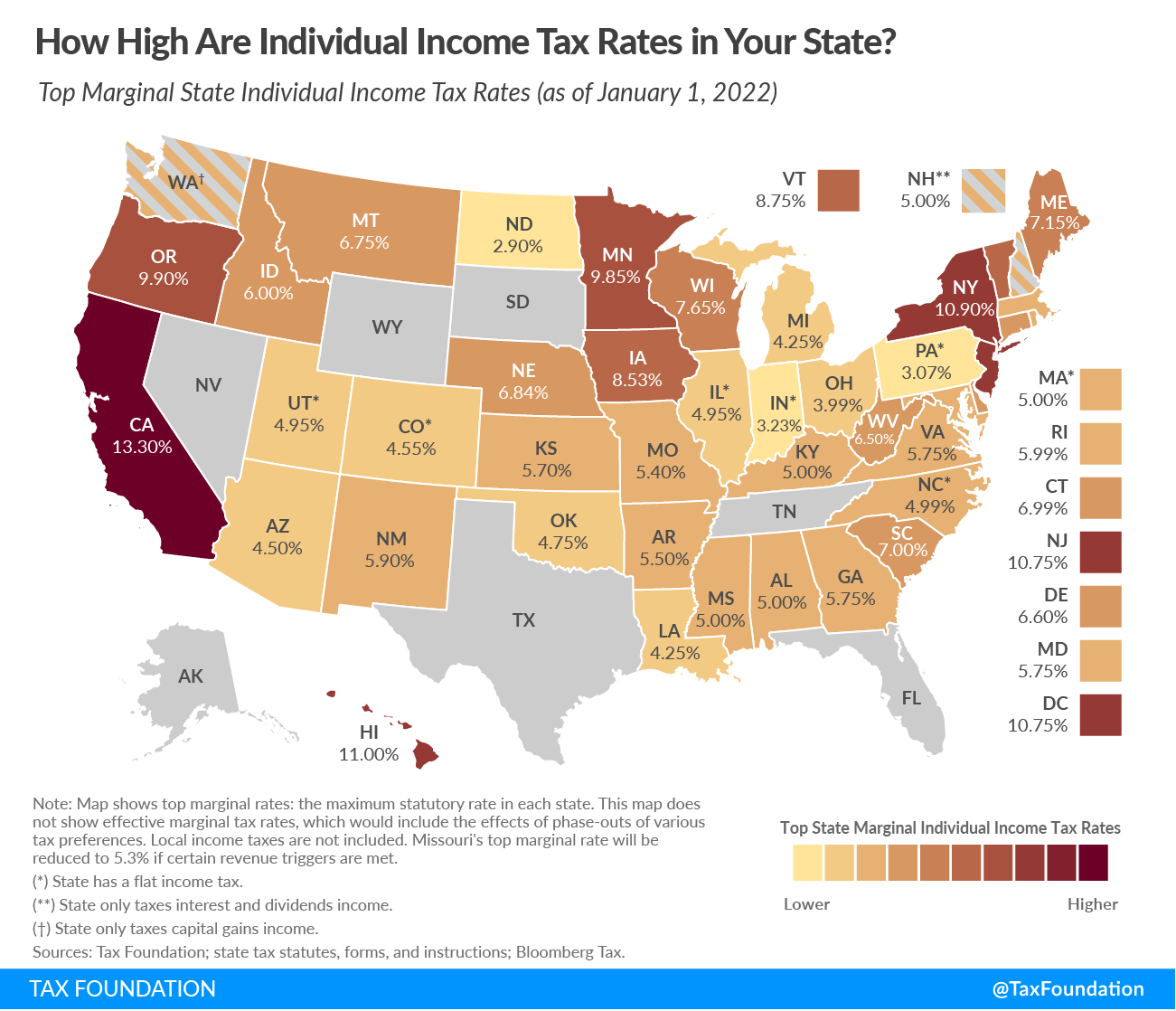
Understanding Montana’s Income Tax Structure
Montana operates a progressive income tax system, which means that the tax rate increases as an individual’s income rises. This system is designed to place a greater tax burden on those who earn more, while offering some relief to lower and middle-income earners. For travelers, understanding this might seem less critical than, say, knowing the best hiking trails in Glacier National Park or the charming bed and breakfasts in Yellowstone National Park‘s vicinity. However, for those contemplating a long-term stay, a vacation rental, or even a significant business venture, this tax structure can influence budgeting and financial planning.
The state levies income tax on income earned by residents and non-residents alike, provided that income is sourced within Montana. This means if you are a resident of Montana, all your income, regardless of where it’s earned, is generally subject to Montana income tax. If you are a non-resident but earn income from Montana sources (such as wages from a job performed in the state, or rental income from Montana property), that income may also be taxed.
Income Brackets and Tax Rates
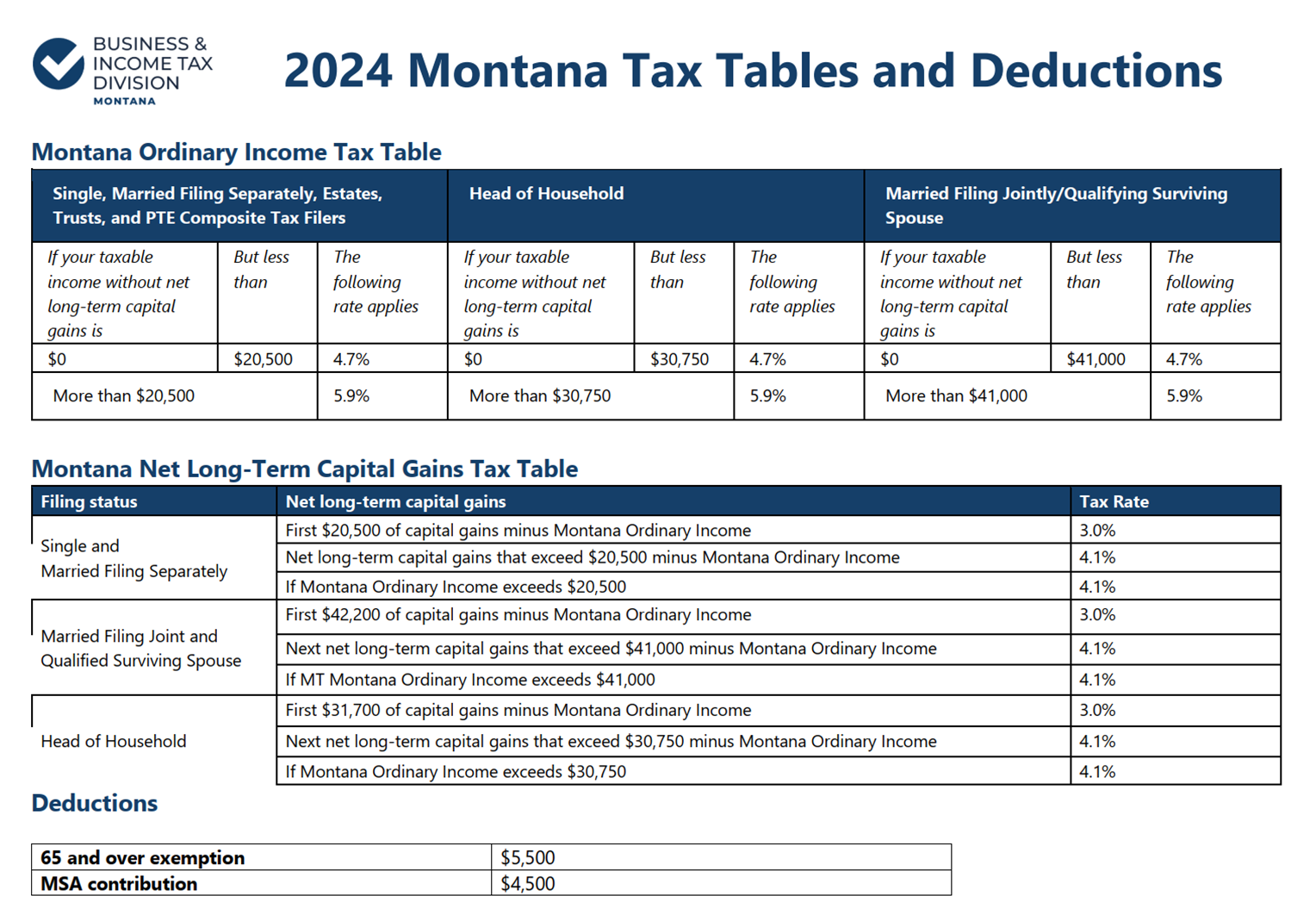
Montana‘s income tax rates are tiered, meaning different portions of your income are taxed at different rates. The specific tax brackets and their corresponding rates are subject to change and are updated periodically by the Montana Department of Revenue. As of recent tax years, Montana has had a top marginal tax rate that applies to higher income levels, and lower rates for income falling into lower brackets. For instance, income up to a certain threshold might be taxed at one rate, while income exceeding that threshold is taxed at a higher rate, and so on.
It’s important to consult the latest official Montana tax publications for the most accurate and up-to-date information on tax brackets and rates. Websites like the Montana Department of Revenue provide detailed schedules that outline these figures. For a traveler, this might translate to a slightly higher cost for services if the provider is factoring in state income tax. For someone renting a cabin for an extended period, or purchasing property, understanding these rates is vital for accurate financial forecasting.
Deductions and Credits
Like most tax systems, Montana‘s income tax allows for certain deductions and credits that can reduce your overall tax liability. These can significantly impact the amount of tax you ultimately owe. Common deductions might include those for dependents, medical expenses, or certain business expenses. Credits could be available for things like energy-efficient home improvements or contributions to specific Montana savings plans.
For visitors who might be exploring Montana‘s rich history and natural wonders, the concept of deductions and credits might seem distant. However, if your visit is extended, perhaps involving a temporary work assignment or a sabbatical where you’re generating income, these can become very relevant. Understanding what qualifies for a deduction or credit is key to minimizing your tax burden. This is where consulting with a tax professional familiar with Montana tax laws would be advisable. They can help navigate the complexities and ensure you’re taking advantage of all eligible benefits.
Tax Implications for Travelers and Long-Term Stays
The question of Montana‘s state income tax has different implications depending on the duration and purpose of your visit. For a typical tourist enjoying the breathtaking scenery of Glacier National Park or the vibrant culture of Bozeman, the direct impact of the state income tax on their travel expenses will be minimal, if any. Sales tax is generally what impacts short-term visitors the most when purchasing goods and services. However, for those considering a more immersive experience, the tax landscape becomes more significant.
Short-Term Visitors vs. Long-Term Residents
For a traveler spending a week or two exploring Montana‘s attractions, perhaps staying at a cozy lodge in Whitefish or a luxurious resort near Big Sky, the primary concern is usually the sales tax on purchases and potentially lodging taxes. These are typically built into the price of goods and services. The state income tax is generally not a factor for such short-term visits, unless you are conducting business or earning income in Montana during your stay.
However, if your travel plans extend to a longer duration, such as a seasonal job, a sabbatical, or even an extended vacation rental, the income tax rules become more pertinent. If you are earning income while in Montana, you will need to determine if you are considered a Montana resident for tax purposes. Residency rules can be complex and often depend on factors like where you maintain a permanent home, how much time you spend in the state, and your intent to remain.
Vacation Rentals and Second Homes
For individuals considering purchasing vacation rentals or second homes in Montana, understanding the state income tax is paramount. If you rent out your property in Montana, the income generated from these rentals is generally subject to Montana income tax. This applies whether you are a resident of Montana or not. You will likely need to file a Montana income tax return and report the rental income.
Furthermore, if you are spending a significant amount of time in your Montana property, you may eventually be considered a Montana resident for tax purposes. This could mean that all your income, not just the rental income from your Montana property, becomes subject to Montana state income tax. This is a crucial distinction for anyone planning to establish a foothold in the state, whether for lifestyle reasons, investment, or retirement. The scenic beauty of Montana, from the shores of Flathead Lake to the historic streets of Helena, attracts many, and understanding the tax implications is a responsible part of that decision.
Navigating Montana’s Tax Landscape for Your Lifestyle
Montana offers a lifestyle that appeals to a wide range of people, from those seeking adventure in its vast wilderness to those desiring a tranquil retreat. Whether your focus is on luxury travel, budget-friendly explorations, family vacations, or business stays, understanding the state’s tax environment will enhance your experience and financial well-being. The state’s commitment to preserving its natural beauty is often reflected in its tax policies, aiming to balance revenue generation with the preservation of its unique character.
Travel and Tourism Considerations
For the average tourist embarking on a journey through Montana, the primary tax concerns will revolve around sales tax. This is levied on most retail sales of tangible personal property and certain services. These rates can vary slightly by locality, but they are generally applied at the point of sale. When booking accommodations at renowned establishments like the Grande Rocky Mountain Lodge or exploring attractions such as Bighorn Canyon National Recreation Area, the sales tax is usually an expected part of the transaction.
The state income tax, on the other hand, is generally not something a short-term visitor will directly encounter unless they are engaged in income-generating activities within the state. For instance, if a freelance photographer is commissioned to capture the beauty of the Absaroka-Beartooth Wilderness and gets paid for it while in Montana, that income might be taxable. However, for most travelers focused on leisure, this is a non-issue. The emphasis for tourists is on enjoying the unparalleled experiences Montana offers, from the historical sites of Virginia City to the modern amenities of its growing cities.
Long-Term Stays and Residency
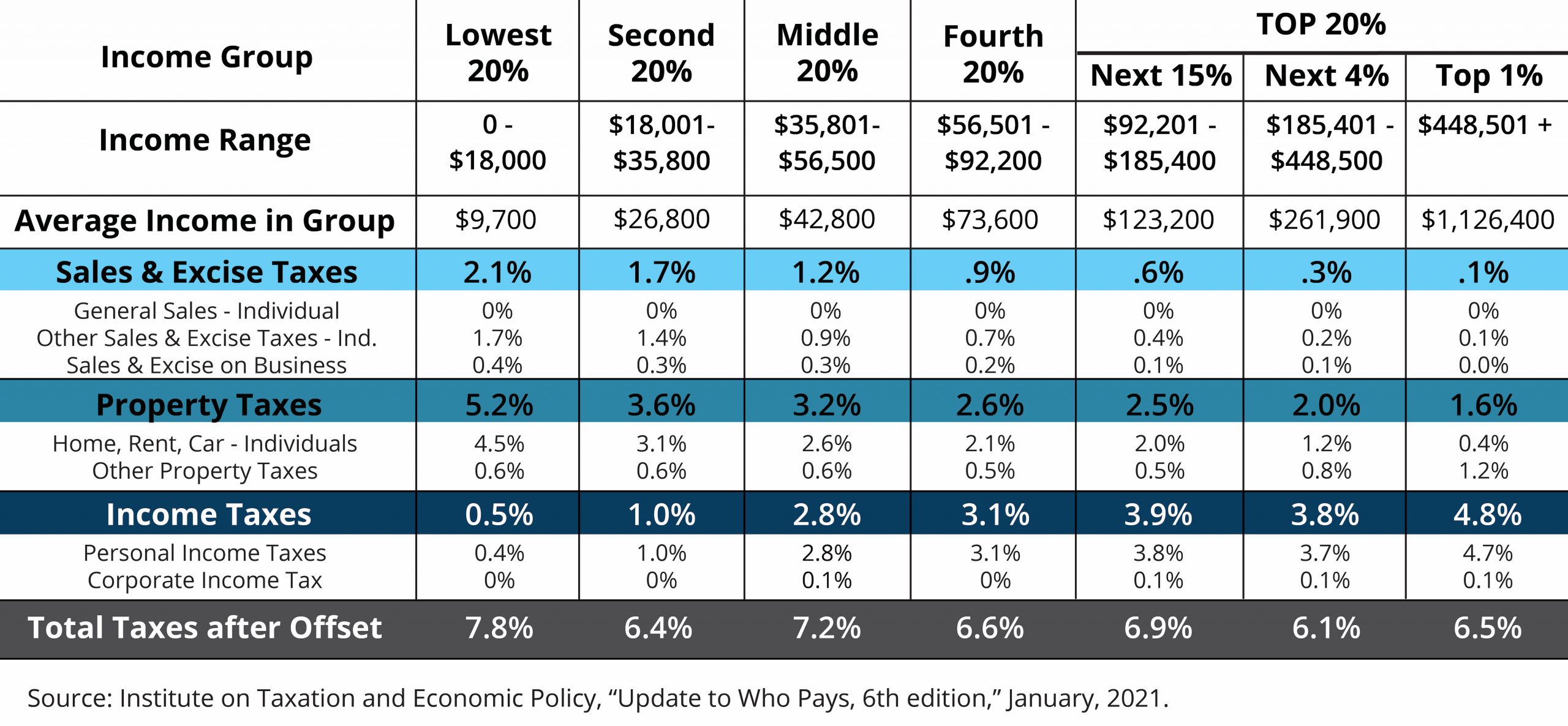
For those contemplating a longer sojourn in Montana, perhaps renting a charming cabin in the Bitterroot Valley or a modern apartment in Missoula for several months, the tax implications become more nuanced. If you are earning income remotely while in Montana, or if you are employed by a Montana-based company, you will likely be subject to Montana state income tax. Determining residency status is key. Generally, you become a resident of Montana if you establish a permanent home there and spend a significant amount of time in the state.
Moving to Montana and establishing residency can have a profound impact on your tax obligations. Not only will your worldwide income be subject to Montana income tax, but you will also be eligible for deductions and credits designed for Montana residents. This can be particularly relevant for individuals considering retirement in Montana or those who own businesses in the state. The state’s attractive lifestyle, coupled with its natural splendor, draws many, and a clear understanding of its tax laws is an essential step in making Montana your home. Whether you are drawn by the adventure of white-water rafting on the Yellowstone River or the serenity of a lakeside retreat, being informed about Montana‘s tax structure will contribute to a smoother and more enjoyable experience.
LifeOutOfTheBox is a participant in the Amazon Services LLC Associates Program, an affiliate advertising program designed to provide a means for sites to earn advertising fees by advertising and linking to Amazon.com. Amazon, the Amazon logo, AmazonSupply, and the AmazonSupply logo are trademarks of Amazon.com, Inc. or its affiliates. As an Amazon Associate we earn affiliate commissions from qualifying purchases.