
For many travelers venturing into the sprawling landscapes of the United States, understanding local laws and regulations is a critical component of responsible trip planning. Among the diverse legal frameworks across states, firearm laws frequently stand out, particularly regarding open and concealed carry. When considering a journey to Montana, often dubbed the “Big Sky Country,” a common question that arises for those concerned with personal safety or simply navigating the legal landscape is: “Is Montana an open carry state?” The unequivocal answer is yes, Montana is indeed an open carry state, and its laws are among the most permissive in the nation regarding firearms. This comprehensive guide will delve into the specifics of Montana’s open carry laws, their nuances, and essential considerations for anyone traveling within its borders. Whether you are a resident, a visitor, or simply curious, grasping these regulations is paramount to ensuring a safe and legally compliant experience in one of America’s most rugged and beautiful states.

Understanding Open Carry in Montana
Montana holds a strong stance on the right to bear arms, deeply rooted in both its state constitution and the broader principles of the Second Amendment of the United States Constitution. This foundational commitment translates into some of the most liberal firearm laws in the country, impacting how residents and visitors can carry weapons openly.
The General Rule: A Constitutional Right
At its core, Montana’s law permits open carry of firearms without requiring a permit. This means that any individual who is legally allowed to possess a firearm can openly carry it in most public places throughout the state. The legal framework views the right to bear arms as an inherent individual right, and the state legislature has consistently upheld this principle. Unlike many other states that mandate specific permits, training, or licensing for open carry, Montana operates on a “constitutional carry” model for both open and concealed firearms in the vast majority of locations. This robust legal posture is reflective of the state’s pioneering spirit and its residents’ historical relationship with self-reliance and the outdoors. For travelers, this implies that seeing individuals openly carrying firearms in rural areas, and even in some urban environments, is not an uncommon sight and is generally within the bounds of the law.
Specifics of Open Carry Application
While the general rule is straightforward, understanding the practical application of open carry is crucial. Open carry in Montana typically means carrying a firearm in a visible manner, such as in a holster on the hip or a sling over the shoulder. There are no state-mandated requirements for the type of holster, provided the firearm is securely carried. Furthermore, Montana law allows for the open carry of firearms in vehicles. A firearm may be loaded and carried openly in a car, truck, or other private conveyance without the need for a permit. This particular aspect is significant for travelers, as it means transporting a firearm for hunting, recreation, or self-defense while traversing the state is largely unburdened by complex legal requirements, provided one is legally eligible to possess the firearm in the first place. It is imperative, however, to always exercise extreme caution and responsibility when handling firearms, especially when in transit. The freedom afforded by Montana’s laws comes with an inherent responsibility to prioritize safety and respect.
Where Open Carry is Restricted or Prohibited
Despite Montana’s generally permissive gun laws, there are specific locations and circumstances where open carry is either restricted or outright prohibited. These limitations are put in place for public safety and to align with federal regulations or particular state interests. Awareness of these exceptions is vital to avoid legal complications.
Federal Prohibitions and Federal Lands
Certain federal laws take precedence over state regulations, creating pockets where firearm carry is restricted. Travelers to Montana must be particularly mindful of federal properties. For instance, federal courthouses, post offices, and other federal buildings are generally off-limits for firearms. Similarly, the secure areas of airports fall under federal jurisdiction, prohibiting firearms. When it comes to federal lands, the rules can vary. In National Forests and lands managed by the Bureau of Land Management (BLM), open carry is typically allowed, as long as it adheres to state and federal regulations. However, National Parks, such as parts of Yellowstone National Park and Glacier National Park that lie within Montana, operate under different rules. While firearms are generally permitted in National Parks if allowed by state law (which Montana does), they are typically prohibited in federal buildings, visitor centers, and other designated developed areas within the parks. Visitors should always check specific park regulations before carrying.
State and Local Restrictions
While Montana has strong state pre-emption laws that generally prevent local governments from enacting stricter firearm regulations than the state, there are still some state-level prohibitions. Firearms are typically not allowed in schools, school buses, or on school grounds, in accordance with the Gun-Free School Zones Act. Polling places during an election, detention facilities, and certain state government buildings might also be restricted. Furthermore, private property owners retain the right to prohibit firearms on their premises. A clearly posted sign indicating “no firearms” or “no weapons” must be respected. While rare, some establishments like bars might have restrictions, particularly if they derive a significant portion of their revenue from alcohol sales. It’s important to remember that entering tribal lands, such as the Flathead Reservation, means adhering to the laws of that sovereign nation, which may differ significantly from state law. Therefore, travelers should always be aware of their surroundings and respect posted signage or specific local ordinances, even in cities like Missoula or Bozeman, though state law provides broad uniformity.
Concealed Carry vs. Open Carry in Montana
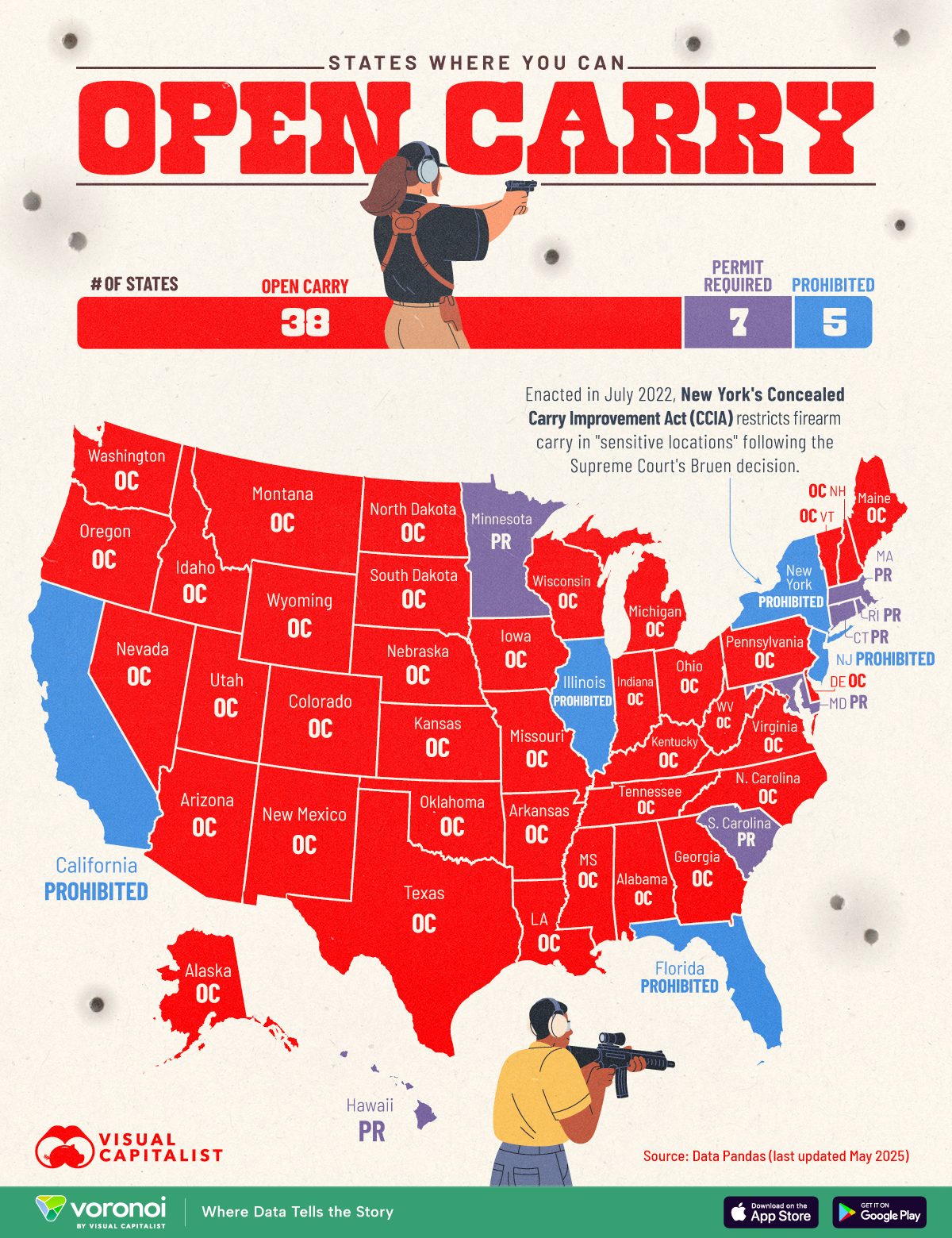
Montana’s approach to firearm carry extends beyond just open carry, encompassing a similarly permissive stance on concealed carry. Understanding the distinctions and overlaps between these two methods is crucial for anyone legally possessing a firearm in the state.
Permitless Concealed Carry
Mirroring its open carry laws, Montana is also a permitless concealed carry state. This means that, for individuals legally permitted to own a firearm, no special license or permit is required to carry a handgun concealed, whether they are residents or non-residents. This makes Montana one of a growing number of “constitutional carry” states where the right to carry, openly or concealed, is considered an inherent right that doesn’t necessitate government permission beyond the basic legal eligibility to possess a firearm. This simplified legal framework significantly reduces the bureaucratic hurdles for responsible gun owners and travelers who wish to exercise their right to carry a firearm discreetly for personal protection. It means that whether a firearm is visible in a holster or tucked away, the general legal standing in Montana is largely the same, provided the carrier abides by the few existing prohibitions on certain locations.
Distinctions and Considerations
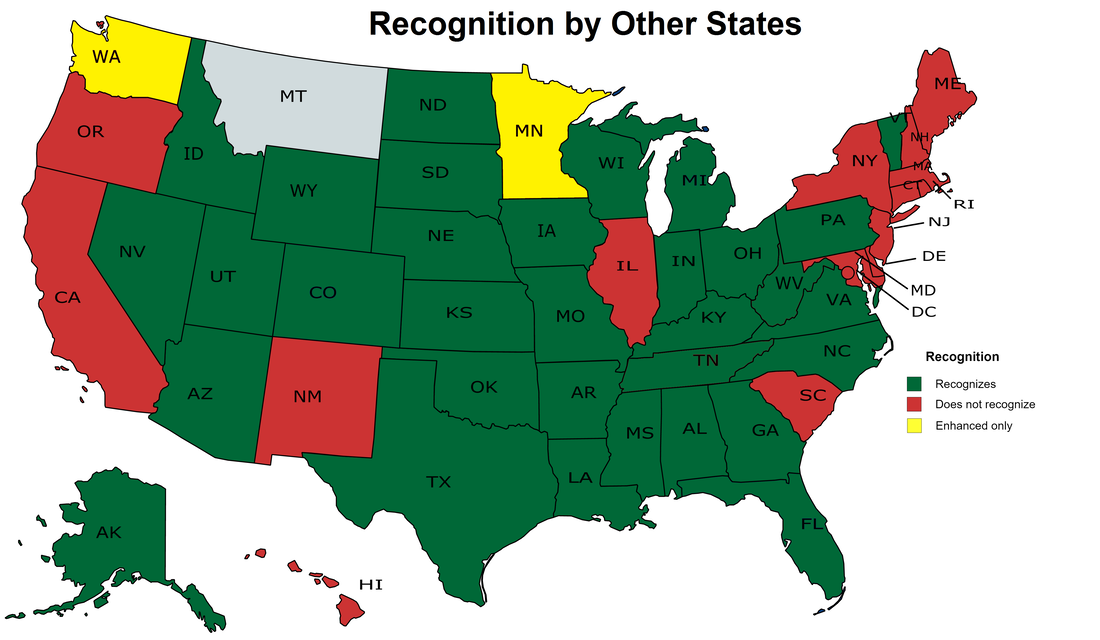
While both open and concealed carry are largely permitless, there are subtle differences in their practical implications and social acceptance. Open carry, by its very nature, is visible and can sometimes draw attention or elicit varied reactions from the public. While legal, the act of openly carrying a firearm might be perceived differently depending on the specific environment—a rural hunting ground versus a bustling city center like Billings or Helena. Concealed carry, on the other hand, allows for discreet personal protection without public display. From a legal standpoint within [Montana](https://lifeoutofthebox.com/montana], the permitless nature means there’s little formal legal distinction for where one can carry, regardless of open or concealed method. However, for residents, obtaining a Montana Concealed Weapon Permit (CWP) can still offer advantages, primarily related to reciprocity. A Montana CWP is recognized by many other states, allowing Montanans to legally carry concealed firearms when traveling outside their home state, even if those states do not have permitless carry. For visitors to [Montana](https://lifeoutofthebox.com/montana], while their home state’s permit is not required within [Montana](https://lifeoutofthebox.com/montana], understanding their own state’s laws for carrying firearms to and from Montana is paramount.
Important Considerations for Travelers to Montana
Traveling with firearms, even to a gun-friendly state like Montana, requires diligence, responsibility, and an understanding of the broader legal and social landscape. For those planning a trip, several key considerations should guide their actions.
Responsible Gun Ownership and Awareness
The cornerstone of exercising firearm rights in Montana or anywhere else is responsible gun ownership. This includes thorough training in firearm safety and proficiency, regular practice, and a deep understanding of the legal limits and responsibilities that come with carrying a weapon. For travelers, situational awareness is equally critical. Knowing your surroundings, understanding local customs, and being prepared to de-escalate potential conflicts without resorting to a firearm are all part of responsible conduct. Even where legal, the decision to carry, whether openly or concealed, should be made thoughtfully and with an understanding of the potential implications. Montana’s vast wilderness, popular for hunting and outdoor recreation, necessitates a high level of caution and respect for wildlife, land managers, and other outdoor enthusiasts. The Department of Fish, Wildlife & Parks provides specific regulations concerning hunting and firearm use in the backcountry that must be adhered to.
Interstate Travel with Firearms
Navigating state lines with a firearm can be complex, even when traveling to a permissive state. The Firearm Owners’ Protection Act (FOPA) of 1986 provides a federal protection for individuals transporting firearms through states where they might otherwise be illegal. Under FOPA, a person is protected if they are traveling from one place where they may legally possess and carry a firearm to another place where they may legally possess and carry a firearm, provided the firearm is unloaded and stored in a locked container, inaccessible from the passenger compartment, and ammunition is stored separately. However, FOPA applies only to “transportation,” not to extended stays or carrying methods within restrictive states. Therefore, while passing through states en route to [Montana](https://lifeoutofthebox.com/montana], ensure strict compliance with FOPA provisions. Upon arrival in Montana, the state’s liberal laws apply, but it’s crucial to confirm the legality of your specific firearm and its configuration under both federal and Montana state law.
Interacting with Law Enforcement
Should you encounter law enforcement while openly carrying a firearm in Montana, maintain a calm and respectful demeanor. While Montana law does not explicitly require you to inform an officer that you are carrying a firearm, it is generally considered good practice and can help avoid misunderstandings. If asked about a firearm, disclose its presence truthfully and clearly. Keep your hands visible and avoid any sudden movements. Comply with all lawful commands from the officer. Law enforcement officers are trained to prioritize safety, and a calm, cooperative attitude from a legally armed individual can significantly contribute to a smooth interaction. Remember, the right to carry comes with the responsibility to act in a manner that upholds public safety and respect for authority.
Conclusion
Montana unequivocally stands as an open carry state, reflecting its deep-seated commitment to the right to bear arms. This means that individuals legally permitted to possess a firearm can openly carry it in most public spaces without needing a permit, and this extends to permitless concealed carry as well. However, this broad freedom is not without its boundaries, with federal properties, schools, and private establishments having the right to prohibit firearms. For any traveler or resident, understanding these specific legal nuances is not just about compliance, but about ensuring a safe, respectful, and enjoyable experience in Montana’s breathtaking landscapes. Always prioritize responsible firearm ownership, stay informed about the latest regulations, and practice situational awareness. By doing so, you can confidently navigate Montana, respecting its laws and embracing its unique character.
LifeOutOfTheBox is a participant in the Amazon Services LLC Associates Program, an affiliate advertising program designed to provide a means for sites to earn advertising fees by advertising and linking to Amazon.com. Amazon, the Amazon logo, AmazonSupply, and the AmazonSupply logo are trademarks of Amazon.com, Inc. or its affiliates. As an Amazon Associate we earn affiliate commissions from qualifying purchases.