
For anyone planning a visit, considering a long-term stay, eyeing investment opportunities, or even contemplating a lifestyle change in the Lone Star State, a fundamental question often arises: Does Texas have property tax? The straightforward answer is yes, absolutely. While Texas famously boasts no state income tax, property taxes serve as the bedrock of local government funding, influencing everything from the maintenance of landmarks and public parks to the development of new hotels and the overall cost of living. Understanding this intricate system is not just for homeowners; it’s crucial for tourists, business travelers, and prospective investors alike, as it indirectly shapes the tourism landscape, accommodation options, and the very fabric of Texas culture and economy.
The financial ecosystem of Texas is unique. This article aims to demystify property taxes in Texas, explaining their structure, how they are levied, and their pervasive impact on travel, tourism, accommodation, and lifestyle choices across its vibrant cities and sprawling landscapes.

The Foundation of Taxation in the Lone Star State: A Critical Overview
The absence of a state income tax in Texas is often cited as a major draw for businesses and individuals. However, this comes with a trade-off: higher reliance on property taxes to fund essential public services. This system directly impacts everything from the quality of roads and emergency services to the local amenities that enhance the visitor experience and support various lifestyles.
Dispelling the Myth: No State Income Tax, But Property Taxes Are Key
Unlike many other states where income tax contributes significantly to state coffers, Texas opts for a different approach. The state’s financial model places a heavier emphasis on property taxes at the local level. This means that while your paycheck isn’t directly taxed by the state, the cost of owning property – whether it’s a residential home, a commercial building, or a sprawling ranch – becomes a primary source of revenue for local governments.
This funding mechanism is vital for maintaining the infrastructure that supports tourism and travel, such as well-maintained roads leading to popular attractions, funding for local parks and recreational facilities, and public safety services that ensure a secure environment for residents and visitors alike. For example, the funds derived from property taxes in cities like Austin or San Antonio contribute to the vibrant cultural scenes, public transportation networks, and overall urban appeal that draw millions of tourists each year.
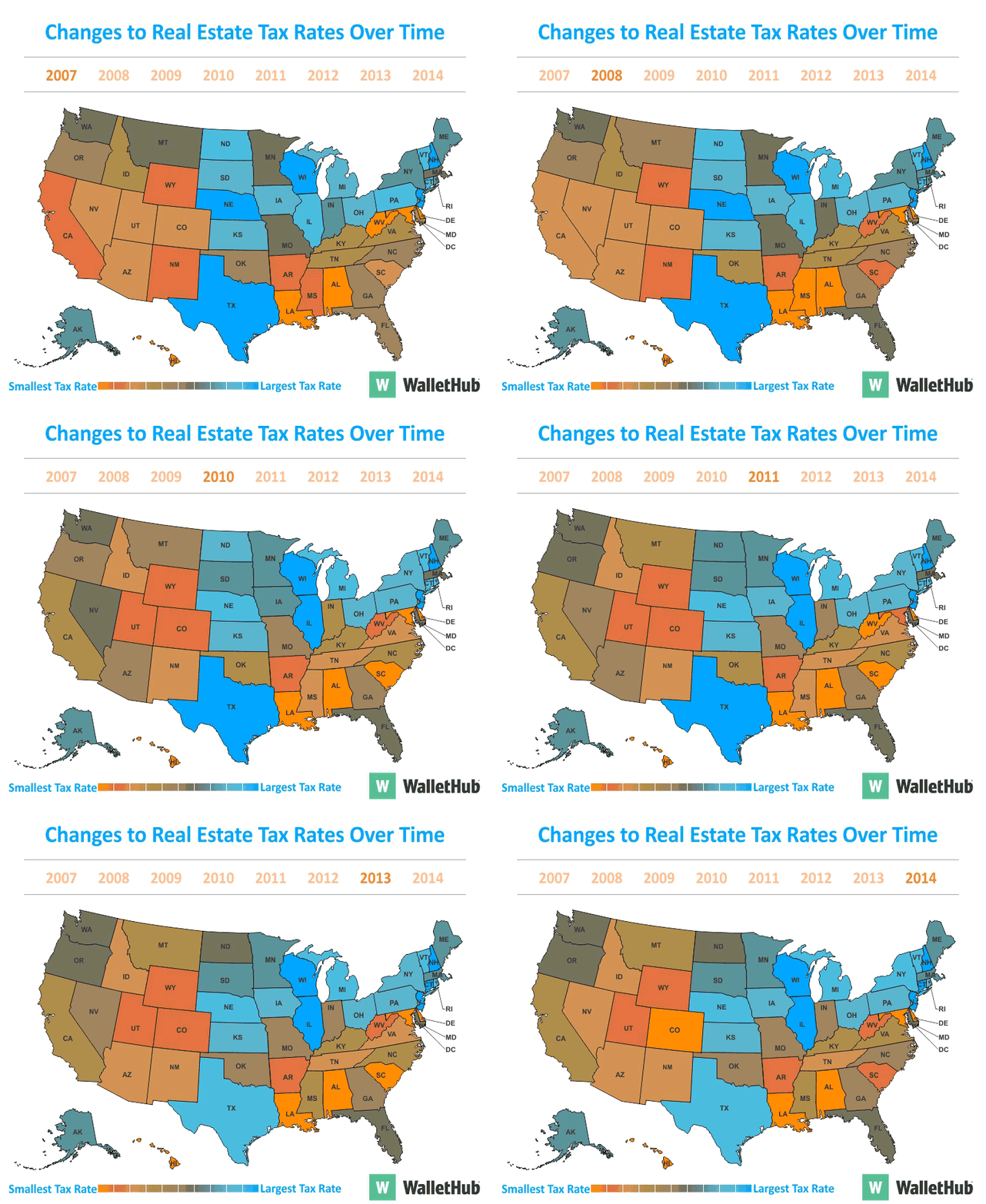
Who Collects Your Property Tax Dollars? Local Entities at the Helm
One of the most distinctive aspects of the Texas property tax system is its decentralized nature. Property taxes are not levied by the state government, but by various local taxing units. These include:
- Counties: Every county in Texas assesses property taxes to fund county-level services, including courts, law enforcement, and infrastructure.
- Cities: Municipalities levy taxes to support city services such as police, fire, sanitation, and maintaining public spaces. The city tax rate can vary significantly depending on the services provided and the city’s financial needs.
- School Districts: By far the largest portion of a Texas property tax bill typically goes to independent school districts (ISDs). These funds are crucial for operating public schools, covering teacher salaries, facilities, and educational programs. The quality of schools often influences where families choose to live, impacting demand for accommodation.
- Special Purpose Districts: Beyond these major entities, many areas are also subject to taxes from special purpose districts, which might include hospital districts, junior college districts, utility districts, water control and improvement districts, or emergency services districts.
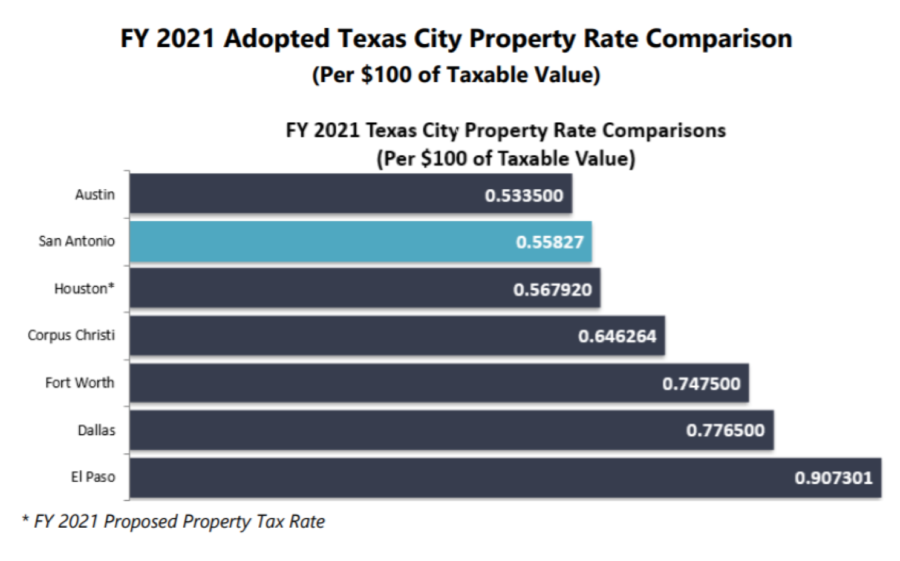
This multi-layered system means that your property tax bill can vary dramatically depending on your specific location within Texas. A property in Dallas might have a different combined tax rate than one in Houston or a more rural part of Comal County, even if their market values are similar. This variability is a key consideration for anyone looking at real estate for personal use, investment in hotels, or long-term accommodation.
The Appraisal Process: Valuing Your Piece of Texas
At the heart of the property tax system is the appraisal process. Each county in Texas has an appraisal district, such as the Travis Central Appraisal District for properties in Travis County (where Austin is located). These districts are responsible for estimating the market value of all taxable property within their boundaries as of January 1st each year.
The appraised value is the foundation upon which property taxes are calculated. Appraisers use various methods to determine market value, including comparing properties to recent sales of similar properties, analyzing income potential for commercial properties, and considering replacement costs. For homeowners, investors in rental properties, or developers of new hotels and resorts, understanding this annual appraisal is crucial. An increase in appraised value, combined with local tax rates, directly translates to a higher tax bill. This mechanism links directly to lifestyle choices, as rapidly appreciating property values in popular areas like Austin or Fort Worth can significantly impact the cost of living and the feasibility of long-term accommodation.
Property Taxes and Your Texas Journey: Travel, Hotels, and Accommodation
The impact of Texas property taxes extends far beyond individual homeowners. It’s a critical factor that shapes the business environment for tourism and hospitality, influencing everything from the development of new attractions to the cost of staying in a luxury resort or a budget-friendly hotel.
Investing in Texas: Hotels, Resorts, and Tourism Infrastructure
For investors and developers, property taxes are a significant line item in the financial projections for any new venture in the hospitality sector. Whether it’s building a new Grand Hyatt Hotel in Dallas, a boutique hotel in Galveston’s historic Strand District, or a sprawling luxury resort in the Texas Hill Country, the ongoing property tax burden influences feasibility and profitability. High property taxes can raise operational costs, which, in turn, can translate into higher room rates for visitors.
Conversely, property tax revenues also fund the very infrastructure and public services that make Texas an attractive destination. These funds contribute to maintaining roads, public transportation, utility services, and local attractions like museums, parks, and landmarks. Without these taxes, the quality of life and the appeal for tourists would diminish, potentially harming the tourism industry. Therefore, property taxes are a double-edged sword: a cost to businesses but also an investment in the overall destination experience.
Finding Your Perfect Stay: From Vacation Homes to Long-Term Rentals
For those seeking accommodation in Texas, property taxes play a role in various scenarios.
- Vacation Homes and Second Residences: If you’re considering purchasing a vacation home in a popular spot like South Padre Island or a lakeside property near Lake Travis, understanding the annual property tax commitment is crucial for budgeting. Unlike short-term hotel stays, owning property comes with an ongoing tax responsibility that needs to be factored into your total cost of ownership.
- Long-Term Stays and Rental Properties: For individuals or families planning an extended stay (e.g., for work, study, or an immersive travel experience), the rental market is directly influenced by property taxes. Landlords often factor their property tax expenses into rental rates. In areas with high property taxes, rental prices tend to be higher, impacting options for long-term accommodation such as apartments or villas.
- Short-Term Rentals (Airbnb, VRBO): The rise of short-term rental platforms has also brought property taxes into sharper focus. Owners of properties listed on Airbnb or VRBO face the same property tax obligations as other homeowners, which are then indirectly passed on to guests through nightly rates. Some cities, like Austin, have also implemented additional occupancy taxes on short-term rentals, further illustrating how local taxation impacts tourism-related accommodation.
Lifestyle Choices: Budgeting for Your Texas Dream
Property taxes are a significant determinant of the overall cost of living and, consequently, lifestyle choices in Texas. For individuals and families considering relocation, retirement, or extended stays, property taxes are a crucial element in financial planning.
- Retirement: Texas is a popular state for retirees, partly due to its lack of state income tax. However, the relatively high property taxes can offset some of these savings, especially in desirable retirement communities or areas with excellent amenities. Careful research into local tax rates is essential for maintaining a comfortable budget.
- Family Living: For families, the quality of school districts is often paramount, and these are heavily funded by property taxes. Families might opt for areas with higher property taxes if it means access to top-tier schools, influencing their choice of neighborhood and overall lifestyle.
- Luxury vs. Budget Travel/Living: High property taxes in upscale neighborhoods or areas with abundant luxury amenities contribute to a higher cost of living. Conversely, more rural or developing areas might offer lower property taxes, appealing to those seeking a more budget-friendly lifestyle or investment opportunity, even if it means fewer immediate amenities or longer commutes to major attractions or business centers in cities like El Paso or Houston.
Navigating Exemptions and Appeals: Smart Strategies for Property Owners
While property taxes are an undeniable reality in Texas, the state offers various mechanisms to potentially reduce the tax burden, primarily through exemptions and the right to appeal appraisals. These provisions are particularly valuable for long-term residents and property investors.
Key Exemptions That Can Lighten the Load
Exemptions reduce the taxable value of your property, thereby lowering your overall tax bill. Understanding and applying for eligible exemptions is a smart financial move for any Texas property owner.
- Homestead Exemption: This is the most common and significant exemption for owner-occupied residential properties. If a property is your primary residence, you can apply for a homestead exemption. This exempts a portion of your home’s value from taxation by various local entities, with specific amounts mandated by the state for school district taxes and optional additional exemptions by cities, counties, and special districts. For example, the state mandates a significant reduction in appraised value for school district taxes, making homeownership more accessible and influencing lifestyle choices.
- Over-65 Exemption: For homeowners who are 65 years or older, additional exemptions apply. These provide an extra reduction in the appraised value for school district taxes, and many local taxing units (cities, counties, special districts) also offer their own optional over-65 exemptions. Crucially, once you qualify for an over-65 exemption, the school property taxes on your homestead are frozen at their current level (unless improvements are made to the home), providing significant financial predictability for retirees. This is a major factor in attracting retirees to the Lone Star State.
- Disabled Person Exemption: Similar to the over-65 exemption, disabled homeowners are eligible for additional reductions in their taxable value for school district taxes, and often from other local taxing units as well. Their school property taxes can also be frozen, offering vital financial relief.
- Veterans Exemptions: Texas provides significant exemptions for disabled veterans and their surviving spouses. The amount of the exemption varies based on the veteran’s disability rating. Furthermore, 100% disabled veterans are eligible for a total exemption from property taxes on their homestead, a powerful incentive for these individuals and their families.
- Other Exemptions: There are also specialized exemptions for properties used for agricultural purposes, historical sites, and specific charitable organizations, which can impact the preservation of landmarks and rural tourism.
It’s important to remember that these exemptions do not automatically apply; property owners must apply for them through their local appraisal district.
The Appeal Process: Ensuring Fair Valuation
Property owners in Texas have the right to protest or appeal their property appraisal if they believe the value assigned by the appraisal district is incorrect or unfair. This process is crucial for ensuring that you are not overpaying on your property taxes, whether you own a personal residence, a commercial property, or an investment accommodation like a short-term rental.
The appeal process typically involves:
- Reviewing Your Appraisal Notice: Upon receiving your annual appraisal notice (usually in April or May), carefully check the appraised value and protest deadline.
- Filing a Protest: If you disagree with the value, you must file a formal protest with your appraisal district by the deadline (usually May 15th or 30 days after the notice is mailed, whichever is later).
- Informal Meeting: Many districts offer an informal meeting with an appraiser to discuss your concerns and present evidence (e.g., comparable sales, repair estimates).
- Appraisal Review Board (ARB) Hearing: If an agreement isn’t reached informally, you can present your case to the Appraisal Review Board (ARB), an independent body.
- Further Appeals: If you are still unsatisfied, further legal avenues, such as binding arbitration or a lawsuit, are available.
Successfully appealing an appraisal can result in a lower taxable value, directly reducing your property tax burden. This process is a vital tool for property investors and long-term residents to manage their financial commitments and sustain their desired lifestyle in Texas.
Texas Property Tax in the Broader Context: Implications for the Future
Understanding Texas property tax isn’t just about current obligations; it’s about anticipating future trends and comparing the state’s system with other popular destinations. This broader perspective is essential for making informed decisions related to travel, investment, and lifestyle.
Comparing Texas to Other Destinations: A Competitive Edge?
When evaluating Texas as a place to visit, invest, or live, its unique tax structure often comes into play. States like California or New York have high state income taxes, but often lower property tax rates or stricter caps on annual increases. Conversely, states like Florida also have no state income tax but may have different property tax assessment methods or lower overall rates, though they often compensate with other fees or sales taxes.
Texas’s combination of no state income tax but relatively high property taxes can be a competitive advantage for certain businesses and individuals, particularly those with high incomes and lower property assets. For instance, a business traveler with substantial earnings but renting accommodation might find Texas more appealing than a state with high income tax. However, for property-rich entities like hotel chains or individuals looking to purchase expensive luxury villas, the property tax burden can be substantial. This balancing act influences where businesses choose to establish themselves and where individuals decide to settle, impacting regional economic growth and tourism development.
The Evolving Landscape: Recent Reforms and Future Trends
The property tax system in Texas is not static. Due to public demand and the rising cost of living, the Texas Legislature frequently considers and enacts reforms aimed at providing property tax relief. Recent legislative sessions have focused on initiatives such as increasing homestead exemptions, limiting the growth of property tax bills, and reducing reliance on local property taxes for school funding.
For instance, recent constitutional amendments have significantly increased the homestead exemption for school taxes, providing tangible relief to homeowners. These legislative efforts reflect an ongoing commitment to make Texas more affordable and attractive. Future reforms could further influence the cost of homeownership, the viability of hotel and resort development, and the overall appeal of the state for tourism and long-term accommodation. Staying informed about these changes is key for anyone with a stake in the Lone Star State’s future. The dynamic nature of these taxes means that what is true today might evolve tomorrow, potentially altering the landscape for travel, lifestyle, and investment opportunities.
In conclusion, property taxes are an integral and substantial component of the financial framework in Texas. While the state offers the advantage of no income tax, local property taxes are a significant consideration for anyone engaging with Texas, from planning a short trip to a bustling city like Houston or a tranquil retreat in the Hill Country, to investing in hotels, choosing long-term accommodation, or making a permanent lifestyle move. By understanding the intricacies of who levies these taxes, how properties are appraised, the available exemptions, and the ongoing efforts for reform, individuals and businesses can make more informed decisions, ensuring a smoother and more financially predictable Texas experience.
LifeOutOfTheBox is a participant in the Amazon Services LLC Associates Program, an affiliate advertising program designed to provide a means for sites to earn advertising fees by advertising and linking to Amazon.com. Amazon, the Amazon logo, AmazonSupply, and the AmazonSupply logo are trademarks of Amazon.com, Inc. or its affiliates. As an Amazon Associate we earn affiliate commissions from qualifying purchases.