
The majestic state of Montana, a land sculpted by rugged mountains, vast prairies, and crystal-clear rivers, holds a special place in the heart of the American West. Known for its breathtaking natural beauty and rich history, it’s no wonder that Montana boasts a state flower that perfectly encapsulates its spirit: the beautiful Bitterroot. This iconic bloom, officially designated in 1895, is more than just a pretty face; it’s a symbol woven into the very fabric of the state’s identity, its history, and its captivating natural landscape. For travelers seeking to understand the soul of Montana, a journey into the story of the Bitterroot is an essential part of the experience, offering a deeper connection to the destinations, landmarks, and local culture that make this state so unique.
The Enduring Symbol of Montana: The Bitterroot’s Tale
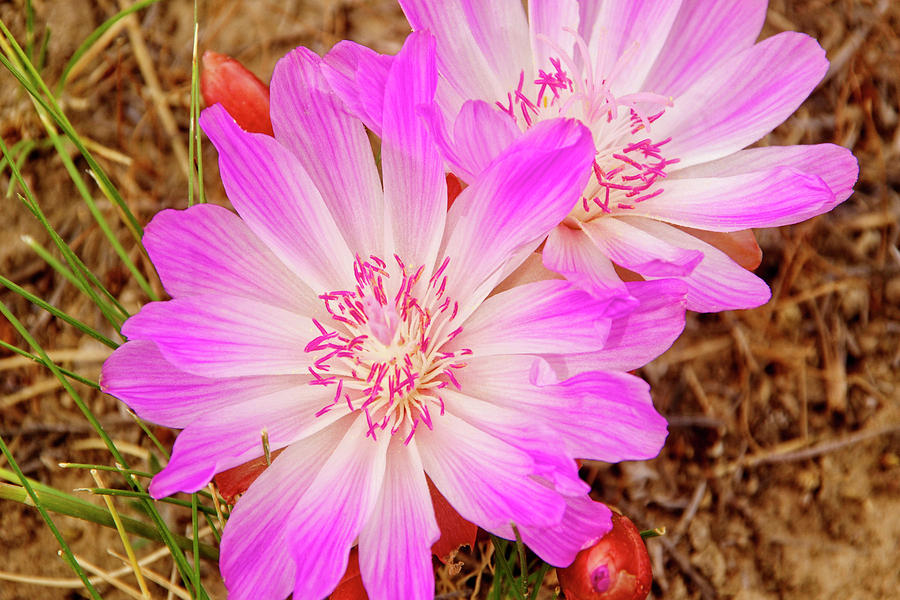
The Bitterroot ( Lewisia rediviva ) is a perennial wildflower with a remarkable resilience, perfectly mirroring the tenacity of the pioneers who settled this wild frontier. Its story is intrinsically linked to the indigenous peoples of the region, particularly the Salish tribe, who revered the plant for its edible roots and medicinal properties. The Salish name for the flower, “apsa’alook,” or “red flower,” speaks to its striking appearance. Historically, the roots were a vital food source, offering sustenance during harsh winters and serving as a testament to the profound knowledge indigenous communities possessed about their environment. This deep historical connection makes the Bitterroot a living link to Montana’s past, a natural treasure that predates statehood and continues to thrive across its diverse terrains.
A Botanical Marvel and Its Habitat
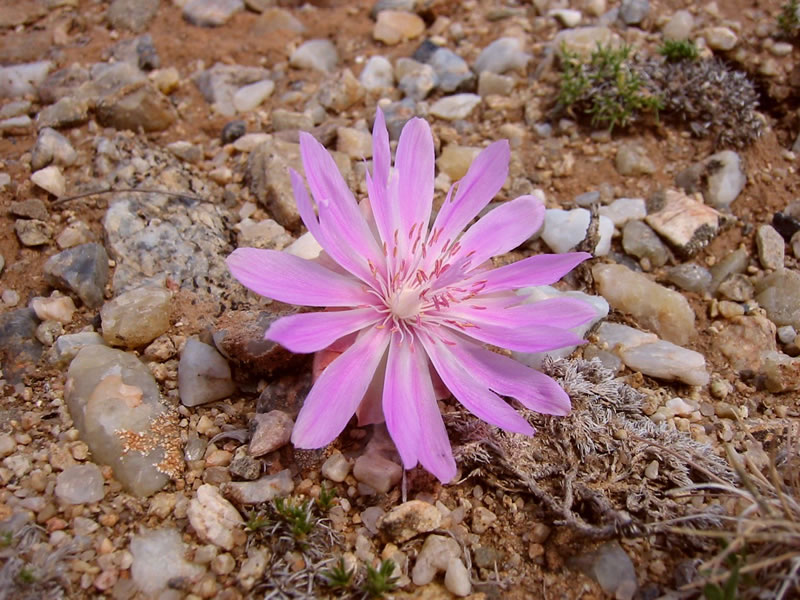
The Bitterroot is a captivating wildflower, known for its delicate yet vibrant appearance. It typically blooms in late spring and early summer, dotting the arid and semi-arid landscapes of Montana with splashes of bright pink and rosy hues. The flowers themselves are quite distinctive, featuring five to thirteen petals that can range from pale pink to a deep magenta. These petals often have darker veins, adding a beautiful intricate detail. The plant is relatively small, usually growing no more than a few inches high, and it thrives in rocky, sandy, or gravelly soils, often found on open slopes and prairies. This preference for challenging environments underscores the plant’s hardiness and ability to flourish where other flora might struggle.
The geographical distribution of the Bitterroot within Montana is quite extensive, though it is most commonly found in the western and southwestern parts of the state. Areas like the Bitterroot Valley, which shares its name with the flower, are particularly renowned for their abundant displays. This valley, nestled between the Bitterroot Mountains and the Sapphire Mountains, offers some of the most picturesque scenery in Montana, making it a prime destination for nature lovers and hikers. Traveling through this region in late spring is an unforgettable experience, as the hillsides come alive with the vibrant colors of the Bitterroot in full bloom. Beyond the Bitterroot Valley, the flower can also be spotted in the rugged landscapes of Glacier National Park, another must-visit landmark for any visitor to Montana. Its ability to grow in such varied and often harsh conditions is a testament to its adaptability and resilience.
Discovering the Bitterroot: Travel and Tourism Opportunities

For travelers to Montana, seeking out the Bitterroot can be a delightful and rewarding aspect of their journey, seamlessly blending with the state’s renowned travel and tourism offerings. Planning a trip around the blooming season, typically from May to July, can enhance your experience. Many visitors choose to base themselves in charming towns like Hamilton, located in the heart of the Bitterroot Valley, or in the vibrant city of Missoula, a gateway to numerous outdoor adventures.
Exploring Destinations Rich in Bitterroot Blooms
The Bitterroot Valley is arguably the premier destination for experiencing the state flower in its natural glory. This picturesque valley, carved by the Bitterroot River, offers a stunning backdrop for viewing the Bitterroot in bloom. Travelers can embark on scenic drives along U.S. Route 200 or U.S. Route 93, with frequent opportunities to pull over and explore trails that lead to prime viewing spots. Hiking is a highly recommended activity, with trails such as the Trapp Creek Trail or sections of the Continental Divide Trail offering the chance to immerse yourself in the wildflower-laden landscapes. The Lee Metcalf National Wildlife Refuge also provides excellent opportunities for wildlife viewing and appreciating the local flora, including the Bitterroot.
Beyond the immediate Bitterroot Valley, the flower’s presence extends to other parts of western Montana. Glacier National Park, a UNESCO World Heritage Site, is a spectacular destination for nature enthusiasts, and while its alpine meadows are famed for other wildflowers, the Bitterroot can still be found in its lower elevations and drier areas. Exploring areas like the Lake McDonald region or the Many Glacier area might yield sightings of this iconic bloom amidst the park’s dramatic scenery. For those interested in architectural history and local culture, a visit to Helena, the state capital, or the historic city of Butte, with its rich mining heritage, offers a different perspective on Montana, though wildflower spotting might be less prevalent in urban settings.
Accommodation and Lifestyle Considerations for Flower Enthusiasts
When planning your Bitterroot hunting expedition, selecting the right accommodation is key to a comfortable and enjoyable lifestyle experience. For those seeking luxury, resorts and boutique hotels in areas like Big Sky or near Glacier National Park offer premium amenities and stunning views. Many of these establishments provide easy access to hiking trails and outdoor activities. For a more intimate and local feel, consider charming bed and breakfasts or vacation rentals in towns like Hamilton or Stevensville. These options often put you closer to the natural beauty and local culture.
Budget travelers will find a variety of affordable hotels and motels throughout Montana, particularly in larger cities like Billings or Great Falls. Camping and RV parks are also abundant, offering a more immersive experience in nature, especially in proximity to national forests and parks. For families, choosing accommodation with family-friendly amenities, such as swimming pools or playgrounds, can enhance the overall trip. Long-term stays can be facilitated through apartment rentals or extended-stay hotels, allowing for a more leisurely exploration of the state and its natural wonders.
When it comes to activities, beyond hiking and scenic drives, consider visiting local farmers’ markets, where you might find local artisans selling handcrafted items inspired by the Bitterroot or even local produce. Engaging with local culture through museums that highlight the state’s natural history and indigenous heritage will provide a deeper appreciation for the Bitterroot and its significance. Tips for maximizing your flower-spotting experience include carrying a good field guide, wearing appropriate hiking gear, and being mindful of the environment to ensure the preservation of this beautiful state flower for generations to come. Experiencing the Bitterroot is not just about seeing a flower; it’s about connecting with the wild, resilient, and deeply rooted spirit of Montana.
LifeOutOfTheBox is a participant in the Amazon Services LLC Associates Program, an affiliate advertising program designed to provide a means for sites to earn advertising fees by advertising and linking to Amazon.com. Amazon, the Amazon logo, AmazonSupply, and the AmazonSupply logo are trademarks of Amazon.com, Inc. or its affiliates. As an Amazon Associate we earn affiliate commissions from qualifying purchases.