
Embarking on a journey through the vast and diverse landscapes of the Lone Star State is an experience many travelers dream of. From the bustling metropolises of Houston and Dallas to the serene beauty of Big Bend National Park and the vibrant culture of Austin, Texas offers an unparalleled array of attractions. Whether you’re planning an epic road trip, visiting family, or simply exploring the rich history and flavors of Texas, understanding local driving laws is paramount for a smooth and enjoyable adventure. Among the most common questions travelers and new residents often ask is: “Does Texas require a front license plate?” The answer, as we will explore in detail, is crucial for anyone behind the wheel in this iconic state.
The Definitive Answer: Texas Law on Front License Plates
For those seeking a quick and definitive answer, here it is: Yes, Texas generally requires vehicles to display a front license plate in addition to the rear one. This is a mandate that has been in place for many years and is enforced across the state. While some states have opted for a single rear plate system, Texas firmly maintains a two-plate requirement for most passenger vehicles. Understanding the nuances of this law, including its historical context and any potential exceptions, is vital for compliance and avoiding unnecessary fines.
Historical Context and Evolution of the Law
The requirement for two license plates in Texas dates back decades, rooted in practical considerations for vehicle identification and law enforcement. Historically, having both a front and rear plate aided in quicker identification of vehicles, especially important in an era before advanced digital tracking systems. The Texas Legislature has periodically reviewed and reaffirmed this requirement, despite ongoing debates and lobbying efforts from various groups.
Arguments for maintaining two plates often center on public safety, ease of identification for law enforcement during traffic stops or hit-and-run incidents, and the functionality of automated toll systems and parking enforcement cameras, which frequently rely on front-facing vehicle recognition. Conversely, opponents often cite aesthetic concerns, the cost of manufacturing and distributing two plates, and the argument that many other populous states operate successfully with a single rear plate. Despite these debates, the law in Texas has remained consistent: two plates are the standard.
Specific Requirements and Exemptions
According to Texas Transportation Code § 504.943, a person commits an offense if they operate a motor vehicle that has been issued two license plates unless the plates are attached to the vehicle, one to the front and one to the rear. The plates must be securely fastened to the vehicle at the front and rear, clearly visible, and maintained free from foreign materials that might obscure their legibility.
While the two-plate rule is broad, there are a few specific exemptions, though they are relatively uncommon for the average traveler or resident:
- Dealer Plates: Vehicles operated by dealers often use a single temporary dealer plate, typically displayed in the rear.
- Temporary Tags: When a vehicle is newly purchased, it might be issued a temporary paper tag, usually displayed in the rear window, before permanent plates arrive.
- Certain Antique Vehicles: Some antique vehicles, depending on their age and specific registration, might be exempt from the front plate requirement if their original design did not accommodate a front plate. However, this is not a blanket exemption and typically requires specific registration.
- Motorcycles and Trailers: These vehicles, due to their design, are only issued and required to display a single rear license plate.

It’s important to note that these exemptions are specific and do not apply to the vast majority of passenger cars, trucks, and SUVs driven in Texas. For most vehicles, failure to display both a front and rear license plate is a Class C misdemeanor, punishable by a fine that can range up to $200, plus court costs. This makes understanding and adhering to the law essential for anyone planning to drive in the Lone Star State.
Navigating Texas Roads: What Travelers Need to Know
For visitors to Texas, particularly those accustomed to different regulations in their home states or countries, the front license plate law can be a point of confusion. Given the state’s popularity as a tourist destination, understanding these rules is crucial for a stress-free trip.
Renting a Car in Texas: License Plate Considerations
Most travelers exploring Texas will do so by renting a vehicle. Reputable car rental agencies operate within the bounds of state law, meaning that any vehicle you rent from a major company within Texas will be properly equipped with both a front and rear license plate. You typically won’t need to worry about the legality of the rental car’s registration.
However, it’s always good practice to quickly verify the presence of both plates when you pick up your rental car, just as you would check for any existing damage. While highly unlikely, reporting any discrepancies immediately to the rental agency can save you potential headaches down the road. Focus your attention on ensuring the vehicle is otherwise roadworthy and suits your travel needs, whether you’re embarking on a luxurious cross-state tour or a budget-friendly family adventure.
Out-of-State Visitors and Enforcement
What if you’re driving your own vehicle into Texas from another state that doesn’t require a front license plate? This is a common concern. Generally, states recognize the vehicle registration laws of other states under the principle of reciprocity. This means that if your vehicle is legally registered in your home state with only one license plate (and your home state only requires one), you typically won’t be ticketed in Texas for not having a front plate.
However, this reciprocity primarily applies to vehicles registered out-of-state. If you’re a new resident moving to Texas, you will be required to register your vehicle in Texas within a certain timeframe (usually 30 days) and, upon registration, will be issued two license plates, both of which must be displayed. It’s always advisable for new residents to familiarize themselves with all Texas vehicle registration and inspection laws promptly after moving.
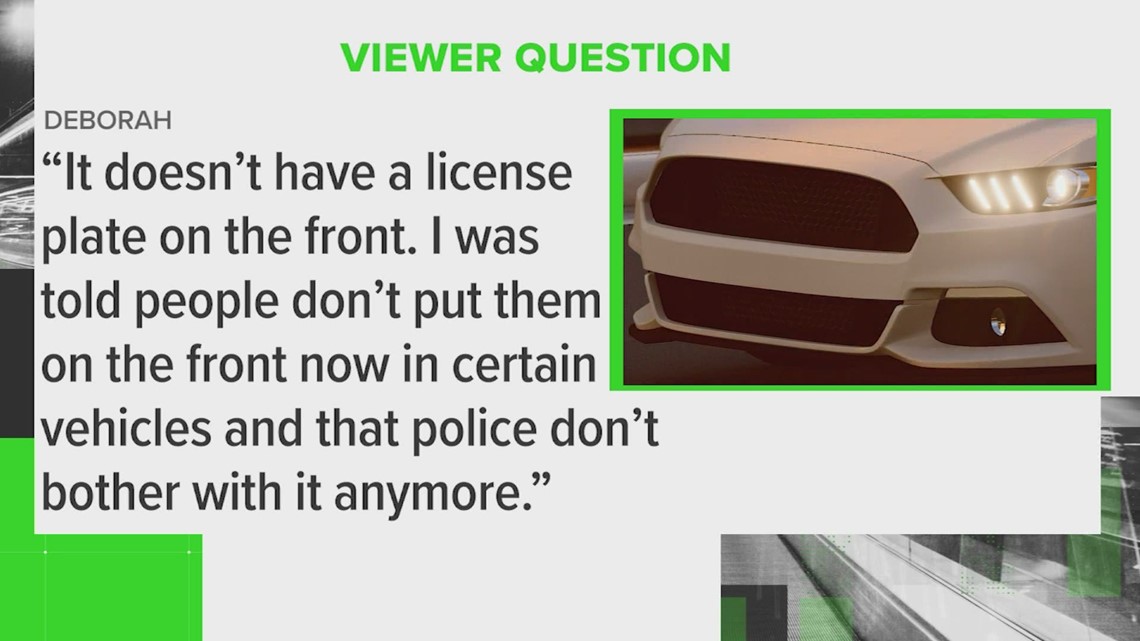
For short-term visitors, while enforcement against out-of-state single-plate vehicles is generally relaxed due to reciprocity, it’s not entirely impossible to encounter an officer who might question it, especially if there are other reasons for a stop. The best approach is to ensure all other aspects of your vehicle operation are impeccable and to carry your registration documents.
The Wider Implications: Safety, Revenue, and Aesthetics
The debate surrounding front license plates extends beyond mere legal compliance, touching on various aspects of public policy, safety, and even personal preference.
The Role of License Plates in Modern Policing and Technology
In an increasingly technologically advanced world, license plates serve more functions than ever before. Automated license plate readers (ALPRs), mounted on police cars, toll booths, and stationary cameras, play a significant role in law enforcement, traffic management, and revenue collection. A front license plate doubles the chances of a vehicle being identified by these systems, which can be crucial for:
- Locating Stolen Vehicles: ALPRs can quickly identify vehicles reported stolen.
- Amber Alerts and Other Public Safety Directives: Rapid identification of vehicles involved in critical incidents.
- Toll Collection: Many of Texas’s extensive toll road networks use cameras to read front plates for billing purposes, particularly for vehicles without an electronic toll tag.
- Parking Enforcement: Automated systems in parking garages or street parking zones can use front plates for tracking parking times and payments.
For these reasons, the front license plate remains a vital tool for state and local authorities, reinforcing the argument for its continued requirement despite calls for its removal.
Public Opinion and Future Debates
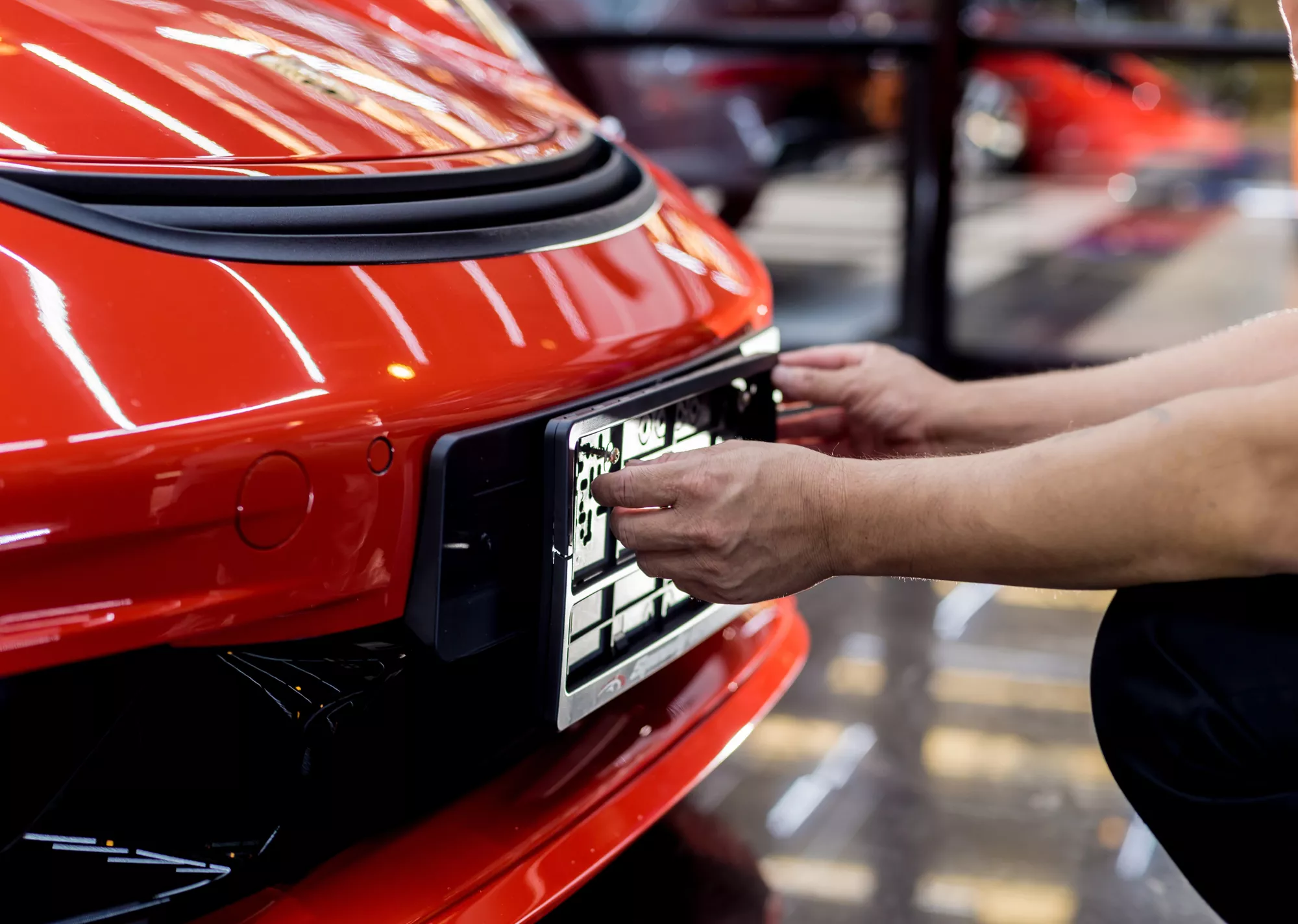
The discussion around front license plates is unlikely to disappear. Vehicle owners often voice strong opinions, with some viewing the front plate as an unsightly addition that detracts from a vehicle’s design, especially for high-end sports cars or classic automobiles. Aftermarket solutions, such as removable brackets or side-mounted plates, often exist in a grey area of legality, and drivers using them risk citation if the plate is not “securely fastened” and “clearly visible” as per the law.
Conversely, law enforcement agencies consistently advocate for the dual-plate system, citing the undeniable benefits to public safety and operational efficiency. As Texas continues to grow and its infrastructure evolves, these debates will undoubtedly resurface, but for the foreseeable future, the front license plate is here to stay.
Exploring Texas: Road Trip Adventures and Must-Visit Destinations
Now that we’ve covered the legalities, let’s pivot to the exciting part: planning your Texas adventure! With its diverse landscapes and vibrant culture, Texas is a quintessential road trip destination, perfectly suited for exploring by car (with both license plates, of course!).
Iconic Cities and Their Charms
Each major city in Texas offers a unique flavor and a plethora of attractions for every type of traveler:
- Austin: The “Live Music Capital of the World” is a hub of creativity, delicious food trucks, and outdoor activities. Explore Zilker Park, stroll down South Congress Avenue, or catch a show on Sixth Street. Don’t miss the Texas State Capitol for a dose of history.
- San Antonio: Steeped in history and rich in Tejano culture, San Antonio boasts the iconic Alamo and the enchanting River Walk. Indulge in authentic Mexican cuisine and explore the historic Missions National Historical Park.
- Houston: A global city known for its contributions to space exploration, energy, and medical innovation. Visit Space Center Houston, explore the Museum District, or enjoy world-class dining.
- Dallas: A cosmopolitan center with a sophisticated arts scene, upscale shopping, and a booming food industry. Key attractions include Klyde Warren Park, the Dallas Arts District, and the Sixth Floor Museum at Dealey Plaza.
- Fort Worth: Embrace the true Texas cowboy spirit in Fort Worth. The Stockyards National Historic District offers daily cattle drives, rodeos, and plenty of Western charm.
Natural Wonders and Scenic Drives
Beyond the urban centers, Texas is home to stunning natural beauty:
- Big Bend National Park: Tucked away in West Texas, this remote national park offers dramatic mountain scenery, desert landscapes, and the majestic Rio Grande. It’s a stargazer’s paradise and a hiker’s dream.
- Guadalupe Mountains National Park: Home to Guadalupe Peak, the highest point in Texas, this park features striking canyons, diverse wildlife, and some of the best hiking trails in the state.
- Texas Hill Country: A picturesque region known for its rolling hills, vineyards, and charming small towns like Fredericksburg and Gruene. Enjoy wine tasting, scenic drives, and floating on the Guadalupe or Comal Rivers.
- Padre Island National Seashore: Stretching for miles along the Gulf Coast near Corpus Christi, this protected barrier island offers pristine beaches, birdwatching, and opportunities for camping and fishing.
- Palo Duro Canyon State Park: Often called the “Grand Canyon of Texas,” this impressive canyon in the Panhandle is the second-largest canyon in the United States and perfect for hiking, biking, and exploring.
Practical Tips for a Smooth Texas Journey
Ensuring your journey through Texas is as enjoyable as possible involves a bit of preparation, especially when it comes to your vehicle and accommodation.
Vehicle Checklist Before Your Texas Adventure
Before setting off on your Texas road trip, a quick vehicle check can prevent many common travel headaches:
- License Plates: Double-check that both your front and rear license plates are securely attached and clearly visible. If you’re a Texas resident, ensure your registration and inspection stickers are up to date.
- Tires: Inspect tire pressure and tread depth, especially if you plan to venture into remote areas like Big Bend.
- Fluids: Top off oil, coolant, and wiper fluid.
- Lights: Check headlights, taillights, brake lights, and turn signals.
- Emergency Kit: Pack a basic emergency kit including jumper cables, a first-aid kit, water, and snacks, especially for longer drives in rural areas where services may be sparse.
- Navigation: While smartphones are ubiquitous, a physical map or a downloaded offline map can be invaluable in areas with spotty cell service, particularly in West Texas or national parks.
Where to Stay: Hotels, Resorts, and Unique Accommodations
Texas offers an incredible range of accommodation options to suit every budget and lifestyle.
- Luxury Stays: For those seeking an indulgent experience, cities like Dallas, Houston, and Austin boast opulent hotels and resorts. Consider the Four Seasons Austin for lakeside elegance, the Post Oak Hotel at Uptown Houston for a sophisticated urban retreat, or the Hotel Drover in Fort Worth for a chic Western experience. Many Marriott and Hilton properties across the state offer high-end options like JW Marriott and Embassy Suites, complete with amenities such as pools, spas, and gourmet dining.
- Mid-Range and Budget-Friendly Hotels: Excellent value can be found with brands like Holiday Inn Express, Hampton Inn, and La Quinta. These offer comfortable stays, often with complimentary breakfast and Wi-Fi, making them ideal for family trips or budget-conscious travelers.
- Unique Stays: For an unforgettable experience, look beyond standard hotels. Explore charming bed and breakfasts in Fredericksburg, historic inns in San Antonio, or boutique hotels that capture the local spirit. Consider renting a cozy cabin in the Texas Hill Country or an Airbnb for a more localized, long-term stay experience. For a truly unique and immersive experience, look for glamping options near national parks or rustic ranches offering authentic Texas hospitality.
- Camping: Texas State Parks and National Parks offer abundant camping opportunities, from primitive backcountry sites to full-hookup RV parks, allowing you to connect directly with the state’s natural beauty.
Booking in advance, especially during peak seasons or major events (like SXSW in Austin or the Houston Livestock Show and Rodeo), is always recommended to secure the best rates and preferred accommodations. Utilize online booking platforms and compare reviews to find the perfect home base for your Texas explorations.
Conclusion: Drive Safely and Enjoy the Lone Star State
In conclusion, the answer to “Does Texas require a front license plate?” is a resounding yes for most vehicles registered in the state. While it’s a detail easily overlooked by those unfamiliar with local laws, adhering to this requirement is a simple step towards ensuring a lawful and hassle-free journey through the Lone Star State. By understanding the regulations, preparing your vehicle, and planning your accommodation wisely, you’ll be well-equipped to fully immerse yourself in all the incredible experiences Texas has to offer. From its vibrant cities to its serene natural wonders, Texas is a destination that promises unforgettable memories. So, buckle up, make sure your plates are visible, and get ready to explore the vast and captivating beauty of Texas!
LifeOutOfTheBox is a participant in the Amazon Services LLC Associates Program, an affiliate advertising program designed to provide a means for sites to earn advertising fees by advertising and linking to Amazon.com. Amazon, the Amazon logo, AmazonSupply, and the AmazonSupply logo are trademarks of Amazon.com, Inc. or its affiliates. As an Amazon Associate we earn affiliate commissions from qualifying purchases.