
The scent of woodsmoke, faint yet persistent, can evoke a primal sense of comfort and nostalgia for some. For others, especially in regions prone to wildfires, it’s a stark reminder of potential danger and disruption. If you’re in or planning to visit the breathtaking state of Montana today, and you’re catching that smoky aroma, it’s understandable to wonder about its origin. This guide will delve into the common sources of smoke in Montana today, focusing on both natural phenomena and human activities, and offer insights relevant to travelers, adventurers, and those seeking an authentic Montana experience.
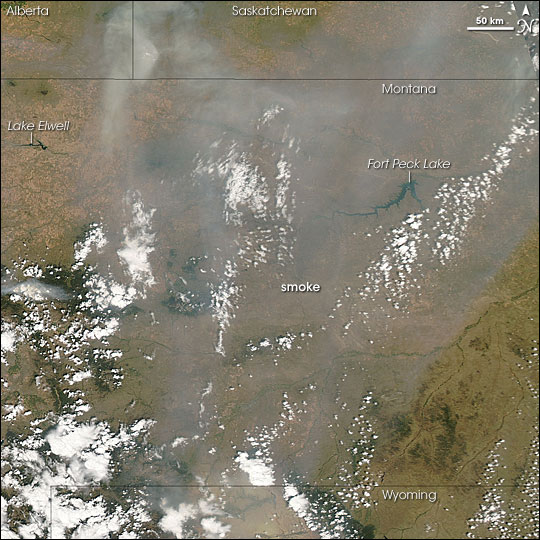
The vast, untamed landscapes of Montana, often referred to as “Big Sky Country,” are characterized by sprawling wilderness, majestic mountain ranges, and expansive forests. While this natural beauty is a huge draw for tourists, it also makes the state susceptible to certain environmental conditions, including wildfire smoke. Understanding the potential sources of smoke can help you make informed decisions about your travel plans and ensure a safer and more enjoyable visit.
The Dominant Factor: Wildfires
When it comes to smoke in [Montana](https://lifeout®, the overwhelming majority of the time, the source is wildfires. The state’s extensive forested areas, coupled with dry conditions that are often exacerbated by heatwaves and lightning strikes, create a perfect environment for fires to ignite and spread. These fires can range from small, contained blazes to large, sprawling infernos that can affect air quality across vast distances.
Understanding Wildfire Dynamics in Montana
Wildfires are a natural part of many ecosystems, playing a role in forest health and renewal. However, in recent years, the frequency and intensity of wildfires have increased, leading to more widespread smoke events. Several factors contribute to this trend:
- Climate Change: Rising global temperatures contribute to drier conditions, longer fire seasons, and more abundant fuel (dead vegetation) for fires to consume.
- Lightning Strikes: As a state known for its dramatic thunderstorms, Montana experiences numerous lightning strikes during the summer months. These are a primary natural ignition source for wildfires.
- Human Activity: While lightning is a significant cause, human negligence is also responsible for a considerable number of wildfires. Campfires left unattended, discarded cigarettes, and equipment malfunctions can all spark destructive fires.
- Fuel Accumulation: Decades of fire suppression policies have led to an accumulation of dead trees and undergrowth in forests, creating denser fuel loads that can support larger and more intense fires.
When a wildfire ignites, smoke can travel hundreds, even thousands, of miles depending on wind patterns. This means that even if there isn’t a fire burning directly in your immediate vicinity in Montana, you could still be experiencing smoke from a wildfire burning in a neighboring state, such as Idaho, Wyoming, or even as far away as Canada.
Monitoring Wildfire Smoke
For travelers to Montana, staying informed about wildfire activity is crucial. Several resources are available to help you track potential smoke impacts:
- InciWeb: This is the official U.S. incident information system that provides real-time updates on wildfires across the country. You can find details on fire location, size, containment, and associated smoke forecasts.
- AirNow.gov: This website provides current air quality data and forecasts across the United States, including information on particulate matter levels, which are directly impacted by wildfire smoke. It also offers guidance on health precautions to take based on air quality.
- Local News and Emergency Services: Keeping an eye on local Montana news outlets and following the social media accounts of state and local emergency management agencies can provide immediate updates on fire activity and potential smoke advisories.
When smoke is prevalent, it can significantly impact the visual landscape, obscuring mountain views and turning sunsets into hazy spectacles. More importantly, it can pose health risks. Visitors with respiratory sensitivities, such as asthma or emphysema, should exercise caution and limit their outdoor exposure during periods of poor air quality.
Beyond Wildfires: Other Sources of Smoke
While wildfires are the most dramatic and widespread cause of smoke in Montana, it’s worth noting that other, less impactful, sources can also contribute to localized smoky conditions. These are generally more predictable and less disruptive to travel.
Agricultural Burning and Prescribed Burns
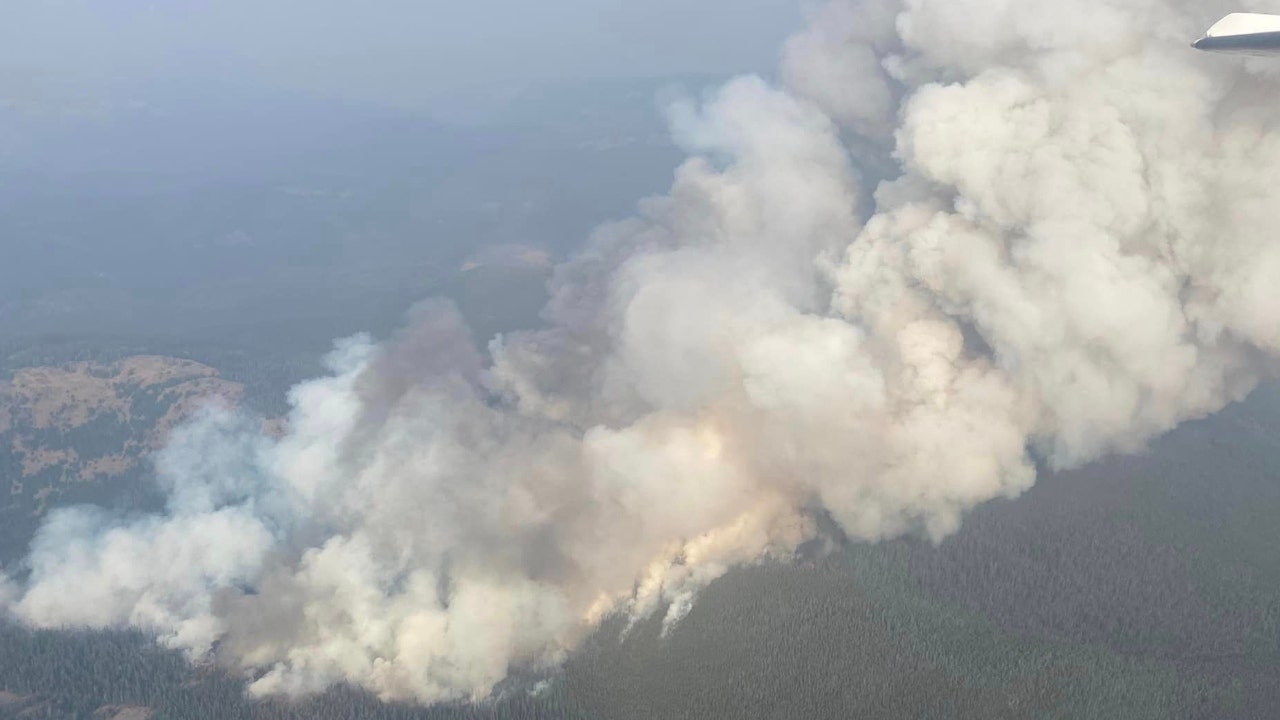
In certain seasons, you might encounter smoke from agricultural activities or prescribed burns conducted by land management agencies.
- Agricultural Burning: Farmers may burn crop residues after harvest to clear fields for the next planting season. This practice is more common in agricultural areas and is typically done under controlled conditions with permits. The smoke from these burns is usually short-lived and localized.
- Prescribed Burns: Forest managers use prescribed burns, also known as controlled burns, as a tool to manage forest health. These are planned fires set under specific weather conditions to reduce fuel loads, prevent larger wildfires, and promote ecosystem health. While carefully managed, they can sometimes produce noticeable smoke in surrounding areas. These are usually announced in advance by agencies like the U.S. Forest Service.
These types of burns are generally less concerning than wildfires, as they are managed and their impact is more predictable. However, it’s still wise to be aware of any local announcements regarding such activities if you are staying in rural or forested areas of Montana.
Residential Fireplaces and Wood Stoves
During cooler months, particularly in the fall and winter, the scent of woodsmoke from residential fireplaces and wood stoves becomes a familiar part of the Montana lifestyle. Many residents in towns and rural areas rely on wood heat for comfort and warmth.
- Seasonal Use: As temperatures drop, the use of wood-burning appliances increases. This can lead to a noticeable increase in localized smoke, especially in the evenings when people are heating their homes.
- Air Quality Impacts: While typically not a widespread problem, in valleys or areas with inversions (where a layer of warm air traps cooler air and pollutants near the ground), this localized smoke can sometimes contribute to poor air quality on a local level. Many communities in Montana have air quality advisories for wood smoke during winter months.
This type of smoke is an intrinsic part of the Montana experience for many, contributing to a cozy, rustic ambiance. However, for those sensitive to smoke, it can be a factor to consider when choosing accommodation or planning outdoor activities in certain towns.
Navigating Montana with Smoke in the Air
Experiencing smoke during your visit to Montana doesn’t have to derail your plans. With a little preparation and awareness, you can still enjoy the incredible attractions the state has to offer.
Adapting Your Travel Plans
The key to enjoying Montana during smoke events is flexibility and informed decision-making.
- Check Air Quality Daily: Before heading out for the day, make it a habit to check the air quality index. Websites like AirNow.gov provide real-time data and forecasts. If the air quality is poor, consider alternative activities.
- Indoor Activities: Montana offers a surprising array of indoor attractions. Museums in cities like Helena or Billings, art galleries, local breweries and distilleries, and cozy cafes provide excellent opportunities to immerse yourself in the local culture without being exposed to smoke. Many hotels also offer amenities like indoor pools or lounges perfect for a smoky day.
- Scenic Drives: Even with smoke, a scenic drive can still be enjoyable. While the panoramic vistas might be somewhat obscured, the experience of driving through areas like the Beartooth Highway or past the iconic Glacier National Park offers a glimpse into the grandeur of Montana’s landscapes. Just be mindful of reduced visibility, especially on mountain roads.
- Prioritize Well-being: If you have respiratory issues, take extra precautions. Consider purchasing an N95 mask, which can significantly filter out fine particulate matter from wildfire smoke. Limit strenuous outdoor activity and stay hydrated.

Accommodation and Lifestyle Considerations
Your choice of accommodation and overall travel style can also be influenced by smoke conditions.
- Air-Purified Lodging: Some hotels and vacation rentals in Montana are increasingly offering air purification systems, particularly in rooms. When booking, inquire about these amenities if smoke is a concern. Consider staying in larger towns or cities that might have better air circulation or more indoor options.
- Embrace the Local Lifestyle: While the grand outdoor adventures might be temporarily sidelined, smoke can be an opportunity to experience Montana at a different pace. Spend time in local diners, explore charming bookstores, or attend a community event. The resilience and spirit of Montana residents shine through, and adapting to the smoke is part of that.
- Budget vs. Luxury: Whether you’re on a budget or seeking a luxury escape, there are ways to manage. Budget travelers might find more affordable options in less affected areas, or focus on indoor activities and picnic lunches. Luxury travelers might opt for resorts with excellent indoor amenities, fine dining, and spa services to ensure comfort regardless of outdoor conditions.
In conclusion, while the smell of smoke in Montana today is most likely a consequence of wildfires, understanding the various potential sources allows for better preparation and a more informed travel experience. By staying connected to real-time information, being flexible with your plans, and prioritizing your well-being, you can still uncover the magic and rugged beauty that makes Montana a truly unforgettable destination.
LifeOutOfTheBox is a participant in the Amazon Services LLC Associates Program, an affiliate advertising program designed to provide a means for sites to earn advertising fees by advertising and linking to Amazon.com. Amazon, the Amazon logo, AmazonSupply, and the AmazonSupply logo are trademarks of Amazon.com, Inc. or its affiliates. As an Amazon Associate we earn affiliate commissions from qualifying purchases.