
When picturing a landscape dominated by towering peaks, dramatic inclines, and snow-capped summits, Nebraska might not be the first state that springs to mind. Indeed, the very name “Nebraska” evokes images of vast, rolling plains, endless horizons, and an agrarian heartland. For many, the idea of mountains in this Midwestern state seems inherently contradictory. However, to dismiss Nebraska as a purely flat expanse would be to overlook a more nuanced geographical reality and to miss out on some unique natural wonders that, while not reaching the dizzying heights of the Rockies, certainly offer their own compelling brand of elevation and scenic beauty. The question “Are there mountains in Nebraska?” therefore requires a more in-depth exploration, moving beyond simplistic definitions to appreciate the geological tapestry of this often underestimated state.
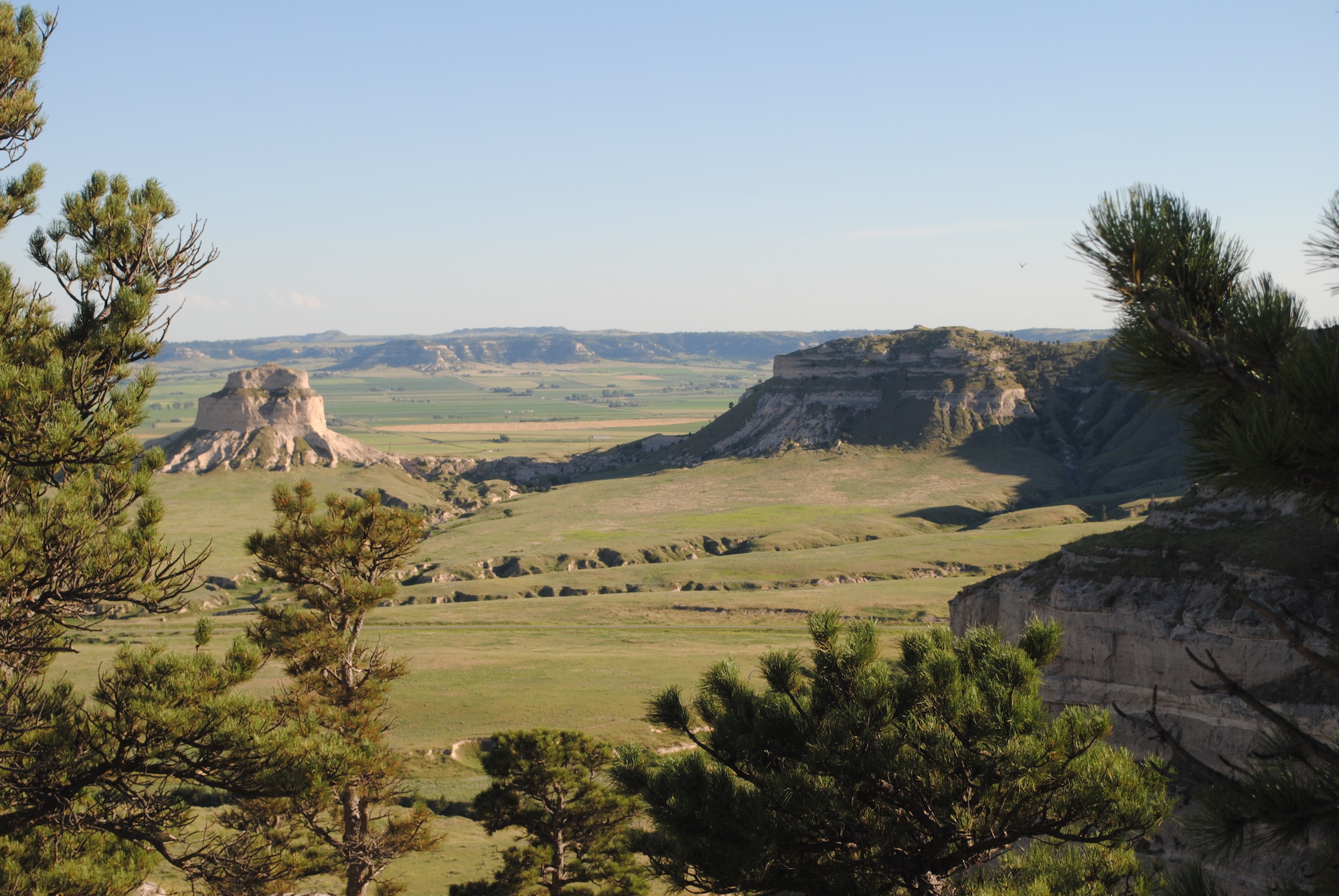
The popular perception of Nebraska is largely shaped by its agricultural dominance and its position in the Great Plains. When we think of “mountains,” we often conjure images of the jagged silhouettes of the Rocky Mountains, the dramatic escarpments of the Appalachian Mountains, or the iconic peaks of the Alps. These are geological formations characterized by significant vertical relief, often thousands of feet above sea level, and typically formed by tectonic uplift or volcanic activity. By this common definition, Nebraska does not possess traditional mountain ranges in the same vein as these famous locales. The state’s elevation generally ranges from around 800 feet in the east to over 5,000 feet in the west, with the highest point being Panorama Point near the border with Colorado and Wyoming. While significant, this elevation gain is gradual and spread over vast distances, contributing to the characteristic prairie landscape.
However, the definition of “mountain” can be more fluid, encompassing not just sheer verticality but also striking topographical features that break the monotony of flat terrain. Nebraska boasts several regions where the land rises dramatically, forming formations that, in many contexts, would be considered hills or even smaller mountains. These areas offer a different kind of grandeur, one that emphasizes the sculpted beauty of the land and provides distinct natural attractions for travelers, outdoor enthusiasts, and history buffs alike.
Exploring Nebraska’s Elevated Landscapes
To truly answer the question of whether Nebraska has mountains, we need to look at its unique geological formations and regions that offer significant elevation changes and dramatic scenery. While you won’t find ski resorts or alpine meadows in the conventional sense, you will discover areas of striking natural beauty that provide a sense of elevation and a departure from the typical prairie landscape. These areas often tell a story of the state’s geological past, carved by ancient rivers, wind, and the slow, inexorable forces of erosion.
The Sandhills: A Sea of Undulating Terrain
Perhaps the most significant and visually striking elevated region in Nebraska is the Nebraska Sandhills. This vast area, covering approximately a quarter of the state, is a unique ecological region characterized by rolling sand dunes, some reaching considerable heights, interspersed with verdant grasslands and numerous lakes. While technically sand dunes, their scale and the undulating nature of the landscape create a dramatic topographical experience. The Sandhills are not a mountain range formed by tectonic forces, but rather a colossal natural phenomenon shaped by wind over millennia, depositing and reshaping sand.
The dunes in the Sandhills can reach heights of over 300 feet, and the constant movement of sand by the wind creates a dynamic and ever-changing environment. While they might not fit the strict geological definition of mountains, their sheer scale and the undulating vistas they present offer a sense of elevation and a distinct break from flat terrain. Traveling through the Sandhills provides a feeling of being in a vast, sculpted landscape where the land rises and falls in sweeping curves. This region is not just about the dunes; it’s also home to a unique ecosystem of grasses, wildflowers, and wildlife, making it a prime destination for nature lovers and those seeking a unique travel experience.
For visitors, exploring the Sandhills can feel like traversing a different planet. The visual impact of the endless rolling dunes, often covered in a blanket of green grass, is profound. Activities in this region often revolve around appreciating its natural beauty. Camping, hiking, and photography are popular pastimes. For those interested in the sheer scale of this geological marvel, visiting places like the Buffalo Commons National Grassland allows for an immersive experience. The Sandhills also play a crucial role in the state’s water system, with many lakes and wetlands forming within the dune valleys.
The Pine Ridge District: “Mountains” of the Panhandle
Moving to the western part of the state, specifically the Nebraska Panhandle, we encounter a region that is perhaps the closest Nebraska gets to traditional mountain-like topography. The Pine Ridge District is characterized by rugged buttes, steep canyons, and heavily wooded hills that rise dramatically from the surrounding plains. While these formations are often referred to as “badlands” or “hills,” their imposing presence and the significant elevation changes they offer are a stark contrast to the rest of the state.
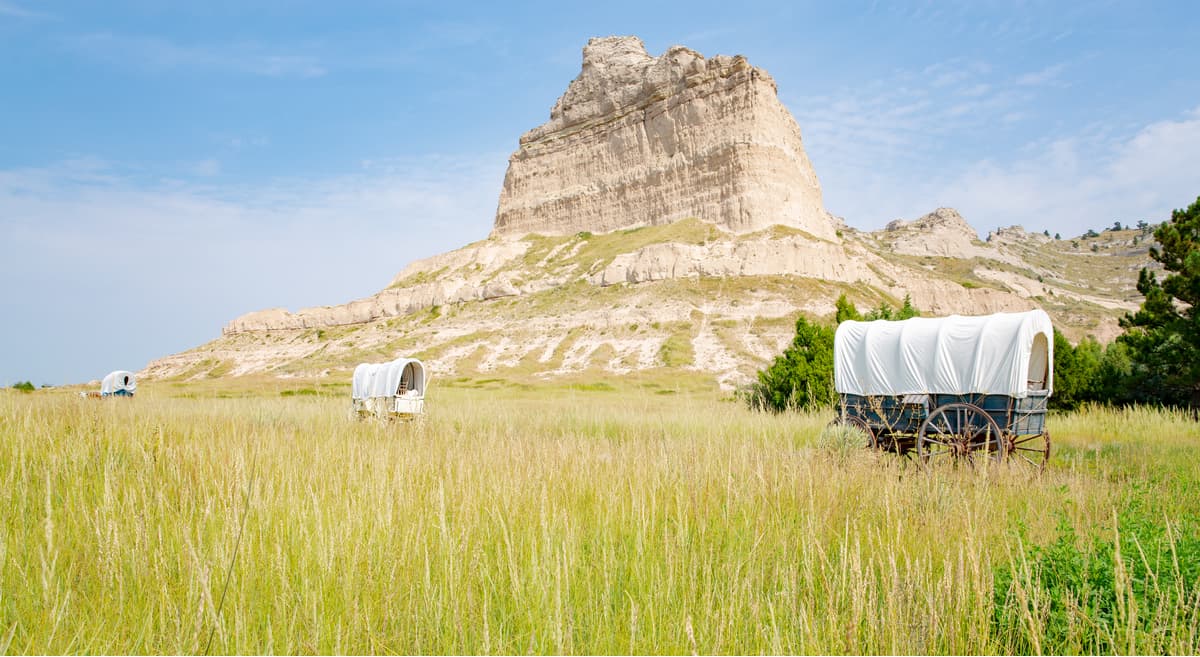
The geology of the Pine Ridge is a testament to the power of erosion. Over millions of years, wind and water have carved into the sedimentary rock layers, creating the distinctive formations seen today. Prominent features include Scotts Bluff National Monument and Chimney Rock National Historic Site, both iconic landmarks that, while not mountains themselves, are significant geological outcroppings that rise hundreds of feet above the surrounding terrain. These natural monuments served as crucial landmarks for pioneers traveling the Oregon Trail, the California Trail, and the Mormon Trail, adding a rich layer of history to their natural grandeur.
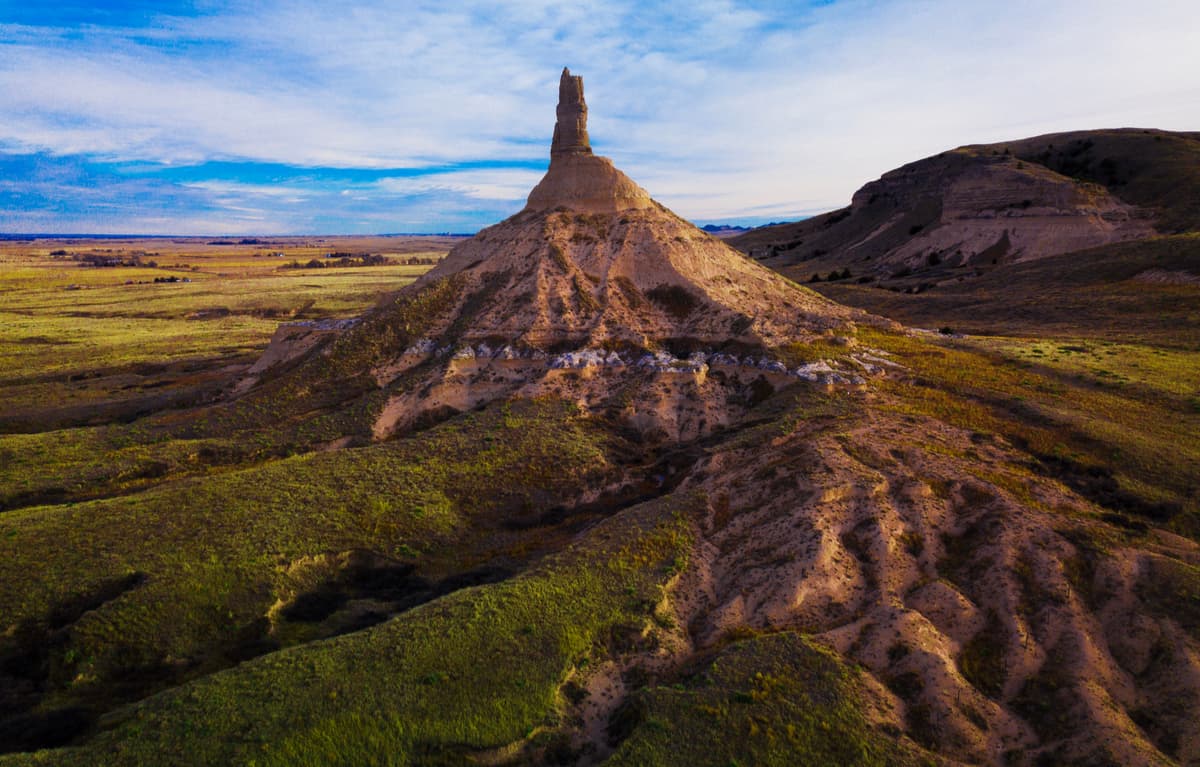
Scotts Bluff National Monument, for instance, is a series of prominent bluffs that stand over 800 feet above the surrounding valley floor. Hiking trails wind through these formations, offering breathtaking panoramic views of the Panhandle and the plains beyond. The visitor center at Scotts Bluff provides in-depth information about the area’s geology, history, and ecology. Similarly, Chimney Rock, a towering spire of rock, is another remarkable geological feature that offers a sense of verticality and a dramatic natural spectacle.
The Pine Ridge is also home to dense forests, particularly ponderosa pines, which contribute to its unique character and provide a habitat for diverse wildlife. This forested environment, coupled with the rugged terrain, creates a sense of remoteness and natural beauty that is distinct within Nebraska. For travelers seeking dramatic landscapes and a sense of elevation, the Pine Ridge District is an essential destination.
Beyond the Definition: Experiencing Elevation in Nebraska
While the term “mountain” might be a stretch for many of Nebraska‘s elevated features by strict geological standards, the experience of visiting these areas offers a profound sense of elevation, grandeur, and natural wonder. The subjective experience of a landscape’s “mountainousness” can be influenced by context and comparison. For someone accustomed to absolute flatness, the rolling dunes of the Sandhills or the steep escarpments of the Pine Ridge can certainly feel mountainous.
Recreational Opportunities and Natural Attractions
The elevated regions of Nebraska offer a surprising array of recreational activities and natural attractions that appeal to a wide range of visitors. From outdoor adventures to historical exploration, these areas provide unique experiences that showcase the state’s diverse geography.
In the Sandhills, activities often center around its vastness and natural beauty. Ranching is a primary industry, and experiencing this way of life can be an attraction in itself. Opportunities for horseback riding are plentiful, allowing visitors to traverse the dunes and grasslands, mimicking the movements of the land. Birdwatching is also a popular pastime, with numerous species finding refuge in the wetlands and prairies. For those seeking a more tranquil experience, scenic drives through the Sandhills offer unparalleled views of the undulating landscape, especially at sunrise and sunset. The numerous lakes within the Sandhills also provide opportunities for fishing, boating, and swimming, offering a refreshing contrast to the dry dunes. Consider a stay at a local ranch resort for an authentic experience.
The Pine Ridge District offers more rugged outdoor adventures. Hiking trails abound, leading visitors through canyons and up to scenic overlooks. The geological formations themselves are a major attraction, drawing photographers and nature enthusiasts. Exploring Agate Fossil Beds National Monument, for instance, offers a glimpse into the prehistoric past, revealing fossils of ancient mammals that roamed the region millions of years ago. This site, set within a landscape of rolling hills and dissected by creeks, further emphasizes the varied topography of the area. For history buffs, visiting Scotts Bluff National Monument and Chimney Rock National Historic Site provides a connection to the westward expansion of the United States and the iconic journeys of pioneers. The historical significance of these natural landmarks elevates them beyond mere geological curiosities.
Accommodation and Travel Tips
When planning a trip to explore Nebraska‘s elevated regions, consider how you’ll experience the landscape and where you’ll stay. Accommodation options range from rustic campgrounds and charming bed and breakfasts to more established hotels and resorts, depending on the specific location and your travel style.
For those venturing into the Sandhills, options might include charming lodges or rural inns that offer a taste of local hospitality. Booking in advance is advisable, especially during peak seasons. Some ranches also offer guest accommodations, providing a unique opportunity to immerse oneself in the ranching lifestyle. In the Panhandle, towns like Scottsbluff offer a wider range of hotels and motels. Again, early booking is recommended, particularly if you plan to visit during popular times like historical reenactments or local festivals.
When traveling through these regions, it’s important to be prepared for the elements. The weather in Nebraska can be unpredictable, with significant temperature fluctuations between day and night, especially in the western parts of the state. Comfortable walking shoes are essential for exploring the natural attractions. Carrying water and sun protection is also crucial, as much of the terrain is exposed. For those interested in a more luxurious or budget-friendly travel experience, Nebraska offers a spectrum of options. From glamping opportunities in more remote areas to comfortable chain hotels in larger towns, the state caters to various preferences.
In conclusion, while Nebraska may not be synonymous with towering mountain ranges, it certainly offers landscapes that evoke a sense of elevation and dramatic natural beauty. The Nebraska Sandhills present a unique, undulating terrain of colossal sand dunes, while the Pine Ridge District in the Panhandle features rugged buttes and canyons that rise significantly above the surrounding plains. These regions, rich in geological history and natural wonders, provide compelling reasons to visit and explore. So, to answer the question definitively: while you won’t find the Alps or the Himalayas in Nebraska, you will find elevated landscapes that offer a remarkable and often surprising travel experience, proving that beauty and grandeur can be found in unexpected places.
LifeOutOfTheBox is a participant in the Amazon Services LLC Associates Program, an affiliate advertising program designed to provide a means for sites to earn advertising fees by advertising and linking to Amazon.com. Amazon, the Amazon logo, AmazonSupply, and the AmazonSupply logo are trademarks of Amazon.com, Inc. or its affiliates. As an Amazon Associate we earn affiliate commissions from qualifying purchases.