
Embarking on a new business venture in the picturesque state of Nebraska can be an exciting journey. Whether your passion lies in showcasing the unique beauty of the Great Plains, curating unforgettable travel experiences, or establishing a sought-after accommodation, forming a Limited Liability Company (LLC) is a fundamental step towards securing your enterprise and ensuring its long-term success. This guide will navigate you through the process of establishing an LLC in Nebraska, offering insights relevant to entrepreneurs in the travel, hospitality, and lifestyle sectors.
Understanding the Benefits of an LLC for Your Nebraska Business
Before diving into the procedural aspects, it’s crucial to understand why an LLC is a popular choice for business owners, particularly those in industries focused on experiences and services.
1. Liability Protection: Safeguarding Your Personal Assets
One of the most significant advantages of an LLC is the shield it provides between your personal assets and your business’s debts and liabilities. Imagine a scenario where a traveler experiences an unfortunate incident during a tour you’ve organized in Omaha, or a guest encounters an issue at a vacation rental you manage near the Scott Bluff National Monument. Without an LLC, your personal savings, home, and other assets could be at risk. By forming an LLC, you create a separate legal entity. This means that creditors and claimants can generally only pursue the assets of the LLC, leaving your personal wealth protected. This separation is paramount for peace of mind, allowing you to focus on delivering exceptional travel, accommodation, and tourism experiences without the constant worry of personal financial exposure.
2. Pass-Through Taxation: Simplified Financials
For many small businesses, the tax structure of an LLC is a welcome relief. Unlike traditional corporations, LLCs are typically treated as “pass-through” entities for tax purposes. This means that the business itself does not pay income tax. Instead, the profits and losses are “passed through” to the owners’ personal income tax returns. This avoids the potential for “double taxation” that can occur with C-corporations, where profits are taxed at the corporate level and then again when distributed to owners as dividends. This simplification can be particularly beneficial for new businesses still finding their financial footing. You’ll be able to report your business income and expenses on your personal tax return, making tax preparation more straightforward, especially if you are operating a sole proprietorship or a partnership before forming your LLC.
3. Flexibility and Simplicity: Managing Your Business Your Way
Nebraska’s LLC laws offer a good degree of flexibility in how you manage your business. You can choose how your LLC will be taxed, including being taxed as a sole proprietorship, partnership, or even an S-corporation, allowing you to adapt your tax strategy as your business grows. Furthermore, the administrative requirements for an LLC are generally less burdensome than those for a corporation. You won’t have the same stringent rules regarding mandatory annual meetings, extensive record-keeping, or complex corporate formalities. This allows you to dedicate more of your time and resources to what matters most: creating exceptional travel guides, booking comfortable resorts in charming towns like Scottsbluff, developing unique local tourism experiences, or managing high-quality accommodation options.
The Practical Steps to Forming Your Nebraska LLC
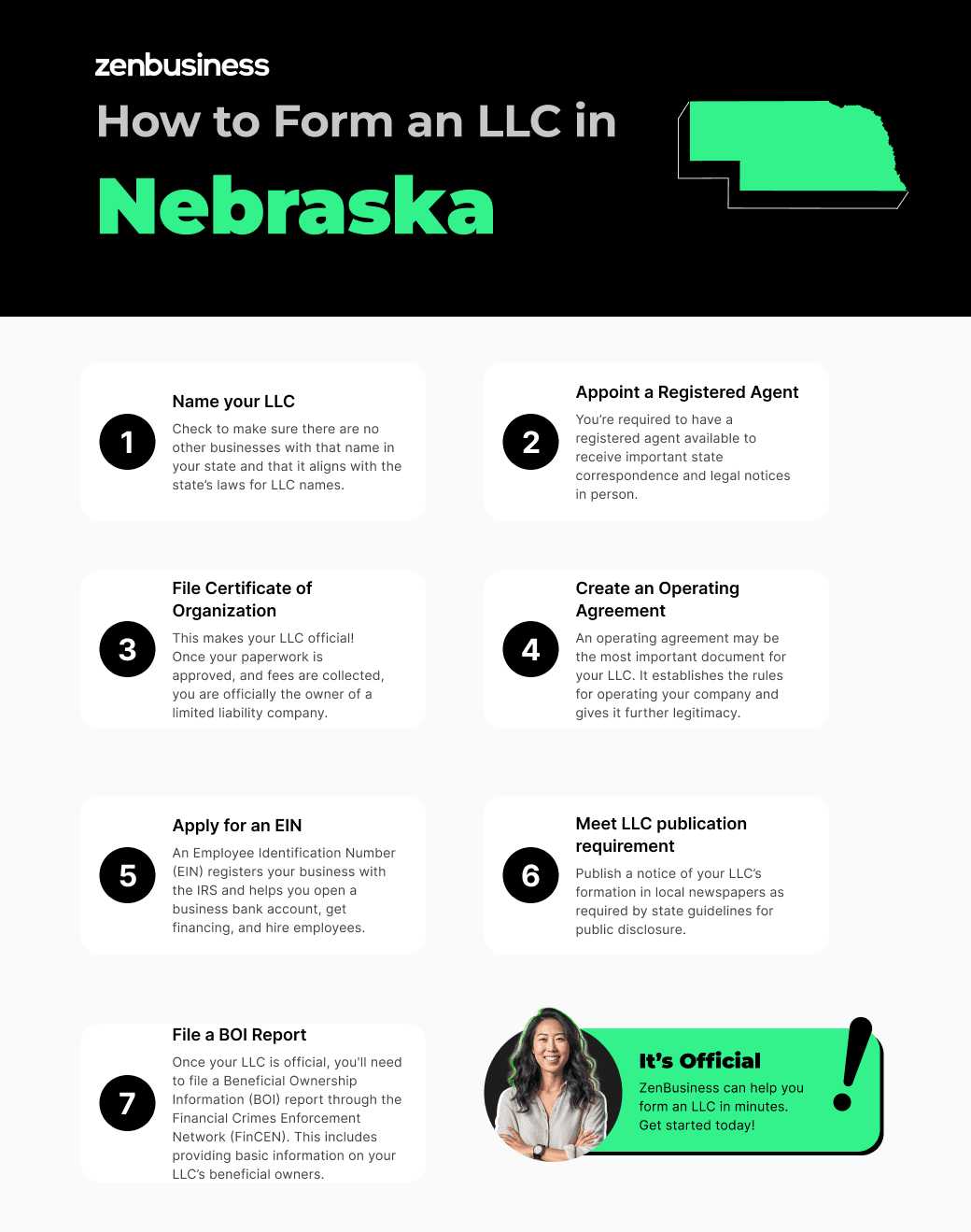
Now that you understand the benefits, let’s outline the essential steps to officially establish your LLC in Nebraska.
1. Choosing a Business Name: Reflecting Your Brand
Your business name is your first brand impression. In Nebraska, your LLC name must be distinguishable from other business names already on file with the Secretary of State. It must also include a designator indicating it is an LLC, such as “Limited Liability Company,” “LLC,” or “L.L.C.”
Key Considerations for Naming:
- Uniqueness: Conduct a thorough search of the Nebraska Secretary of State’s business database to ensure your chosen name is available. This will prevent potential conflicts and the need for rebranding later.
- Relevance: Does the name reflect your business? If you’re focusing on luxury travel, a name that evokes sophistication might be appropriate. If your niche is budget-friendly family trips, a more accessible name would be suitable.
- Availability of Domain Name and Social Media Handles: In today’s digital age, securing a matching domain name for your website (e.g., yourbusiness.com) and relevant social media handles is crucial for building a strong online presence. This is especially important for businesses in the travel and lifestyle sectors.
- Consider a “Doing Business As” (DBA) Name: If you plan to operate under a name different from your official LLC name, you’ll need to register a DBA.
2. Appointing a Registered Agent: Your Official Contact Point
Every Nebraska LLC must have a registered agent. This individual or company is responsible for receiving official legal and tax documents on behalf of your LLC. The registered agent must have a physical street address in Nebraska (a P.O. Box is not sufficient) and be available during normal business hours to accept service of process.
Who Can Be a Registered Agent?
- An individual resident of Nebraska.
- A domestic or foreign business entity authorized to do business in Nebraska.
You can choose to serve as your own registered agent if you meet the requirements, but many businesses opt for a professional registered agent service. This ensures that important documents are received promptly and reliably, especially if you are frequently traveling to scout new destinations or manage remote properties.

3. Filing the Articles of Organization: The Official Birth Certificate
The most critical step in forming your LLC is filing the Articles of Organization with the Nebraska Secretary of State. This document officially creates your LLC and makes it a legal entity.
Information Typically Required in the Articles of Organization:
- Name of the LLC: The unique name you’ve chosen.
- Name and Address of the Registered Agent: As discussed above.
- Principal Office Address: The primary business address of your LLC.
- Name and Address of the Organizer(s): The person(s) filing the document.
- Management Structure: Whether the LLC will be member-managed or manager-managed.
- Member-Managed: All members have the authority to run the business.
- Manager-Managed: One or more designated managers (who may or may not be members) are responsible for day-to-day operations.
The Nebraska Secretary of State’s website provides the necessary forms and instructions for filing. There is a filing fee associated with this process, which can vary. It’s always advisable to check the current fee schedule on their official website.
4. Creating an Operating Agreement: The Internal Rulebook
While not legally required by the state of Nebraska for an LLC, an Operating Agreement is a highly recommended internal document. It outlines the ownership structure, management responsibilities, profit and loss distribution, and operating procedures of your LLC.
Benefits of an Operating Agreement:
- Clarifies Ownership: Defines the percentage of ownership each member holds.
- Outlines Responsibilities: Clearly states the roles and duties of members and managers.
- Defines Profit and Loss Distribution: Details how profits and losses will be shared among members.
- Establishes Procedures for Dissolution: Lays out the process for winding down the business if necessary.
- Prevents Disputes: Provides a framework for resolving disagreements among members.
For businesses in the travel and tourism sector, this document can be invaluable for outlining how decisions are made regarding new tour packages, property acquisitions for accommodation, or marketing strategies.
Post-Formation Steps for Your Nebraska LLC
Once your Articles of Organization are approved, your LLC is officially formed. However, there are a few more essential steps to ensure your business is fully compliant and ready to operate.
1. Obtaining an EIN: Your Business Tax ID
An Employer Identification Number (EIN), also known as a Federal Tax Identification Number, is like a Social Security number for your business. You’ll need an EIN if you plan to hire employees, operate as a corporation or partnership for tax purposes, or open a business bank account. You can obtain an EIN for free from the Internal Revenue Service (IRS) website.
2. Opening a Business Bank Account: Maintaining Financial Separation
It is critical to keep your business finances separate from your personal finances. Open a dedicated business bank account for your LLC. This reinforces the liability protection offered by the LLC structure and makes accounting and tax preparation much simpler. You’ll typically need your Articles of Organization and your EIN to open the account.
3. Understanding State and Local Requirements: Compliance is Key
Beyond the state formation requirements, your business may need to comply with various other regulations. This can include:
- Business Licenses and Permits: Depending on the nature of your business and your location within Nebraska, you may need specific state or local licenses. For instance, a business offering guided tours in a state park might require a permit. A hotel or resort will certainly have licensing requirements.
- Sales Tax Permit: If you sell goods or services that are subject to sales tax in Nebraska, you’ll need to register with the Nebraska Department of Revenue to collect and remit sales tax.
- Industry-Specific Regulations: The tourism, hotel, and lifestyle industries can have their own specific regulations related to safety, health, and consumer protection. Researching these thoroughly is essential.

4. Staying Compliant: Annual Reports and Filings
While Nebraska doesn’t require annual reports for most LLCs, it’s crucial to stay informed about any ongoing filing requirements or fees that may apply. The Nebraska Secretary of State’s office is the best resource for the most up-to-date information on business compliance. Keeping your business in good standing with the state ensures your LLC’s legal status remains valid.
Starting an LLC in Nebraska is a manageable process that lays a strong foundation for your entrepreneurial endeavors. Whether you are inspired to develop unique travel itineraries, provide exceptional accommodation options, or showcase the rich tourism landscape of the state, understanding these steps will empower you to launch your business with confidence and legal protection. Remember to consult with legal and financial professionals to tailor advice to your specific business needs.
LifeOutOfTheBox is a participant in the Amazon Services LLC Associates Program, an affiliate advertising program designed to provide a means for sites to earn advertising fees by advertising and linking to Amazon.com. Amazon, the Amazon logo, AmazonSupply, and the AmazonSupply logo are trademarks of Amazon.com, Inc. or its affiliates. As an Amazon Associate we earn affiliate commissions from qualifying purchases.