
Navigating the intricacies of time zones can be a crucial aspect of travel planning, especially when venturing into less commonly discussed states like Nebraska. The seemingly simple question, “Is Nebraska on Central Time?”, opens a door to understanding the temporal landscape of the Cornhusker State and how it might impact your travel experiences, accommodation choices, and appreciation of its unique lifestyle. This article will delve into Nebraska’s time zone status, exploring its geographical implications, the practicalities for travelers, and how it intertwines with the state’s attractions, culture, and accommodation options.
Understanding Time Zones in Nebraska
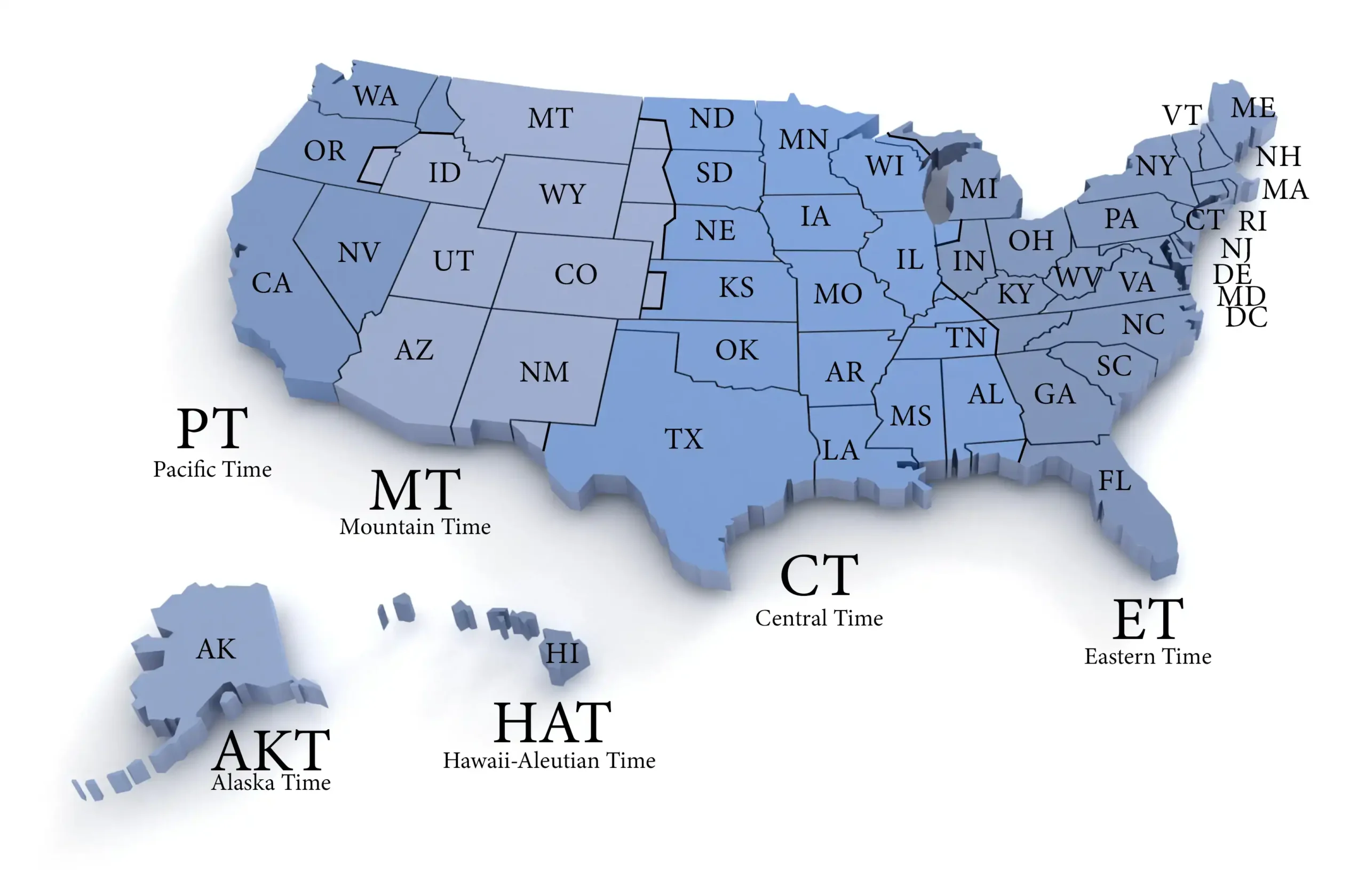
The United States, with its vast continental expanse, is divided into six primary time zones. The most significant divisions are Eastern Standard Time (EST), Central Standard Time (CST), Mountain Standard Time (MST), and Pacific Standard Time (PST). States often fall predominantly within one time zone, but some, due to their unique geographical or historical development, are split. This is precisely the case for Nebraska.
The Division of Nebraska: A Tale of Two Time Zones
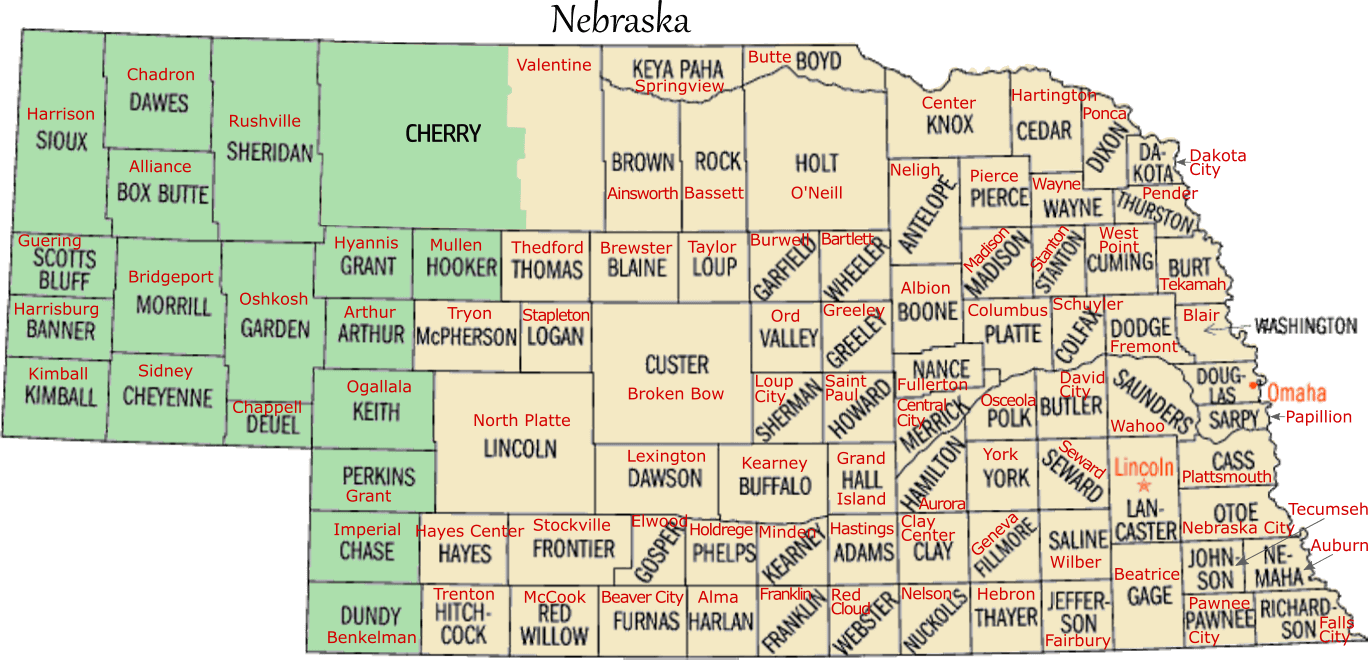
Unlike states that are entirely within a single time zone, Nebraska experiences a temporal duality. The vast majority of the state observes Central Standard Time (CST). This encompasses major cities like Omaha, Lincoln, and Grand Island, and the eastern two-thirds of the state. However, a distinct western portion of Nebraska, comprising roughly the western third of the state, operates on Mountain Standard Time (MST). This division is not arbitrary; it reflects historical settlement patterns and the practicalities of connecting with neighboring regions that observe different times.
The line of demarcation between CST and MST in Nebraska generally follows the western boundaries of the counties that lie west of the 103rd meridian. This means that if your travels take you to cities like Scottsbluff or Sidney in the western panhandle, you will be in the MST zone. Conversely, if your itinerary is focused on the more populated eastern and central regions, you will be firmly within CST. This distinction is vital for any traveler planning to traverse the state or engaging in activities that require precise timing, from booking flights to scheduling tours.
Why the Split? Historical and Geographical Influences
The presence of two time zones within Nebraska is a legacy of how time was standardized across the nation. As the country expanded westward, the need for consistent timekeeping for railroads, communication, and commerce became paramount. The establishment of time zones in the late 19th and early 20th centuries aimed to create uniformity, but the implementation wasn’t always straightforward.
For Nebraska, the split was influenced by its geographical position bordering states that were already operating on different time systems. The eastern part of Nebraska naturally aligned with the larger Central Time Zone, which covers a significant portion of the Midwest and South. The western part, however, had closer economic and social ties to the Mountain Time Zone states like Colorado and Wyoming. This practical consideration, along with the sheer geographical distance from the eastern population centers, contributed to the decision to place the western counties under MST. Understanding this historical context can add a layer of appreciation for the state’s development and its connection to both the Midwest and the Mountain West.
Practical Implications for Travelers
The existence of two time zones within Nebraska has several practical implications for travelers, impacting everything from booking accommodations to planning sightseeing excursions. Being aware of this temporal divide is key to a smooth and enjoyable trip.
Navigating Your Itinerary Across Time Zones
For travelers planning to visit multiple destinations within Nebraska, or even just transit through different time zones, meticulous planning is essential. If you are flying into an airport like Omaha Eppley Airfield (OMA) or Lincoln Airport (LNK), you will be arriving in CST. However, if your ultimate destination is in the western panhandle, such as visiting attractions like Chimney Rock National Historic Site, you’ll need to adjust your internal clock accordingly.
Consider the scenario of booking a hotel. While most major hotels in Omaha or Lincoln will operate on CST, a smaller, independent motel in Scottsbluff will be on MST. Double-checking the time zone of your specific destination is always advisable. This is particularly important for activities that have fixed start times. A guided tour booked for 9:00 AM in Omaha is different from a 9:00 AM start in Scottsbluff. A simple mistake could lead to missed opportunities or an awkward start to your day.
When utilizing online booking platforms for hotels or tours, ensure that the listed times are clearly indicated with the relevant time zone. If there’s any ambiguity, contacting the establishment directly is the best course of action. This diligence will save you stress and ensure you make the most of your time exploring Nebraska‘s diverse offerings.
Accommodation and Activities: Timing is Everything
The accommodation landscape in Nebraska is as varied as its geography. From luxury resorts in Omaha to charming bed and breakfasts in smaller towns, understanding the local time zone is crucial when making reservations. If you’re looking for a luxurious stay, options in Omaha like the Magnolia Hotel Omaha or a resort near Lincoln will adhere to CST. However, if your travel plans extend to the western part of the state, seeking out accommodations in cities like Gering or Alliance will place you under MST.
Similarly, attractions and local activities are subject to the prevailing time zone. Visiting the Strategic Air Command & Aerospace Museum near Ashland will be on CST. In contrast, exploring the natural beauty of the Scott’s Bluff National Monument near Scottsbluff will be in MST. This is why consulting local tourism websites or the official pages of attractions is a wise move. They will invariably provide operating hours and activity schedules specific to their location’s time zone.
For families planning trips, this can add an extra layer of consideration. Managing children’s schedules, nap times, and meal times becomes slightly more complex when crossing time zones. Planning a picnic at a scenic spot in western Nebraska requires factoring in the MST schedule, while enjoying a culinary experience in Omaha will be dictated by CST. Even for business stays, meetings scheduled across the state will necessitate clear communication about the correct time zone to avoid misunderstandings.
Leveraging the Lifestyle and Tourism Aspects
Nebraska offers a rich tapestry of lifestyle and tourism experiences, and understanding its time zone nuances can enhance your engagement with these aspects. The state’s agricultural heartland, its burgeoning urban centers, and its historical landmarks all have rhythms dictated by the clock.
Experiencing Nebraska’s Culture and Landmarks
The cultural fabric of Nebraska is deeply rooted in its history and its connection to both agricultural and modern life. In the east, you can immerse yourself in the vibrant arts scene of Omaha, explore the historic Old Market district, or visit the Joslyn Art Museum. These experiences will all be timed according to CST. As you move west, the narrative shifts towards a more frontier-influenced history. The Carnegie Hall in Alliance, a historical landmark, operates under MST, as do the visitor centers for geological wonders like Scotts Bluff National Monument.
Food tourism in Nebraska is another area where time zones play a subtle role. Enjoying a hearty steak dinner in a renowned Omaha restaurant at 7:00 PM CST is different from experiencing a similar culinary delight in Scottsbluff at 7:00 PM MST, which is effectively an hour earlier in terms of the sun’s position. Local farmers’ markets, typically held in the morning, will have different opening hours depending on whether you are in the eastern or western part of the state.
When planning your exploration of Nebraska‘s landmarks, whether natural wonders or historical sites, always verify their operating hours in the local time zone. This will ensure you don’t arrive too early or too late, maximizing your opportunities to appreciate the state’s unique attractions. The Pioneers Park Nature Center near Lincoln will operate on CST, while the Fort Robinson State Park in the western panhandle will be on MST.

Budget and Luxury Travel Considerations
Whether you’re a budget traveler or seeking a luxury experience, Nebraska has options, and time zones can subtly influence your planning. For budget travelers, understanding the time difference can sometimes be advantageous. For instance, if you’re looking for last-minute deals on accommodations, checking prices for hotels in a town on MST might offer different availabilities or pricing structures compared to larger cities on CST.
Luxury travelers might be interested in exclusive resorts or fine dining experiences. Many of these establishments will be concentrated in Omaha and Lincoln, operating under CST. However, for those seeking a more remote and tranquil luxury escape in the western part of the state, you would need to be mindful of the MST schedule when booking spa treatments or arranging for private excursions.
Ultimately, Nebraska offers a compelling blend of Midwestern charm and Western frontier spirit. While the question “Is Nebraska on Central Time?” might seem straightforward, the reality is a nuanced temporal landscape that, when understood, can only enhance your travel experience. By paying attention to the state’s two time zones, you can plan more effectively, avoid potential hiccups, and fully immerse yourself in the diverse attractions, accommodations, and lifestyle that Nebraska has to offer. Whether you’re drawn to the bustling energy of Omaha or the vast open skies of its western reaches, a little temporal awareness will go a long way.
LifeOutOfTheBox is a participant in the Amazon Services LLC Associates Program, an affiliate advertising program designed to provide a means for sites to earn advertising fees by advertising and linking to Amazon.com. Amazon, the Amazon logo, AmazonSupply, and the AmazonSupply logo are trademarks of Amazon.com, Inc. or its affiliates. As an Amazon Associate we earn affiliate commissions from qualifying purchases.