
Embarking on a new career path can be a transformative journey, especially when it opens doors to a lifestyle filled with flexibility, exciting opportunities, and a deep connection to vibrant communities. For many who dream of a life that combines professional success with the freedom to explore, invest, and experience diverse cultures, obtaining a real estate license in Texas offers an unparalleled gateway. Beyond merely facilitating property transactions, a Texas real estate license can be the key to curating your ideal lifestyle, whether that involves specializing in vacation rentals, brokering deals for unique boutique hotels, or simply enjoying the flexibility to travel while building a thriving business.
Texas is more than just a state; it’s a sprawling tapestry of cultures, landscapes, and economic dynamism, making its real estate market particularly appealing for those with an entrepreneurial spirit and a penchant for travel and diverse experiences. From the bustling metropolises of Houston and Dallas to the live music capital of Austin and the historic charm of San Antonio, the state offers a rich array of properties and opportunities. Imagine helping someone find their perfect Texas Hill Country retreat, an investment property on the Gulf Coast for short-term rentals, or even advising on the acquisition of a new resort development. The possibilities are as vast and varied as Texas itself.
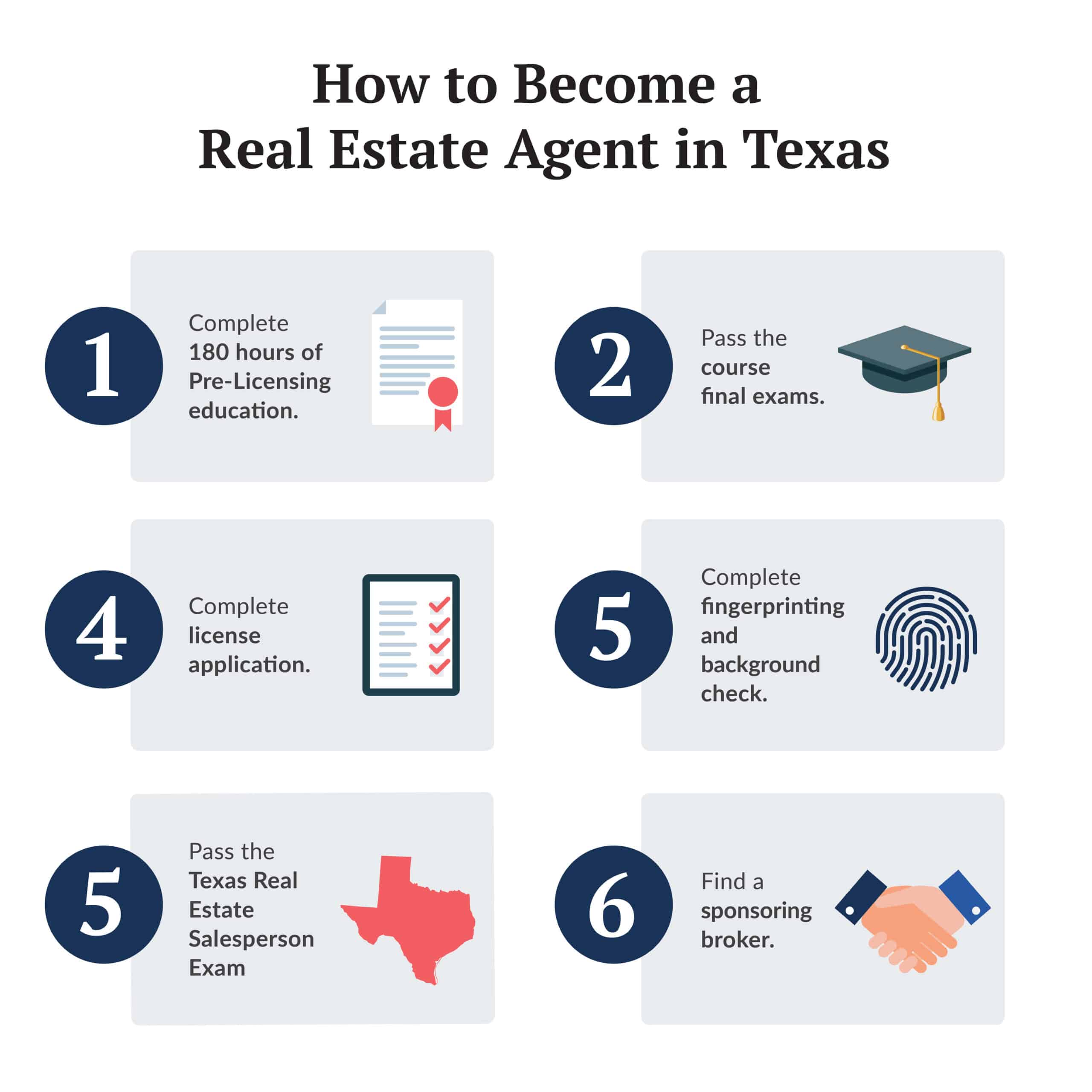
This comprehensive guide will walk you through the essential steps to secure your real estate license in Texas, while highlighting how this career can perfectly align with a lifestyle centered on travel, accommodation, and embracing diverse experiences.
Unlocking Opportunities: Why Texas Real Estate is a Lifestyle and Travel Venture
The decision to pursue a real estate license in Texas is often driven by a desire for financial independence and career flexibility. However, for those with a passion for travel, understanding different cultures, and appreciating diverse forms of accommodation, a real estate career in this dynamic state offers so much more. It’s a profession that can literally take you places, both within the vast expanse of Texas and, through the flexibility it offers, to destinations worldwide.
The Allure of Texas: More Than Just a Place to Live
Texas consistently ranks as one of the fastest-growing states in the U.S., attracting new residents and visitors with its robust economy, no state income tax, and unparalleled diversity. This growth fuels a vibrant real estate market ripe with opportunities for licensed professionals. But beyond the numbers, Texas itself is a destination.
Consider the energetic pulse of Austin, famous for its music scene and outdoor activities, which makes it a prime location for unique accommodations and investment properties. San Antonio, with its historic Riverwalk and iconic Alamo, draws millions of tourists annually, creating a demand for everything from charming bed-and-breakfasts to luxury hotel suites. Houston boasts world-class museums, the NASA Johnson Space Center, and a booming international business scene, driving demand for upscale urban living and corporate housing. Meanwhile, Dallas offers a cosmopolitan experience with its Dallas Arts District, high-end shopping, and major sports attractions.
Beyond the major cities, the serene beauty of the Texas Hill Country beckons with its wineries in Fredericksburg, charming small towns, and scenic landscapes, perfect for those seeking vacation homes or short-term rental investments. The Gulf Coast, with destinations like South Padre Island, is a perennial favorite for beach getaways and family trips, offering a dynamic market for beachfront properties. Even remote wonders like Big Bend National Park inspire a desire for unique, off-grid accommodations. As a real estate agent, you become an expert in these diverse micro-markets, helping clients find properties that match their lifestyle, travel aspirations, or investment goals.
A Gateway to Investment: From Vacation Rentals to Boutique Hotels
For those passionate about the accommodation sector, a real estate license in Texas is an invaluable asset. It equips you with the legal framework and market knowledge to identify, evaluate, and facilitate the purchase of various types of investment properties. Imagine specializing in vacation rentals in popular tourist hotspots like South Padre Island or the Texas Hill Country, helping investors acquire properties to list on platforms like Airbnb or VRBO. Your expertise can guide clients through zoning laws, local rental regulations, and property management considerations, transforming their investment dreams into thriving hospitality ventures.
Furthermore, a real estate license can be your entry point into commercial real estate, specifically the acquisition and sale of hotels, resorts, and other hospitality businesses. You could become the go-to expert for entrepreneurs looking to open a charming boutique hotel in Austin’s Sixth Street district, a luxury glamping resort near Big Bend National Park, or even larger branded properties under names like Marriott, Hilton, or Hyatt. This specialization merges your love for travel and unique accommodations with significant professional opportunities.
A Flexible Lifestyle: Real Estate as a Path to Freedom and Travel
One of the most attractive aspects of a real estate career is the potential for a flexible schedule and independent work environment. While it requires dedication and hard work, real estate often allows you to set your own hours, manage your own client base, and even work remotely when possible. This flexibility is a dream come true for travel enthusiasts.
Imagine structuring your workweek to allow for extended weekends exploring national parks, taking impromptu trips to nearby states, or even dedicating weeks to international travel. With the right systems and a supportive team, you can manage your business while on the go, utilizing technology to stay connected with clients and properties. A real estate license in Texas doesn’t just enable you to sell homes; it enables you to design a life where professional success and personal passions, like travel and discovering new places, coexist harmoniously. It fosters a true “life out of the box.”
Navigating the Path: Eligibility and Education for Your Texas License
The journey to becoming a licensed real estate agent in Texas is structured yet achievable. The Texas Real Estate Commission (TREC) oversees all licensing, ensuring that all agents meet stringent educational and ethical standards. Understanding these requirements is your first step toward transforming your aspirations into a tangible career.
Meeting the Core Requirements: Foundations for Your Journey
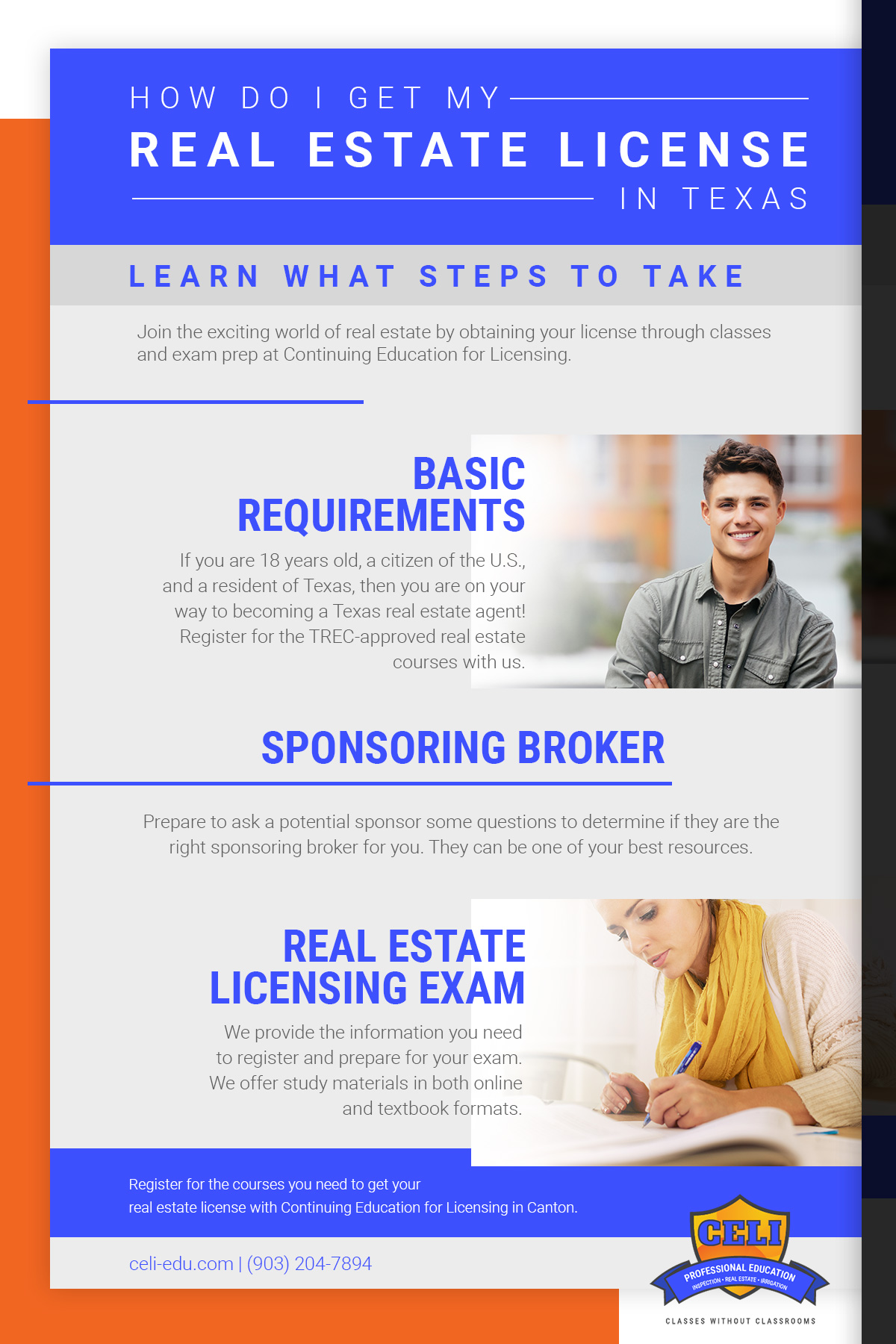
Before you even begin your education, you must meet TREC’s fundamental eligibility criteria. These are designed to ensure that all licensed agents are trustworthy and capable of handling significant financial transactions.
To be eligible for a Texas real estate sales agent license, you must:
- Be at least 18 years of age.
- Be a citizen of the United States or a lawfully admitted alien.
- Be a resident of Texas.
- Meet TREC’s qualifications for honesty, trustworthiness, and integrity. This involves a background check, which is a critical part of the application process.
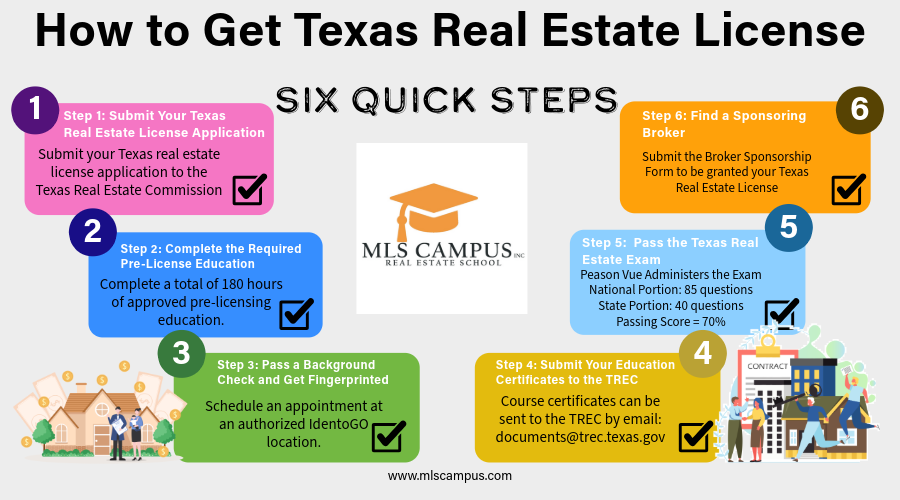
The background check, including fingerprinting through the Texas Department of Public Safety, is a non-negotiable step. If you have any criminal history, it’s advisable to complete a “Fitness Determination” request with TREC before enrolling in courses. This can save you time and money by clarifying your eligibility upfront. This foundational step ensures the integrity of the real estate profession, which is crucial when dealing with clients’ most significant investments, whether it’s a family home or a burgeoning hospitality venture.
Essential Education: Pre-Licensing Courses and What You’ll Learn
The core of your preparation for a Texas real estate license involves completing 180 hours of pre-licensing education. These hours are divided into six specific 30-hour courses, each designed to equip you with comprehensive knowledge of real estate principles and practices in Texas.
The required courses include:
- Principles of Real Estate I (30 hours): Covers the basics of real estate, including property rights, interests, and estates, as well as land use controls and legal descriptions.
- Principles of Real Estate II (30 hours): Delves deeper into topics like real estate contracts, agency relationships, and financing.
- Law of Agency (30 hours): Focuses specifically on the legal aspects of agency relationships between agents, brokers, and clients, a crucial ethical component for protecting consumers.
- Law of Contracts (30 hours): Essential for understanding the legally binding agreements involved in real estate transactions, from purchase agreements to lease contracts.
- Promulgated Forms (30 hours): Teaches you how to properly use the standardized forms required by TREC, ensuring compliance and clarity in transactions.
- Real Estate Finance (30 hours): Explores different types of loans, mortgage processes, and the financial aspects of property ownership.
You have the flexibility to complete these courses through various TREC-approved providers, including traditional classroom settings or, increasingly popular, online real estate schools. Online options, offered by reputable institutions like Real Estate School of Texas, Champions School of Real Estate, or Kaplan Real Estate Education, are particularly advantageous for those who value a flexible lifestyle. They allow you to study at your own pace, from anywhere in the world, making it easier to juggle your education with travel plans or other commitments. This self-paced learning model perfectly complements a “life out of the box” philosophy, enabling you to learn and grow without being tied to a fixed schedule or location.
The Application and Exam: Your Official Entrance into the Texas Market
Once your education is complete, the next phase involves submitting your official application to TREC and successfully passing the state licensing exam. These steps formalize your commitment and validate your readiness to serve clients in the Texas real estate market.
Submitting Your Application: Formalizing Your Ambition
After completing your 180 hours of pre-licensing education, you’ll apply for your license with TREC. This application will require:
- Proof of Education: Transcripts from your approved real estate school.
- Application Fee: Payment of the required TREC application fee.
- Fingerprints: Confirmation that you have completed your fingerprinting for the background check through the Texas Department of Public Safety.
TREC will review your application and background check. Once approved, you will receive authorization to schedule your licensing exam. This official approval signifies that you’ve met the preliminary requirements and are ready for the final hurdle. The entire application process emphasizes thoroughness, ensuring that all licensed agents uphold the integrity of the profession, which is vital when assisting clients with everything from selecting a cozy bed-and-breakfast investment to a luxurious resort property.
Conquering the Exam: Proving Your Expertise
The Texas Real Estate Sales Agent Exam is a comprehensive test designed to assess your knowledge of both general real estate principles and Texas-specific laws and practices. The exam is administered by PSI, a third-party testing service, and consists of two parts:
- National Portion: Covers universal real estate concepts, terminology, and practices (e.g., contracts, agency, finance).
- State Portion: Focuses specifically on Texas real estate laws, regulations, and TREC rules.
You’ll typically have a few hours to complete both sections, and you must pass both to earn your license. It’s crucial to study diligently, utilizing practice exams and review materials provided by your real estate school. Many candidates find the state-specific portion particularly challenging, so dedicate ample time to mastering Texas statutes and TREC rules.
Passing the exam is a testament to your acquired knowledge and readiness to operate effectively within the Texas real estate landscape. For those interested in specializing in vacation rentals or hospitality properties, this exam ensures you understand the legalities of property ownership and transfer that underpin all types of real estate investments, whether residential or commercial.
Beyond the License: Sponsoring Broker, Growth, and Specialization
Obtaining your real estate license is a significant achievement, but it’s just the beginning. The next crucial steps involve finding a sponsoring broker and committing to ongoing professional development, allowing you to carve out a niche that aligns with your lifestyle and travel interests.
Choosing Your Partner: The Importance of a Sponsoring Broker
In Texas, newly licensed real estate sales agents cannot operate independently. You must be sponsored by a licensed Texas real estate broker. Your sponsoring broker will be responsible for your activities, provide guidance, and offer invaluable mentorship as you start your career.
Choosing the right broker is paramount, especially if you have specific interests related to travel, unique accommodations, or investment properties. Consider brokers who:
- Specialize in relevant niches: Look for firms that focus on luxury properties, investment real estate, commercial ventures (like hotel sales), vacation rentals, or even properties in popular tourist destinations within Texas.
- Offer strong training and support: A good brokerage will provide ongoing education, marketing resources, and a supportive environment to help you grow.
- Have a culture that aligns with your lifestyle: Some brokerages are more traditional, while others embrace technology and offer greater flexibility, which might suit a travel-oriented lifestyle.
- Are well-established: Consider reputable firms like Keller Williams, RE/MAX, Coldwell Banker, or modern, tech-forward brokerages like eXp Realty which often provide robust virtual support ideal for flexible work.
Interviewing several brokers before making a decision is highly recommended. Ask about commission splits, marketing support, lead generation, and opportunities for specialization. Your sponsoring broker will be a key partner in shaping your success and allowing you to pursue those passion projects, whether it’s helping clients find a stunning Austin retreat or scouting potential boutique hotels for development.
Continuing Education and Specializations: Mastering Your Niche
The learning doesn’t stop once you get your license. TREC requires all agents to complete continuing education (CE) courses to renew their license every two years. This ensures that agents stay current with legal changes, market trends, and ethical practices. This ongoing education is an opportunity to deepen your expertise and explore specializations that align with your lifestyle goals.
Consider pursuing advanced designations or certifications offered by organizations like the National Association of REALTORS (NAR) or Texas REALTORS, such as:
- GRI (Graduate, REALTOR Institute): A prestigious designation that provides a solid foundation of advanced real estate knowledge.
- ABR (Accredited Buyer’s Representative): Focuses on working with buyer-clients, which is invaluable if you plan to help people find investment properties or vacation homes.
- Resort and Second-Home Property Specialist (RSPS): A direct fit for those interested in selling vacation properties and understanding the unique dynamics of resort markets.
- Commercial Investment Real Estate (CIREC): Ideal if you aspire to work with larger investment properties, including hotels and other hospitality assets.
By strategically pursuing continuing education and specialized designations, you can differentiate yourself in the market, attract clients who share your interests, and build a career that truly reflects your “life out of the box” philosophy. Whether you envision yourself as the go-to expert for Texas Hill Country wineries, a specialist in Gulf Coast vacation rentals, or a broker of unique accommodation experiences, your Texas real estate license is your passport to making those dreams a reality.
In conclusion, securing a real estate license in Texas is a structured process that, while requiring diligence and commitment, yields immense rewards. For those with an adventurous spirit and a love for travel, diverse cultures, and unique accommodations, this career path offers the perfect blend of professional fulfillment and personal freedom. It’s an invitation to explore the vast opportunities within one of the most exciting real estate markets in the United States, all while designing a life that truly allows you to live outside the box.
LifeOutOfTheBox is a participant in the Amazon Services LLC Associates Program, an affiliate advertising program designed to provide a means for sites to earn advertising fees by advertising and linking to Amazon.com. Amazon, the Amazon logo, AmazonSupply, and the AmazonSupply logo are trademarks of Amazon.com, Inc. or its affiliates. As an Amazon Associate we earn affiliate commissions from qualifying purchases.