
While the vast prairies and rich agricultural landscapes of Nebraska are often the stars of the show, there’s a smaller, feathered resident that proudly represents the state: the Western Meadowlark. This vibrant songbird, known for its melodious call and striking plumage, holds a special place in the hearts of Nebraskans and serves as a delightful emblem of the state’s natural beauty and rural charm. Its designation as the state bird is more than just an honorary title; it reflects a deep appreciation for the state’s native wildlife and the ecosystems that support them.
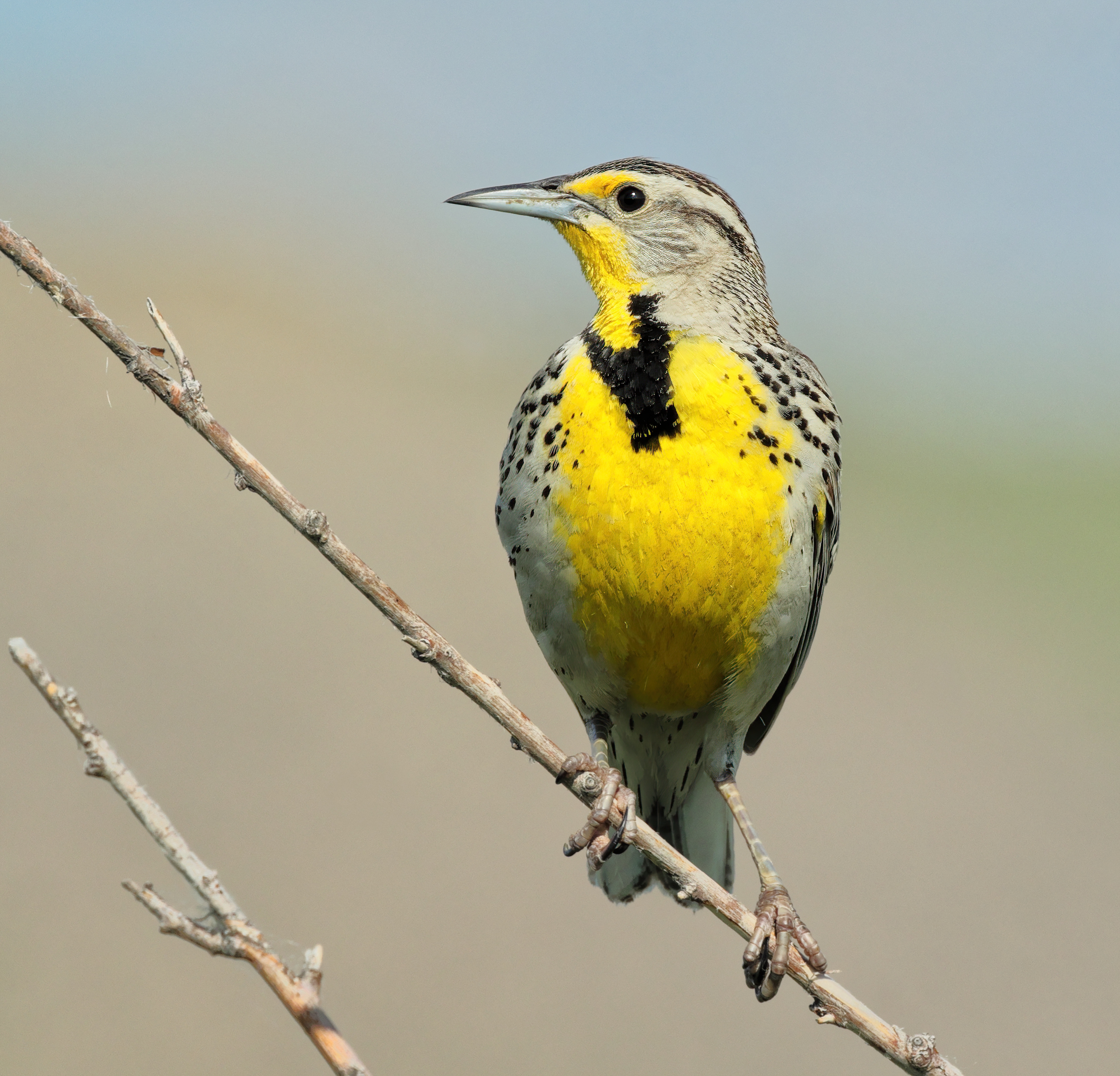
The journey to officially recognize the Western Meadowlark as Nebraska’s state bird was a process that involved public interest and legislative action. While the exact timeline might be a bit nuanced, the bird was officially adopted by the state in 1924. This was a period when many states were solidifying their symbols, seeking to capture the essence of their identity in tangible forms. The Western Meadowlark, with its widespread presence across the state’s open spaces, was a natural and fitting choice. It embodies the spirit of the American West and resonates with the agricultural heritage that defines much of Nebraska.
The Western Meadowlark: A Symbol of the Plains
Identification and Characteristics
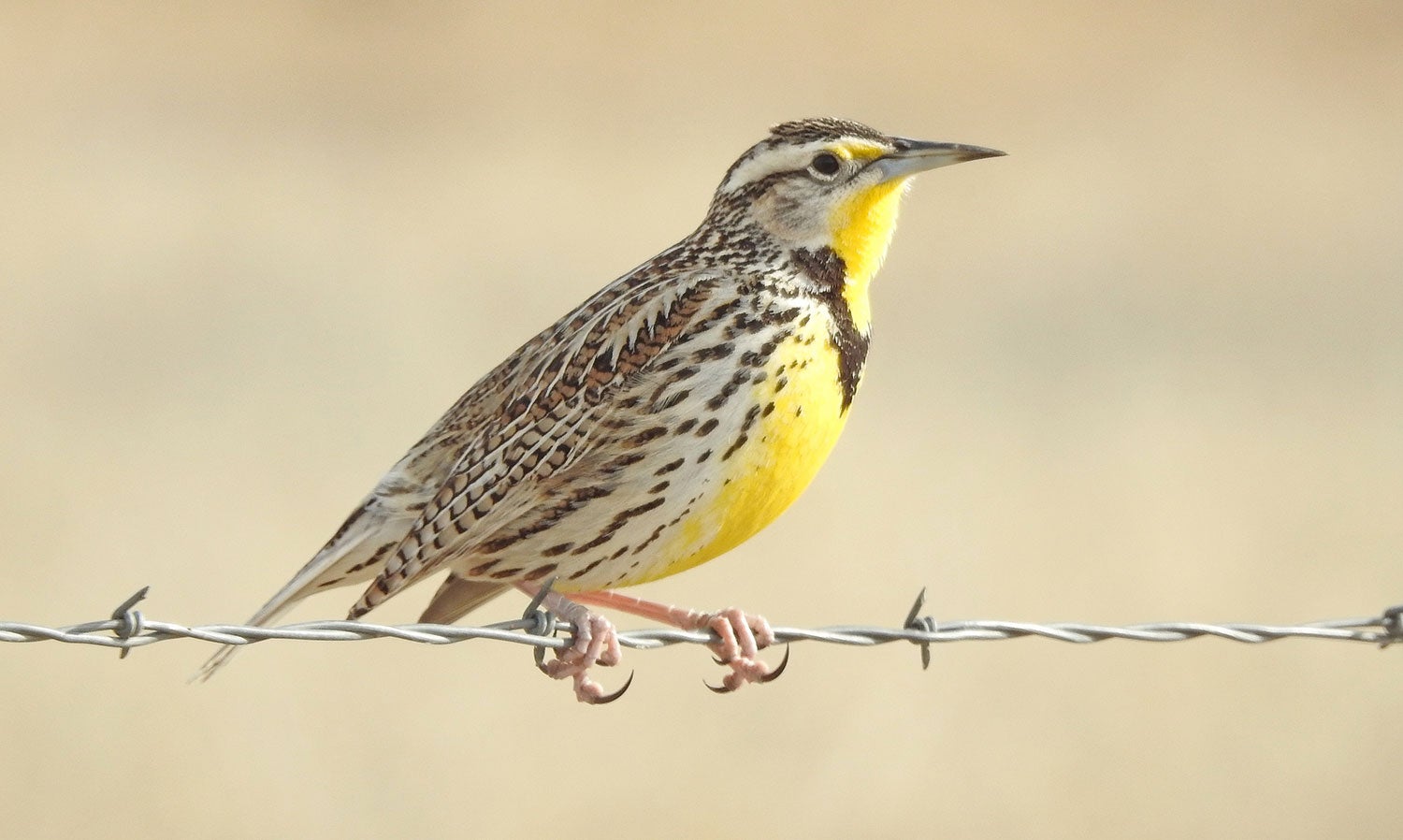
The Western Meadowlark (Sturnella neglecta) is a medium-sized songbird, roughly the size of a robin, but with a more robust build. Its most distinctive feature is its bright yellow breast, boldly marked with a prominent black “V” shape. The rest of its plumage is a mottled brown and buff, providing excellent camouflage against the dry grasses and soil of its habitat. Its back and wings are streaked with darker browns and blacks, while its underparts are a paler yellow or white. A relatively short tail is often fanned out in flight, revealing white outer tail feathers.
One of the most captivating aspects of the Western Meadowlark is its song. It’s a clear, flutelike whistle, often described as one of the most beautiful bird songs in North America. The song is complex and varied, with a series of melodious phrases that can be heard echoing across the fields, especially during the breeding season. This distinctive vocalization is a key reason why the bird is so beloved and recognizable. Beyond its song, the Western Meadowlark is known for its ground-dwelling habits. They build their nests in shallow depressions on the ground, often well-hidden within dense vegetation. Their diet consists primarily of insects, which they forage for by probing the soil with their long, slender beaks. This makes them valuable allies to farmers and ranchers, as they help control insect populations.
Habitat and Distribution
The Western Meadowlark thrives in open grasslands, meadows, pastures, and agricultural fields – environments that are abundant throughout Nebraska. They are particularly fond of areas with short to medium-height grasses, which provide both food and shelter. These birds are resident birds in much of their range, meaning they do not undertake long-distance migrations. However, they may move shorter distances within their territory in response to seasonal changes or food availability.
Their presence is a strong indicator of healthy grassland ecosystems. As these habitats shrink due to development and intensive agriculture, the populations of Western Meadowlarks can be affected. Conservation efforts aimed at preserving prairies and sustainable land management practices are therefore crucial for ensuring the continued presence of this iconic bird in Nebraska and across its broader range, which extends from western Canada down to Mexico.
The Significance of a State Bird
The designation of a state bird is more than just an arbitrary choice; it often reflects cultural values, natural heritage, and a sense of regional identity. For Nebraska, the Western Meadowlark embodies the spirit of the Great Plains. Its ability to thrive in open, expansive landscapes mirrors the state’s own vastness and its deep connection to agriculture and nature.
Beyond the aesthetic appeal of its song and plumage, the Western Meadowlark is a symbol of resilience and adaptability. It endures the harsh winters and scorching summers of the plains, a testament to its hardiness. This resonates with the pioneering spirit and the hardworking nature often associated with Nebraskans. The bird’s presence is a constant reminder of the natural beauty that exists beyond the cities and towns, a call to appreciate the simple yet profound wonders of the outdoors.
When visitors explore Nebraska, whether it’s a road trip along Interstate 80 or a detour to a charming rural town, the chance to spot a Western Meadowlark adds a special dimension to the travel experience. Hearing its song can evoke feelings of peace and connection to the land. It’s a small, feathered ambassador that offers a glimpse into the soul of the state.
Exploring Nebraska’s Natural Heritage
The Western Meadowlark is just one of many reasons to explore the natural wonders of Nebraska. The state boasts a diverse range of landscapes, from the rolling hills of the Sandhills to the scenic beauty of the Niobrara River Valley. These areas offer incredible opportunities for outdoor enthusiasts and nature lovers.
Adventures in the Sandhills
The Nebraska Sandhills are a unique and expansive dune system covering much of the state’s north-central region. This vast expanse of rolling hills, covered in prairie grasses, is one of the largest continuous areas of sand dunes in the Western Hemisphere. Despite the sandy terrain, the region is home to a surprisingly rich ecosystem, supported by a massive underground aquifer.
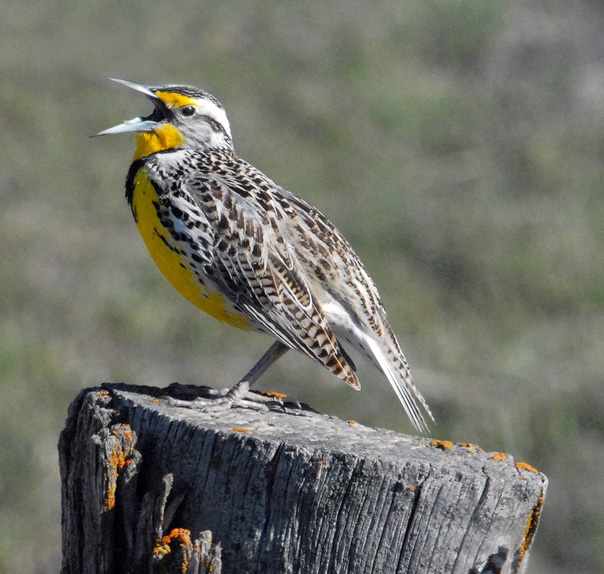
Travelers can explore the Sandhills through scenic drives, hiking, and camping. Birdwatching is particularly rewarding here, with the Western Meadowlark being a common sight. The region is also home to other grassland species and migratory birds. Many ranches in the Sandhills offer guest experiences, allowing visitors to immerse themselves in the cowboy culture and enjoy the tranquility of this unspoiled landscape. Imagine staying at a charming guest ranch, waking up to the sound of meadowlarks, and spending your days exploring on horseback.
The Niobrara River Valley: A Natural Gem
The Niobrara River Valley is another ecological treasure in Nebraska. This river valley is characterized by its dramatic bluffs, unique geological formations, and diverse habitats, including hardwood forests, prairies, and wetlands. It’s a haven for a wide array of wildlife, including bald eagles, coyotes, and numerous species of fish and amphibians.
Activities in the Niobrara River Valley include canoeing, kayaking, tubing, hiking, and wildlife viewing. The Smith Falls State Park, home to the state’s highest waterfall, is a popular destination within the valley. The sheer beauty and biodiversity of this region make it a must-visit for anyone seeking to experience the natural side of Nebraska. Accommodation options range from rustic campgrounds to cozy cabins, offering a perfect base for exploring this stunning natural landmark.
Cities and Landmarks
While nature is a major draw, Nebraska also offers engaging urban experiences and historical landmarks. Omaha, the state’s largest city, boasts a vibrant arts scene, world-class dining, and the renowned Henry Doorly Zoo and Aquarium. The Old Market district in Omaha is a historic area filled with unique shops, galleries, and restaurants, offering a lively atmosphere.
Further west, Lincoln, the state capital, is home to the impressive Nebraska State Capitol Building, a stunning example of Art Deco architecture. Visitors can explore the building’s history and enjoy panoramic views from its observation deck. For those interested in pioneer history, Scotts Bluff National Monument offers a glimpse into the journeys of westward expansion, with towering rock formations that served as landmarks for emigrants on the Oregon Trail.
Planning Your Nebraska Adventure
Whether you’re drawn to the state for its birdlife, its vast landscapes, or its rich history, Nebraska offers a unique and rewarding travel experience. From luxurious resorts to charming bed and breakfasts, there are accommodation options to suit every style and budget.
Accommodation Options
When planning your trip to Nebraska, consider the diverse range of accommodation available. In cities like Omaha and Lincoln, you’ll find a variety of hotels, from upscale chains offering business amenities to boutique hotels with unique character. For those seeking a more immersive experience in nature, consider staying at a guest ranch in the Sandhills or renting a cabin near the Niobrara River Valley.
Many of these properties offer fantastic amenities, such as guided tours, on-site dining featuring local cuisine, and opportunities for outdoor recreation. Booking in advance is recommended, especially during peak travel seasons or for popular destinations like the Nebraska National Forest. Websites specializing in travel and accommodation can help you compare prices and read reviews to find the perfect place to stay.
Experiencing Local Culture and Cuisine
Nebraska’s culture is deeply rooted in its agricultural heritage and its pioneering spirit. This is reflected in its friendly people, its strong sense of community, and its hearty cuisine. Don’t miss the chance to sample local specialties, which often include corn-fed beef, fresh produce, and traditional comfort foods. Many small towns have diners and cafes that serve up authentic regional dishes.
Attending local festivals and events can provide a wonderful opportunity to experience Nebraska at its most vibrant. From county fairs to harvest festivals, these events showcase the state’s traditions, music, and crafts. Engaging with the local culture is an integral part of any fulfilling travel experience, and Nebraska offers ample opportunities to do so.
Travel Tips for the Plains
When traveling to Nebraska, it’s wise to pack for a range of weather conditions, as the climate can be quite variable. Summers can be hot and humid, while winters can be cold with significant snowfall. Comfortable walking shoes are essential for exploring the state’s natural areas and historical sites.
For those interested in birdwatching, bringing binoculars and a field guide to local bird species will enhance your experience. Listening for the distinctive song of the Western Meadowlark is a delightful pursuit that can be enjoyed throughout the state. Whether you’re embarking on a luxury escape, a budget-friendly road trip, or a family adventure, Nebraska promises a memorable journey filled with natural beauty, captivating history, and the warm hospitality of the Midwest. The state bird, the Western Meadowlark, serves as a constant, cheerful reminder of the wild heart that beats within this remarkable state.
LifeOutOfTheBox is a participant in the Amazon Services LLC Associates Program, an affiliate advertising program designed to provide a means for sites to earn advertising fees by advertising and linking to Amazon.com. Amazon, the Amazon logo, AmazonSupply, and the AmazonSupply logo are trademarks of Amazon.com, Inc. or its affiliates. As an Amazon Associate we earn affiliate commissions from qualifying purchases.