
When you look at a map of the United States, do your eyes naturally gravitate towards the familiar coastlines or the iconic mountain ranges? Perhaps the sprawling deserts of the Southwest or the lush forests of the Pacific Northwest capture your attention. But amidst these prominent features, a vast and often overlooked heartland state lies waiting to be discovered. This state, a silent giant in the center of the country, is Nebraska. Understanding its geographical placement is the first step to unlocking the rich tapestry of experiences it offers, from its serene natural beauty to its vibrant cultural heritage.
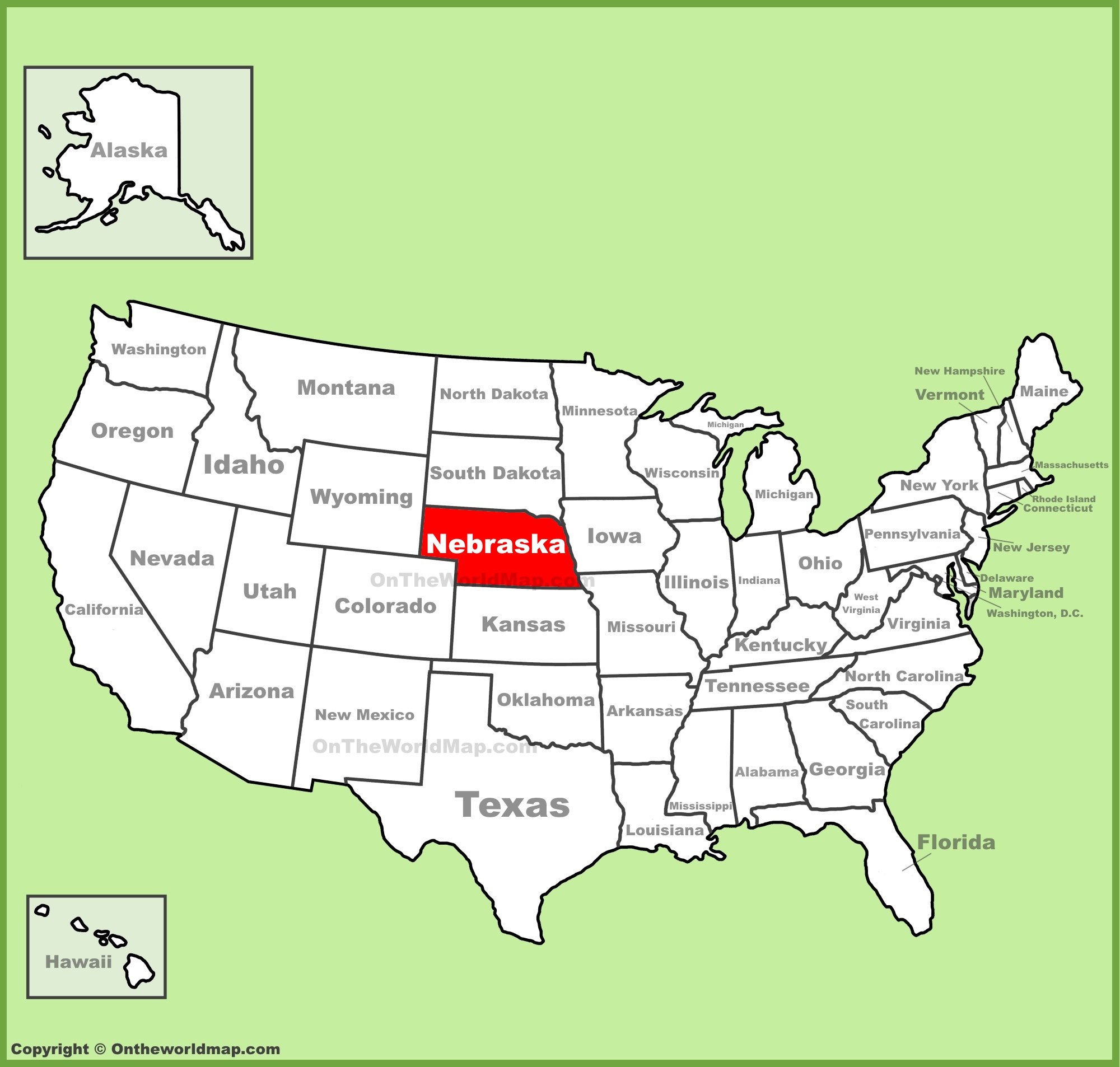
The question, “Where is Nebraska on a map?” might seem simple, but the answer reveals a state strategically positioned at the crossroads of American geography and history. It’s a place where the wide-open spaces of the Great Plains meet the fertile river valleys, shaping both its landscape and its spirit. For travelers seeking authentic American experiences beyond the usual tourist trails, Nebraska presents a compelling destination, brimming with opportunities for adventure, relaxation, and cultural immersion. This guide will not only pinpoint Nebraska on the map but also explore the myriad of attractions, accommodations, and lifestyle possibilities that make this state a remarkable place to visit and experience.
Navigating the Heartland: Nebraska’s Geographical Heart
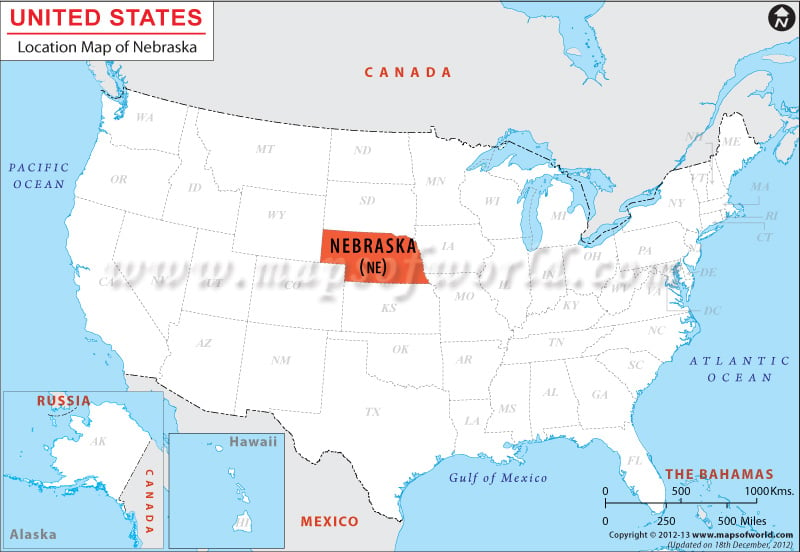
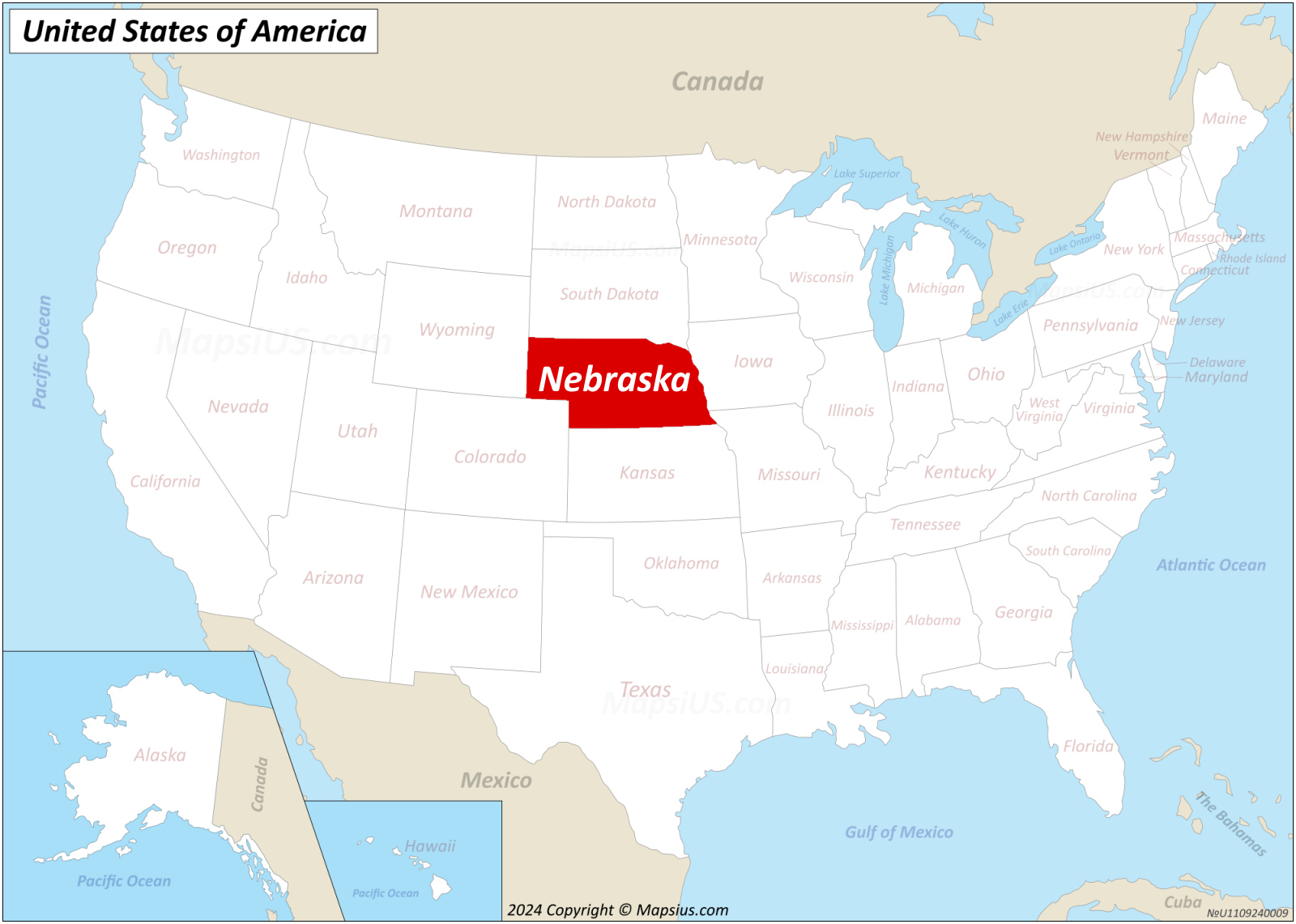
Nebraska occupies a central position within the continental United States, a fact that has profoundly influenced its development and character. Bordered by six other states, its location is key to understanding its role in American history and its appeal as a travel destination. To its north lies South Dakota, to its east are Iowa and the mighty Missouri River, separating it from Missouri. To the south, you’ll find Kansas, and to the west, Colorado and Wyoming. This central placement makes it a vital link for cross-country travel and a gateway to diverse American landscapes.
The state’s geography is dominated by the Great Plains, characterized by rolling prairies, vast agricultural lands, and dramatic buttes and escarpments. The landscape transitions from the more dissected terrain of the eastern part of the state, shaped by rivers like the Platte River and the Missouri River, to the flatter, arid plains of the west. This geographical diversity, though subtle to the untrained eye, offers a surprising range of natural attractions, from the unique ecosystems of the Sandhills to the rugged beauty of the Chimney Rock National Historic Site.
The Sandhills: A Unique Prairie Ecosystem
One of Nebraska‘s most distinctive geographical features is the Nebraska Sandhills. This vast region, covering about a quarter of the state, is a unique and ecologically significant area characterized by rolling sand dunes stabilized by native grasses. Far from being a barren desert, the Sandhills are a dynamic landscape supporting a rich diversity of plant and animal life. It’s a testament to nature’s resilience and a haven for those seeking tranquility and a genuine connection with the natural world.
The Sandhills are not just a geological marvel; they are also a vital source of fresh water for the United States, sitting atop the Ogallala Aquifer. This makes the region crucial for agriculture and ecosystems across a wide swathe of the Great Plains. For the adventurous traveler, exploring the Sandhills offers opportunities for horseback riding, hiking, and birdwatching. The sheer scale and quietude of this landscape are profoundly humbling, providing an escape from the noise and bustle of urban life. It’s a place where you can truly appreciate the raw beauty of the American heartland.
Eastern Rivers and Western Plains: A Tale of Two Landscapes
The eastern portion of Nebraska is defined by its major river systems, particularly the Missouri River which forms its eastern border. These rivers have carved fertile valleys, making this region the agricultural breadbasket of the state. Cities like Omaha and Lincoln are located here, benefiting from the rich soil and access to water. The landscape is characterized by rolling farmlands, woodlands along the riverbanks, and a more varied terrain than the western plains.
In contrast, western Nebraska is dominated by the classic imagery of the Great Plains. Here, the land stretches out seemingly endlessly, with dramatic skies that seem to go on forever. This is the land of ranches, open roads, and iconic landmarks like Chimney Rock and Scott’s Bluff. The climate is drier, and the topography is flatter, though punctuated by intriguing geological formations that tell stories of ancient geological processes. This contrast between the river valleys of the east and the expansive plains of the west is a defining characteristic of Nebraska‘s geography, offering a diverse range of natural beauty and outdoor experiences.
Experiencing Nebraska: From Urban Delights to Rural Escapes
Nebraska’s central location and diverse geography translate into a wide array of travel experiences. Whether you’re drawn to the cultural sophistication of its cities or the serene beauty of its natural landscapes, the state offers something for every type of traveler. From exploring historical landmarks to indulging in local cuisine and finding the perfect place to stay, Nebraska invites you to discover its hidden gems.
Lincoln and Omaha: Cultural Hubs of the Plains
The two largest cities in Nebraska, Lincoln and Omaha, serve as vibrant centers of culture, commerce, and entertainment. Lincoln, the state capital, offers a blend of government, education, and arts. Visitors can explore the impressive Nebraska State Capitol Building, a unique architectural marvel, or immerse themselves in the exhibits at the Nebraska History Museum. The city also boasts a lively arts scene, with numerous galleries, theaters, and performance venues. For families, the Lincoln Children’s Zoo and the Strategic Air Command & Aerospace Museum offer engaging attractions.
Omaha, situated on the Missouri River, is Nebraska‘s largest city and a major economic hub. It is renowned for its thriving culinary scene, particularly its steaks and its burgeoning craft beer culture. The Old Market district in Omaha is a pedestrian-friendly area filled with cobblestone streets, boutiques, art galleries, and restaurants. A must-visit attraction is the Henry Doorly Zoo and Aquarium, consistently ranked among the best in the world, featuring innovative exhibits like the Expedition Madagascar and the Desert Dome. For those interested in history and architecture, the Joslyn Art Museum and the Durham Museum offer glimpses into the region’s past and artistic heritage. When it comes to accommodation, both cities offer a wide range, from luxury hotels like the Magnolia Hotel Omaha to comfortable and budget-friendly options, catering to business travelers, families, and solo adventurers alike.
Tourism and Activities: Embracing the Outdoors and Local Flavor
Beyond the cities, Nebraska‘s tourism offerings are deeply rooted in its natural beauty and agricultural heritage. The state is crisscrossed by scenic byways that invite road trips through picturesque countryside. For outdoor enthusiasts, the Platte River is a prime destination, especially during the spring migration of the Sandhill Cranes, a breathtaking spectacle that draws thousands of visitors. Hiking and camping opportunities abound in state parks such as Platte River State Park and Ponca State Park, offering chances to explore prairies, woodlands, and river bluffs.
The Nebraska tourism landscape also embraces its agricultural roots. Visitors can experience local food by visiting farmers’ markets, farm-to-table restaurants, and even taking part in agricultural tours. Experiencing a traditional Nebraska steak dinner is a culinary highlight. For a taste of local culture and history, visiting small towns offers a glimpse into the slower pace of life and the strong sense of community that defines the American heartland. From exploring the pioneer history at Fort Robinson State Park to enjoying the annual Nebraska State Fair, there are numerous activities that showcase the state’s unique identity.
Accommodation and Lifestyle: Finding Your Nebraska Home Away From Home
Finding the right place to stay is a crucial part of any travel experience, and Nebraska offers a diverse range of accommodation options to suit every need and budget. From charming boutique hotels in historic districts to sprawling resorts in scenic locations and comfortable apartments for longer stays, the state provides a welcoming environment for all visitors.
Hotels, Resorts, and Unique Stays
In the urban centers of Lincoln and Omaha, travelers can find a plethora of hotels, ranging from well-known chains like the Hilton Omaha to independent boutique hotels offering personalized service. These hotels often provide amenities such as indoor pools, fitness centers, and on-site dining, catering to both business and leisure travelers. For those seeking a more luxurious experience, resorts on the outskirts of cities or nestled in scenic areas offer a tranquil escape. These can include properties with spa services, golf courses, and fine dining restaurants, providing a complete getaway experience.
Beyond traditional hotels, Nebraska also offers unique accommodation options. Bed and breakfasts in historic homes provide a charming and intimate atmosphere, often featuring home-cooked breakfasts and local insights from hosts. For longer stays or for travelers seeking more independence, apartments and vacation rentals are available, offering the convenience of a home away from home. These options are particularly appealing for families or groups who wish to experience Nebraska at a more leisurely pace. Exploring the accommodation choices available in towns like Grand Island or Kearney can reveal hidden gems that offer a deeper connection to the local culture.
Lifestyle Travel in the Heartland
Nebraska caters to a variety of lifestyle travel preferences. For those who enjoy luxury travel, cities like Omaha offer high-end hotels and fine dining experiences. The state also appeals to budget travelers, with numerous affordable motels, campgrounds, and guesthouses available, especially outside the major cities. The vast open spaces and natural beauty make it an ideal destination for family trips, with attractions like the Omaha’s Henry Doorly Zoo and Aquarium and the numerous state parks providing ample entertainment for all ages.
Business stays are well-catered to in Lincoln and Omaha, with modern business hotels offering conference facilities and convenient access to business districts. Beyond these categories, Nebraska offers a unique experience for those seeking an authentic American journey. The slower pace of life, the friendly locals, and the stunning, unpretentious landscapes provide an opportunity to disconnect and reconnect with what truly matters. Whether you’re looking for an adventure in the Sandhills, a cultural exploration of its cities, or simply a peaceful retreat, Nebraska on the map is more than just a location; it’s an invitation to experience the heart of America.
LifeOutOfTheBox is a participant in the Amazon Services LLC Associates Program, an affiliate advertising program designed to provide a means for sites to earn advertising fees by advertising and linking to Amazon.com. Amazon, the Amazon logo, AmazonSupply, and the AmazonSupply logo are trademarks of Amazon.com, Inc. or its affiliates. As an Amazon Associate we earn affiliate commissions from qualifying purchases.