
Nebraska, a state often visualized by its vast, golden plains and iconic cornfields, occupies a central and significant position within the United States. While it might not always be the first destination that springs to mind for international travelers or even some domestic explorers, its geographical placement is crucial to understanding the American heartland. To truly appreciate where Nebraska lies, one must delve into its location relative to its neighboring states, its historical significance as a gateway to the West, and the unique characteristics that define its identity within the grand tapestry of the USA.
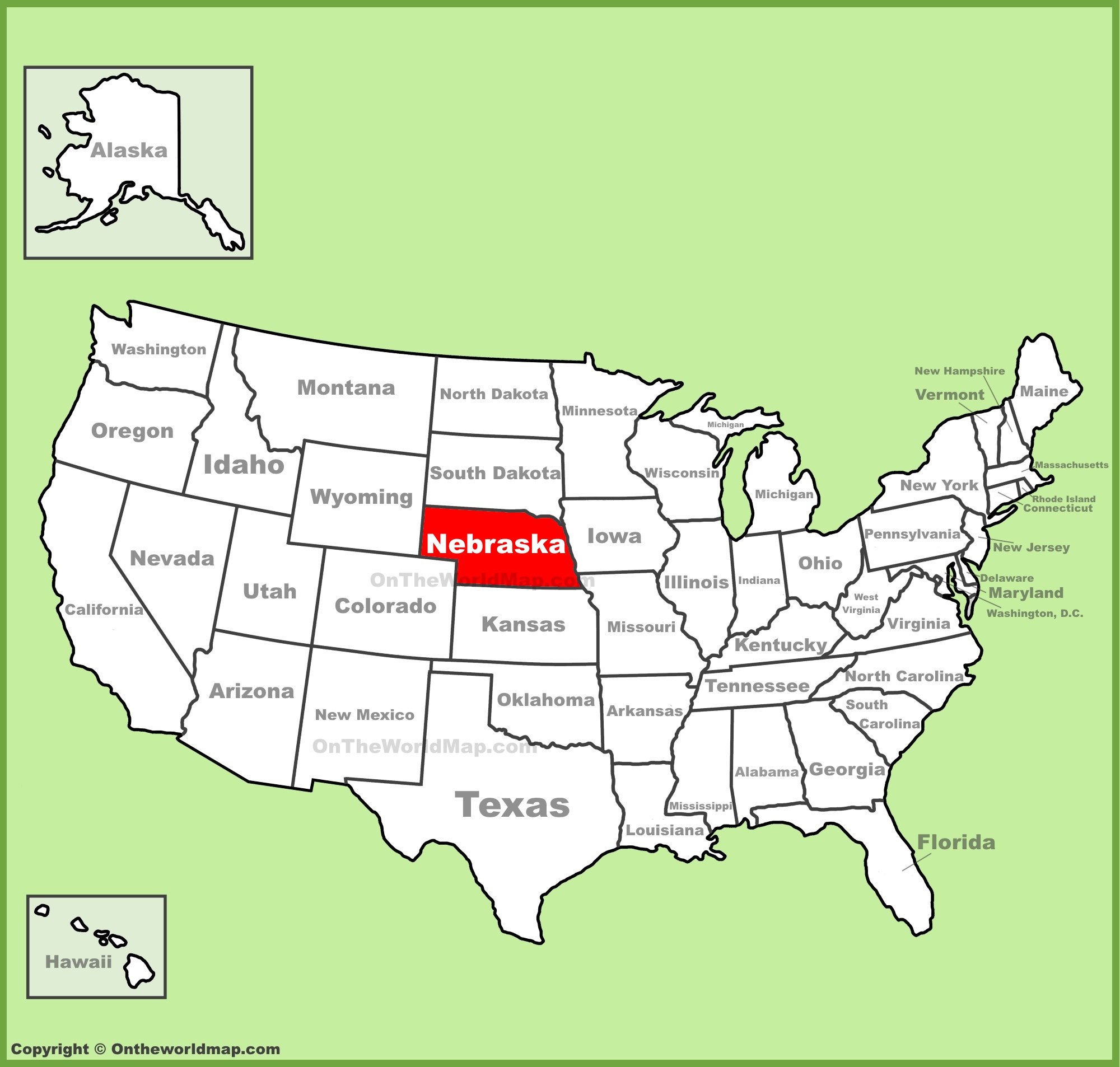
Navigating the American Landscape: Nebraska’s Geographical Core
Nebraska’s position on the map of the United States is firmly rooted in its interior, far from the coasts. It is a landlocked state, a defining feature that shapes its climate, its economy, and its historical development. To pinpoint its exact whereabouts, we can examine its neighbors and its coordinates.
A Central Embrace: Bordering States and Regional Identity
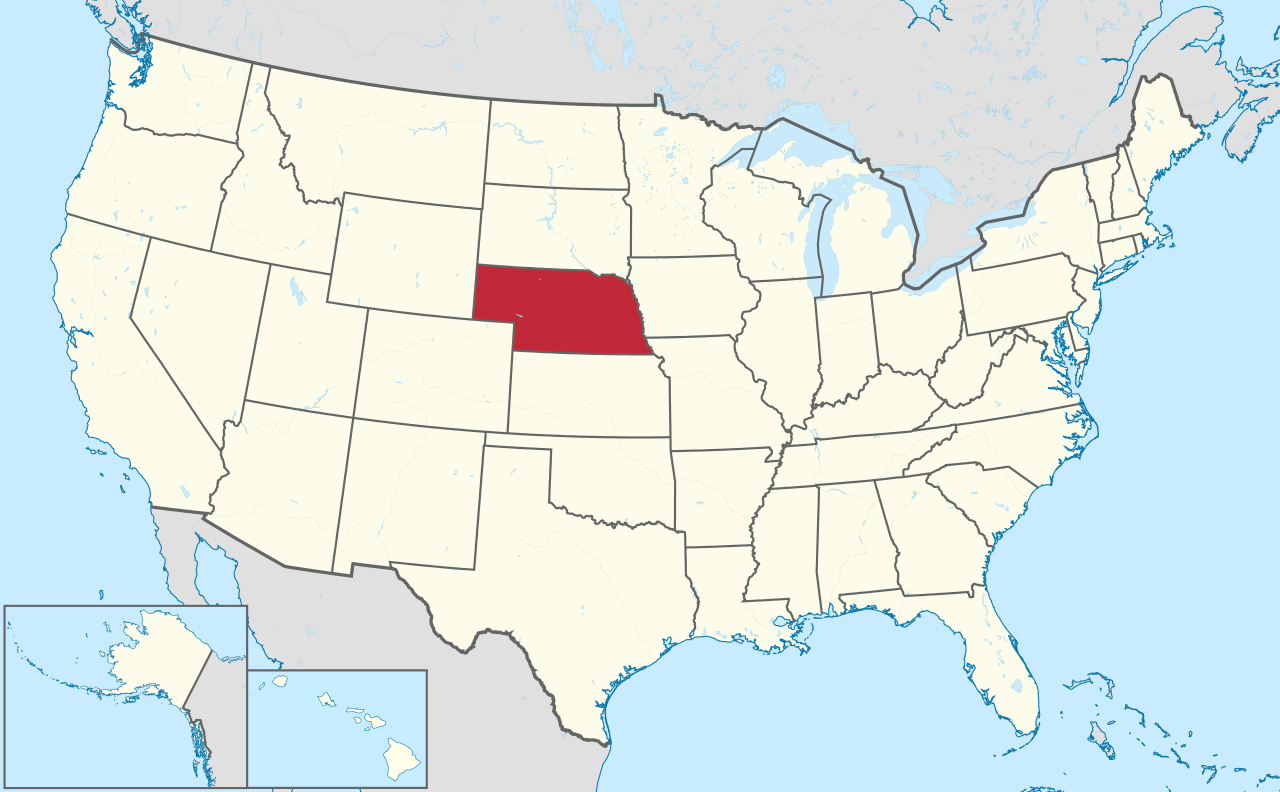
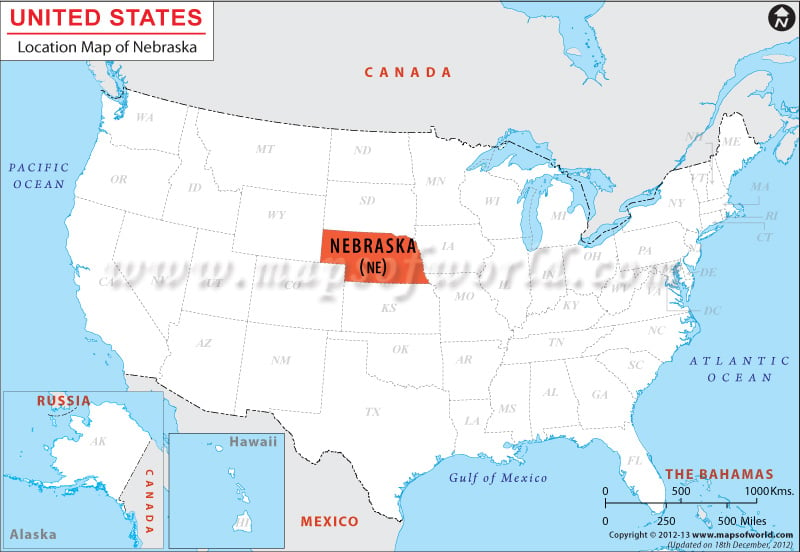
Nebraska is bordered by six other states, each contributing to its unique regional context. To the north lies South Dakota, a state also known for its expansive prairies and iconic carved mountains like Mount Rushmore. East of Nebraska is Iowa, separated by the mighty Missouri River, a vital waterway that has played a pivotal role in the exploration and settlement of the American West. To the south, Missouri shares a border, again defined in part by the Missouri River, and the states of Kansas and Colorado offer further connection to the Southern Plains and the Rocky Mountain region, respectively. Finally, to the west, the state of Wyoming completes its encirclement.
This central location is not merely a geographical fact; it imbues Nebraska with a sense of being at the crossroads of America. It’s a state that has historically served as a passage for those venturing westward, a place where different landscapes and cultures begin to blend. This can be particularly felt when considering the transition from the more eastern, humid climes to the drier, more arid conditions found further west. The state’s position makes it a key component of the Great Plains region, a vast area characterized by its flat to gently rolling terrain, fertile soil, and a history deeply intertwined with agriculture and westward expansion.
Cardinal Points: Latitude and Longitude
Geographically, Nebraska is situated in the Midwestern United States. Its approximate coordinates place it between 40° and 43° North latitude and 95° and 104° West longitude. This positions it squarely in the temperate zone, experiencing distinct seasons that range from hot summers to cold winters. The 100th meridian, often considered a dividing line between the humid eastern United States and the semi-arid western United States, runs through Nebraska, further emphasizing its transitional geographical role. This meridian is significant in understanding historical settlement patterns and the distribution of rainfall across the country.
The state’s relatively flat topography, a hallmark of the Great Plains, means that large portions of Nebraska are easily traversable, historically facilitating the movement of people and goods. This ease of passage has contributed to its role as a transportation hub, with major interstate highways and railway lines crisscrossing the state, connecting the East and West coasts.
Unpacking Nebraska’s Position: Historical Context and Cultural Significance
Understanding Nebraska’s place on the map goes beyond mere geographical coordinates; it involves appreciating its historical role and the cultural threads that bind it to the broader American narrative.
A Gateway to the West: Trails and Territories
Historically, Nebraska was a crucial territory for westward expansion. The Oregon Trail, the California Trail, and the Mormon Trail all passed through Nebraska, following the course of rivers and the relatively open plains. These trails were arteries of migration, carrying thousands of pioneers seeking new opportunities, land, and freedom in the West. Cities like Omaha and Platte River Valley became important stopping points, supply depots, and even jumping-off points for these arduous journeys.
The establishment of Fort Kearny in the mid-19th century further solidified Nebraska’s role as a key military and logistical post along these trails. The presence of forts and trading posts facilitated the westward movement and underscored the state’s strategic importance in connecting the established eastern settlements with the burgeoning territories of the West. This legacy is deeply embedded in the state’s identity, with numerous historical sites and museums dedicated to preserving the stories of these early pioneers and their challenging expeditions. The very landscape of Nebraska, from the rolling hills to the expansive prairies, often evokes the spirit of those who journeyed through it.
The Heartland of America: Agriculture and Lifestyle
Nebraska’s identity is inextricably linked to its agricultural prowess. It is one of the leading agricultural states in the nation, renowned for its production of corn, soybeans, and beef. This agricultural foundation has shaped its demographics, its economy, and its very essence. The image of vast, fertile fields under an expansive sky is a quintessential representation of Nebraska. This agricultural backbone also influences the lifestyle of its residents, fostering a strong connection to the land and a sense of community rooted in rural traditions.
The lifestyle in Nebraska can be characterized by its blend of rural tranquility and burgeoning urban centers. While many areas retain a strong connection to farming and ranching, cities like Omaha and Lincoln offer a more dynamic urban experience, with growing arts scenes, diverse culinary offerings, and professional sports. Omaha, in particular, has emerged as a significant economic hub, attracting businesses and residents with its relatively low cost of living, strong job market, and friendly atmosphere. The state’s commitment to preserving its natural beauty, from the Sandhills to the Niobrara River, also contributes to a lifestyle that values outdoor recreation and a connection to nature. This is reflected in the abundance of state parks and recreational areas that offer opportunities for hiking, camping, fishing, and wildlife viewing.
Exploring Nebraska: Destinations, Attractions, and Experiences
While its central location and agricultural heritage are defining characteristics, Nebraska offers a surprising array of attractions and experiences for travelers and locals alike, catering to diverse interests from history buffs to outdoor enthusiasts.
Unveiling Natural Wonders and Historical Echoes
Nebraska’s natural landscapes are subtle yet captivating. The Sandhills, a vast region of grass-stabilized sand dunes, is the largest remaining area of its kind in the Western Hemisphere, offering a unique ecological system and stunning vistas. The Niobrara River is a designated National Scenic River, renowned for its clear waters, diverse wildlife, and opportunities for canoeing, kayaking, and tubing. For those interested in paleontology, the Agate Fossil Beds National Monument provides a glimpse into a prehistoric world, preserving an ancient riverbed teeming with fossilized mammals.
History enthusiasts will find Nebraska a treasure trove. The Strategic Air Command & Aerospace Museum near Ashland showcases the state’s role in aviation history. The Scotts Bluff National Monument in western Nebraska preserves towering rock formations that served as landmarks for pioneers on the trails. The Great Platte River Road Archway Monument in Kearney spans Interstate 80 and offers an immersive experience of the trails and the development of transportation across the American West. For a taste of pioneer life, visiting a historic town or a living history museum can provide an authentic glimpse into the past.
Accommodation and Activities: From City to Countryside
When it comes to finding a place to stay in Nebraska, the options are as varied as the landscape. In larger cities like Omaha, travelers can find a wide range of hotels, from luxury accommodations like the Magnolia Hotel Omaha to more budget-friendly options. Lincoln, the state capital, also offers a variety of hotels and boutique inns. For those seeking a more immersive experience in nature, resorts and lodges can be found near popular state parks, offering comfortable stays with easy access to outdoor activities. Vacation rentals and apartments are also increasingly available, providing a more home-like atmosphere for longer stays or families.
Activities in Nebraska are deeply connected to its natural and historical offerings. Outdoor adventures abound, with opportunities for fishing in numerous lakes and rivers, hunting in designated areas, and exploring hiking and biking trails that wind through diverse landscapes. The state’s vibrant agricultural scene also provides unique experiences, such as visiting farmers’ markets to sample local produce or attending county fairs that celebrate agricultural heritage and community.
For those interested in culture and the arts, Omaha boasts a thriving scene with theaters, art galleries, and a renowned symphony orchestra. The Joslyn Art Museum in Omaha is a prominent cultural institution, housing a diverse collection of art spanning centuries and cultures. The Henry Doorly Zoo and Aquarium in Omaha is consistently ranked among the best in the nation, offering an engaging experience for visitors of all ages. Whether seeking the thrill of adventure, the quietude of nature, or the richness of cultural experiences, Nebraska offers a compelling destination that surprises and delights, all from its solid foundation on the map of the United States.
LifeOutOfTheBox is a participant in the Amazon Services LLC Associates Program, an affiliate advertising program designed to provide a means for sites to earn advertising fees by advertising and linking to Amazon.com. Amazon, the Amazon logo, AmazonSupply, and the AmazonSupply logo are trademarks of Amazon.com, Inc. or its affiliates. As an Amazon Associate we earn affiliate commissions from qualifying purchases.