
Nevada, often dubbed the “Silver State,” is more than just glittering casinos and vast desert landscapes. It’s a dynamic economic hub with a thriving business environment, attracting entrepreneurs from across the globe. Whether you’re envisioning a boutique hotel nestled near the iconic Las Vegas Strip, a charming bed and breakfast in the historic streets of Virginia City, or a niche tourism operation catering to adventure seekers exploring Valley of Fire State Park, understanding the licensing process is paramount. This guide will demystify how to obtain a business license in Nevada, ensuring your entrepreneurial dreams can take root and flourish in this unique state.
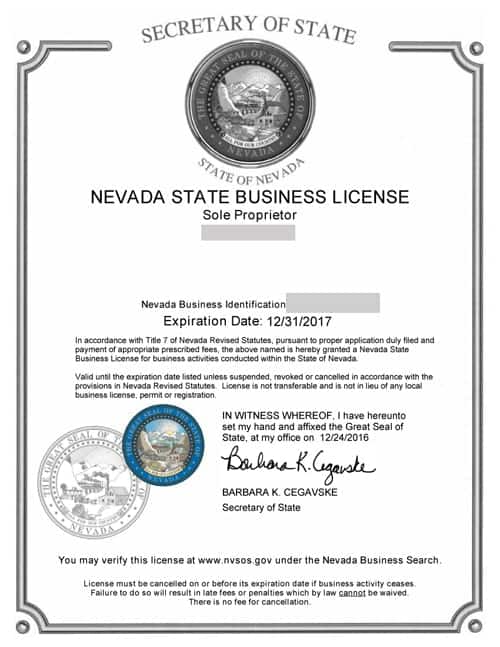
Securing the necessary licenses and permits is a foundational step for any business, regardless of its scale or industry. It signifies compliance with state and local regulations, fosters trust with customers, and opens doors to various business opportunities, including securing funding and participating in government contracts. For businesses operating within the vibrant Travel, Hotels, and Tourism sectors in Nevada, this is especially true. The state’s economy is deeply intertwined with these industries, and a well-regulated business environment ensures continued growth and visitor satisfaction. From the luxurious Resorts of Las Vegas to the serene Villas in Lake Tahoe, and the unique Experiences offered in rural Nevada, each legitimate enterprise contributes to the state’s allure. This process might seem daunting at first, but with a clear understanding of the requirements and a step-by-step approach, it becomes an achievable goal.
Understanding the Nevada Business Licensing Landscape
Navigating the business licensing process in Nevada involves understanding that different levels of government have distinct requirements. At its core, obtaining a business license in Nevada generally involves two primary entities: the state and the local municipality (city or county) where your business will be located. For many businesses, particularly those in the Accommodation and Lifestyle sectors, a state business license is a prerequisite, often coupled with specific permits related to your industry.
State-Level Requirements: The Nevada Business Registration
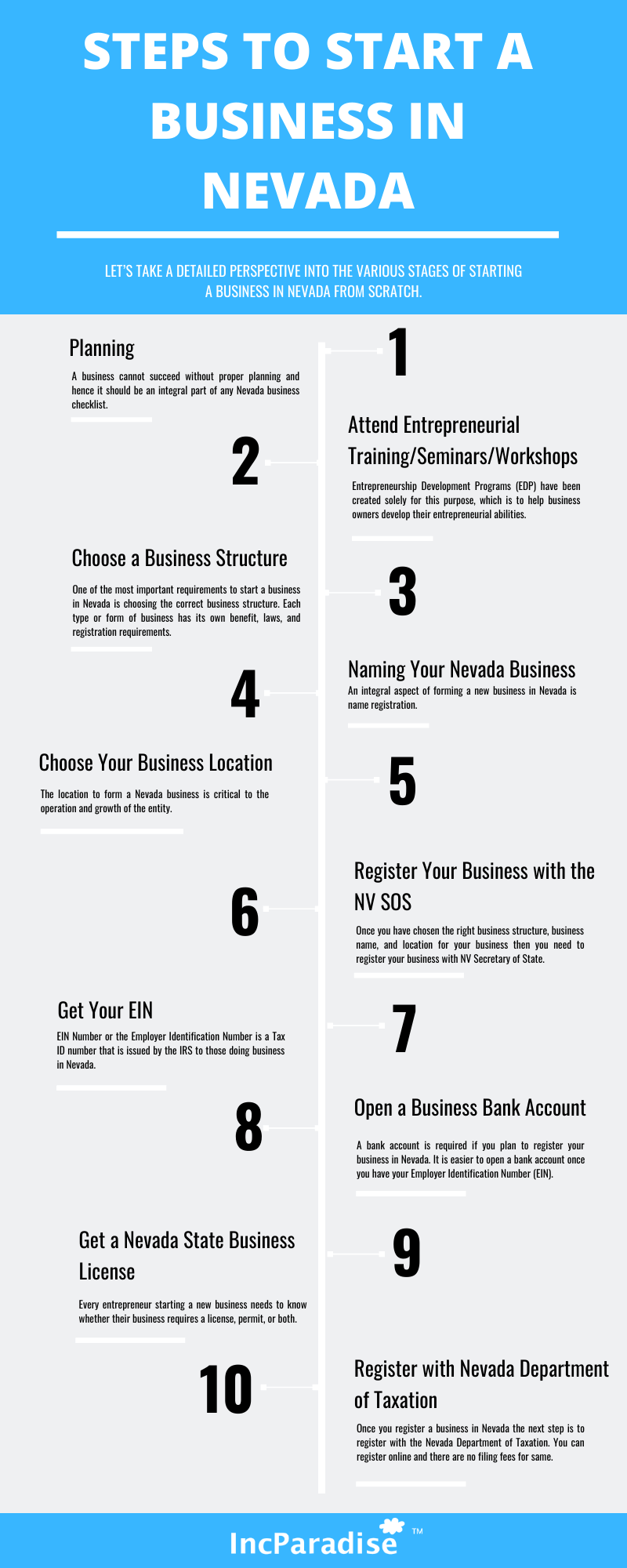
The first major hurdle in establishing your business in Nevada is registering with the Secretary of State. This is where you’ll officially form your business entity, whether it’s a sole proprietorship, partnership, Limited Liability Company (LLC), or corporation. The process typically involves:
- Choosing a Business Name: Your chosen name must be unique and not already in use by another registered business in Nevada. A preliminary search on the Secretary of State’s website is highly recommended.
- Filing Formation Documents: Depending on your entity type, you’ll file Articles of Incorporation (for corporations) or Articles of Organization (for LLCs) with the Secretary of State. Sole proprietors and general partnerships often have simpler registration processes or may not require formal state entity filing, but still need to operate under a registered business name if it differs from their legal name.
- Appointing a Registered Agent: Every business entity registered in Nevada must have a registered agent, a person or company with a physical address in the state designated to receive legal and official documents on behalf of the business.
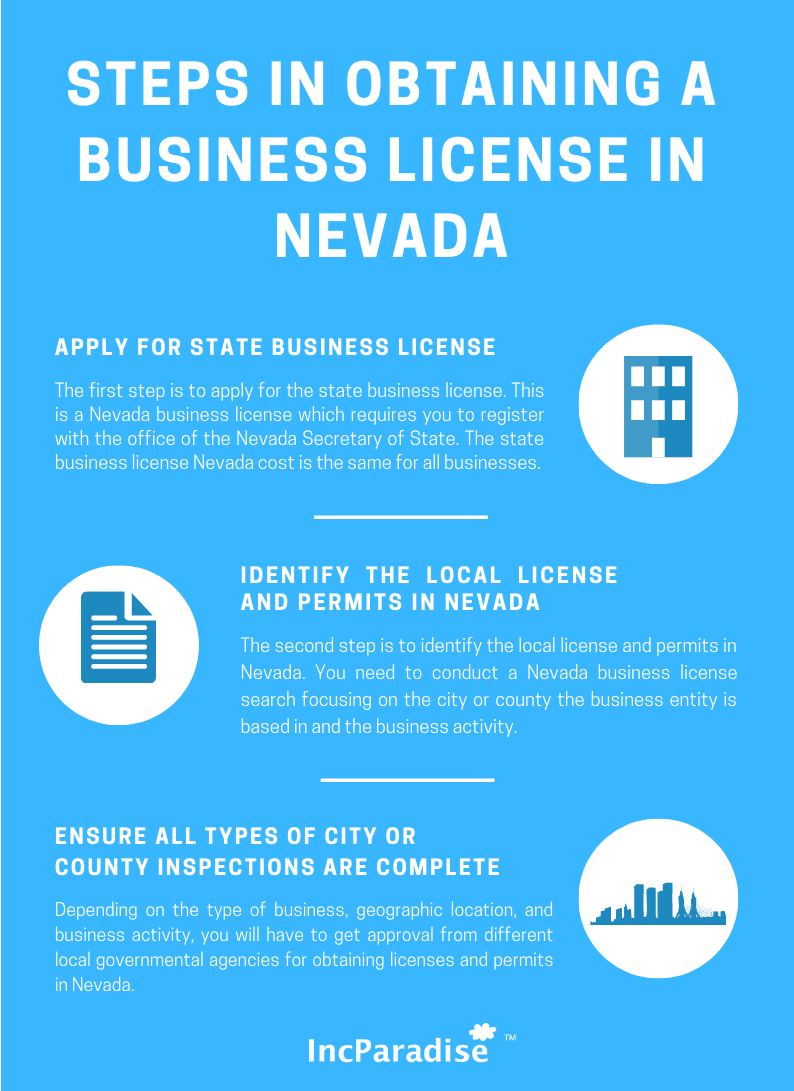
Once your business entity is formed, you’ll need to obtain a Nevada State Business License, often referred to as a State Business Registration. This is a general license required for most businesses operating in the state. The application is typically submitted through the Nevada Department of Taxation. This license confirms that your business is authorized to operate within the state.
Local Licensing: City and County Approvals
Beyond the state-level registration, the most crucial step for many businesses is obtaining a local business license from the city or county where your operations will be based. This is where specific industry regulations and zoning laws come into play, especially for businesses involved in Tourism and Hotels.
- City of Las Vegas Business License: If your business is located within the city limits of Las Vegas, you will need to apply for a business license through the city’s Business License Division. This process involves providing details about your business, its location, and the nature of your operations. The city will also review zoning compliance to ensure your business is permitted in the chosen location. For a luxurious Resort on the Las Vegas Strip, this involves extensive checks.
- Clark County Business License: For businesses operating in unincorporated areas of Clark County (areas not within a specific city, such as parts of Henderson or North Las Vegas), you will need to obtain a business license from Clark County. The process is similar to the city application, with a focus on compliance with county regulations.
- Other Cities and Counties: Each incorporated city and county in Nevada has its own business licensing department and procedures. Whether you’re setting up shop in the charming historic district of Carson City or establishing an adventure tourism company near Reno, you must contact the relevant local government office. A quick online search for “[City/County Name] business license” will direct you to the appropriate agency.
The local licensing process often involves an inspection by various departments, including planning and zoning, fire safety, and health departments, depending on the nature of your business. This ensures that your business meets all safety and operational standards. For example, a restaurant serving local Nevada cuisine or a hotel offering extensive Amenities will have more rigorous inspection requirements than a purely online travel agency.
Industry-Specific Permits and Licenses in Nevada
While a general business license is a universal requirement, Nevada also mandates specific permits and licenses for certain industries. This is particularly relevant for businesses within the Travel, Hotels, Tourism, Accommodation, and Lifestyle sectors, where public interaction and safety are key considerations.
Hospitality and Tourism Sector Requirements
Businesses directly involved in hosting travelers and providing experiences often face additional licensing and regulatory scrutiny.
- Hotels, Motels, and Resorts: Establishments offering overnight stays, from grand Resorts in Las Vegas to smaller motels and apartment rentals in tourist destinations, are subject to health and safety regulations. This often includes obtaining a permit from the local health department, ensuring compliance with fire codes, and potentially holding a liquor license if alcohol is served. For Luxury Travel providers, maintaining high standards of Accommodation is paramount and is often reflected in these inspections.
- Tour Operators and Guides: Businesses offering guided tours, excursions, or adventure activities, such as exploring the Red Rock Canyon National Conservation Area or offering historical tours of Reno, may require specific permits from state or local agencies. This can depend on the type of activity and the land it takes place on (e.g., operating on federal lands might require additional permits from the Bureau of Land Management or National Park Service).
- Food and Beverage Services: If your hotel, resort, or tourism-related business includes a restaurant, bar, or cafe, you will need a separate food service permit from the local health department. This involves adherence to strict food safety and handling standards.
Other Relevant Permits
- Seller’s Permits: If your business sells tangible goods (merchandise, souvenirs, food items), you will need to obtain a Seller’s Permit from the Nevada Department of Taxation. This allows you to collect sales tax from your customers and remit it to the state. This is crucial for retail operations within hotels or for souvenir shops catering to tourists.
- Environmental Permits: Depending on the nature of your business, particularly if it involves activities that could impact the environment, you might need permits from the Nevada Department of Environmental Protection.
Identifying all necessary permits can be intricate. Resources like the Nevada Small Business Administration (SBA) and local chambers of commerce are invaluable for guidance. They can help you pinpoint which licenses and permits are relevant to your specific business model, whether you’re focusing on Family Trips, Business Stays, or unique Local Culture experiences.
The Application Process: Step-by-Step Guidance
The process of applying for business licenses in Nevada can vary slightly depending on the specific licenses you need and the jurisdiction. However, a general framework exists, making it manageable with careful planning.
Step 1: Business Formation and Registration
As outlined earlier, the first step is to form your business entity with the Nevada Secretary of State and obtain your Nevada State Business License from the Department of Taxation. This lays the groundwork for all subsequent applications.
Step 2: Research Local Requirements
This is a critical phase. Identify the specific city or county where your primary business operations will be located. Visit their official government website or contact their business licensing department. Many municipalities offer online portals where you can find detailed checklists of required documents and application forms. For example, a hotel in Reno will have different requirements than a tour operator in Ely.
Step 3: Gather Necessary Documentation
Be prepared to provide comprehensive information about your business. This typically includes:
- Business Name and DBA (Doing Business As) Certificate: If you operate under a name different from your legal name or the registered business entity name.
- Federal Employer Identification Number (EIN): Obtained from the IRS, unless you are a sole proprietorship with no employees.
- Social Security Number (SSN): For sole proprietors.
- Business Plan or Description of Operations: Detailing the nature of your business, products, and services.
- Proof of Address: Lease agreement or deed for your business location.
- Zoning Approval: Confirmation that your business is permitted at the chosen location, often obtained from the local planning department.
- Copies of other relevant licenses/permits: Such as professional licenses, health permits, or liquor licenses, if applicable.
Step 4: Complete and Submit Applications
Fill out all application forms accurately and completely. Pay close attention to any instructions regarding notarization or required attachments. Submit the applications to the respective agencies, along with the required fees. Application fees can vary significantly, so be prepared for this financial commitment.
Step 5: Inspections and Approvals
After submitting your applications, the relevant city or county departments may schedule inspections. This is particularly common for physical locations, such as hotels or restaurants. Cooperate fully with inspectors and address any issues they identify promptly. Once all requirements are met and inspections are passed, your local business license will be issued.
Step 6: Renewals and Compliance
Business licenses are not a one-time affair. Most licenses require annual renewal. Keep track of expiration dates and renewal procedures to ensure your business remains in good standing. Staying compliant with Nevada‘s business regulations is essential for sustainable growth and avoiding penalties. For businesses focused on providing exceptional Accommodation or unique Experiences, consistent compliance ensures a positive reputation and continued success in the competitive Nevada market.
In conclusion, obtaining a business license in Nevada is a structured process that requires diligence and attention to detail. By understanding the state and local requirements, researching industry-specific permits, and meticulously following the application procedures, entrepreneurs can confidently establish their businesses and contribute to the vibrant economic tapestry of the Silver State. Whether your passion lies in showcasing Nevada‘s natural beauty through adventure tourism, offering world-class hospitality in a Las Vegas hotel, or providing unique Lifestyle travel opportunities, a valid business license is your key to unlocking success.
LifeOutOfTheBox is a participant in the Amazon Services LLC Associates Program, an affiliate advertising program designed to provide a means for sites to earn advertising fees by advertising and linking to Amazon.com. Amazon, the Amazon logo, AmazonSupply, and the AmazonSupply logo are trademarks of Amazon.com, Inc. or its affiliates. As an Amazon Associate we earn affiliate commissions from qualifying purchases.