
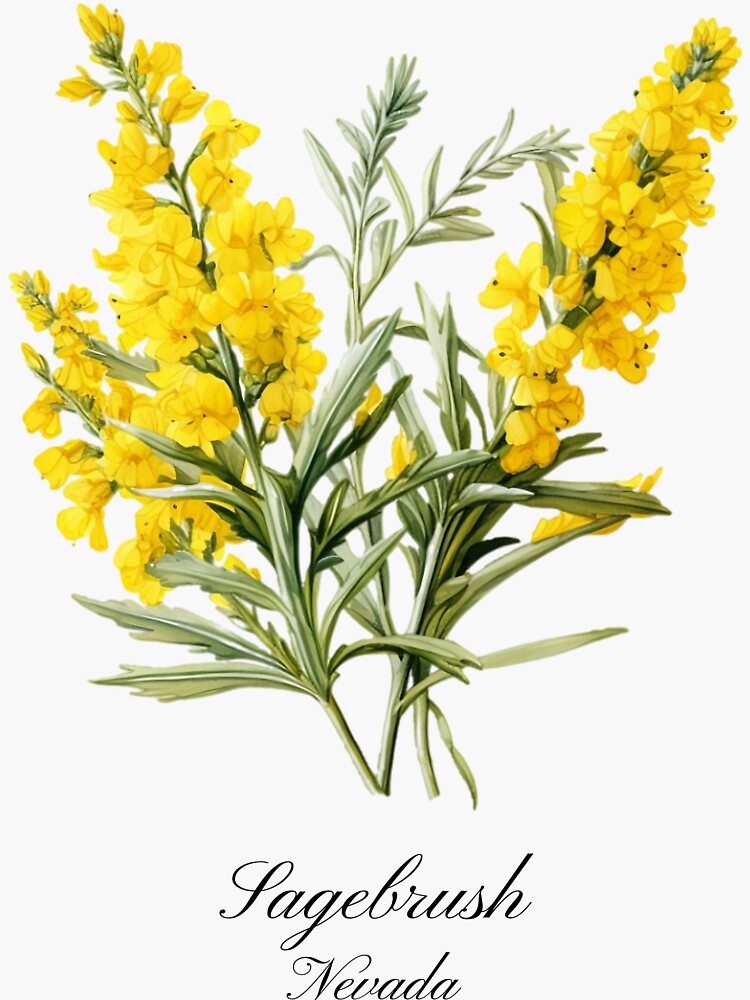
The Nevada desert, a vast expanse of rugged beauty and dramatic landscapes, is home to a surprising array of resilient flora that thrives under the arid conditions. While many visitors might associate the state with its glittering cities and towering casinos, the natural beauty of Nevada holds its own unique charm. Among its many botanical treasures, one flower stands out, officially recognized for its grace and symbolic significance: the Sagebrush. More specifically, it is the Silver Sagebrush (Artemisia tridentata) that proudly holds the title of the official Nevada State Flower.
This unassuming yet tenacious plant is far more than just a pretty face; it is deeply intertwined with the history, ecology, and very identity of the Silver State. From the sprawling ranches of the Ruby Mountains to the arid basins surrounding Reno, the Sagebrush is a ubiquitous presence, painting the landscape with its distinctive silvery-green hue. Understanding the Sagebrush is to understand a fundamental aspect of Nevada‘s natural heritage, offering a glimpse into the resilience and quiet beauty that defines this remarkable Western state.
The Enduring Symbol of the Silver State
The designation of the Sagebrush as Nevada‘s state flower was a deliberate choice, reflecting the plant’s profound connection to the state’s identity and its vast, arid ecosystems. Adopted in 1959, this choice was not merely an aesthetic one; it was a recognition of the Sagebrush‘s ecological importance and its enduring presence across the Nevada landscape. The Sagebrush genus, with its hardy members, has long been a cornerstone of the Great Basin’s biodiversity, providing sustenance and habitat for a multitude of wildlife species, from pronghorn antelope to the diminutive sage sparrow.
A Tapestry of Resilience: Understanding the Silver Sagebrush
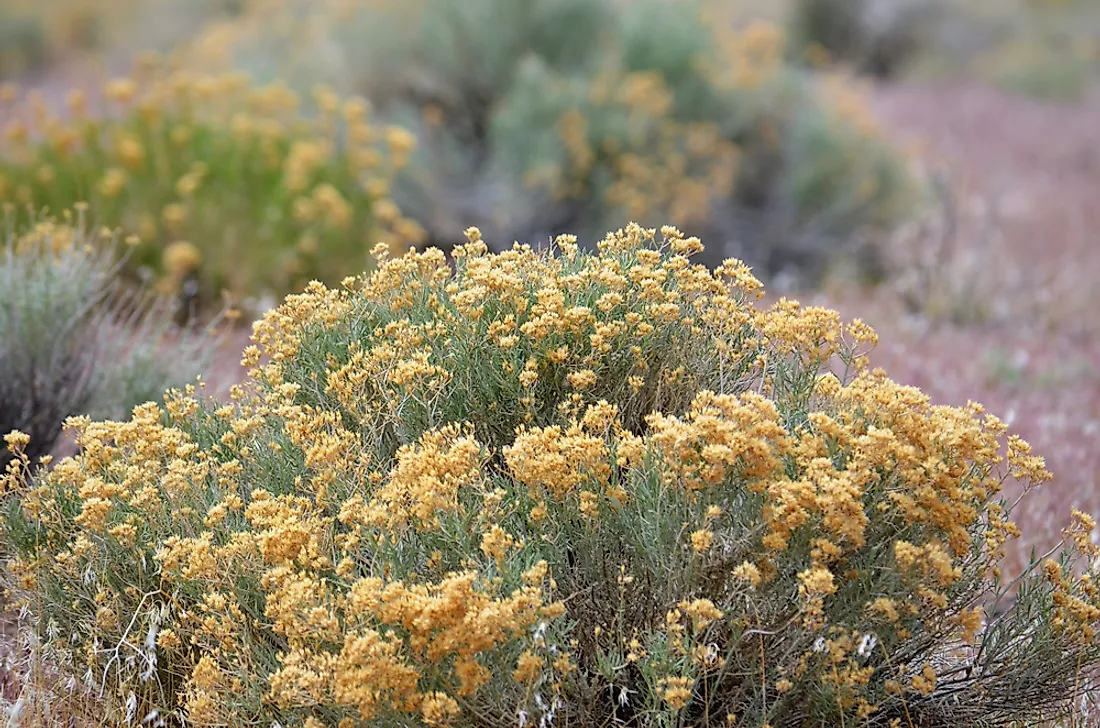
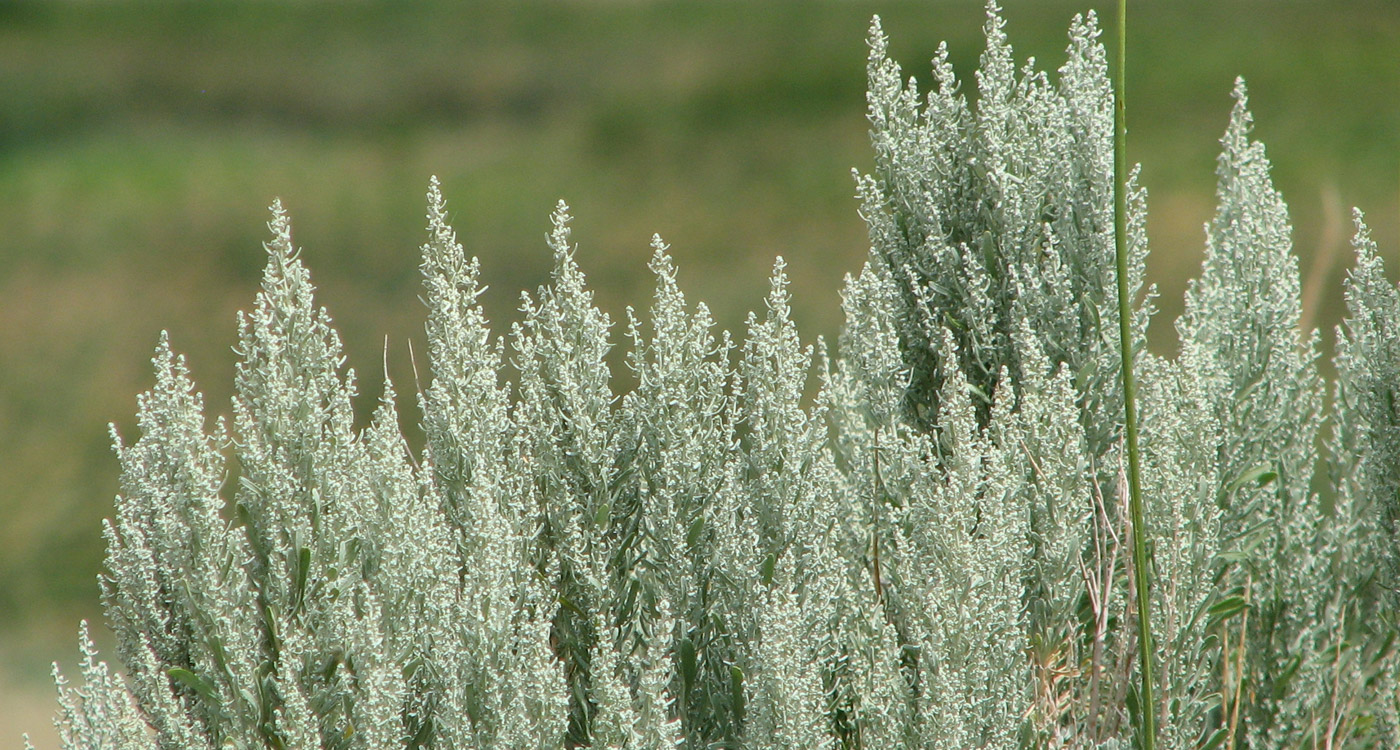
The Silver Sagebrush (Artemisia tridentata) is a member of the Asteraceae family, which also includes daisies and sunflowers. It is a woody shrub characterized by its distinctive, silvery-green leaves, which are shaped like three-toothed trident shapes, hence its scientific name tridentata. These leaves are covered in fine hairs, which help to reduce water loss through transpiration, a crucial adaptation for survival in Nevada‘s dry climate. The plant typically grows to a height of between one and five meters, forming dense thickets that can dominate large swathes of the landscape.
Its resilience is remarkable. The Sagebrush can survive extreme temperatures, both hot and cold, and is capable of extracting moisture from surprisingly arid soils. This ability to thrive where other plants struggle has made it a keystone species in the Nevada ecosystem. The plant releases aromatic oils, giving the desert air its characteristic scent, especially after a rain. This scent is often described as earthy, pungent, and uniquely Nevada.
The life cycle of the Sagebrush is as fascinating as its survival mechanisms. It typically flowers in late summer or early fall, producing small, inconspicuous blossoms that are wind-pollinated. The seeds, which are also small, are dispersed by the wind. The Sagebrush plays a vital role in soil stabilization, preventing erosion and creating microclimates that support other plant and animal life. Without the Sagebrush, much of Nevada‘s delicate ecosystem would simply cease to exist. Its presence is a testament to nature’s ingenuity and the power of adaptation.
Exploring the Sagebrush Ecosystem: Beyond the Bloom
While the Sagebrush itself might not boast the vibrant, showy petals of a rose or a tulip, its significance extends far beyond its visual appeal. It forms the foundation of an entire ecosystem, influencing everything from the soil composition to the presence of diverse wildlife. To truly appreciate the Nevada State Flower, one must venture out and experience the environment it helps to create. This exploration can be an integral part of any visit to Nevada, whether one is seeking adventure in the wild or a quiet moment of reflection.
Where to Find the Sagebrush: Natural Habitats and Viewing Opportunities
The Silver Sagebrush is a dominant plant species throughout much of Nevada, thriving in diverse environments from high desert plains to mountain slopes. It is particularly prevalent in the Great Basin region, an area characterized by its arid climate and internal drainage. Visitors can readily encounter Sagebrush in many of Nevada‘s natural parks and protected areas.
For those exploring the northern reaches of the state, the Black Rock Desert offers a vast and starkly beautiful landscape where Sagebrush is a primary vegetative cover. This immense playa is a popular destination for off-road enthusiasts and those seeking solitude, and the Sagebrush plays a crucial role in its arid charm. Further south, the areas surrounding Ely and the Great Basin National Park also provide excellent opportunities to witness extensive Sagebrush plains. The park’s high-elevation areas showcase how the plant adapts to varying altitudes and conditions.
Even closer to the urban centers, such as Las Vegas and Reno, remnants of Sagebrush habitat can be found. Driving out into the surrounding desert, away from the bright lights, will quickly reveal the plant’s prevalence. For instance, a scenic drive along the Extraterrestrial Highway (State Route 375), famously associated with Area 51, cuts through expansive areas of Sagebrush country, offering a classic Nevada vista. The Red Rock Canyon National Conservation Area near Las Vegas, while known for its dramatic rock formations, also supports Sagebrush in its lower elevations, blending iconic geological features with botanical beauty.
When visiting these areas, it’s important to remember that Sagebrush is a delicate plant. Visitors are encouraged to stay on marked trails and avoid disturbing the vegetation. The experience of seeing Sagebrush in its natural habitat is not just about observing a flower; it’s about immersing oneself in the unique and resilient environment it defines.
The Sagebrush Ecosystem: A Haven for Wildlife
The ecological importance of the Sagebrush cannot be overstated. It forms the very foundation of the Sagebrush steppe, a vast biome that supports an incredible diversity of life. For countless species, the Sagebrush provides essential food, shelter, and breeding grounds.
One of the most iconic animals associated with the Sagebrush steppe is the Greater Sage-Grouse. This ground-dwelling bird relies almost exclusively on Sagebrush for its survival, feeding on its leaves, buds, and seeds, and nesting in its protective cover. The male’s elaborate courtship ritual, performed on leks (display grounds) during the spring, is a breathtaking spectacle of nature, deeply tied to the presence of Sagebrush.
Beyond the Sagebrush-Grouse, a multitude of other creatures benefit from this habitat. Pronghorn, often called the fastest land animal in North America, graze on Sagebrush and use its cover for protection. Various species of small mammals, such as kangaroo rats and voles, find refuge and sustenance among the Sagebrush plants. Numerous bird species, including the Sage Sparrow, Gray Flycatcher, and Mountain Bluebird, either nest in or forage amongst the Sagebrush. Even reptiles, like the Desert Tortoise, utilize the shade and shelter provided by larger Sagebrush plants.
The Sagebrush also influences the soil. Its deep root systems help to hold the soil together, preventing erosion, and its decaying plant matter contributes nutrients to the arid ground. This, in turn, supports a variety of grasses and other herbaceous plants that further enhance the food web. Traveling through Nevada and observing this interconnectedness of life, all stemming from the humble Sagebrush, offers a profound appreciation for the state’s natural heritage. It’s a reminder that even in seemingly barren landscapes, life finds a way to flourish in remarkable abundance.
Experiencing Nevada’s Natural Beauty: Travel and Lifestyle Tips
While Nevada is often synonymous with the vibrant nightlife of Las Vegas or the adventurous spirit of Reno, its natural landscapes offer an equally compelling, albeit different, kind of allure. Experiencing the Sagebrush in its native habitat can be a truly enriching part of any visit, whether you’re a seasoned outdoors enthusiast or simply looking for a serene escape. The state’s diverse offerings cater to a wide range of travel styles, from luxurious resort stays to rugged backcountry adventures.
Planning Your Nevada Adventure: From Desert Drives to Mountain Retreats
When planning a trip to Nevada with the intent of exploring its natural beauty, consider the time of year. Spring and fall generally offer the most pleasant weather for outdoor activities, with mild temperatures and fewer extreme conditions. Summer can be intensely hot, especially in the southern desert regions, while winter can bring snow to higher elevations.
For those who enjoy scenic drives, Nevada offers numerous routes that wind through Sagebrush country. The aforementioned Extraterrestrial Highway provides a unique experience, immersing you in classic Nevada desert scenery. Another option is to explore the scenic byways around Lake Tahoe, which, while more forested, still feature pockets of Sagebrush in its drier, lower elevations, offering stunning vistas of the crystal-clear waters.
If you’re interested in hiking and wildlife viewing, Great Basin National Park is a must-visit. The park boasts a variety of trails that lead through different ecosystems, including Sagebrush steppe and alpine environments. Here, you can learn more about the Sagebrush and its role in the park’s ecology from park rangers. For those seeking a more luxurious experience, consider staying at a resort near Lake Tahoe or in Reno. Many of these accommodations offer guided tours or easy access to hiking trails where you can experience the natural beauty firsthand.
For a truly immersive experience, consider camping or backpacking in one of Nevada‘s many state parks or national forests. Areas like Valley of Fire State Park, though known for its vibrant red rock formations, also support Sagebrush in its arid washes and canyons. Remember to pack plenty of water, sun protection, and appropriate gear, as Nevada‘s natural environments can be unforgiving if not respected.
Embracing the Lifestyle: Luxury, Budget, and Family Travel in Nevada’s Wilds
Nevada‘s natural side offers a spectrum of experiences to suit every traveler’s lifestyle and budget. For those seeking luxury, consider a stay at a high-end resort near Lake Tahoe, such as the Edgewood Tahoe Resort, which offers breathtaking lake views and access to hiking trails. Some of these establishments might even offer curated excursions into the surrounding natural areas, allowing you to experience the Sagebrush landscape in comfort.
Budget travelers can find excellent opportunities for exploration by focusing on Nevada‘s state parks and national forests. Camping is an affordable way to immerse yourself in nature, with numerous campgrounds available across the state. Packing a picnic and exploring scenic byways can also be a cost-effective way to see the Sagebrush country. Consider visiting areas like the Humboldt-Toiyabe National Forest, which offers vast expanses of wilderness accessible to all.
Family trips to Nevada can also be designed around its natural wonders. Great Basin National Park offers educational programs for children, and its relatively accessible trails make it suitable for families with varying levels of hiking experience. Exploring the unique geology of Valley of Fire State Park or the aquatic wonders of Lake Mead National Recreation Area can be exciting for all ages. While Las Vegas is a popular family destination, venturing just an hour or two outside the city can reveal a completely different, yet equally captivating, side of Nevada – one shaped by the enduring beauty of the Sagebrush.
In conclusion, the Nevada State Flower, the Sagebrush, is more than just a botanical designation; it is a symbol of resilience, a keystone species, and an integral part of the state’s identity. Whether you’re planning a luxurious getaway or a budget-friendly adventure, taking the time to appreciate the Sagebrush and its surrounding ecosystem will undoubtedly enrich your Nevada experience, revealing the quiet, enduring beauty of the Silver State.
LifeOutOfTheBox is a participant in the Amazon Services LLC Associates Program, an affiliate advertising program designed to provide a means for sites to earn advertising fees by advertising and linking to Amazon.com. Amazon, the Amazon logo, AmazonSupply, and the AmazonSupply logo are trademarks of Amazon.com, Inc. or its affiliates. As an Amazon Associate we earn affiliate commissions from qualifying purchases.