
The question of whether wolves inhabit the forests and mountains of New Hampshire is one that sparks curiosity and a touch of wildness in the hearts of many. For those planning a visit to the Granite State, be it for a thrilling outdoor adventure, a relaxing resort stay, or an exploration of its rich history and natural beauty, understanding the presence of its native wildlife adds another layer to the experience. This exploration delves into the current status of wolves in New Hampshire, separating fact from folklore, and considering the broader context of wildlife conservation within the state’s diverse landscapes.
The allure of encountering wild animals in their natural habitat is a powerful draw for travelers. New Hampshire, with its rugged terrain, vast forests, and picturesque lakes, offers ample opportunity for wildlife viewing. From the towering peaks of the White Mountains to the tranquil shores of Lake Winnipesaukee, the state is a haven for a variety of species. While deer, moose, black bears, and numerous bird species are commonly sighted, the presence of larger predators like wolves often resides in the realm of speculation and local lore.
The Elusive Eastern Wolf: A Historical Perspective
To understand the current situation, we must first look back. Historically, wolves were indeed a significant part of the New Hampshire ecosystem. The Eastern Wolf, a subspecies now considered rare and genetically complex, once roamed these territories. Their presence was an integral part of the natural balance, influencing prey populations and shaping the very landscape through their predatory behavior. However, like many apex predators across North America, wolves faced severe persecution. Habitat loss due to human settlement and agriculture, coupled with organized hunting and bounties aimed at protecting livestock, led to their drastic decline. By the early to mid-20th century, wolves were largely extirpated, meaning they were wiped out from New Hampshire.
The narrative of wolf eradication is a common one across many parts of the United States, a testament to the dramatic shift in human-wildlife relationships over centuries. As New Hampshire transitioned from a primarily agrarian society to a more industrialized and tourism-focused economy, the wild spaces where wolves once thrived began to shrink. The forests were logged, settlements expanded, and the perception of wolves often shifted from a natural component of the ecosystem to a perceived threat. This historical context is crucial for understanding why the question of their return is so poignant today.
Reintroduction Efforts and Evidence of Presence
In recent decades, there has been a growing recognition of the ecological importance of apex predators. Conservation efforts and a broader understanding of ecosystem health have led to discussions and, in some regions, successful reintroduction programs for wolves. However, when it comes to New Hampshire, the story is more nuanced. Unlike states with active reintroduction programs for wolves, such as Yellowstone National Park in Wyoming, New Hampshire has not undertaken a formal wolf reintroduction initiative.
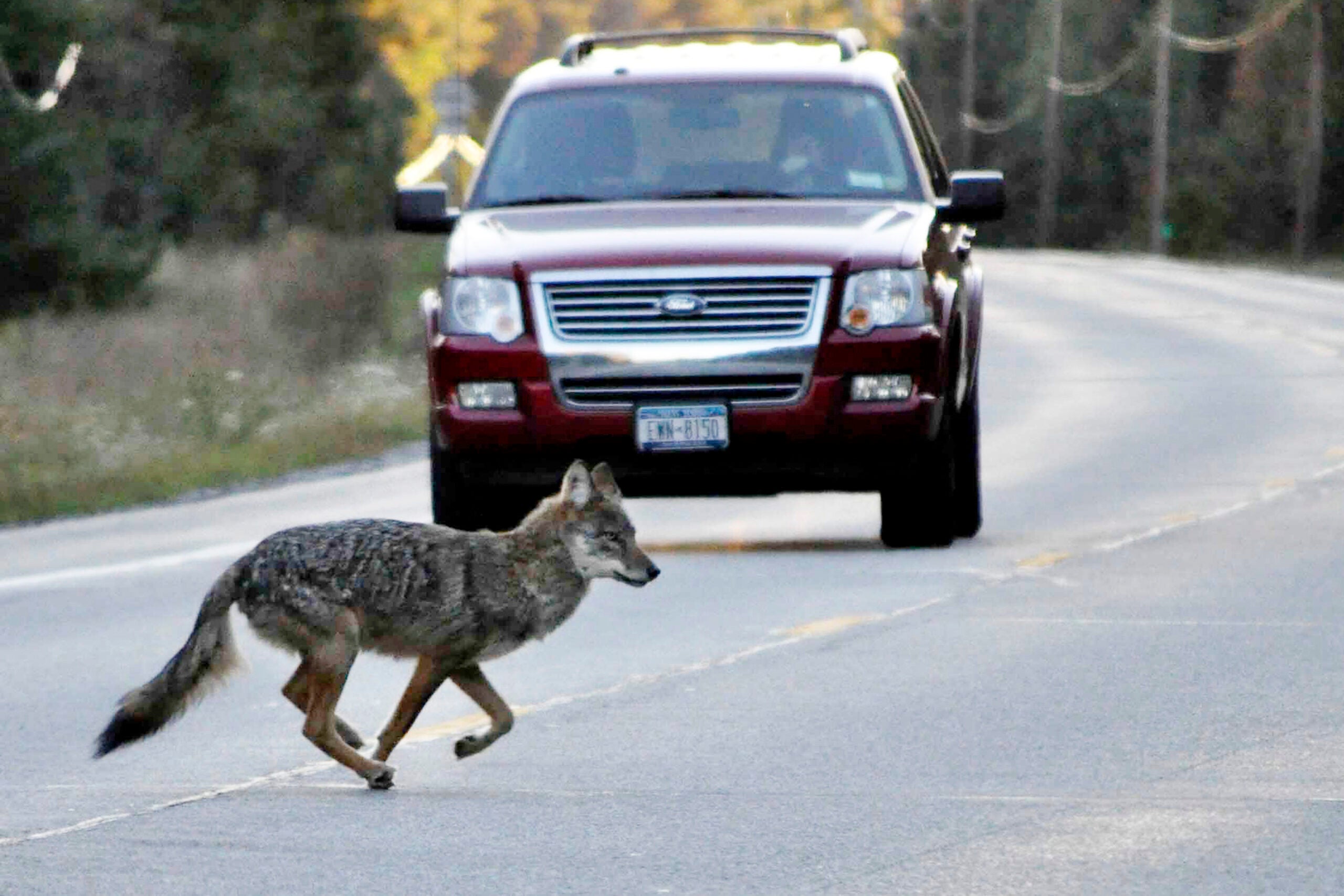
Despite the absence of a state-led reintroduction, the question of wolf presence persists, fueled by occasional sightings and anecdotal evidence. These reports, while exciting, often lack definitive proof. The challenge in confirming wolf presence lies in distinguishing them from other canids, such as coyotes. Coyotes, which are more adaptable and have successfully colonized vast areas of North America, including New Hampshire, share some physical similarities with wolves. Their calls can also be mistaken for those of wolves, especially by the untrained ear.
Conservation agencies and wildlife biologists in New Hampshire often rely on concrete evidence to confirm the presence of any species. This evidence typically includes:
- Camera Trap Footage: Motion-activated cameras placed in remote areas can capture images or videos of elusive animals.
- Scat and Hair Analysis: Analyzing droppings (scat) or hair samples can provide DNA evidence to identify species.
- Track Identification: Expert identification of paw prints in snow or mud can be indicative of a particular animal.
- Direct Sightings by Trained Professionals: While anecdotal sightings are common, confirmed sightings by experienced wildlife biologists carry more weight.
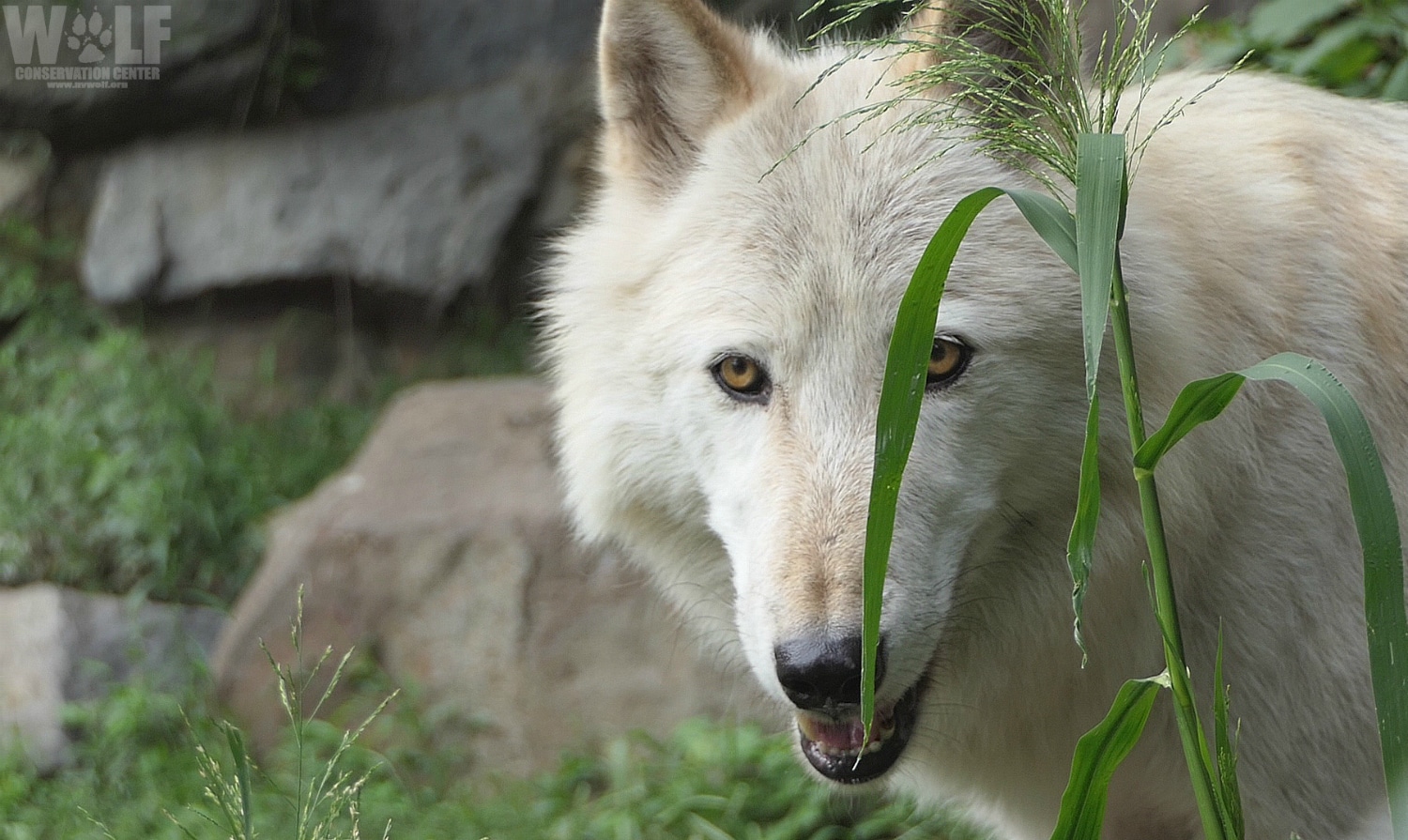
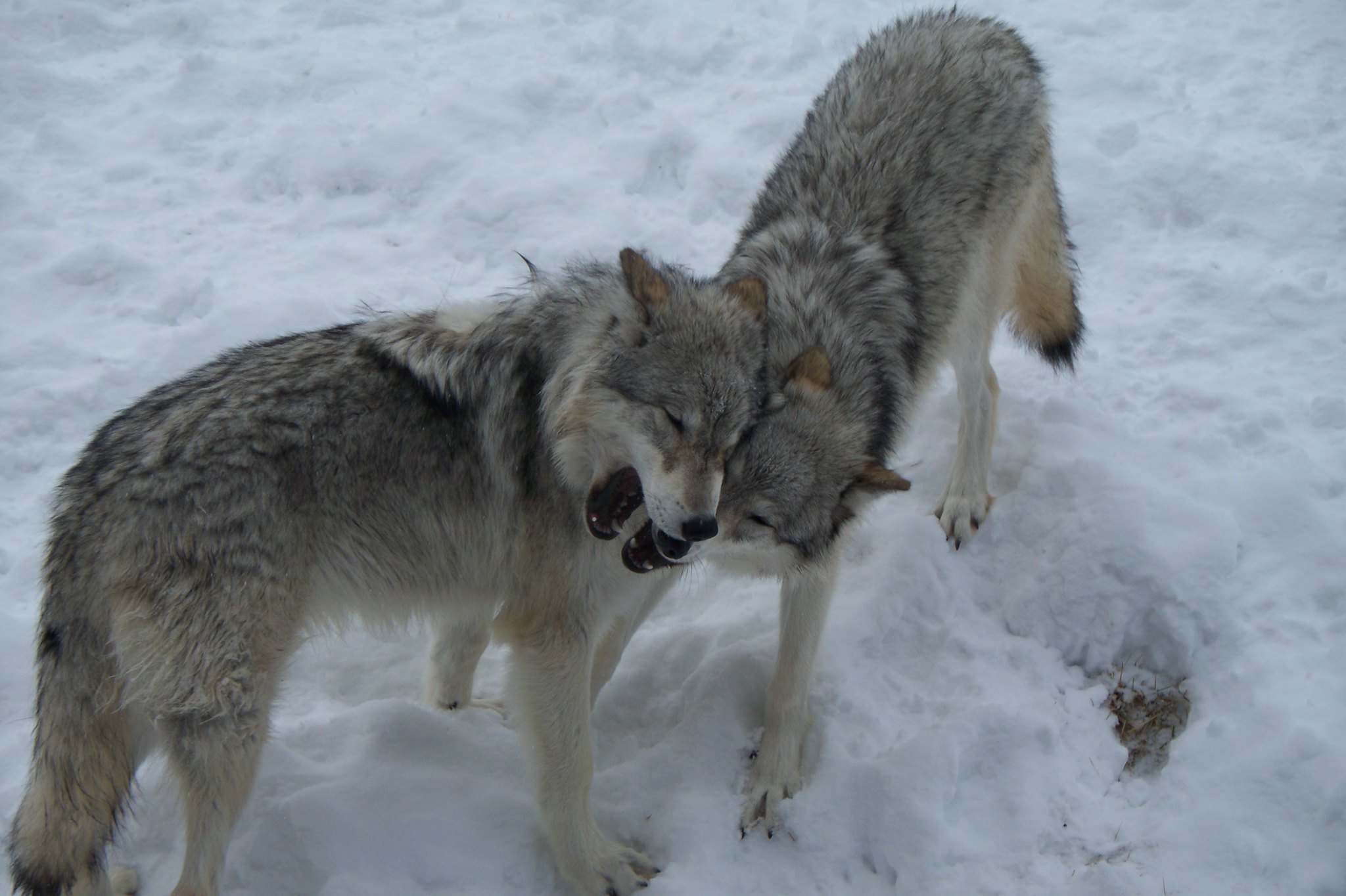
As of current official reports, there is no conclusive scientific evidence confirming the established presence of a breeding wolf population in New Hampshire. The occasional sightings that are reported are often attributed to individual animals that may have wandered into the state from surrounding regions where wolf populations are more robust, such as parts of Canada or the Adirondack Mountains in New York. These wanderers are typically young males seeking new territory, and their presence, while notable, does not indicate a self-sustaining population.
Wildlife Conservation and Tourism in New Hampshire
The discussion surrounding wolves in New Hampshire is intrinsically linked to broader themes of wildlife conservation and ecotourism. For travelers who are passionate about nature and wildlife, the possibility of wolves, even as a rare visitor, adds an element of thrilling anticipation to their trip. New Hampshire is committed to preserving its natural heritage, and understanding the dynamics of its wildlife populations is a key aspect of this commitment.
Exploring New Hampshire’s Natural Attractions Responsibly
For visitors planning a trip to New Hampshire, whether to hike the trails of the Appalachian Trail, ski the slopes of Cannon Mountain, or enjoy the charming towns of the Monadnock Region, responsible wildlife observation is paramount. While the chances of spotting a wolf are extremely low, the state offers abundant opportunities to see other fascinating creatures. Birdwatching in the coastal areas, observing moose in the northern woodlands, or simply enjoying the diverse flora and fauna in state parks like Franconia Notch State Park can be incredibly rewarding.
When exploring New Hampshire‘s natural landscapes, it’s important to remember that we are visitors in the animals’ homes. This means:
- Maintaining a Safe Distance: Never approach or feed wild animals, regardless of their size. This is for your safety and theirs.
- Keeping Pets Under Control: Dogs can disturb wildlife and may even provoke aggressive responses.
- Packing Out What You Pack In: Leave no trace to preserve the natural beauty for both wildlife and future visitors.
- Being Aware of Your Surroundings: Understanding the behavior of common wildlife, such as black bears, is essential for a safe outdoor experience.
The absence of a confirmed wolf population does not diminish New Hampshire‘s appeal as a destination for nature lovers. The state’s commitment to conservation ensures that its forests, rivers, and mountains remain healthy ecosystems, supporting a rich tapestry of wildlife. The dream of wolves returning to New Hampshire is a powerful symbol of wildness, and while the reality may be more complex, the ongoing efforts to protect and understand the state’s natural inhabitants continue to make it a compelling destination for those seeking an authentic connection with nature.
In conclusion, while the romantic notion of wolves roaming freely in New Hampshire‘s wilderness is deeply ingrained in some imaginations, current scientific evidence does not support the existence of an established wolf population. However, the possibility of occasional transient individuals from neighboring territories means the question may always linger. What is certain is that New Hampshire is a state rich in natural wonders, offering incredible opportunities for responsible ecotourism and the appreciation of its diverse and thriving wildlife, a testament to the enduring power of nature and the importance of its preservation. The ongoing vigilance of wildlife agencies and the curiosity of the public alike ensure that the story of New Hampshire‘s wild inhabitants, whatever their numbers, will continue to be told and protected.
LifeOutOfTheBox is a participant in the Amazon Services LLC Associates Program, an affiliate advertising program designed to provide a means for sites to earn advertising fees by advertising and linking to Amazon.com. Amazon, the Amazon logo, AmazonSupply, and the AmazonSupply logo are trademarks of Amazon.com, Inc. or its affiliates. As an Amazon Associate we earn affiliate commissions from qualifying purchases.