
The question “How many people live in the Texas?” is more than just a census query; it’s a gateway into understanding the dynamic growth, diverse culture, and booming opportunities that define one of the most significant states in the United States. As a hub for travel, tourism, and evolving lifestyles, Texas’s population is a crucial indicator of its magnetic appeal, influencing everything from urban development and economic trends to the types of accommodations and attractions available for visitors. From its sprawling metropolises to its charming small towns and vast natural landscapes, the Lone Star State is a land of superlatives, constantly attracting new residents and, by extension, a steady stream of travelers eager to explore its unique blend of Southern hospitality and Western grit.
Understanding the demographic landscape of Texas offers invaluable insights for anyone considering a visit, a relocation, or an investment in this vibrant state. It helps us appreciate the richness of local cultures, the diversity of its culinary scene, the range of landmarks to discover, and the sheer variety of experiences that await within its borders.
A Growing Giant: Unpacking Texas’s Population Boom
Texas stands as a beacon of growth, consistently ranking among the fastest-growing states in the United States. This relentless expansion is not merely a statistical anomaly but a reflection of deep-seated economic opportunities, an attractive quality of life, and a welcoming atmosphere that beckons individuals and families from across the nation and the globe. For those looking to experience the state, this rapid growth translates into a constantly evolving landscape of new attractions, innovative dining, and a diverse array of hotels and accommodations catering to every taste and budget.
The Numbers Game: Latest Statistics
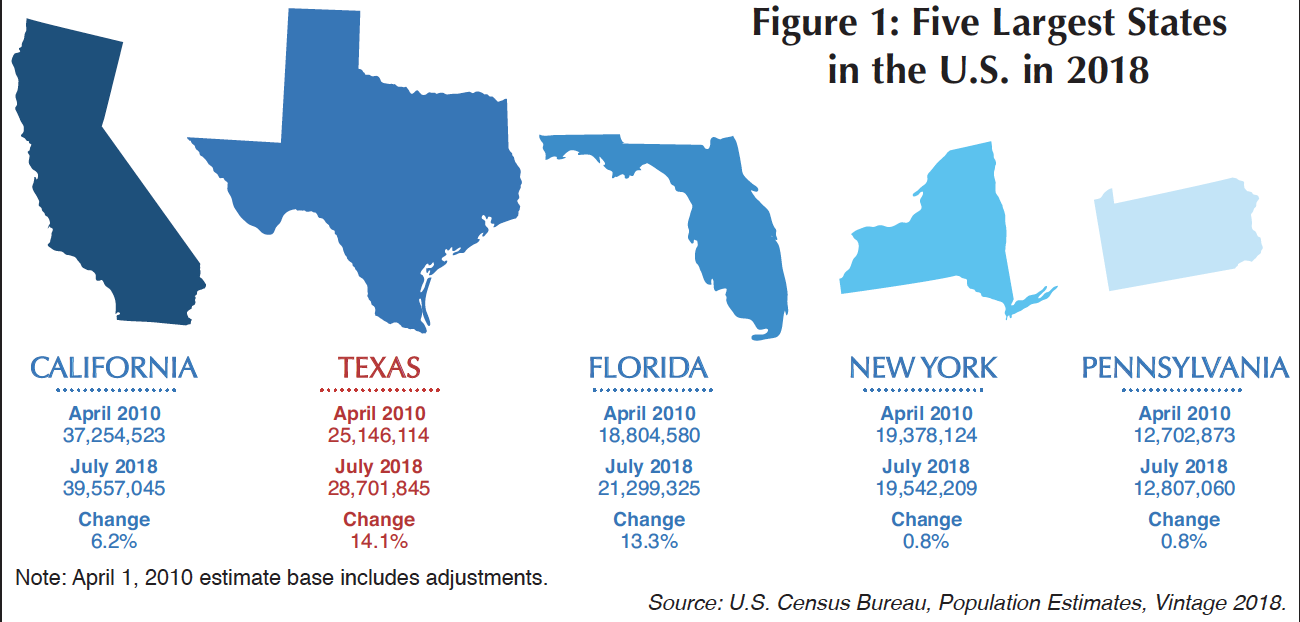
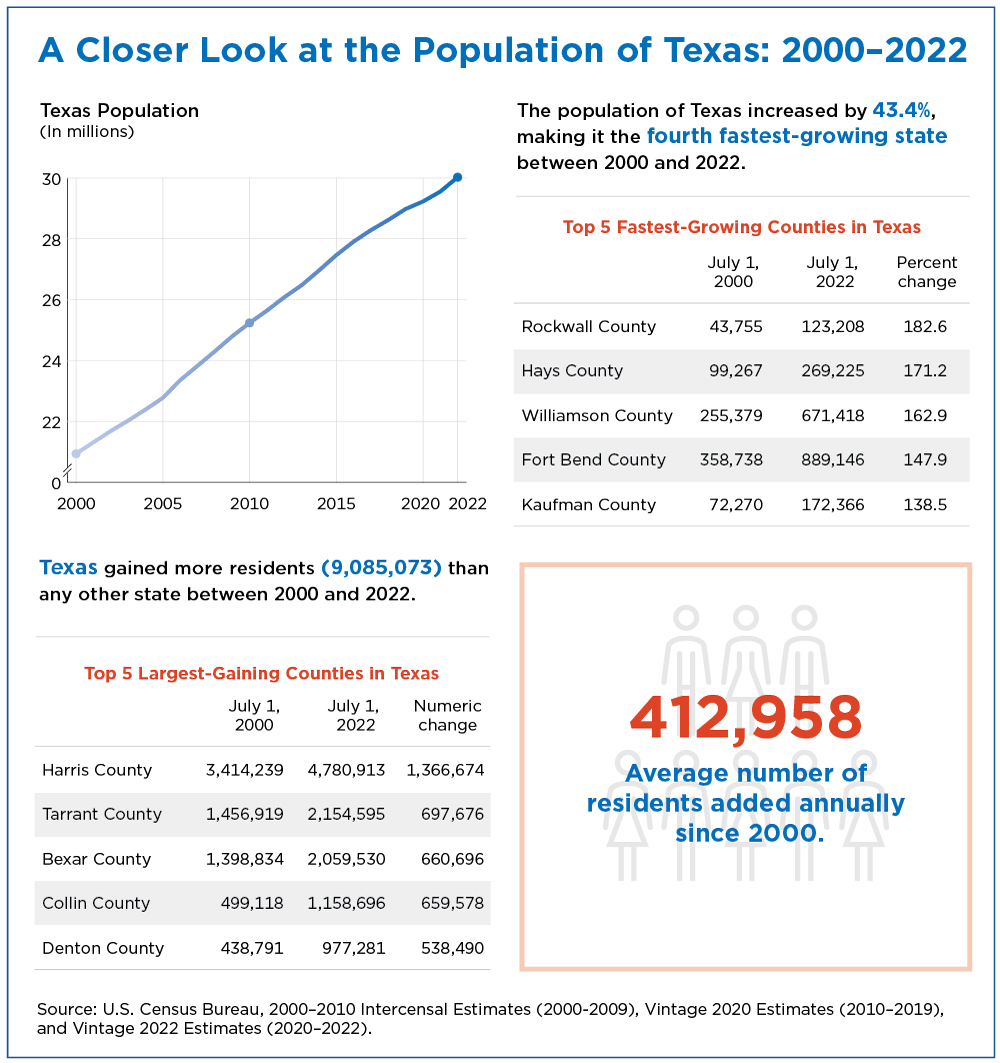
As of the most recent estimates, the population of Texas hovers well over 30 million residents. This makes it the second most populous state in the United States, surpassed only by California. The rate of growth is particularly noteworthy, with Texas adding hundreds of thousands of new residents each year, often leading the nation in terms of absolute population increase. This demographic surge is largely concentrated in its major metropolitan areas, transforming them into sprawling, multicultural hubs that offer an exciting blend of urban sophistication and traditional Texan charm. The scale of this population means that wherever you travel in Texas, you are likely to encounter vibrant communities, bustling city centers, and a diverse tapestry of cultures, all contributing to a rich and varied travel experience.
Why Texas Beckons: Drivers of Population Growth
Several compelling factors contribute to Texas’s enduring appeal as a destination for new residents, which in turn fuels its tourism and lifestyle sectors:
- Economic Opportunities: Texas boasts a robust and diversified economy. Historically known for oil and gas, the state has diversified significantly into technology (especially in Austin’s “Silicon Hills”), aerospace (with major NASA operations in Houston), healthcare, manufacturing, and international trade. This creates abundant job opportunities across various sectors, attracting a skilled workforce and aspiring entrepreneurs.
- Lower Cost of Living (Relative to Other Major States): Compared to coastal states like California or New York, the cost of living in many Texas cities, particularly housing, has historically been more affordable. This allows residents to stretch their budgets further and enjoy a higher quality of life, making it an attractive relocation option for families and professionals.
- No State Income Tax: Texas is one of a handful of states that does not impose a state income tax. This significant financial advantage translates into higher take-home pay for residents, further enhancing its economic appeal and contributing to its vibrant consumer market.
- Quality of Life and Lifestyle: Beyond economics, Texas offers a desirable lifestyle. Its vast size means diverse landscapes, from the Gulf Coast beaches to the rolling Texas Hill Country and the rugged western deserts. Outdoor activities abound, and its cities offer world-class entertainment, dining, and cultural attractions. Whether seeking a bustling urban environment or a quieter, more rural existence, Texas provides a spectrum of choices that cater to varied preferences, making it a compelling destination for both long-term residents and short-term visitors.
The Heartbeat of Texas: Major Metropolitan Areas
The vast majority of Texas’s burgeoning population resides in its major metropolitan areas, each boasting a distinct personality, economic engine, and an abundance of attractions for both residents and travelers. These urban centers are where the state’s diverse cultures converge, where history meets innovation, and where the hospitality sector thrives with a myriad of hotels, resorts, and unique accommodations.
Urban Jungles and Cultural Hubs: Dallas-Fort Worth and Houston
The Dallas-Fort Worth Metroplex and Houston represent the twin pillars of urban Texas life, each offering distinct experiences for residents and travelers.
Houston, the largest city in Texas and the fourth largest in the United States, is a global city known for its energy industry, renowned medical center, and incredibly diverse population. This diversity is reflected in its vibrant culinary scene, boasting everything from authentic Tex-Mex to Vietnamese and West African cuisine. Travelers flock to Houston to visit the Space Center Houston, which serves as the official visitor center of NASA’s Johnson Space Center, offering an awe-inspiring glimpse into space exploration. The Houston Museum District features 19 museums, galleries, and cultural centers, including the Museum of Fine Arts and the Houston Museum of Natural Science. Accommodation options in Houston range from luxurious downtown hotels perfect for business travelers to family-friendly suites near attractions like the Houston Zoo and Kemah Boardwalk, and extended-stay apartments for those seeking a longer immersion in the city’s dynamic lifestyle.

Dallas, the third-largest city, together with its neighbor Fort Worth, forms the Dallas-Fort Worth Metroplex, a sprawling economic powerhouse. Dallas is a hub for business, fashion, and the arts, boasting a sleek skyline and a sophisticated atmosphere. Visitors can explore the Dallas Arts District, the largest contiguous urban arts district in the nation, or delve into history at The Sixth Floor Museum at Dealey Plaza. Its vibrant culinary scene and upscale shopping rival any major world city. Nearby, Fort Worth offers a more Western-tinged experience, celebrated for its rich cowboy heritage. The Fort Worth Stockyards National Historic District is a must-visit, offering daily cattle drives, rodeos, and a glimpse into the Old West. Dallas-Fort Worth caters to all accommodation needs, from five-star hotels and boutique properties in Dallas’s city center to charming bed and breakfasts in Fort Worth’s historic areas. Suburbs like Plano, Frisco, and Irving also offer a range of hotels suitable for family trips or business stays.
Quirky Charms and Historic Gems: Austin and San Antonio
While Dallas and Houston drive the state’s economic might, Austin and San Antonio capture the hearts of many with their distinct cultural identities and vibrant tourism scenes.
Austin, the state capital, famously proclaims itself the “Live Music Capital of the World.” This city buzzes with a youthful, artistic energy, attracting tech professionals, musicians, and outdoor enthusiasts. Its reputation as a tech hub, often dubbed “Silicon Hills,” has fueled rapid population growth and transformed its skyline. Beyond its legendary music venues, Austin offers a wealth of outdoor activities along Lady Bird Lake and at Zilker Park. Iconic events like SXSW draw international crowds, showcasing cutting-edge film, music, and interactive media. Accommodation in Austin includes trendy boutique hotels, luxury high-rises with stunning views of the Texas State Capitol, and a growing number of vacation rentals catering to its diverse visitor base.
San Antonio stands as one of the most historic and culturally rich cities in Texas. Its Spanish colonial heritage is palpable, most famously embodied by The Alamo, a symbol of Texan independence. The iconic San Antonio River Walk (Paseo del Río) winds through the city center, lined with bustling restaurants, shops, and hotels, offering a picturesque and leisurely experience. Beyond The Alamo, the city is home to the San Antonio Missions National Historical Park, a UNESCO World Heritage Site showcasing four other historic missions. San Antonio offers a range of hotels from historic luxury properties right on the San Antonio River Walk to budget-friendly options, ensuring every traveler finds their ideal stay.
Beyond the Big Four: Exploring Other Texas Cities
While the major metropolitan areas draw the largest populations, numerous other cities across Texas contribute significantly to its allure and offer diverse experiences for residents and tourists alike.
Along the Gulf Coast, cities like Galveston and Corpus Christi provide beachside escapes. Galveston boasts historic Victorian architecture, the lively Moody Gardens attraction, and cruise ship terminals, while Corpus Christi offers access to the Padre Island National Seashore, the longest undeveloped barrier island in the world. Further south, South Padre Island is a popular destination for its pristine beaches and vibrant spring break scene.
In Central Texas, the charming town of Fredericksburg in the Texas Hill Country is known for its German heritage, burgeoning wine industry, and numerous bed and breakfasts. Nearby, Waco has seen a revitalization thanks to its Magnolia Market at the Silos, attracting visitors interested in home design and local charm. University towns like College Station and San Marcos offer youthful energy and unique local attractions.
Out west, El Paso provides a unique blend of American and Mexican cultures, sitting directly on the border with Mexico and offering stunning desert landscapes. The Big Bend Region, with its gateway towns like Alpine and Marathon, offers unparalleled access to Big Bend National Park and Guadalupe Mountains National Park, catering to adventure seekers and nature lovers. These diverse locales offer an expansive view of the Texas lifestyle, each with its own character and selection of accommodations from rustic cabins to charming inns.
Texas Lifestyle and Its Magnetic Pull for Residents and Travelers
The sheer number of people choosing to call Texas home speaks volumes about the quality of life and the richness of experiences available here. This magnetic pull extends equally to travelers, who come seeking a taste of the unique Texan lifestyle, characterized by a vibrant mix of cultures, mouth-watering culinary traditions, and an abundance of natural beauty.
Diverse Cultures and Culinary Adventures
Texas’s history as a melting pot of Spanish, Mexican, Native American, and Anglo-American influences has forged a unique cultural identity. This diversity is nowhere more evident than in its food. Tex-Mex cuisine, with its rich flavors and hearty portions, is a staple, from sizzling fajitas to savory enchiladas found in virtually every city. Texas BBQ is world-renowned, with distinct regional styles – from brisket in Central Texas to pork ribs in East Texas – drawing foodies on dedicated culinary tours. Beyond these icons, the state’s large immigrant populations have enriched its culinary landscape with authentic Vietnamese, Indian, Middle Eastern, and African restaurants, particularly in Houston and Dallas. Exploring the food scene is an essential part of any Texas travel guide, offering a delicious insight into the state’s diverse population.
Natural Wonders and Outdoor Escapes
For a state often associated with vast plains, Texas boasts an incredibly varied natural landscape perfect for outdoor enthusiasts. The rugged beauty of Big Bend National Park in West Texas offers dramatic canyons, desert flora, and incredible stargazing opportunities. The Texas Hill Country charms with its rolling hills, spring-fed rivers like the Guadalupe River and Comal River perfect for tubing, and picturesque vineyards. Natural landmarks like Enchanted Rock State Natural Area and Hamilton Pool Preserve draw hikers and swimmers. Along the Gulf Coast, sandy beaches and barrier islands provide opportunities for fishing, birdwatching, and relaxing by the sea. Even within major cities, green spaces like Klyde Warren Park in Dallas and the expansive parks around Lady Bird Lake in Austin offer urban dwellers and visitors a respite from the concrete jungle. This wealth of natural attractions means that any travel itinerary to Texas can easily incorporate adventure and relaxation amidst breathtaking scenery.
Accommodating the Masses: From Luxury Resorts to Boutique Stays
The substantial and ever-growing population of Texas, coupled with its booming tourism industry, has created a thriving and diverse accommodation sector. Whether you’re a luxury traveler seeking an opulent resort, a business professional requiring premium suites, a family looking for a comfortable apartment, or a budget-conscious backpacker searching for an affordable stay, Texas has it all.
In cities like Dallas, Houston, and Austin, you’ll find an abundance of high-end hotels offering unparalleled amenities, from rooftop pools and spas to gourmet dining and concierge services. Boutique hotels, often housed in historic buildings, provide unique charm and personalized experiences. For longer stays or group travel, serviced apartments and villas offer the comforts of home with added privacy. In popular tourist destinations like San Antonio’s San Antonio River Walk or Fredericksburg’s wine country, charming bed and breakfasts and guesthouses provide an intimate local experience. The range of choices caters to every travel style, ensuring that visitors to Texas can find accommodation that perfectly suits their needs and enhances their journey.
The Economic Engine: Texas’s Impact on Travel and Tourism
The sheer scale of Texas’s population and its economic dynamism have a profound impact on its travel and tourism industries. A large population translates into a significant domestic travel market, while the state’s robust economy and prominent industries draw a steady stream of business travelers, international visitors, and event attendees, all of whom contribute to a vibrant tourism ecosystem.
Major Industries Shaping the Landscape
Texas’s diverse industries, from technology and aerospace to healthcare and finance, not only attract residents but also drive substantial business travel. Executives and professionals frequently visit cities like Houston, Dallas, and Austin for conferences, meetings, and industry events. This constant influx necessitates a wide array of business-friendly hotels, meeting facilities, and corporate accommodation options. The demand for efficient transport, reliable booking services, and quality hospitality amenities is directly linked to the state’s economic prowess, ensuring a high standard of service for all travelers, whether on business or leisure.
Iconic Landmarks and Attractions
With its vast population and rich history, Texas is dotted with numerous landmarks and attractions that draw millions of tourists annually. Beyond the iconic Alamo and the San Antonio River Walk, there’s the awe-inspiring Space Center Houston, offering a glimpse into human spaceflight. The Dallas World Aquarium and Perot Museum of Nature and Science provide educational entertainment, while the Fort Worth Stockyards National Historic District offers an authentic Western experience. Natural wonders like Big Bend National Park and Palo Duro Canyon State Park attract adventurers, while cultural institutions such as the Bullock Texas State History Museum and the Lyndon B. Johnson Presidential Library offer deep dives into Texan and American history. Large-scale events like RodeoHouston and SXSW also contribute significantly to the tourism calendar, transforming cities into vibrant centers of activity and demanding extensive accommodation bookings.
Planning Your Texas Adventure
Given the immense size and population of Texas, planning a trip requires careful consideration to maximize the experience. Whether your interest lies in exploring historical sites, indulging in culinary delights, seeking outdoor adventures, or immersing yourself in urban culture, Texas offers a seemingly endless array of options. Consider themed itineraries – a “History Buff’s Tour” encompassing San Antonio, Dallas’ The Sixth Floor Museum, and perhaps Southfork Ranch; a “Nature Lover’s Escape” to Big Bend and the Texas Hill Country; or a “Music and Foodie Journey” through Austin and Houston.
Choosing the right accommodation is paramount. From luxury resorts offering spa treatments and golf courses to charming boutique hotels with local flair, and from family-friendly suites with kitchenettes to budget hotels near major highways, options are plentiful. Websites specializing in accommodation booking, reviews, and comparison are essential tools for navigating the extensive choices available across the state. Long-term stay apartments are also becoming increasingly popular for visitors looking to spend extended periods exploring a particular region or city. No matter your preference, Texas’s thriving population and diverse tourism infrastructure ensure a memorable and accommodating experience.
In conclusion, the question of “How many people live in the state of Texas?” reveals a story of rapid growth, economic prosperity, and a lifestyle that seamlessly blends tradition with modernity. This vibrant population is the very fabric that weaves together Texas’s rich culture, diverse attractions, and extensive hospitality offerings, making it an endlessly fascinating destination for both residents and travelers worldwide.
LifeOutOfTheBox is a participant in the Amazon Services LLC Associates Program, an affiliate advertising program designed to provide a means for sites to earn advertising fees by advertising and linking to Amazon.com. Amazon, the Amazon logo, AmazonSupply, and the AmazonSupply logo are trademarks of Amazon.com, Inc. or its affiliates. As an Amazon Associate we earn affiliate commissions from qualifying purchases.