
The Land of Enchantment, New Mexico, is a state steeped in history, vibrant culture, and breathtaking landscapes. From the ancient pueblos to the rugged desert vistas, it offers a unique tapestry of experiences for travelers, residents, and those simply curious about its diverse geography. When considering the sheer scale and influence of its urban centers, a question naturally arises: What is the biggest city in New Mexico? The answer, by population and economic significance, is undoubtedly Albuquerque.
While New Mexico boasts numerous charming towns and cities, each with its own distinct character, Albuquerque stands out as the undisputed hub. It’s not just a matter of numbers; its role as a cultural, economic, and transportation nexus solidifies its position as the largest and most influential urban area within the state. This article will delve into what makes Albuquerque the biggest city in New Mexico, exploring its population, its cultural richness, its historical significance, and the diverse attractions that draw visitors from near and far.
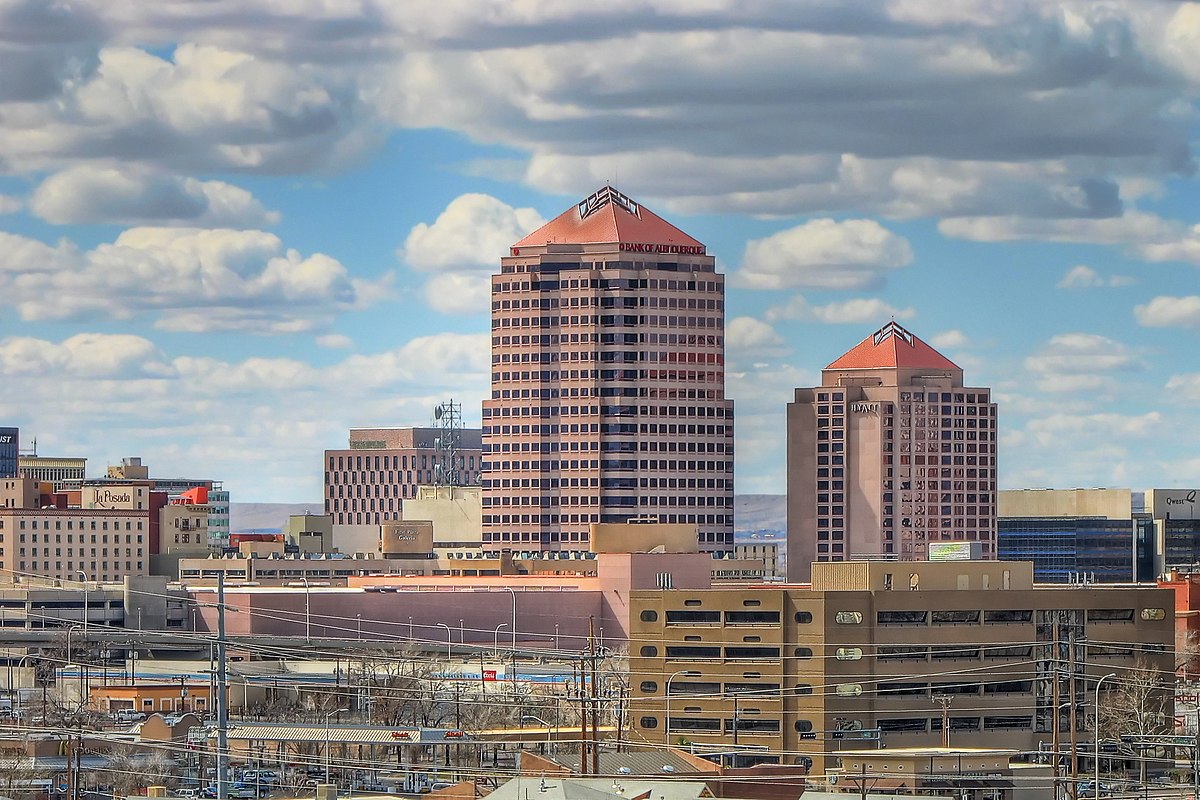
The Dominance of Albuquerque: Population and Scope
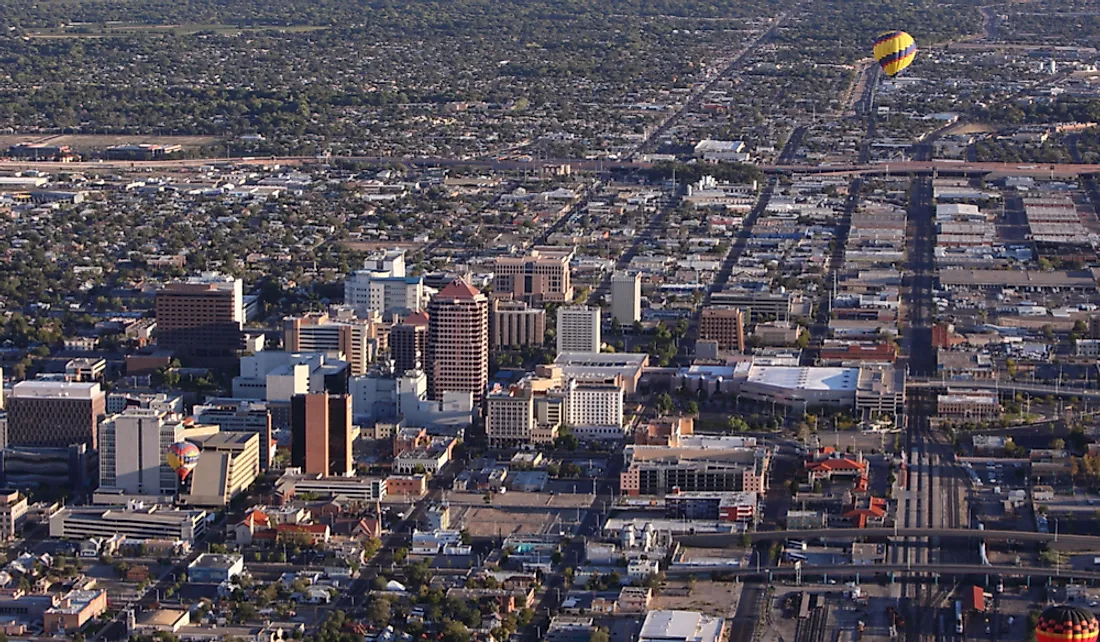
When we talk about the “biggest city,” the most common metric is population. As of the latest census data, Albuquerque significantly outpaces any other municipality in New Mexico in terms of residents. This substantial population translates into a dynamic urban environment with a wide array of services, amenities, and a diverse demographic makeup.
The greater Albuquerque metropolitan area is home to a significant portion of New Mexico‘s total population, making it the focal point for commerce, employment, and innovation. This concentration of people also fuels a thriving cultural scene, a robust culinary landscape, and a continuous influx of new businesses and industries. The city’s expansive geographical footprint further contributes to its perceived size, with sprawling neighborhoods, commercial districts, and a growing suburban reach.
Beyond the raw numbers, Albuquerque‘s size is also evident in its infrastructure and its role as a regional center. It serves as a major transportation hub, with Albuquerque International Sunport playing a critical role in connecting New Mexico to the rest of the nation. Major roadways, including Interstate 40 and Interstate 25, converge here, making it a key point for logistics and travel. This connectivity further amplifies its influence and makes it a natural draw for businesses and individuals alike.
Understanding City Size: Beyond Population
While population is a primary indicator, the “biggest” city can also be interpreted through other lenses, such as economic output, land area, or cultural impact. In all these aspects, Albuquerque asserts its dominance within New Mexico.
Economically, Albuquerque is the engine of the state. It hosts a diverse range of industries, including technology, healthcare, government, and a burgeoning film and television sector, often referred to as the “Silicon Desert.” This economic activity creates jobs, attracts investment, and generates a significant portion of the state’s tax revenue. The presence of major employers and a dynamic business environment solidifies its status as the economic heart of New Mexico.
Geographically, Albuquerque is also a substantial city. While not as vast as some sprawling metropolises in other parts of the country, its land area encompasses a considerable urban and suburban expanse, with numerous parks, open spaces, and natural areas integrated into its fabric.
Culturally, Albuquerque serves as the melting pot of New Mexico. It’s where Native American, Hispanic, and Anglo traditions intertwine to create a unique cultural identity. This is reflected in its art galleries, museums, festivals, and, of course, its food. The city’s size allows for a diverse range of cultural institutions and events, catering to a wide array of interests and tastes.
Exploring Albuquerque: A Gateway to New Mexico’s Wonders
Being the biggest city in New Mexico means Albuquerque is not just a place to live or pass through; it’s a destination in its own right, offering a wealth of attractions and experiences that capture the essence of the state. From its iconic natural beauty to its rich historical tapestry, Albuquerque provides a compelling introduction to what makes New Mexico so enchanting.
Iconic Landmarks and Natural Beauty
One of the most recognizable landmarks associated with Albuquerque is the Petroglyph National Monument. This vast park preserves thousands of ancient rock carvings made by Native Americans and early Spanish settlers. A visit here offers a profound connection to the region’s history and a glimpse into the artistic and spiritual expressions of its earliest inhabitants.
Towering over the city is the Sandia Mountains, a majestic range that offers incredible recreational opportunities and stunning panoramic views. The Sandia Peak Tramway, the longest aerial tramway in North America, provides an unforgettable journey to the summit, where visitors can hike, ski (in winter), or simply soak in the breathtaking scenery. The vibrant hues of the mountains, especially during sunrise and sunset, are a sight to behold.
Old Town Albuquerque, the historic heart of the city, transports visitors back in time. Its charming adobe buildings, cobblestone streets, and the iconic San Felipe de Neri Church evoke the Spanish colonial era. It’s a vibrant center for art, culture, and shopping, with numerous galleries, artisan shops, and traditional New Mexican restaurants.
Cultural Immersion and Culinary Delights
Albuquerque is a melting pot of cultures, and this is most evident in its vibrant arts scene and its world-renowned culinary offerings. The Indian Pueblo Cultural Center offers an in-depth look at the history, traditions, and art of the 19 Pueblo tribes of New Mexico. It’s an essential stop for anyone seeking to understand the foundational cultural heritage of the region.
For art enthusiasts, the city boasts a thriving gallery scene, particularly in Old Town and the Downtown Arts District. The New Mexico Museum of Art and the National Hispanic Cultural Center are also key institutions showcasing the diverse artistic expressions of the state.
And then there’s the food. New Mexican cuisine is a distinct culinary tradition, characterized by its generous use of chilies – both red and green. Albuquerque is the perfect place to experience authentic New Mexican flavors. From hearty stews and enchiladas to the ubiquitous “Christmas” style sauce (a mix of red and green chili), the culinary landscape is diverse and delicious. Don’t miss the chance to try some local favorites at established eateries like El Pinto Restaurant & Cantina or explore the vibrant food truck scene.
Accommodation and Lifestyle in the Biggest City
As New Mexico‘s largest city, Albuquerque offers a comprehensive range of accommodation options to suit every traveler’s needs and budget. Whether you’re looking for a luxurious resort experience, a comfortable hotel, or a more independent stay in an apartment or villa, Albuquerque has you covered.
Diverse Lodging Options for Every Traveler
The city’s hotel scene is robust, with everything from well-known international chains to boutique hotels offering a more personalized experience. For those seeking upscale amenities and services, Albuquerque boasts several impressive resorts that provide a relaxing retreat after a day of exploration. These often feature beautiful grounds, spa services, and fine dining options.
Families might prefer hotels with amenities like swimming pools and spacious rooms, while business travelers can find well-equipped facilities and convenient locations. The availability of serviced apartments and villas also caters to those looking for longer stays or a more home-like environment, offering flexibility and comfort.
When choosing where to stay, consider the various neighborhoods. Old Town offers historic charm and easy access to its attractions. The Uptown area is known for its shopping and entertainment, while Downtown provides a more urban feel with access to business centers and cultural venues.
Embracing the Lifestyle
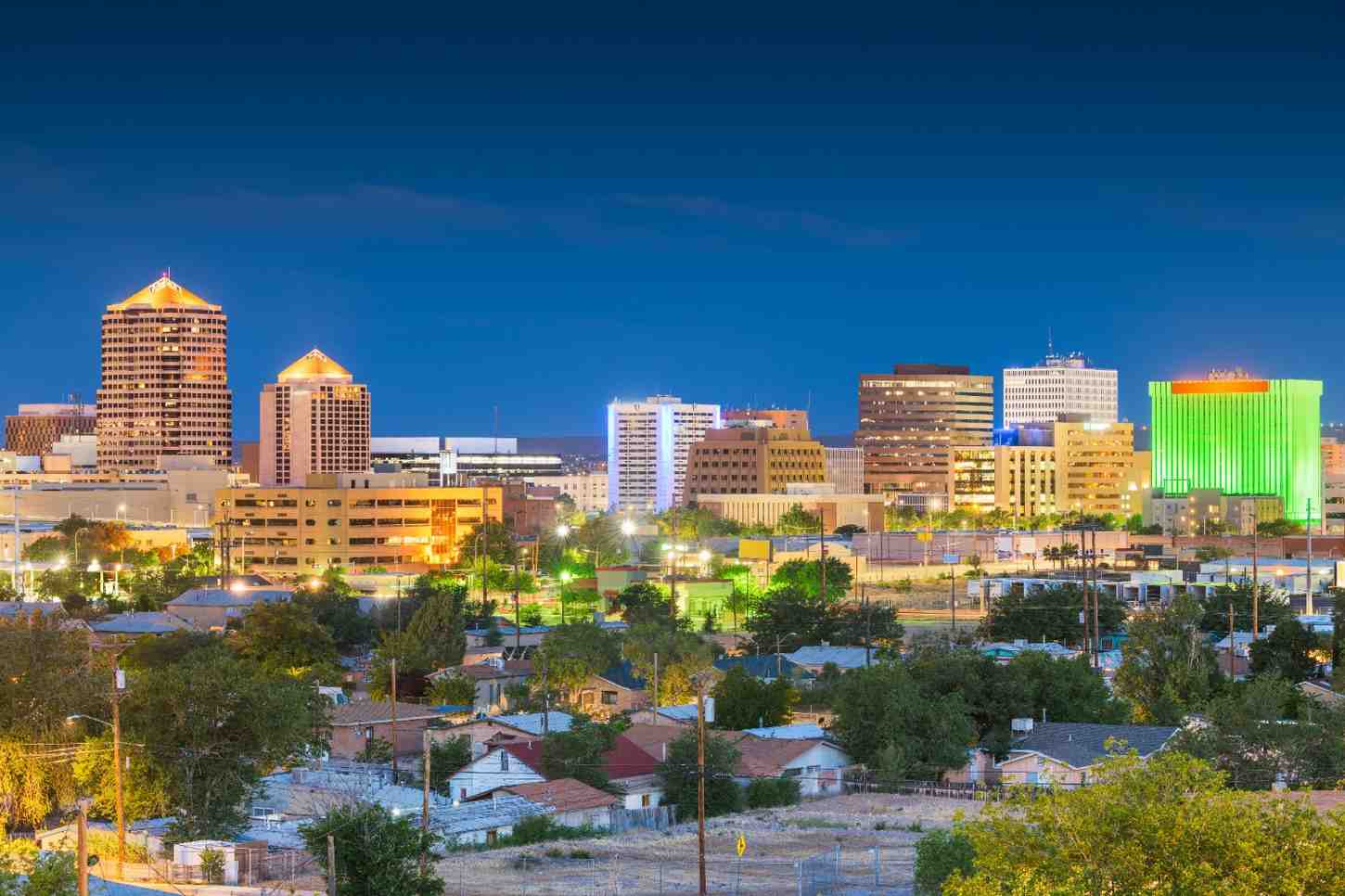
Albuquerque offers a lifestyle that balances urban convenience with easy access to the outdoors and a strong sense of community. The city’s approach to travel can range from luxury travel, with stays at high-end resorts and fine dining experiences, to budget travel, with numerous affordable hotels, motels, and a growing appreciation for local, cost-effective eateries.
Family trips are well-catered for, with attractions like the ABQ BioPark (which includes a zoo, aquarium, botanic garden, and Tingley Beach), the Explora Science Center and Children’s Museum, and ample opportunities for outdoor adventures in the nearby mountains and deserts. The Balloon Fiesta, a world-renowned event, is a particular highlight for families and visitors of all ages.
For those on business stays, Albuquerque offers modern conference facilities, convenient airport access, and a growing number of business-friendly hotels. The city’s economic diversity also means opportunities for networking and experiencing the local business culture.
In conclusion, while New Mexico is filled with captivating places, Albuquerque stands tall as its biggest city. It’s a place where history, culture, and modernity converge, offering an unforgettable experience for every visitor, solidifying its position as the undeniable heart of the Land of Enchantment.
LifeOutOfTheBox is a participant in the Amazon Services LLC Associates Program, an affiliate advertising program designed to provide a means for sites to earn advertising fees by advertising and linking to Amazon.com. Amazon, the Amazon logo, AmazonSupply, and the AmazonSupply logo are trademarks of Amazon.com, Inc. or its affiliates. As an Amazon Associate we earn affiliate commissions from qualifying purchases.