
When planning a journey, understanding the demographics of your destination can significantly enhance your experience. It’s not just about knowing how many people call a place home, but also about grasping the nuances that shape its culture, its attractions, and its overall atmosphere. For those drawn to the captivating allure of New Mexico, a state steeped in history, vibrant cultures, and breathtaking landscapes, this demographic insight is particularly valuable. While the question might seem straightforward, the answer to “What is the population for New Mexico?” opens up a broader discussion about the people who contribute to the unique tapestry of the Land of Enchantment.
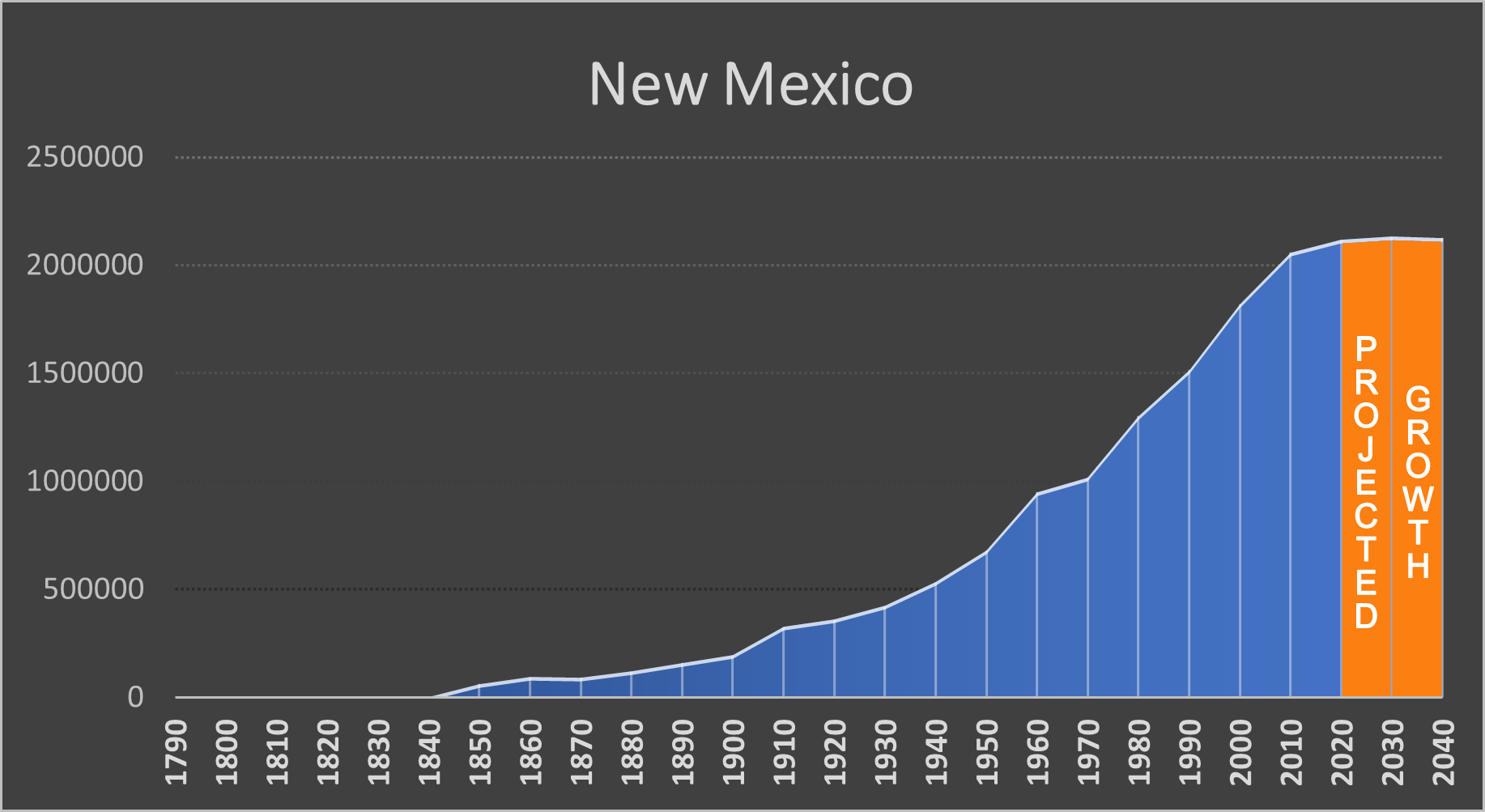
The most recent estimates place the population of New Mexico at approximately 2.1 million residents. This figure, while a number, represents a dynamic and diverse populace. It’s a population that has been shaped by centuries of indigenous heritage, Spanish colonization, Mexican influence, and American expansion. This rich blend is evident in everything from the architecture of Santa Fe and Taos to the culinary traditions found throughout the state, and the vibrant festivals that celebrate its multifaceted identity.
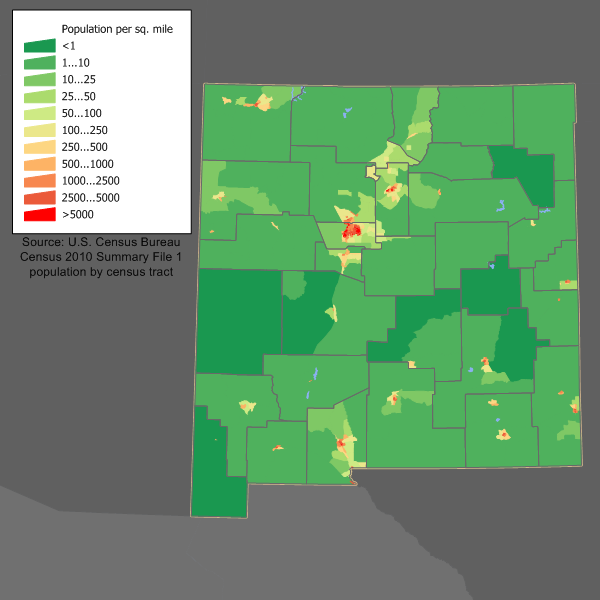
Beyond the raw population count, exploring New Mexico involves understanding the distribution of these residents. The state’s vastness means that while some areas are densely populated, others are sparsely inhabited, creating distinct experiences for travelers. Major urban centers like Albuquerque, the state’s largest city, serve as hubs of commerce, culture, and innovation. Here, you’ll find a wide array of hotels, from luxury resorts to budget-friendly apartments, catering to every type of traveler. Albuquerque also boasts a thriving arts scene, numerous museums, and a culinary landscape that ranges from traditional New Mexican cuisine to international flavors.
The Demographic Fabric of New Mexico
Understanding the population of New Mexico isn’t complete without acknowledging the significant ethnic and cultural diversity that defines its identity. This diversity is a direct result of its historical trajectory and continues to shape its present and future.
Indigenous Roots and Cultural Heritage
The indigenous peoples of New Mexico have a history that predates European arrival by millennia. Today, numerous Native American pueblos and tribes, such as the Navajo Nation, Pueblo of Laguna, Pueblo of Acoma, and Pueblo of San Ildefonso, maintain a strong presence. Their ancestral lands, rich with history and natural beauty, offer unique travel experiences. Visitors can explore ancient cliff dwellings at Bandelier National Monument, witness traditional dances during feast days, and purchase authentic Native American art and crafts. The resilience and continuity of these cultures are a cornerstone of New Mexico‘s appeal. Learning about their traditions, art, and history adds a profound layer to any visit, offering a glimpse into a way of life that has endured for centuries. Accommodations in these regions might range from charming guesthouses to more rustic lodgings, providing an immersive cultural experience.
Hispanic and Latino Influence
The Spanish colonial era left an indelible mark on New Mexico, and this influence is powerfully represented by its large Hispanic and Latino population. This demographic group has deeply influenced the state’s language, religion, architecture, and, perhaps most famously, its cuisine. The distinct flavors of New Mexican food, characterized by the ubiquitous red and green chile, are a direct legacy of this heritage. Exploring towns like Las Cruces or Deming offers a chance to delve deeper into communities where this cultural influence is particularly strong. When it comes to tourism, engaging with these communities means savoring authentic dishes, visiting historic missions, and experiencing the warmth and hospitality that are hallmarks of this culture. The accommodation options here often reflect a blend of traditional charm and modern comfort.
The Melting Pot: Other Communities
While indigenous and Hispanic populations are foundational, New Mexico has also attracted people from diverse backgrounds, contributing to its evolving demographic landscape. This includes Anglo-Americans, as well as individuals from various European, Asian, and other international communities. This multiculturalism is evident in the arts, music, and culinary scenes, especially in cities like Santa Fe and Albuquerque. The influx of new residents and ideas continually enriches the state, fostering a dynamic environment that appeals to a wide range of travelers seeking diverse experiences and a unique lifestyle. From luxury travel to budget-friendly exploration, New Mexico offers a welcoming atmosphere for all.
Population Distribution and Its Impact on Travel
The way New Mexico‘s population is distributed across its vast territory has a direct bearing on the types of travel experiences available and the kind of tourism that flourishes.
Urban Centers: Hubs of Activity
Albuquerque, as previously mentioned, is the most populous city and serves as the state’s primary gateway for many travelers. Its metropolitan area, with a population exceeding half a million, offers a concentration of attractions. Here, you’ll find world-class hotels, from the historic La Fonda on the Plaza in Santa Fe to modern establishments in Albuquerque. The city is a center for business travel, family trips, and cultural tourism. Activities abound, including visiting the Indian Pueblo Cultural Center, exploring Old Town Albuquerque, or taking a ride on the Sandia Peak Tramway. The ease of access to various accommodations, dining options, and attractions makes Albuquerque a central point for exploring the northern and central parts of the state.
Santa Fe, the state capital and another significant urban center, while smaller in population than Albuquerque, holds immense cultural and historical weight. Known for its distinct Pueblo-style architecture, vibrant arts scene, and rich history, Santa Fe draws millions of tourists annually. The population density here, combined with its popularity as a destination, creates a unique atmosphere. Visitors can explore numerous art galleries, historical landmarks like the Palace of the Governors, and enjoy exquisite dining. The array of accommodation options in Santa Fe is particularly noteworthy, with a strong emphasis on boutique hotels, charming inns, and luxury resorts that capture the essence of its unique culture.
Rural Areas and Wilderness Experiences
A significant portion of New Mexico‘s landmass is sparsely populated, offering vast stretches of natural beauty and opportunities for outdoor adventures. This includes areas like the Gila National Forest, the Carlsbad Caverns National Park, and the vast desert landscapes that characterize the southern part of the state. The low population density in these regions means that nature lovers and those seeking solitude can find truly immersive experiences.
Travel to these areas often involves a different kind of accommodation. While traditional hotels might be scarce, you can find charming cabins, ranch stays, or even glamping opportunities. The tourism here focuses on ecotourism, hiking, camping, stargazing (thanks to its dark skies), and exploring the unique geological formations and diverse ecosystems. Landmarks like the White Sands National Park offer an otherworldly experience, attracting visitors who are eager to connect with nature in its purest form. These rural destinations provide a stark contrast to the urban centers, showcasing the breadth of experiences New Mexico has to offer.
Factors Shaping New Mexico’s Population Dynamics
Several factors, both historical and contemporary, influence the population of New Mexico and, by extension, its character and appeal as a travel destination.
Economic Drivers and Migration
Like any state, New Mexico‘s population is influenced by its economic opportunities. Major industries such as energy, technology, government, and tourism play a role in attracting and retaining residents. Periods of economic growth can lead to an increase in population, while economic downturns may see a stagnation or even a decline. The presence of national laboratories, such as Los Alamos National Laboratory and Sandia National Laboratories, has historically attracted a skilled workforce, contributing to the state’s intellectual capital and its unique demographic makeup.
Lifestyle and Quality of Life
New Mexico offers a distinctive lifestyle that appeals to many. Its combination of natural beauty, rich cultural heritage, relatively lower cost of living compared to some other Western states, and a slower pace of life attracts individuals seeking a different kind of existence. This is particularly true for those interested in luxury travel, retirement, or a more tranquil lifestyle. The abundance of outdoor activities, from skiing in the Sangre de Cristo Mountains to hiking in the Gila Wilderness, further enhances its appeal. This lifestyle factor contributes to both inward migration and the retention of its existing population, shaping a community that values both tradition and modern comforts.
Tourism’s Interplay with Population
It is also important to note the reciprocal relationship between tourism and population. While tourists are temporary visitors, their presence has a tangible impact on the economy and the services available in popular destinations. The infrastructure for tourism, including hotels, restaurants, and transportation, is often developed in response to visitor demand, which in turn can influence where people choose to live and work. The appeal of New Mexico as a travel destination, with its unique blend of natural wonders, historical sites, and vibrant cultures, contributes to its overall attractiveness as a place to call home. From budget travel to luxury stays, the allure of the Land of Enchantment draws people in, whether for a short visit or a lifetime. The population, therefore, is not a static number but a dynamic entity shaped by its history, culture, economy, and the very allure that draws millions to its borders each year.
LifeOutOfTheBox is a participant in the Amazon Services LLC Associates Program, an affiliate advertising program designed to provide a means for sites to earn advertising fees by advertising and linking to Amazon.com. Amazon, the Amazon logo, AmazonSupply, and the AmazonSupply logo are trademarks of Amazon.com, Inc. or its affiliates. As an Amazon Associate we earn affiliate commissions from qualifying purchases.