
Albuquerque, New Mexico, a vibrant city nestled in the high desert, beckons travelers with its unique blend of rich history, diverse culture, and stunning natural landscapes. Known affectionately as “The Duke City,” its captivating charm extends far beyond its geographical coordinates, drawing visitors for a myriad of experiences, from exploring ancient Native American pueblos to indulging in world-class cuisine and soaking in the breathtaking vistas of the Sandia Mountains.
As you plan your visit to this captivating Southwestern gem, understanding the pulse of the city, including its population, can offer valuable insight into its character and the opportunities it presents for travelers and residents alike. While the primary focus of a travel website might be on attractions and accommodations, grasping the demographic makeup of a destination can enhance the overall understanding and appreciation of its unique atmosphere. This article aims to not only answer the question of Albuquerque’s population but also to explore what makes this city a compelling place to visit, stay, and experience.
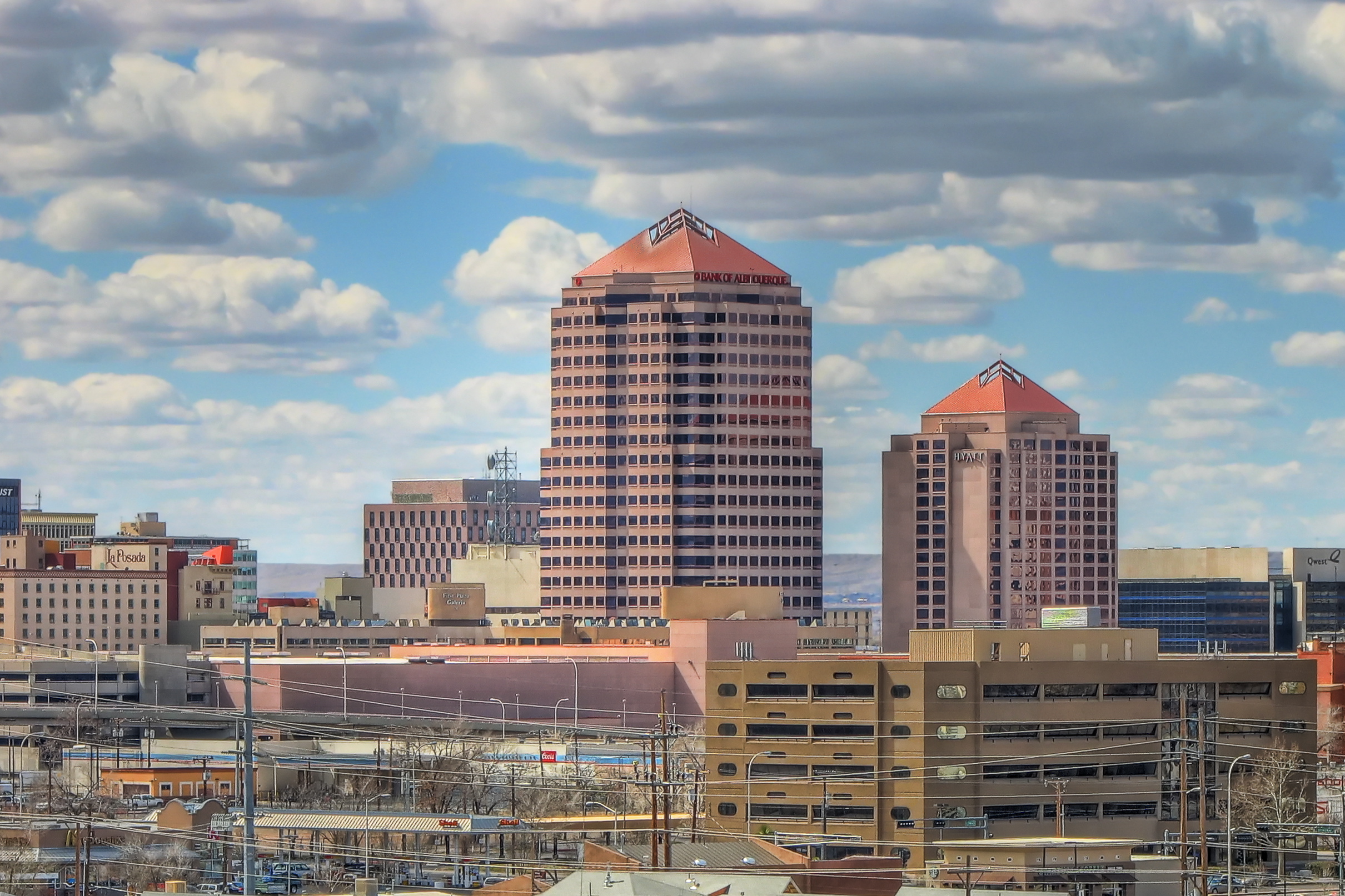
Understanding Albuquerque’s Demographic Landscape
The population of a city is a fundamental aspect that shapes its identity, influences its development, and dictates the range of services and experiences available. For Albuquerque, its population is a crucial element in understanding the dynamic tapestry of this New Mexico metropolis.
Current Population Estimates for Albuquerque
As of the most recent estimates, the population of Albuquerque hovers around the 560,000 to 570,000 mark within the city limits. This makes it the most populous city in New Mexico by a significant margin, serving as the state’s economic and cultural heart. This figure, however, represents only a snapshot and is subject to fluctuation based on various demographic trends.
The Albuquerque Metropolitan Area
When considering the broader impact and scope of the city, it’s essential to look beyond the city limits and examine the Albuquerque metropolitan area. This sprawling region, often referred to as the Albuquerque MSA (Metropolitan Statistical Area), includes surrounding counties such as Bernalillo, Sandoval, Torrance, and Valencia. The population of the Albuquerque MSA is considerably larger, typically exceeding 900,000 residents. This larger demographic base signifies a more extensive economic reach, a wider array of cultural influences, and a greater concentration of businesses, attractions, and services that cater to a diverse populace.
For travelers, understanding the distinction between the city proper and its metropolitan area can be beneficial. For instance, when looking at accommodation options, you might find that hotels and resorts within the city center offer a different experience than those situated in the suburban outskirts, which are still part of the larger metropolitan influence. Similarly, the culinary scene and the range of activities available are often amplified by the larger metropolitan population.
Trends and Growth Patterns
Like many cities across the United States, Albuquerque has experienced periods of growth and shifts in its demographic composition over the years. While recent growth might be modest compared to some booming metropolises, the city continues to attract new residents drawn by its unique lifestyle, relatively affordable cost of living, and the abundance of outdoor and cultural pursuits. The population figures are a result of birth rates, death rates, and migration patterns. Understanding these trends can provide context for the city’s development and its future trajectory. For those interested in lifestyle choices, whether it’s budget travel, luxury travel, or considering a long-term stay, the population dynamics can offer clues about the availability of services and the general atmosphere.
Experiencing Albuquerque: More Than Just Numbers
While knowing the population of Albuquerque provides a statistical grounding, the true essence of the city lies in its vibrant culture, captivating landmarks, and diverse travel experiences. The population influences the city’s character, contributing to its rich tapestry of traditions and modern innovations.
Cultural Melting Pot: A Reflection of its People
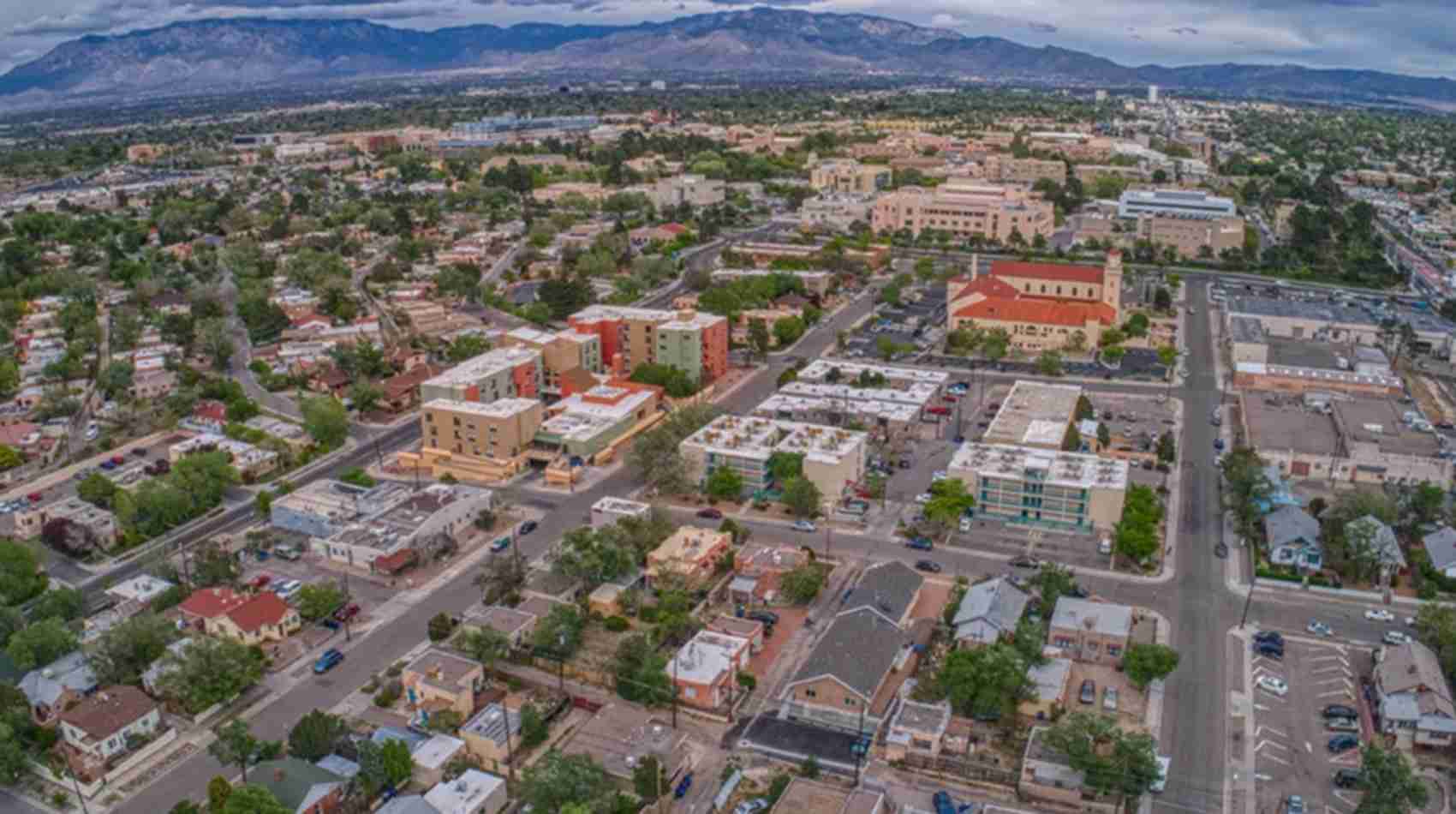
The demographic makeup of Albuquerque is a significant factor in its unique cultural identity. With a substantial Hispanic and Native American heritage, the city offers an immersive experience in local culture. This is evident in its art scene, its festivals, and of course, its world-renowned food. From the fiery flavors of New Mexican cuisine, a distinct culinary tradition that sets it apart from other Mexican food, to the intricate artistry of local crafts, the influence of its people is palpable. Exploring the historic Old Town, visiting the Indian Pueblo Cultural Center, or attending the Albuquerque International Balloon Fiesta all offer direct encounters with the rich cultural heritage that its diverse population has cultivated over centuries.
Attractions and Activities Shaped by Community
The population of Albuquerque also plays a role in shaping the array of attractions and activities available. The presence of a large and engaged community supports a thriving arts scene, numerous parks and recreational areas, and a wide range of events throughout the year. Whether you are looking for family-friendly adventures, historical explorations, or opportunities for outdoor recreation, you’ll find something to suit your interests.
For instance, the Sandia Peak Tramway offers breathtaking views that draw both tourists and locals seeking to experience the natural beauty surrounding the city. The ABQ BioPark, which includes a zoo, aquarium, and botanic garden, is a testament to the community’s commitment to education and conservation, providing enjoyable experiences for all ages. The city’s numerous museums, such as the National Museum of Nuclear Science & History and the Indian Pueblo Cultural Center, highlight its multifaceted history and its diverse inhabitants.
Accommodation and Hospitality
The hospitality sector in Albuquerque is robust, offering a wide range of accommodation options to suit every traveler’s needs and budget. From luxurious resorts and boutique hotels to more budget-friendly motels and vacation rentals, the city caters to a diverse clientele. Many of these establishments are locally owned and operated, reflecting the entrepreneurial spirit of its residents. When considering booking your stay, looking at reviews can give you a sense of the service quality and the local hospitality you can expect, which is often influenced by the community’s general disposition. Whether you are seeking a romantic getaway, a family trip, or a convenient base for business, you’ll find welcoming options.
Exploring Beyond the City Limits: The Influence of Surrounding Areas
The influence of Albuquerque’s population extends into the surrounding regions, creating a broader cultural and economic sphere of influence that enriches the visitor experience.
Day Trips and Excursions
The Albuquerque MSA’s population density and its geographical location make it an excellent base for exploring other fascinating destinations in New Mexico. Travelers can easily embark on day trips to experience the unique charm of nearby towns and natural wonders.
A short drive north can take you to **Santa Fe](https://lifeoutofthebox.com/santa-fe), the state capital, renowned for its distinctive Pueblo-style architecture, vibrant art scene, and rich historical significance. Its own unique population contributes to its artistic and cultural vibrancy. Further afield, but still within reasonable reach for a longer day trip or an overnight stay, lies the otherworldly landscape of **White Sands National Park](https://lifeoutofthebox.com/white-sands-national-park), a truly breathtaking natural landmark.
Natural Beauty and Outdoor Adventures
The proximity of the Albuquerque metropolitan area to stunning natural landscapes means that outdoor enthusiasts have a wealth of options. The majestic **Sandia Mountains](https://lifeoutofthebox.com/sandia-mountains) offer hiking, biking, and scenic drives, providing a refreshing escape from the urban environment. The **Rio Grande](https://lifeoutofthebox.com/rio-grande) river valley also provides opportunities for recreation, including kayaking and birdwatching. These natural amenities are not only enjoyed by the city’s residents but also contribute to the appeal for tourists seeking adventure and relaxation. The accessibility of these natural areas is a key factor for those considering lifestyle choices, be it for outdoor pursuits or simply enjoying the expansive desert vistas.

Economic Hub and Business Stays
As the largest city in New Mexico, Albuquerque serves as a significant economic hub. Its population supports a diverse economy encompassing sectors like technology, healthcare, manufacturing, and tourism. This economic vitality translates into a strong business travel segment, with numerous hotels and resorts catering to professionals. For those on business stays, the city offers convenient access to business districts, convention centers, and a range of services designed to facilitate productive work trips. The presence of a robust business community is, in part, a direct reflection of the city’s substantial population and its role as a center for commerce in the region.
LifeOutOfTheBox is a participant in the Amazon Services LLC Associates Program, an affiliate advertising program designed to provide a means for sites to earn advertising fees by advertising and linking to Amazon.com. Amazon, the Amazon logo, AmazonSupply, and the AmazonSupply logo are trademarks of Amazon.com, Inc. or its affiliates. As an Amazon Associate we earn affiliate commissions from qualifying purchases.